

Zinc-Air Battery Market
Zinc-Air Battery Market Size, Share, Trends, Growth, and Industry Analysis, By Type (Primary, Secondary), By Application (Hearing Aids, Electronic Devices, Electric Vehicles, Energy Storage), Regional Analysis and Forecast Period 2026-2035
Market Overview
As per Econ Market Research analysis, the Global Zinc-Air Battery Market was valued at US$ 1.21 Billion in 2026 and is expected to reach US$ 1.96 Billion by 2035, registering a CAGR of 5.5% during the forecast period 2026–2035. The base year considered is 2025.
Zinc-Air Battery Market Size 2025-2035 (USD Billion)

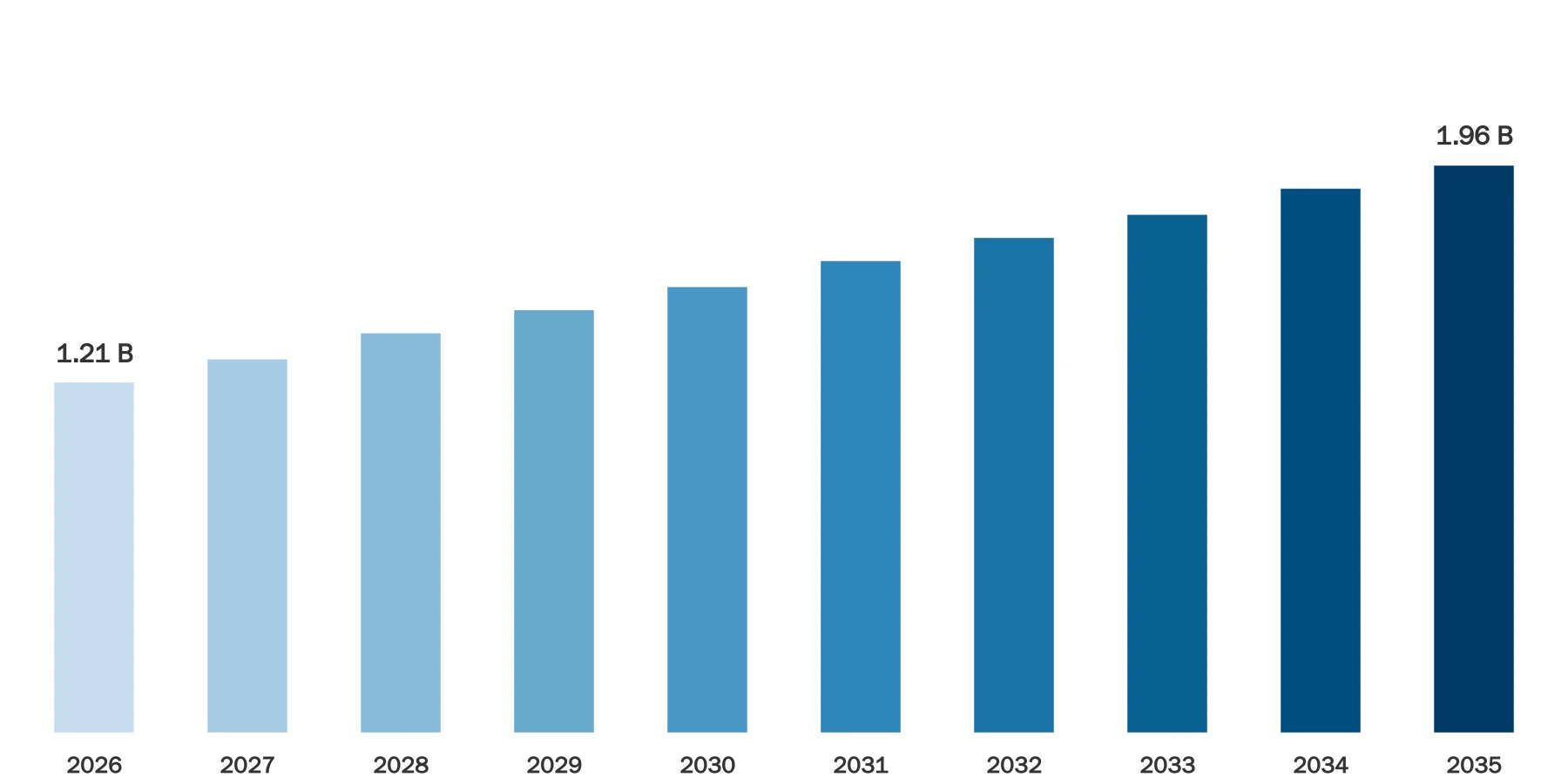
Source: Econ Market Research
The low cost and high energy density of this cutting-edge technology come from the utilization of zinc and oxygen to create electricity. Zinc-air batteries have a lot of potential uses, they can be used for anything from electric automobiles and portable devices to renewable energy storage and Electric Vehicle applications. They are a viable option for needs involving sustainable power storage because of their versatility, quantity of materials, and potential for growth. Market growth for zinc-air batteries is anticipated to accelerate the development of energy storage technologies as demand for clean energy solutions rises.
Zinc-Air Battery Dynamics
The growing use of electric vehicles, technological improvements in batteries, and the growing need for sustainable energy storage solutions are some of the factors driving the dynamics of the zinc-air battery market. When comparing these batteries to conventional lithium-ion batteries, they are less expensive, have a higher energy density, and a longer shelf life.
The fact that zinc is both readily available and reasonably priced adds to the allure of zinc-air batteries. Overcoming stability and rechargeability problems is one of the challenges. Still, current R&,D efforts are directed toward resolving these constraints, encouraging creativity, and propelling market expansion. The global shift towards renewable energy technologies is driving the growth of the zinc-air battery market overall.
Zinc-Air Battery Drivers
Sustainable Energy Demands
The market for zinc-air batteries is being driven by the need for sustainable energy as people look for more environmentally friendly power sources. Zinc-air batteries present a viable option as the focus on cutting carbon emissions and switching to renewable energy sources grows. They are being adopted in a variety of industries, including transportation, grid storage, and portable electronics, because of their capacity to store significant amounts of energy from renewable sources like solar and wind, as well as their affordability and recyclability.
Advancements in Battery Technology
By expanding the possibilities for energy storage, technological developments in batteries are driving the market for zinc-air batteries. Zinc-air batteries are becoming more and more efficient, durable, and perform better thanks to ongoing research and development. Longer cycle life, quicker charging rates, and higher energy density are being driven by innovations in manufacturing techniques, electrode designs, and electrolyte formulas. The increasing need for high-performance energy storage solutions in a variety of applications, such as renewable energy storage, electric vehicles, and portable devices, calls for these developments.
Restraints:
Rechargeability Challenges
During the recharge cycle, zinc-air batteries commonly experience problems such dendrite formation, electrolyte evaporation, and electrode degradation, which reduces cycle life and overall performance. For widespread acceptance to occur, these obstacles must be overcome, particularly for applications like electric vehicles and portable electronics that need to be charged frequently and quickly. In the field of zinc-air batteries, research and development activities continue to be heavily focused on addressing rechargeability difficulties.
Limited Energy Density for High-Power Applications
There are major limitations due to the low energy density of zinc-air batteries, especially in high-power applications. Zinc-air batteries have an advantage over other battery technologies, such as lithium-ion, in terms of cost and environmental effect, nevertheless, their energy density is lower. This constraint limits its appropriateness for uses that necessitate a high energy output in a small package, including electric cars and specific electrical gadgets. For zinc-air batteries to be used in a wider range of applications, this limitation must be removed through developments in electrode design and electrolyte optimization.
Opportunities:
Grid-Level Energy Storage Solutions
Zinc-air batteries have a large potential in grid-level energy storage systems. These batteries are ideally suited for stabilizing the electrical grid since they are economical and efficient in storing vast amounts of energy. Zinc-air batteries can help balance supply and demand, lessen dependency on fossil fuels, and more successfully integrate renewable energy sources like solar and wind into the grid by storing excess energy during times of low demand and delivering it during times of peak need. This chance highlights the critical role zinc-air batteries might play in facilitating the shift to a more robust and sustainable electricity infrastructure.
Portable Electronics and Wearables Market Expansion
The market for wearables and portable gadgets is growing, which means zinc-air batteries have a lot of potential. These batteries are perfect for powering small gadgets like fitness trackers, smartwatches, and smartphones because of their low cost, lightweight design, and high energy density. Customers looking for portable power solutions for their mobile devices find them intriguing due to their long-lasting performance and fast recharge time. Zinc-air batteries are in a good position to take a sizable market share in this growing industry as long as the demand for portable gadgets keeps rising.
Segment Overview
By Type
Based on type, the global zinc-air battery market is divided into rechargeable and non-rechargeable. The rechargeable category dominates the market with the largest revenue share in 2023. Zinc-air rechargeable batteries are made to be charged and discharged several times during their useful lives. During the charging and discharging cycles of these batteries, a reversible interaction between zinc and oxygen is used.
Because of their reusable nature, they are a good fit for devices that require frequent recharging, like electric cars, renewable energy storage systems, and some portable electronics. Zinc-air non-rechargeable batteries are designed for one-time usage. They need to be replaced after their energy reserves run out because they cannot be replenished. These batteries are frequently used in gadgets like hearing aids, where affordability and long-term dependability are valued above recycling.
By End-Use
Based on the end-use, the global zinc-air battery market is categorized into energy storage, safety lamps, hearing aids, safety lamps, Medical Devices, military devices, and others. The hearing aids category leads the global zinc-air battery market with the largest revenue share in 2023. Hearing aids frequently employ zinc-air batteries because of their high energy density and durable operation. They provide a small, light power source that can run hearing aids for extended periods of time, negating the need for regular battery replacements.
Applications for energy storage using zinc-air batteries are growing, especially in renewable energy systems. When necessary, they can release the extra energy they store from renewable energy sources like solar or wind power. Safety lamps are frequently powered by zinc-air batteries, particularly in dangerous settings like mining, construction, and firefighting. Additionally, a variety of medical gadgets, such as insulin pumps, glucose monitors, and electronic medical instruments, use zinc-air batteries.
Zinc-Air Battery Overview by Region
The global zinc-air battery market is categorized into North America, Europe, Asia-Pacific, and the Rest of the World. Asia-Pacific emerged as the leading region, capturing the largest market share in 2023. The fast urbanization, industrialization, and technological development of the region have increased demand for energy storage solutions in a variety of industries. The development of zinc-air batteries has also been aided by government programs that encourage the use of renewable energy sources and the electrification of transportation.
Significant investments in battery research and manufacturing facilities have been made in nations like China, Japan, South Korea, and India, which has further fueled industry expansion. Throughout the forecast period, North America is anticipated to post a significant CAGR. The increase in demand for energy storage solutions, the government',s backing of clean energy technology, and the amount of money invested in renewable energy projects are all contributing causes to this expansion. Moreover, the region',s extensive industrial infrastructure and excellent R&,D capabilities are propelling innovation and the commercialization of zinc-air batteries.
Zinc-Air Battery Competitive Landscape
In the global zinc-air battery market, a few major players exert significant market dominance and have established a strong regional presence. These leading companies remain committed to continuous research and development endeavors and actively engage in strategic growth initiatives, including product development, launches, joint ventures, and partnerships. By pursuing these strategies, these companies aim to strengthen their market position, expand their customer base, and capture a substantial share of the market.
Zinc-Air Battery Market Leading Companies:
Berkshire Hathaway
Duracell Inc.
Energizer Holdings Inc.
GP Batteries International Ltd.
Panasonic Energy Europe NV
Renata SA
Sony Electronics Inc.
Spectrum Brands Inc.
VARTA Microbattery GmbH.
Konnoc , and various others.
Zinc-Air Battery Recent Developments
In January 2022, Zinc Energy Solutions and Digital Energy Corporation have reached a strategic agreement for the installation of a zinc-air energy storage system patent in New York. The product offering for zinc-air batteries at Zinc Energy Solution has been improved by this strategic partnership.
Zinc-Air Battery Market Report Segmentation
Zinc-Air Battery Market Report Scope & Segmentation
| Attributes | Details |
|---|---|
Market Size (Current) | US$ 1.21 Billion in 2026 |
Market Size (Forecast) | US$ 1.96 Billion in 2035 |
Growth Rate | CAGR of 5.5% from 2026 to 2035 |
Forecast Period | 2026 – 2035 |
Base Year | 2025 |
Historical Data Available | Yes |
Regional Scope | Global |
Segments Covered | By Type
By Application
|
Frequently Asked Questions
Common questions about this report
The study period covers historical insights and forecast projections for the period 2026-2035.
About the Author
Market research expert with years of industry experience

Dipali Bhingare serves as the Market Research Director at Econ Market Research. With a focus on translating complex global economic shifts into actionable business intelligence, she oversees the strategic direction of comprehensive market studies. Her work empowers organizations to navigate volatile industries through data-driven forecasting and deep-dive competitive analysis.
Related Reports
Explore more market insights from the same category