

Sea Cucumber Market Overview
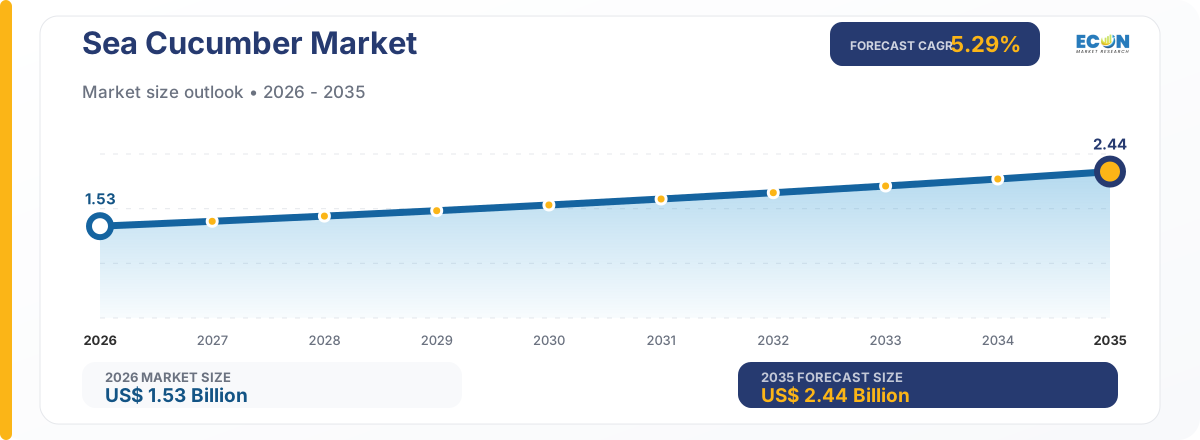
As per Econ Market Research analysis, the Global Sea Cucumber Market was recorded at US$ 1.53 Billion in 2026 and is projected to expand to US$ 2.44 Billion by 2035, registering a CAGR of 5.29% over the forecast period. The base year used is 2025.
Marine creatures known as sea cucumbers, also referred to as ",sea slugs", because of their resemblance, are found in oceans globally. These echinoderms contribute significantly to ocean ecosystems by recycling nutrients and preserving marine life balance. The high demand for sea cucumbers in Asian cultures, especially in China, has recently increased due to their nutritional and medicinal qualities. This has raised concerns about unsustainable harvesting practices and overexploitation. As a result, efforts are underway to regulate the industry and encourage responsible harvesting techniques. Despite challenges, the global sea cucumber market continues to grow, offering opportunities for sustainable development and conservation efforts to ensure the long-term viability of this valuable marine resource.
Sea Cucumber Dynamics
Due to their high demand in Asian dishes and traditional medicine, the need for sea cucumbers has increased dramatically. As a result, fishermen have ramped up harvesting, leading to excessive fishing and dwindling sea cucumber populations in some areas. This has raised concerns about the need for responsible harvesting methods and preservation measures to guarantee the long-term survival of this valuable marine resource.
Market conditions for sea cucumbers are affected by government regulations designed to prevent overfishing and protect their habitats. These regulations, such as catch limits, seasonal fishing restrictions, and designated areas where fishing is prohibited, aim to reduce overharvesting and preserve marine environments.
Additionally, economic factors such as market prices, trade patterns, and consumer preferences play a crucial role in shaping the dynamics of the sea cucumber market. Changes in these factors can impact the profitability of sea cucumber harvesting and processing operations, as well as the livelihoods of communities dependent on this industry.
Sea Cucumber Drivers
Increasing Demand for Nutritious Food
The increasing popularity of exotic and nutritious foods, especially in Asian countries, has fuelled the growth of the sea cucumber industry. Sea cucumbers are sought after due to their high protein and low fat content, as well as their abundance of vitamins and Minerals. Additionally, they are associated with health benefits such as enhanced immunity and improved skin health. This has led to a surge in demand for sea cucumbers both locally and globally, as consumers increasingly opt for diets based on seafood.
Growing Awareness of Medicinal Properties
The rising awareness of sea cucumbers', medicinal value is another significant factor. Sea cucumbers have been used in traditional Chinese medicine for centuries to alleviate conditions like joint and arthritic pain, and respiratory issues. Recent scientific studies have also highlighted their potential therapeutic qualities, including anti-inflammatory, antioxidant, and anticancer properties. This growing recognition of sea cucumbers', health benefits has increased demand in the pharmaceutical and nutraceutical sectors, creating new product lines and business opportunities.
Restraints:
Overexploitation and Environmental Concerns
Overfishing and environmental damage pose major challenges to the sea cucumber market. High demand and profitability have led to excessive harvesting, causing population declines and ecosystem disruptions. Destructive practices like bottom trawling and habitat loss harm marine environments and biodiversity. Conservationists and regulators are addressing this issue with tighter regulations and quotas to curb fishing and protect endangered species.
Regulatory Challenges and Trade Restrictions
The sea cucumber industry faces obstacles due to complicated regulations and trade constraints. International trade in sea cucumbers is regulated to promote sustainability and combat illegal fishing. These regulations can be difficult for industry participants, especially small-scale fishermen and exporters in developing countries. Import bans and certification requirements can limit market access and increase costs. Consequently, navigating regulations and ensuring compliance is challenging for businesses involved in the sea cucumber trade.
Opportunities:
Expansion of Aquaculture Practices
To meet the rising demand for sea cucumbers sustainably, it',s crucial to invest in aquaculture, the practice of farming these marine organisms. By developing sustainable farming techniques, producers can minimize their reliance on harvesting wild sea cucumbers, protecting natural populations. Aquaculture advantages include: * Controlled breeding for desired traits * Efficient resource management * Lower environmental impact compared to wild harvesting Additionally, aquaculture allows for the production of high-quality, disease-resistant sea cucumbers that meet specific market needs and preferences, creating a profitable opportunity for the industry.
Segment Overview
By Type Segment
The sea cucumber market can be segmented by type into sandfish, spiny sea cucumber, Japanese sea cucumber, and others. Sandfish, also known as Holothuria scabra, is one of the most commercially important species due to its high market demand and favorable taste and texture. Spiny sea cucumbers, characterized by their spiky exterior, are typically found in rocky coastal areas and are valued for their firm texture and rich flavor. Japanese sea cucumbers, such as Apostichopus japonicus, are highly prized in Asian cuisine for their tender flesh and subtle taste. Other species of sea cucumbers, including Isostichopus fuscus and Thelenota ananas, contribute to the diversity of the market with unique characteristics and regional variations.
By Application
In terms of applications, the sea cucumber market can be segmented into food service, food processing, medical applications, and others. Food service encompasses the direct consumption of sea cucumbers in restaurants, hotels, and catering establishments, where they are often served as delicacies in various cuisines, including Chinese, Korean, and Southeast Asian dishes. Food processing involves the preparation and preservation of sea cucumbers for retail and wholesale distribution, including drying, salting, and canning processes to extend shelf life and facilitate storage and transportation.
Medical applications refer to the use of sea cucumbers in pharmaceuticals, Nutraceuticals, and traditional medicine, where they are valued for their purported health benefits and therapeutic properties. Other applications may include cosmetics, aquaculture feed, and scientific research, showcasing the versatility and potential of sea cucumbers beyond traditional food and medicine markets.
Sea Cucumber Overview by Region
In Asia-Pacific, particularly in countries like China, Japan, and South Korea, sea cucumbers hold significant cultural and culinary importance, often being consumed as delicacies and prized for their purported health benefits. These nations dominate both production and consumption, with vast coastal regions supporting thriving fishing and aquaculture industries. In contrast, regions like North America and Europe have a smaller market presence, but interest in sea cucumbers is growing due to their rising popularity as gourmet ingredients and dietary supplements. Moreover, efforts to promote sustainable harvesting practices and conservation initiatives are gaining traction globally, with international collaborations and regulatory measures aimed at preserving sea cucumber populations and safeguarding marine ecosystems.
Sea Cucumber Market Competitive Landscape
In regions like Asia-Pacific, where demand is highest, established seafood companies dominate the market, leveraging their extensive distribution networks and brand recognition to capture a significant portion of sales. These companies often invest in research and development to improve harvesting techniques, processing technologies, and product innovations, maintaining a competitive edge in quality and efficiency. Additionally, small-scale fishermen and coastal communities play a vital role, contributing to the diversity of suppliers and offering niche products prized for their freshness and authenticity.
In recent years, the rise of sustainable aquaculture practices has led to the emergence of new players seeking to capitalize on growing demand while addressing environmental concerns. These aquaculture operations range from family-owned farms to large-scale enterprises, producing sea cucumbers through controlled breeding and cultivation methods. However, the market also faces challenges such as overexploitation, regulatory constraints, and price volatility, which require collaboration and strategic partnerships among industry stakeholders to overcome.
Sea Cucumber Market Leading Companies:
Shandong Homey Aquatic Development Co., Ltd.
Dalian Ocean Pearl Food Co., Ltd.
Guangdong Oceanstar
The Aquaculture Group
TEAM4 Trading S.A.
Kudeish Trading Company
Veli Inn Pvt Ltd
Sterimed Sdn Bhd
Bounty Harvest
Fedecoop
Sea Cucumber Report Segmentation
Sea Cucumber Market Report Scope & Segmentation
| Attributes | Details |
|---|---|
Market Size (Current) | US$ 1.53 Billion in 2026 |
Market Size (Forecast) | US$ 2.44 Billion in 2035 |
Growth Rate | CAGR of 5.29% from 2026 to 2035 |
Forecast Period | 2026 – 2035 |
Base Year | 2025 |
Historical Data Available | Yes |
Regional Scope | Global |
Segments Covered | By Type
By Application
|
Frequently Asked Questions
Common questions about this report
The study period covers historical insights and forecast projections for the period 2026-2035.
About the Author
Market research expert with years of industry experience

Related Reports
Explore more market insights from the same category