

Europe Durable Medical Equipment Market
Europe Durable Medical Equipment Market Size, Share, Trends, Growth, and Industry Analysis, By Product (Personal Mobility Devices, Bathroom Safety Devices, Monitoring and Therapeutic Devices, Medical Furniture), By End-User (Hospitals, Home Healthcare, Ambulatory Surgical Centers), Regional Analysis and Forecast Period 2026-2035
Europe Durable Medical Equipment Market Overview
As per Econ Market Research analysis, the Europe Durable Medical Equipment Market was valued at US$ 248.58 Billion in 2026 and is expected to register strong growth to US$ 493 Billion by 2035, with a CAGR of 8.1% throughout the forecast period. The base year considered is 2025.
Europe Durable Medical Equipment Market Size 2025-2035 (USD Billion)

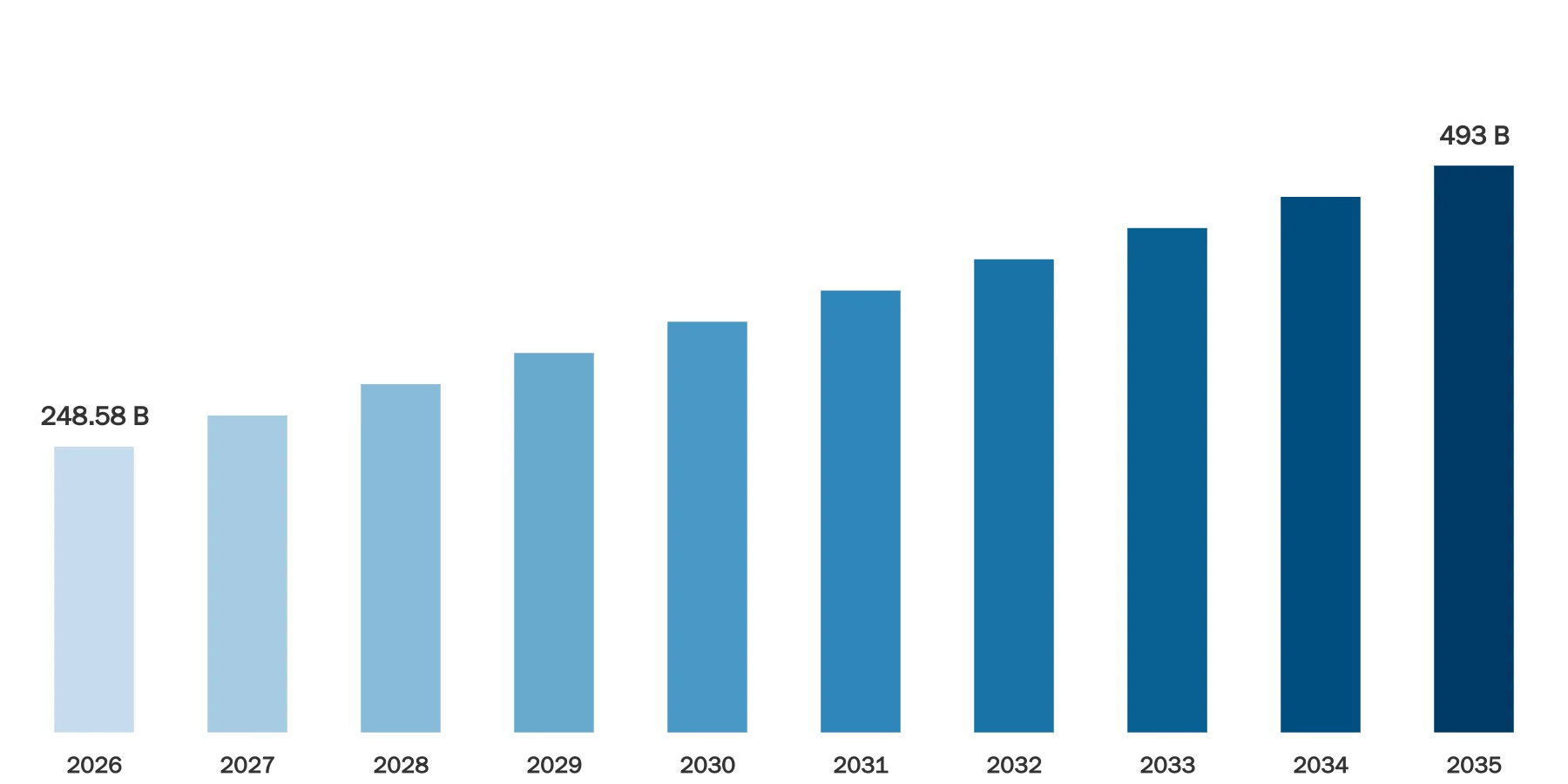
Source: Econ Market Research
The market for Durable Medical Equipment (DME) in Europe involves devices and tools designed for individuals with medical conditions or disabilities to improve their quality of life over an extended period. Examples of such equipment include wheelchairs, walkers, hospital beds, and oxygen tanks. Factors driving the demand for DME in Europe include an aging population, increasing incidence of chronic diseases, and rising healthcare expenditures. The market is characterized by strict regulatory standards and ongoing technological innovations focused on enhancing user comfort and safety.
The market for durable medical equipment (DME) in Europe includes a variety of devices that help people with medical conditions or disabilities in their everyday lives. These devices, such as crutches, canes, nebulizers, and insulin pumps, are essential for improving patient outcomes and promoting independence. Market trends are influenced by factors like an aging population and advancements in technology, which lead to more innovative and user-friendly products. Despite these positive trends, challenges like regulatory hurdles and pricing pressures continue to be significant factors in the market.
Durable Medical Equipment Dynamics
The Europe Durable Medical Equipment (DME) market is influenced by various factors. The aging population in Europe, who often need DME for mobility aid and managing chronic illnesses, drives the market. Chronic diseases like diabetes, cardiovascular disorders, and respiratory issues also contribute to the demand for DME. Technological advancements are important as well, leading to more advanced and user-friendly devices that enhance patient comfort and compliance. However, stringent regulatory standards and reimbursement challenges pose significant barriers to entry for new market players and can impact market growth.
In addition, the cost pressures in the healthcare industry, combined with limited budgets in public healthcare systems, can impact how the market operates. This can result in efforts to control costs and heightened competition among companies and suppliers. However, collaborations between industry players and healthcare providers, along with a focus on developing new products and improving efficiency, offer chances for the market to expand. The COVID-19 pandemic has also highlighted the value of durable medical equipment (DME) in enabling remote patient monitoring and telehealth services. This has led to increased use of these technologies and could potentially change how the market operates after the pandemic.
Europe Durable Medical Equipment Drivers
Aging Population
Europe',s population is getting older, leading to an increased need for Durable Medical Equipment (DME) to support elderly individuals managing age-related issues. This shift is driving market growth, as seniors require mobility aids like wheelchairs, walkers, and canes, along with other DME like hearing aids and home healthcare devices. With the growing elderly population, the demand for DME is on the rise, creating opportunities for manufacturers and suppliers to meet this expanding market segment.
Prevalence of Chronic Diseases
Chronic diseases like diabetes, heart conditions, and breathing problems are becoming more common in Europe, leading to a higher need for DME. Managing these conditions long-term requires different Medical Devices. For example, people with diabetes might need insulin pumps or glucose monitors, while those with breathing issues may require oxygen therapy equipment. The growing number of chronic diseases is increasing the demand for DME in the region, creating opportunities for market growth and advancements in healthcare technology.
Restraints:
Stringent Regulatory Standards
The DME market in Europe is governed by strict regulations from authorities like the European Medicines Agency (EMA) and national health agencies. Meeting these standards can be a lengthy and expensive process for manufacturers, hindering their ability to launch new products or grow their lines. Moreover, regulatory updates may necessitate substantial changes to operations and supply chains, increasing compliance challenges and potentially slowing down market entry for newcomers.
Reimbursement Challenges
Reimbursement problems are a major obstacle for the Durable Medical Equipment (DME) market in Europe, especially within public healthcare systems that may have limited funds or strict guidelines for funding medical equipment. Delays or refusals in reimbursement can block patients from getting access to DME, resulting in lower demand and sales for companies that make and supply these products. Additionally, dealing with pricing pressures and negotiations with payers can impact profit margins and pricing strategies, making it tougher for businesses to stay profitable in the midst of reimbursement challenges.
Opportunities:
Telehealth and Remote Patient Monitoring
The COVID-19 pandemic has accelerated the adoption of telehealth and remote patient monitoring solutions, creating new opportunities for the Europe DME market. With social distancing measures and healthcare facility restrictions in place, there has been a growing reliance on virtual healthcare services to deliver care remotely.
DME such as remote monitoring devices, Telemedicine platforms, and digital health apps have become essential tools for healthcare providers to monitor patients, deliver interventions, and manage chronic conditions from a distance. As telehealth continues to gain traction even beyond the pandemic, there is a burgeoning demand for DME that supports remote care delivery, offering convenience, accessibility, and cost-effectiveness for both patients and healthcare systems.
Segment Overview
By Product Type
The medical equipment market offers a wide range of products to address various healthcare needs. Bathroom safety equipment, such as commodes and toilet rails, is essential for individuals with mobility issues to navigate their bathrooms safely and maintain their independence in personal hygiene tasks. Medical furniture, including beds and lift chairs, is crucial for providing comfort and care to patients in healthcare facilities and home settings.
Personal mobility devices like wheelchairs and walkers improve accessibility for individuals with disabilities, allowing them to move around freely. Monitoring and therapeutic devices such as blood glucose monitors, oxygen equipment, vital sign monitors, infusion pumps, and others are essential for managing chronic conditions, monitoring patient health parameters, and delivering therapeutic interventions.
By End-User
The Durable Medical Equipment (DME) market caters to a variety of customers, including hospitals, long-term care facilities, home care providers, and others. Hospitals depend on DME to offer comprehensive patient care, using medical furniture, monitoring devices, and mobility aids to manage and rehabilitate patients. Long-term care facilities like nursing homes and rehab centre&rsquo,s need different types of DME to assist residents with chronic illnesses or disabilities, guaranteeing their comfort, safety, and overall health.
Home care providers are increasingly turning to DME to help seniors age in place and assist individuals with medical conditions at home, encouraging independence and improving quality of life. Other end-user segments, including rehabilitation facilities, specialty clinics, and outpatient centre&rsquo,s, also contribute to the demand for DME across Europe, reflecting the diverse healthcare landscape and the need for tailored solutions to address varying patient needs and care settings.
Europe Durable Medical Equipment Overview by Region
The diverse regional landscape of the Europe Durable Medical Equipment (DME) market is shaped by differences in healthcare systems, regulatory frameworks, and demographic profiles across countries. Western European nations like Germany, France, and the United Kingdom have strong healthcare infrastructures and higher healthcare spending, leading to increased demand for DME.
These countries focus on advanced medical technologies and new solutions, opening up possibilities for market expansion and acceptance of cutting-edge DME products. On the other hand, Eastern European countries may encounter difficulties in developing healthcare infrastructure and dealing with financial limitations, affecting the availability and use of DME. However, initiatives aimed at improving healthcare access and modernizing healthcare systems present opportunities for market expansion in these regions.
Europe Durable Medical Equipment Market Competitive Landscape
Key players such as Invacare Corporation, Sunrise Medical, Stryker Corporation, and Hill-Rom Holdings, Inc. dominate the market with their broad product portfolios, extensive distribution networks, and strong brand recognition. These companies focus on product innovation, strategic partnerships, and mergers and acquisitions to maintain their market position and expand their presence in key geographical regions.
Additionally, regional players and niche suppliers play a significant role in catering to specific market segments or addressing local market needs, offering customized solutions and competitive pricing. The competitive landscape is further influenced by regulatory dynamics, reimbursement policies, and technological advancements, driving companies to adapt and differentiate their offerings to meet evolving customer demands and market trends.
Europe Durable Medical Equipment Market Leading Companies:
Invacare Corporation
Medline Industries, Inc.
Stryker Corporation
Hill-Rom Holdings, Inc.
Sunrise Medical (US) LLC
Drive DeVilbiss Healthcare
Arjo, Inc.
GF Health Products, Inc.
Permobil AB
Pride Mobility Products Corporation
Ottobock SE &, Co. KGaA
Hoveround Corporation
Europe Durable Medical Equipment Recent Developments
In August 2021, Invacare Corporation introduced the Invacare®, AVIVA®, STORM RX&trade, power Wheelchair, expanding its product range in rear-wheel drive power mobility.
In January 2024, Medline launched the OptiView Transparent Dressing with HydroCore technology, aiming to improve wound care efficiency and elevate treatment standards, resulting in enhanced healing outcomes and cost savings.
In October 2023, Home Care Delivered, Inc., acquired Medline Industries, LP',s DMEPOS supplier business unit, to strengthen its market presence, expand geographical reach, and deepen customer relationships, anticipating increased adoption of durable medical equipment.
Europe Durable Medical Equipment Report Segmentation
Europe Durable Medical Equipment Market Report Scope & Segmentation
| Attributes | Details |
|---|---|
Market Size (Current) | US$ 248.58 Billion in 2026 |
Market Size (Forecast) | US$ 493 Billion in 2035 |
Growth Rate | CAGR of 8.1% from 2026 to 2035 |
Forecast Period | 2026 – 2035 |
Base Year | 2025 |
Historical Data Available | Yes |
Regional Scope | Global |
Segments Covered | By Product
By End-User
|
Frequently Asked Questions
Common questions about this report
The study period covers historical insights and forecast projections for the period 2026-2035.
About the Author
Market research expert with years of industry experience

Dipali Bhingare serves as the Market Research Director at Econ Market Research. With a focus on translating complex global economic shifts into actionable business intelligence, she oversees the strategic direction of comprehensive market studies. Her work empowers organizations to navigate volatile industries through data-driven forecasting and deep-dive competitive analysis.
Related Reports
Explore more market insights from the same category