Pulmonary Drug Delivery Systems Market Overview
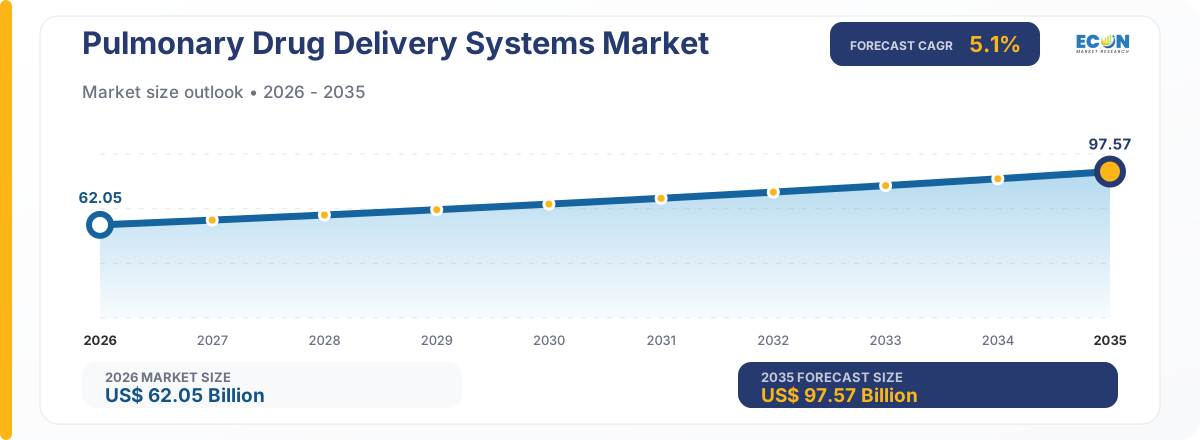
As per Econ Market Research analysis, the Global Pulmonary Drug Delivery Systems Market reached a valuation of US$ 62.05 Billion in 2026 and is anticipated to grow to US$ 97.57 Billion by 2035, at a CAGR of 5.1% during the forecast timeline 2026–2035. The base year considered is 2025.
Global Pulmonary Drug delivery systems market size was USD 53.26 billion in 2023 and the market is projected to touch USD 92.04 billion by 2032, at a CAGR of 6.27% during the forecast period.
Pulmonary Drug Delivery systems include inhalers, nebulizers, and dry powder inhalers, among others. The market is being driven by the rising frequency of respiratory disorders, increased need for targeted drug administration, and technological improvements that enable more effective and convenient treatments. Furthermore, factors such as increased awareness of respiratory health and the development of novel medications help to drive market expansion.
Pharmaceutical firms, medical device makers, and healthcare providers are among the market',s key participants, all of which are investing heavily in research and development to produce enhanced pulmonary drug delivery systems. However, constraints such as regulatory hurdles and concerns regarding the safety and efficacy of these systems may slow market expansion to some extent.
Pulmonary Drug Delivery Systems Dynamics
The growing occurrence of respiratory disorders around the world, caused by factors such as air pollution, smoking, and aging populations, fuels the desire for effective treatment alternatives. Furthermore, advances in medication formulation and delivery technology have resulted in the development of more effective pulmonary drug delivery systems, which improve patient convenience and treatment outcomes. Furthermore, the increasing adoption of personalized medicine approaches and the expanding focus on targeted drug delivery contribute to market expansion, as these systems offer precision dosing and increased therapeutic efficacy while avoiding systemic side effects.
Furthermore, the industry is defined by fierce competition among pharmaceutical companies and medical device makers, resulting in ongoing innovation and product development activities. Strategic collaborations, partnerships, and mergers and acquisitions are frequent methods used by significant organizations to increase their market position and product portfolios. Regulatory issues can have a substantial impact on the market environment, with strict approval processes and quality requirements impacting product development and market entry. Despite these growth factors, market operators must still consider reimbursement constraints, pricing pressures, and questions about the safety and efficacy of pulmonary drug delivery systems.
Pulmonary Drug Delivery Systems Drivers
- Rising Prevalence of Respiratory Diseases
The increasing incidence and prevalence of respiratory diseases, such as asthma, COPD, and cystic fibrosis, are major drivers of the pulmonary drug delivery systems market. Factors such as urbanization, air pollution, smoking habits, and an aging population contribute to the growing burden of respiratory ailments globally. This surge in respiratory conditions creates a significant demand for effective treatment options, driving the adoption of pulmonary drug delivery systems. Moreover, the COVID-19 pandemic has underscored the importance of respiratory health, further highlighting the need for advanced drug delivery technologies to manage respiratory diseases effectively.
- Technological Advancements in Drug Delivery Systems
Ongoing developments in drug formulation and delivery technologies are another important driver of the pulmonary drug delivery systems market. Smart inhalers, biodegradable nanoparticles, and nebulizer systems that are more efficient and convenient for patients are changing the way respiratory treatments are delivered. These technical developments provide benefits such as greater drug targeting, fewer side effects, and higher treatment adherence, which drives demand for pulmonary drug delivery systems. Furthermore, the integration of digital health solutions, such as connected inhaler devices and mobile applications for remote monitoring, adds to the utility and attractiveness of these systems, particularly in chronic illness management.
Pulmonary Drug Delivery Systems Restraints:
- Regulatory Hurdles and Compliance Challenges
Regulatory hurdles and compliance requirements pose significant restraints to the pulmonary drug delivery systems market. The stringent regulatory approval processes for new devices and formulations, including clinical trials and quality assurance standards, can significantly delay product launches and increase development costs. Moreover, variations in regulatory requirements across different regions and countries further complicate market entry and expansion efforts for manufacturers. Ensuring compliance with evolving regulations while maintaining product quality and safety standards remains a persistent challenge for industry players, impacting market growth and innovation.
- Concerns Regarding Safety and Efficacy
Despite technological developments, concerns regarding the safety and efficacy of pulmonary medication delivery systems continue to limit industry expansion. Issues such as device misuse, inadequate training of healthcare providers and patients, and variability in medication deposition within the lungs can all have an impact on treatment outcomes and satisfaction.
Furthermore, worries about the long-term consequences of inhaled drugs, particularly in vulnerable groups such as children and the elderly, have impacted adoption rates. Addressing these safety and efficacy issues through robust clinical research, real-world evidence creation, and patient education programs is vital for increasing confidence in pulmonary drug delivery systems and driving industry expansion.
Pulmonary Drug Delivery Systems Opportunities:
- Personalized Medicine and Targeted Therapies
The trend to customized treatment and targeted therapies presents substantial prospects for the pulmonary drug delivery systems market. Advances in genetics, biomarker discovery, and pharmacogenomics allow healthcare professionals to personalize treatment regimens to unique patient features, improving therapeutic success while minimizing side effects. Pulmonary drug delivery systems provide a platform for delivering tailored medicines directly to the site of action in the lungs, increasing therapeutic efficacy while reducing systemic exposure. Innovative inhalation formulations, such as biologics and gene treatments, have the potential to treat a wide range of respiratory disorders and drive market expansion in the personalized medicine era.
Segment Overview
- By Indication
The indication segment categorizes pulmonary medication delivery systems depending on the specific respiratory disorders they are intended to treat. Common indications include COPD, asthma, cystic fibrosis, allergic rhinitis, and other respiratory illnesses. Each indication has distinct obstacles in drug administration and maintenance, prompting the development of specific inhalation therapies suited to the needs of patients with various respiratory diseases.
COPD and asthma, for example, are characterized by airflow restriction and inflammation, necessitating the use of bronchodilators and anti-inflammatory drugs administered via inhalation devices to relieve symptoms and enhance lung function. Similarly, cystic fibrosis needs particular treatments to address mucus clearance and avoid respiratory infections, emphasizing the necessity of customized drug delivery systems in controlling this complicated genetic illness. By segmenting pulmonary drug delivery systems by indication, healthcare providers can optimize treatment strategies and improve patient outcomes through personalized therapy approaches.
- By Product
Product segmentation classifies pulmonary drug delivery systems into categories based on the type of inhalation device used to provide drugs. Dry powder inhalers (DPIs), nebulizers, metered dosage inhalers (MDIs), and attachments like spacers and chambers are all common goods. Each product category has distinct advantages in terms of medicine administration efficiency, portability, and use, catering to the different demands and preferences of patients with respiratory disorders.
DPIs, for example, are recommended because to their breath-actuated drug delivery mechanism and compact size, which make them ideal for self-administration by COPD and asthma patients. Nebulizers, on the other hand, are useful for delivering high dosages of medication to patients with severe respiratory distress or who cannot properly coordinate breathing movements.
MDIs offer convenience and dose consistency through pressurized canisters, making them popular for delivering rescue medications in acute asthma attacks. By segmenting pulmonary drug delivery systems by product type, healthcare providers can tailor treatment regimens to individual patient needs, ensuring optimal drug efficacy and patient adherence.
- By Distribution Channel
Segmentation by distribution channel categorizes pulmonary drug delivery systems according to the channels via which patients obtain drugs. Common distribution routes include retail pharmacies, hospital pharmacies, and e-commerce platforms. Each distribution channel serves different patient populations and provides diverse benefits in terms of accessibility, convenience, and affordability.
Retail pharmacies provide consumers a convenient way to fill prescriptions and receive medications close to home while also receiving tailored counseling and support from pharmacists. Hospital pharmacies play an important role in supplying specialized pharmaceuticals and Medical Devices to inpatients and outpatients, guaranteeing continuity of care and adherence to treatment plans. E-commerce platforms provide the convenience of online ordering and home delivery, which is especially useful for patients with limited mobility or those living in remote places.
Pulmonary Drug Delivery Systems Overview by Region
North America dominates the market, owing to high healthcare spending, active research and development efforts, and a large patient population affected by respiratory disorders such as COPD and asthma. Europe follows closely, with advanced healthcare systems and government laws that encourage the use of novel pulmonary medication delivery methods.
The Asia Pacific region is expected to grow significantly, driven by greater respiratory health awareness, increased healthcare investment, and expanded access to medical services in emerging economies such as China and India. Latin America, the Middle East, and Africa are also seeing an increase in demand for pulmonary drug delivery systems, driven by improved healthcare infrastructure and rising disease burden. However, challenges such as limited access to healthcare services and economic constraints may hinder market growth in these regions.
Pulmonary Drug Delivery Systems Market Competitive Landscape
Pharmaceutical companies such as GlaxoSmithKline, AstraZeneca, and Novartis dominate the market with their diverse portfolios of inhalation therapies for respiratory diseases. These companies invest significantly in research and development to develop novel formulations and delivery technologies, enhancing treatment efficacy and patient convenience.
Medical device manufacturers such as Philips Respironics, Teva Pharmaceutical Industries, and 3M Healthcare also play an important role by offering a variety of inhalation devices such as nebulizers, metered dose inhalers, and dry powder inhalers. Furthermore, smaller firms and start-ups are entering the market with novel solutions that focus on specialty therapeutic areas or use digital health technology to improve medication adherence and patient monitoring.
Strategic collaborations, partnerships, and mergers and acquisitions are popular methods used by market participants to strengthen product portfolios, broaden market reach, and achieve a competitive advantage. Market participants continue to prioritize regulatory compliance, product quality, and safety, especially as standards and guidelines governing pulmonary drug delivery systems evolve.
Pulmonary Drug Delivery Systems Market Leading Companies:
- Omron Healthcare, Inc.
- GlaxoSmithKline PLC
- BoehringerIngelheim GmbH
- Philips Respironics
- AstraZeneca PLC
- PARI GmbH
- F. Hoffmann-La Roche AG
- 3M Healthcare
- TevaPharmaceutical Industries Ltd.
- Gilbert Technologies
Pulmonary Drug Delivery Systems Report Segmentation
Pulmonary Drug Delivery Systems Market Report Scope & Segmentation
| Attributes | Details |
|---|---|
| Market Size (Current)Current market valuation | US$ 62.05 Billion in 2026 |
| Market Size (Forecast)Projected market valuation | US$ 97.57 Billion in 2035 |
| Growth RateCompound Annual Growth Rate | CAGR of 5.1% from 2026 to 2035 |
| Forecast PeriodAnalysis timeline | 2026 – 2035 |
| Base YearReference year for analysis | 2025 |
| Historical Data AvailablePast market data availability | Yes |
| Regional ScopeGeographical coverage | Global |
| Segments CoveredMarket segments analyzed | By Product
By Application
By End User
|
Frequently Asked Questions
Common questions about this report
The study period covers historical insights and forecast projections for the period 2026-2035.
About the Author
Market research expert with years of industry experience

Dipali Bhingare serves as the Market Research Director at Econ Market Research. With a focus on translating complex global economic shifts into actionable business intelligence, she oversees the strategic direction of comprehensive market studies. Her work empowers organizations to navigate volatile industries through data-driven forecasting and deep-dive competitive analysis.