

Ophthalmic Chair Unit Market
Ophthalmic Chair Unit Market Size, Share, Trends, Growth, and Industry Analysis, By Product Type (Automatic Examination Chairs, Manual Examination Chairs), By End-User (Hospitals, Ophthalmic Clinics, Ambulatory Surgical Centers), Regional Analysis and Forecast Period 2026-2035
Market Overview
As per Econ Market Research analysis, the Global Ophthalmic Chair Unit Market accounted for US$ 8.67 Billion in 2026 and is expected to surpass US$ 11.48 Billion by 2035, witnessing a CAGR of 3.2% throughout 2026–2035. The analysis is based on 2025 as the base year.
Ophthalmic Chair Unit Market Size 2025-2035 (USD Billion)

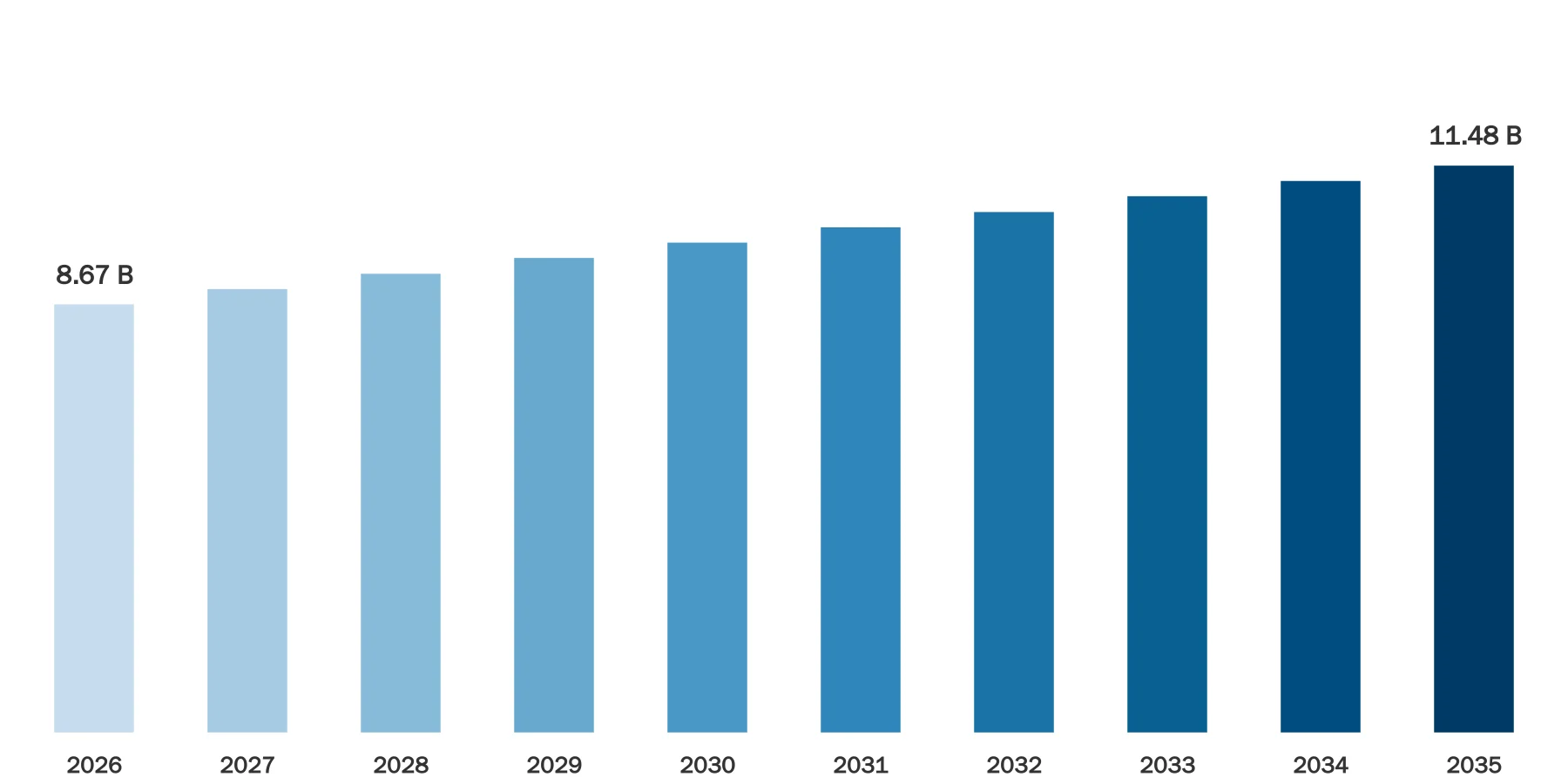
Source: Econ Market Research
The Ophthalmic Chair chairs are made to offer maximum comfort and support to patients during eye exams and treatments. They come with adjustable positioning features and ergonomic designs to cater to different procedures and patient requirements. The market includes a variety of products such as manual and motorized chair units, each with different levels of sophistication and functions.
In the past few years, the Global Ophthalmic Chair Unit market has been experiencing consistent growth as people become more aware of the importance of eye health and the increasing number of eye disorders around the world. Advancements in chair design, increased investments in healthcare facilities, and the growing need for effective eye care services are all contributing to the expansion of the market. Moreover, the aging population and the rising cases of chronic eye ailments like cataracts and glaucoma are also driving the demand for ophthalmic chair units.
Ophthalmic Chair Unit Dynamics
The Global Ophthalmic Chair Unit market is driven by various factors. One key factor is the rising demand for advanced eye care services due to increased awareness about eye health, a growing elderly population, and the high prevalence of eye disorders worldwide. This demand creates the necessity for ophthalmic chair units that provide better comfort, functionality, and efficiency in eye examinations and treatments. Furthermore, innovations in chair design, including electronic controls, adjustability, and ergonomic enhancements, enhance the patient experience and clinical results, leading to market growth.
In the ophthalmic chair market, there are challenges that could affect how things work. A big problem is the high cost of buying ophthalmic chairs, especially the fancy ones with all the latest features. This makes it hard for small healthcare facilities and clinics with limited money to get in the game. Also, following regulations and meeting quality standards is another tough task for companies selling these chairs. Strict regulations controlling the production, distribution, and use of medical equipment, such as ophthalmic chair units, mandate that companies follow stringent rules, undergo testing and certification, and stay current with changing regulations. Successfully managing these obstacles and taking advantage of growth prospects will be essential for stakeholders navigating the ever-changing Global Ophthalmic Chair Unit market.
Ophthalmic Chair Unit Drivers
Increasing Demand for Advanced Eye Care Services
There is a rising understanding of the significance of keeping our eyes healthy, particularly with the world population getting older. This has LED to an increased need for more advanced eye care services. As healthcare facilities work to improve their equipment to better serve patients, the market for ophthalmic chair units is seeing a boost in demand. Patients now expect a higher level of comfort and efficiency during their eye exams and treatments, leading to an increased adoption of ophthalmic chair units with modern features like electronic controls, adjustable settings, and ergonomic designs.
Technological Advancements in Chair Design
Advancements in ophthalmic chair design are key to the growth of the market as they enhance the patient experience and improve clinical outcomes. Manufacturers are consistently introducing new features to make ophthalmic chairs more efficient and versatile. For instance, electronic controls enable precise positioning adjustments, while ergonomic improvements ensure patient comfort during long procedures. These technological upgrades meet the changing needs of healthcare providers and enhance the efficiency and effectiveness of eye care services, leading to increased use of ophthalmic chairs in healthcare facilities.
Restraints:
High Initial Investment Costs
An obstacle for the ophthalmic chair unit market is the high cost of purchasing advanced chair models, making it difficult for smaller clinics and independent practitioners to afford them. This can hinder market growth in regions with limited healthcare budgets or reimbursement challenges.
Regulatory Compliance and Quality Standards
Manufacturers and suppliers in the ophthalmic chair unit market face challenges due to strict regulations and quality standards. Complying with rules on manufacturing, distributing, and using medical equipment demands resources and expertise. Meeting standards, obtaining certifications, and keeping up with changing regulations can complicate and increase costs of product development and market entry, potentially impeding market growth.
Opportunities:
Rising Focus on Teleophthalmology
The rise of teleophthalmology is opening up new possibilities for the market of ophthalmic chair units. Telemedicine tools are making it easier for remote consultations and diagnostic tests to take place, leading to a need for portable and advanced chair units that can be used in telehealth settings. Manufacturers can take advantage of this trend by creating small, wireless, and easy-to-use chair units designed specifically for teleophthalmology, thus reaching a wider market and meeting the increasing demand for remote eye care services.
Segment Overview
By Type
By type ophthalmic chair unit is segmented into two main types: Manual Examination Chairs and Automatic Examination Chairs. Manual Examination Chairs are usually operated by healthcare professionals using manual controls to adjust things like height and recline. They are more budget-friendly and are great for basic eye exams and simple procedures. Automatic Examination Chairs, on the other hand, have electronic controls that allow for more precise positioning adjustments at the touch of a button. These chairs offer enhanced convenience, accuracy, and patient comfort during complex eye examinations and procedures, making them ideal for advanced ophthalmic clinics and hospitals.
By Application
Ophthalmic Clinics, for example, rely on these chairs for thorough eye exams, vision tests, and diagnostics. Hospitals also incorporate ophthalmic chair units into their ophthalmology departments to deliver various eye care services, from surgeries to treatments for eye issues. Moreover, these chairs are utilized in settings like ambulatory surgical centers, specialty eye care centers, and academic institutions providing ophthalmology services. These settings require versatile and reliable chair units to cater to diverse patient needs and procedural requirements, contributing to the overall demand for ophthalmic chair units in the market.
Ophthalmic Chair Unit Overview by Region
The market for ophthalmic chair units varies regionally in terms of demand and usage across different parts of the world. North America has a strong presence in the market due to its advanced healthcare facilities, high healthcare spending, and the presence of top manufacturers and suppliers. Europe is also a significant player, with rising rates of eye disorders, government efforts to enhance eye care, and advancements in ophthalmic technology.
The Asia Pacific region is seeing an increase in market potential due to the rise in healthcare investments, greater awareness of eye health, and improved access to eye care services in countries such as China and India. Latin America and the Middle East &, Africa also offer promising growth opportunities, with improvements in healthcare infrastructure, higher disposable incomes, and a growing focus on addressing disparities in eye health. However, economic challenges, regulatory issues, and limited access to advanced healthcare facilities in certain areas may impede market growth in these regions.
Ophthalmic Chair Unit Market Competitive Landscape
Key players in the market include major healthcare equipment manufacturers such as Topcon Corporation, Haag-Streit AG, NIDEK CO., LTD., and Carl Zeiss Meditec AG. These companies focus on developing technologically advanced chair units with features like electronic controls, ergonomic designs, and multifunctional capabilities to cater to the evolving needs of healthcare professionals and patients.
Additionally, partnerships and collaborations with healthcare institutions, distributors, and key opinion leaders enable market players to expand their presence and strengthen their distribution networks globally. The competitive landscape also includes a significant presence of regional players and emerging start-ups, particularly in developing regions, contributing to market competitiveness and innovation. Overall, intense competition among key players and the continuous quest for technological advancements drive the evolution of the ophthalmic chair unit market, fostering innovation and enhancing the quality of eye care services worldwide.
Ophthalmic Chair Unit Market Leading Companies:
Topcon Corporation
Haag-Streit AG
NIDEK CO., LTD.
Carl Zeiss Meditec AG
Reichert Technologies
Luneau Technology Group
Medical Experts Group
US Ophthalmic
Frastema
Appasamy Associates
TAKAGI Ophthalmic Instruments Europe Ltd.
Shanghai Yanke Instrument Co., Ltd.
Bon Optic
Moffatt Bros., Inc.
EyeKon Medical
Ophthalmic Chair Unit Report Segmentation
Ophthalmic Chair Unit Market Report Scope & Segmentation
| Attributes | Details |
|---|---|
Market Size (Current) | US$ 8.67 Billion in 2026 |
Market Size (Forecast) | US$ 11.48 Billion in 2035 |
Growth Rate | CAGR of 3.2% from 2026 to 2035 |
Forecast Period | 2026 – 2035 |
Base Year | 2025 |
Historical Data Available | Yes |
Regional Scope | Global |
Segments Covered | By Product Type
By End-User
|
Frequently Asked Questions
Common questions about this report
The study period covers historical insights and forecast projections for the period 2026-2035.
About the Author
Market research expert with years of industry experience

Dipali Bhingare serves as the Market Research Director at Econ Market Research. With a focus on translating complex global economic shifts into actionable business intelligence, she oversees the strategic direction of comprehensive market studies. Her work empowers organizations to navigate volatile industries through data-driven forecasting and deep-dive competitive analysis.
Related Reports
Explore more market insights from the same category