Three-phase Energy Storage Inverter Market Overview
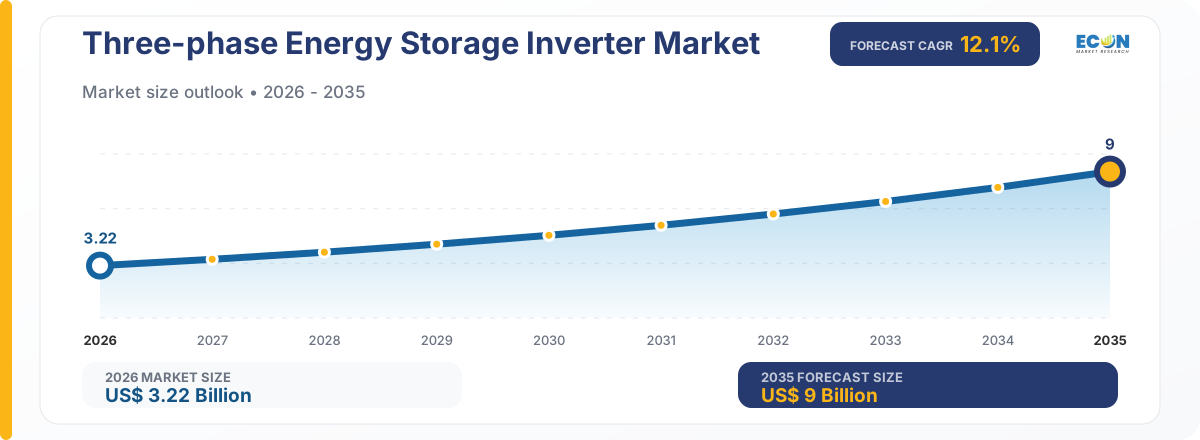
As per Econ Market Research analysis, the Global Three-phase Energy Storage Inverter Market was valued at US$ 3.22 Billion in 2026 and is expected to reach US$ 9 Billion by 2035, registering a CAGR of 12.1% during the forecast period 2026–2035. The base year considered is 2025.
The market for three-phase energy storage inverters has expanded significantly as a result of the rising need for effective energy management strategies. To provide stability and dependability, these inverters are essential to the integration of renewable energy sources, such as solar and wind power, into current systems. They are essential to contemporary energy systems because of their capacity to effectively control the flow of energy, store excess power, and act as a backup during grid failures. Technological developments have increased scalability, reduced prices, and improved performance, all of which have fueled market growth. Three-phase energy storage inverter demand is predicted to rise further due to growing environmental concerns and the drive for sustainable energy alternatives.
Three-phase Energy Storage Inverter Dynamics
Demand for these inverters is rising as more people turn to renewable energy sources like wind and solar power to control their variable energy generation. Growth in the market is being driven by regulatory policies that support the deployment of energy storage and developments in battery technology. Initiatives to modernize the grid and the demand for dependable backup power options are also driving the market ahead. Potential obstacles include, however, the rivalry from competing technologies, grid integration problems, and high starting prices. All things considered, the market is distinguished by quick innovation, changing laws, and fluctuating customer tastes.
Three-phase Energy Storage Inverter Drivers
Renewable Energy Integration
The market for three-phase energy storage inverters is driven by renewable energy integration, which makes it easier to integrate variable renewable energy sources like wind and solar electricity into current systems. With the help of these inverters, variable energy generation may be managed effectively, improving power flow and grid stability. The need for renewable energy integration solutions is rising as the clean energy transition and carbon emission reduction become more important. The significance of three-phase energy storage inverters in facilitating the extensive implementation of sustainable energy practices is highlighted by this driving.
Increasing Demand for Backup Power Solutions
The three-phase energy storage inverter market is driven by consumers', growing need for backup power solutions in the event of grid outages or fluctuations. When backup electricity is required, these inverters store extra energy from renewable sources or off-peak hours. The need for robust backup power solutions is growing as worries about grid stability and the frequency of extreme weather occurrences increase. This requirement is met by three-phase energy storage inverters, whose widespread acceptance is fueled by their ability to provide a steady supply of electricity.
Restraints:
Many consumers and organizations may find the initial capital outlay for buying and installing these inverters to be expensive, particularly in light of the conflicting budget priorities and unclear returns on investment. Furthermore, even if the cost of energy storage systems has been declining over time, market penetration is still hindered and the widespread adoption of these solutions is delayed by the perceived financial barrier.
Grid Integration Challenges
Grid Integration Issues pose a significant barrier to the market for three-phase energy storage inverters, making it difficult to integrate these devices with the current electrical networks. Significant obstacles include grid infrastructure limits, regulatory complexity, and compatibility concerns. It takes considerable effort and resources to ensure interoperability with different grid configurations and compliance with different regulatory requirements. Renewable energy sources are also sporadic, which complicates grid management. Collaboration amongst stakeholders is necessary to overcome these obstacles, yet market expansion and the application of energy storage technologies are hampered by grid integration delays and uncertainties.
Opportunities:
Microgrid and Off-grid Applications
With its decentralized and dependable power solutions, microgrid and off-grid applications provide a substantial opportunity in the three-phase energy storage inverter market. Communities, isolated locations, and industrial sites can attain sustainability, resilience, and energy independence with the help of these applications. In order to provide effective power distribution and use inside microgrids and off-grid systems, three-phase energy storage inverters are essential. The market is expected to rise as a result of the growing emphasis on energy security and rural electrification, which will increase demand for these applications.
Energy Management Systems Integration
Within the three-phase energy storage inverter industry, energy management systems integration offers a potential prospect through smooth coordination and energy usage optimization. Grid stability is improved, renewable energy use is maximized, and operating costs are decreased when energy storage inverters are integrated with management systems.
Improved efficiency and dependability of energy systems are the result of this integration',s capacity to support real-time monitoring, control, and predictive maintenance. Demand for integrated energy management systems is anticipated to soar, propelling market expansion, as utilities and companies place a higher priority on sustainability and energy efficiency.
Segment Overview
By Type
Based on type, the global three-phase energy storage inverter market is divided into above 30KW, 12-30KW, 8-12KW, and below 8KW. The above 30KW category dominates the market with the largest revenue share in 2023. Large-scale industrial and commercial applications are usually served by this category. Utility-scale energy storage projects, huge industrial sites, and commercial buildings frequently employ these inverters since they are made to withstand enormous power loads.
The Medium-sized business and industrial installations fall under the 12-30KW class. Application areas for these inverters include bigger residential complexes, small to medium-sized commercial buildings, and small to medium-sized industrial operations. Small to medium-sized commercial buildings, small industrial facilities, and bigger residential properties are the target market for inverters in the 8&ndash,12 KW sector. They are flexible for a range of applications because they provide a balance between scalability and power capacity.
By Application
Based on the application, the global three-phase energy storage inverter market is categorized into utility, industrial and commercial, residential. Utility businesses in this market use three-phase energy storage inverters for large-scale energy storage projects. Managing peak demand, supplying grid stabilization services, and integrating renewable energy sources into the system are common tasks for these projects.
In many industrial and commercial contexts, including as factories, warehouses, office buildings, and shopping malls, three-phase energy storage inverters are used. Three-phase energy storage inverters are used in small-scale residential developments and homes in the residential market. Usually used in conjunction with solar Photovoltaic (PV) systems, these inverters store excess Solar Energy for use in times of poor sunlight or high demand for electricity.
Three-phase Energy Storage Inverter Overview by Region
The global three-phase energy storage inverter market is categorized into North America, Europe, Asia-Pacific, and the Rest of the World. Asia-Pacific emerged as the leading region, capturing the largest market share in 2023. Energy demand has increased as a result of rapid industrialization and urbanization, especially in nations like China, India, and Japan. Furthermore, industry expansion has been fueled by government policies that are supportive of grid modernization projects and the adoption of renewable energy. The development of energy storage systems is also being fueled by rising environmental awareness and increasing expenditures in renewable energy infrastructure.
Asia-Pacific is still in the lead when it comes to influencing the future of the three-phase energy storage inverter market because of its enormous market potential, technical advancements, and advantageous regulatory framework. This forecast is predicated on a number of variables, such as the region',s concentration on the adoption of renewable energy, favorable legislative environments, and rising investments in grid modernization projects. The need for energy storage technologies is also growing in North America due to worries about sustainability, resilience, and energy security. North America',s energy storage market is expected to increase significantly in the next years due to a developed ecosystem, technological advancements, and rising public awareness of the advantages of energy storage.
Three-phase Energy Storage Inverter Competitive Landscape
In the global three-phase energy storage inverter market, a few major players exert significant market dominance and have established a strong regional presence. These leading companies remain committed to continuous research and development endeavors and actively engage in strategic growth initiatives, including product development, launches, joint ventures, and partnerships. By pursuing these strategies, these companies aim to strengthen their market position, expand their customer base, and capture a substantial share of the market.
Three-phase Energy Storage Inverter Market Leading Companies:
Dynapower
SMA
Sungrow
SolarEdge
EPC Power
Sinexcel
SolaX Power
GoodWe
Ginlong
Growatt
KOSTAL
SOFARSOLAR, and various others.
Three-phase Energy Storage Inverter Recent Developments
In December 2023, GivEnergy introduces a new range of energy storage in response to the increasing need for three-phase power. GivEnergy has announced the introduction of a new three-phase battery storage technology in response to changes in the UK power landscape. GivEnergy hopes to accelerate home energy efficiency while assisting clients in future-proofing their energy independence with this three-phase line.
Three-phase Energy Storage Inverter Market Report Segmentation
Three-phase Energy Storage Inverter Market Report Scope & Segmentation
| Attributes | Details |
|---|---|
| Market Size (Current)Current market valuation | US$ 3.22 Billion in 2026 |
| Market Size (Forecast)Projected market valuation | US$ 9 Billion in 2035 |
| Growth RateCompound Annual Growth Rate | CAGR of 12.1% from 2026 to 2035 |
| Forecast PeriodAnalysis timeline | 2026 – 2035 |
| Base YearReference year for analysis | 2025 |
| Historical Data AvailablePast market data availability | Yes |
| Regional ScopeGeographical coverage | Global |
| Segments CoveredMarket segments analyzed | By Power Rating
By Application
|
Frequently Asked Questions
Common questions about this report
The study period covers historical insights and forecast projections for the period 2026-2035.
About the Author
Market research expert with years of industry experience