

Wind Power Generation Systems Market
Wind Power Generation Systems Market Size, Share, Trends, Growth, and Industry Analysis, By Component (Turbine, Tower, Rotor Blades, Gearbox, Generator, Others), By Application (Onshore, Offshore), Regional Analysis and Forecast Period 2026-2035
Wind Power Generation Systems Market Overview
As per Econ Market Research analysis, the Global Wind Power Generation Systems Market valuation stood at US$ 192.09 Billion in 2026 and is expected to reach US$ 336.15 Billion by 2035, growing at a steady CAGR of 6.4% from 2026 to 2035. 2025 serves as the base year.
Wind Power Generation Systems Market Size 2025-2035 (USD Billion)

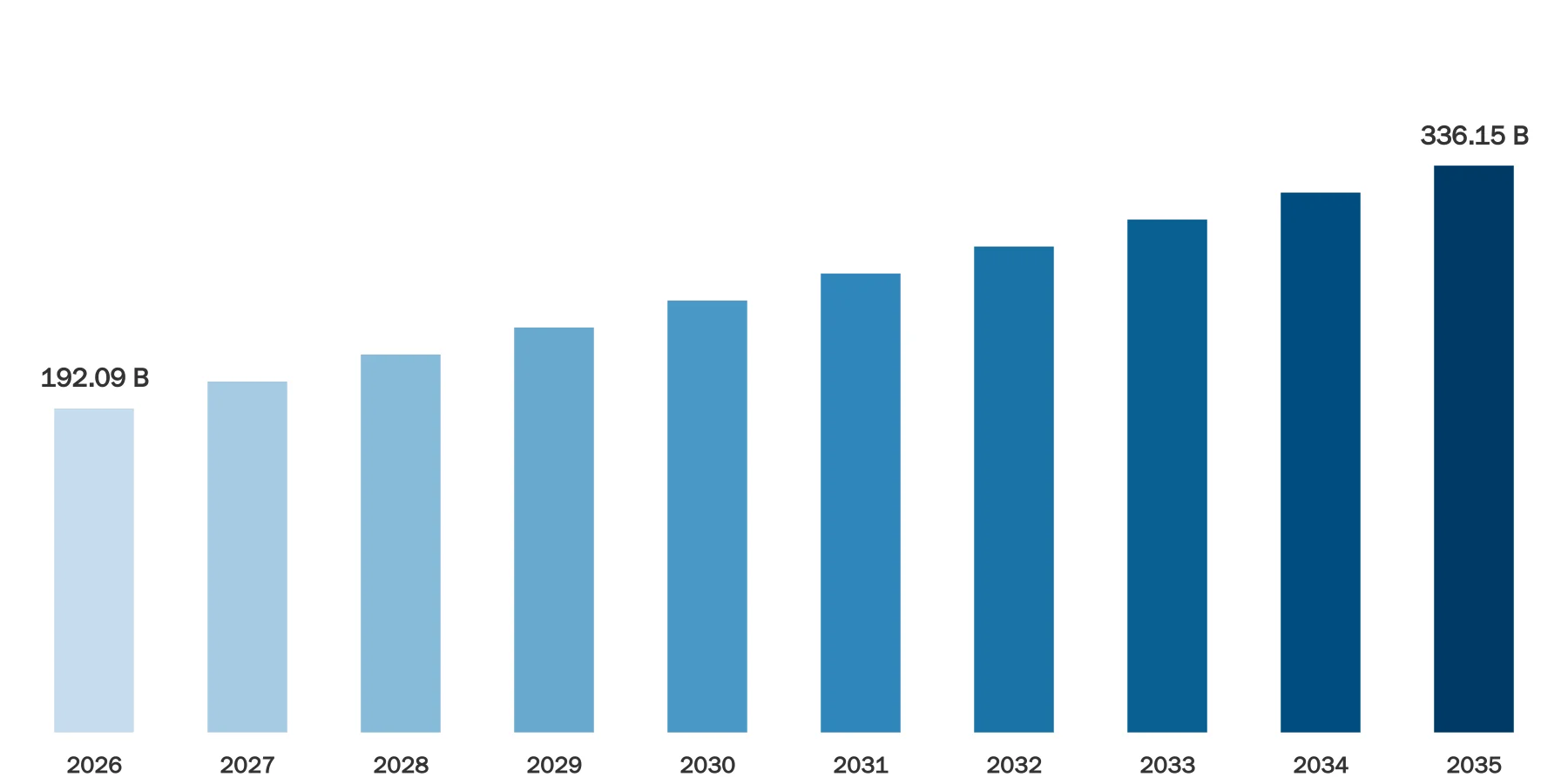
Source: Econ Market Research
Because there is a growing need for renewable energy sources, the market for wind power generation systems has grown quickly. These devices use turbines to harness the kinetic energy of the wind to produce power. Technological developments, combined with encouraging government initiatives and subsidies, have propelled market growth. To increase wind power systems', effectiveness, dependability, and environmental sustainability, major participants in the sector constantly innovate. Global demand for wind power generation systems is expected to increase steadily as efforts to battle climate change and reduce carbon emissions continue, providing a promising source of clean and renewable energy.
Wind Power Generation Systems Dynamics
Technological developments drive cost and efficiency reductions, increasing the competitiveness of wind energy. Government regulations and incentives are essential because they give wind power projects financial and regulatory support. Targets for reducing carbon emissions and environmental concerns also fuel market expansion. The adoption of wind power is also impacted by shifting energy demand patterns and fossil fuel pricing. Manufacturers compete on the market, which encourages innovation and lowers costs. The market for wind power production systems is generally shaped by a complex interaction of economic, environmental, regulatory, and technological issues that affect the market',s growth trajectory.
Wind Power Generation Systems Drivers
Renewable Energy Mandates and Policies
Government requirements and policies pertaining to renewable energy play a pivotal role in propelling the wind power generating systems market by requiring them to set goals and create conducive environments for the adoption of renewable energy. In order to encourage investment in wind power projects, these rules frequently include feed-in tariffs (FITs) and renewable portfolio standards (RPS). By fostering innovation, stabilizing the market, and drawing in private capital, these policies propel the expansion of wind power generation, which is essential for meeting sustainability and climate change mitigation objectives.
Increasing Energy Demand and Electricity Consumption
There is an increasing need for clean and sustainable energy sources as the world',s economies and population develop. A scalable way to fulfill this growing need and lessen dependency on fossil fuels is through the use of wind power. Its popularity and market expansion are fueled by its ability to generate electricity without depleting scarce resources, which makes it an appealing alternative for meeting the expanding energy needs of both established and emerging regions.
Restraints:
Intermittency and Variability of Wind Resources
The production of wind energy is contingent upon meteorological conditions and seasonal variations, in contrast to that of fossil fuels. The instability of the wind poses difficulties for the stability and dependability of the grid, necessitating the use of energy storage devices or backup power sources to make up for periods of low wind. Wind power projects become more complex and expensive when intermittency effects are mitigated, which prevents them from being widely used and integrated into energy systems.
Noise Pollution and Visual Intrusion
During operation, wind turbines may produce noise, which may have an adverse effect on the environments and communities nearby. Furthermore, their considerable size and presence in landscapes can change picturesque vistas, which has an impact on Real Estate prices and tourism. Securing a suitable location, installing soundproofing, and involving the neighborhood are typically necessary to allay these worries. Insufficient attention to these matters may result in regulatory obstacles and public backlash, impeding the progress of the project.
Opportunities:
Hybridization with Energy Storage Technologies
Wind farms can store and harvest excess energy during times of high wind generation by integrating with energy storage devices. By using the stored energy, grid stability and reliability can be improved during periods of heavy demand or unfavourable wind conditions. A more resilient and sustainable energy future is made possible by such hybrid systems, which also result in decreased curtailment, higher penetration rates for renewable energy, and enhanced system efficiency.
Digitalization and Smart Grid Integration
Wind farms may increase maintenance efficiency, forecast accuracy, and operational efficiency by utilizing cutting-edge technology like machine learning algorithms, Data Analytics, and IoT sensors. Better demand response, grid balancing, and the integration of renewable energy sources are made possible by smart grid integration, which allows for smooth communication between wind turbines and the grid. With lower prices and emissions due to these improvements, grid flexibility and reliability can be increased, leading to a greater uptake of wind power.
Segment Overview
By Type
Based on type, the global wind power generation systems market is divided into traditional wind power generation systems and new wind power generation systems. Conventional horizontal-axis wind turbines (HAWTs) onshore wind farms are commonly referred to as traditional wind power-producing systems. These systems have been in operation for several decades and are distinguished by their extensive land installations, frequently in locations with ideal wind conditions.
Conventional systems depend on well-proven turbine designs and grid infrastructure. A variety of cutting-edge technologies and deployment strategies are included in new wind power generation systems to improve flexibility, scalability, and efficiency. combining energy storage technologies like batteries or pumped hydro with wind power to improve grid stability and make renewable energy dispatchable.
By Application
Based on the application, the global wind power generation systems market is categorized into offshore and onshore. The offshore category leads the global wind power generation systems market with the largest revenue share in 2023. The placement of wind turbines in bodies of water, usually in coastal or marine areas, is the process of offshore wind power producing systems.
The more reliable and powerful winds at sea are captured by offshore wind farms and used to produce energy. Installing wind turbines on land, usually in rural or isolated locations with favorable wind conditions, is the process of producing electricity using onshore wind power systems. Historically, onshore wind farms have served as the foundation of the wind energy sector and are still important to the global deployment of renewable energy.
Wind Power Generation Systems Overview by Region
The global wind power generation systems market is categorized into North America, Europe, Asia-Pacific, and the Rest of the World. Asia-Pacific emerged as the leading region, capturing the largest market share in 2023. Rapid economic expansion, rising energy consumption, and aggressive goals for renewable energy have all contributed to a large increase in wind energy infrastructure investment in nations like China, India, and Japan. Encouraging government initiatives like feed-in tariffs and renewable energy auctions have accelerated the construction of massive wind farms.
Furthermore, the Asia-Pacific region',s wind power industry has grown rapidly due to the abundance of wind resources in coastal areas and technological breakthroughs in turbine design, securing its place as a major force behind the expansion of renewable energy globally. These include encouraging government initiatives that encourage the use of renewable energy, like production tax credits and renewable portfolio requirements that provide financial incentives for wind energy projects. The region',s strong growth is also attributed to developments in Wind Turbine technology, grid integration capabilities, and falling wind power generation prices. Furthermore, wind power is expanding in North America due to rising environmental awareness and the desire to cut carbon emissions, which is supporting the industry',s predicted growth trajectory.
Wind Power Generation Systems Competitive Landscape
In the global wind power generation systems market, a few major players exert significant market dominance and have established a strong regional presence. These leading companies remain committed to continuous research and development endeavors and actively engage in strategic growth initiatives, including product development, launches, joint ventures, and partnerships. By pursuing these strategies, these companies aim to strengthen their market position, expand their customer base, and capture a substantial share of the market.
Wind Power Generation Systems Market Leading Companies:
Siemens
GE
Vestas
Goldwind
Enercon
Siemens Gamesa
United Power, Inc.
Ming Yang
Senvion
Nordex Group
Samsung Electronics, and various others.
Wind Power Generation Systems Recent Developments
In September 2023, Technological Developments May Unlock 80% More Wind Energy Potential This Decade Near-Commercial Wind Turbine Innovations Will Make Wind Power More Affordably Suitable in More US Regions.
In August 2023, almost as long as humans have lived, wind power has existed. Ancient Egyptians used wind power to drive their boats across the Nile as early as 5000 BC1. The idea of wind power is so old and commonplace that it hardly needs an introduction
Wind Power Generation Systems Market Report Segmentation
Wind Power Generation Systems Market Report Scope & Segmentation
| Attributes | Details |
|---|---|
Market Size (Current) | US$ 192.09 Billion in 2026 |
Market Size (Forecast) | US$ 336.15 Billion in 2035 |
Growth Rate | CAGR of 6.4% from 2026 to 2035 |
Forecast Period | 2026 – 2035 |
Base Year | 2025 |
Historical Data Available | Yes |
Regional Scope | Global |
Segments Covered | By Component
By Application
|
Frequently Asked Questions
Common questions about this report
The study period covers historical insights and forecast projections for the period 2026-2035.
About the Author
Market research expert with years of industry experience

Dipali Bhingare serves as the Market Research Director at Econ Market Research. With a focus on translating complex global economic shifts into actionable business intelligence, she oversees the strategic direction of comprehensive market studies. Her work empowers organizations to navigate volatile industries through data-driven forecasting and deep-dive competitive analysis.
Related Reports
Explore more market insights from the same category