Physiotherapy Equipment Market Overview
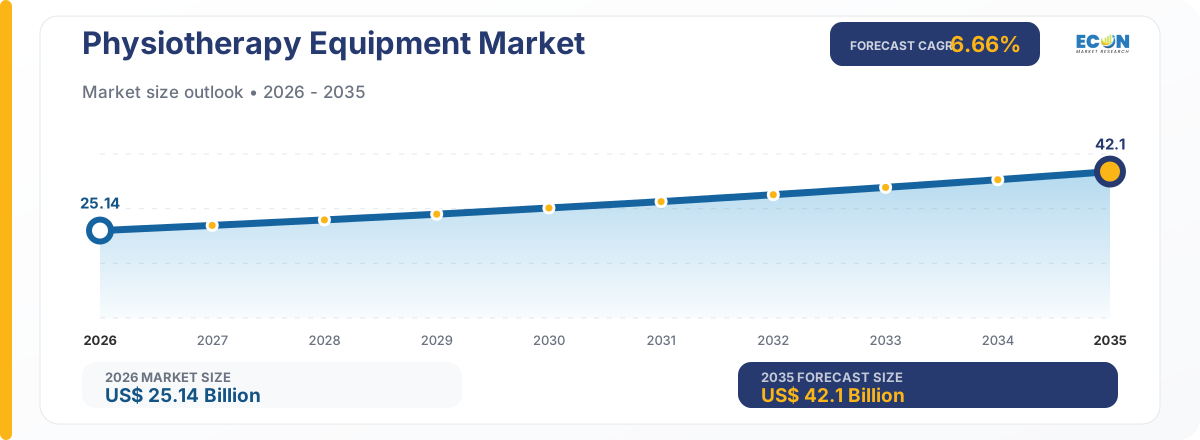
As per Econ Market Research analysis, the Global Physiotherapy Equipment Market was estimated at US$ 25.14 Billion in 2026 and is forecast to attain US$ 42.1 Billion by 2035, expanding at a CAGR of 6.66% between 2026 and 2035. The base year for the study is 2025.
Physiotherapy equipment include but are not limited to exercise balls, resistance bands, traction tables, and electrotherapy devices. The market is being driven by an increase in the number of musculoskeletal problems, neurological conditions, and sports injuries, as well as a growing global elderly population. Technological advances in physiotherapy equipment, such as the incorporation of virtual reality and robots, are also helping to drive market expansion by improving treatment outcomes and patient satisfaction. Furthermore, rising healthcare spending, developing healthcare infrastructure, and increased knowledge of the benefits of physiotherapy are driving market growth. However, difficulties such as high prices associated with advanced technology and limited reimbursement regulations may slow market expansion to some extent.
Physiotherapy Equipment Dynamics
One key driver is the growing global prevalence of musculoskeletal problems, neurological conditions, and sports injuries, which need the use of physiotherapy equipment for rehabilitation and pain treatment. Furthermore, the aging population adds to market growth since aged people are more susceptible to physical problems that require physiotherapy interventions. Furthermore, technology improvements have a significant impact on market dynamics, with technologies such as virtual reality, robots, and wearable devices improving treatment outcomes and patient experiences. These innovations not only improve the effectiveness of physiotherapy but also fuel market expansion by attracting healthcare providers and patients looking for innovative treatment techniques.
On the other hand, challenges exist within the market, including the high cost associated with advanced physiotherapy equipment, which may limit accessibility, particularly in low-resource settings. Furthermore, reimbursement policies vary across regions, posing a barrier to market growth in some areas. Additionally, the COVID-19 pandemic has impacted the market dynamics by disrupting supply chains, delaying elective procedures, and shifting healthcare priorities. Despite these challenges, the market demonstrates resilience due to ongoing research and development efforts, strategic partnerships among industry players, and a growing emphasis on preventive healthcare measures.
Physiotherapy Equipment Drivers
Increasing Prevalence of Musculoskeletal Disorders and Sports Injuries
Sedentary lifestyles, occupational hazards and engagement in sports activities all contribute to an increase in musculoskeletal problems and sports injuries worldwide. This development is increasing the demand for physiotherapy equipment, as these disorders frequently necessitate rehabilitation to regain movement, relieve pain, and enhance overall function.
As a result, healthcare providers are expanding their investment in innovative physiotherapy technology to fulfil the increased need for effective treatment alternatives in both clinical and home environments. Furthermore, the emphasis on early intervention and holistic approaches to healthcare management promotes the usage of physiotherapy equipment, adding to market growth.
Technological Advancements
Rapid advancements in technology have revolutionized the physiotherapy equipment market, enhancing treatment outcomes and patient experience. Innovations such as virtual reality (VR) rehabilitation systems, robotic-assisted therapy devices, and wearable sensors enable personalized and interactive rehabilitation programs tailored to individual patient needs.
These technologies not only improve the efficiency and effectiveness of physiotherapy but also increase patient engagement and adherence to treatment protocols. Moreover, the integration of Artificial Intelligence (AI) and machine learning algorithms into physiotherapy equipment allows for real-time monitoring, data analysis, and adaptive treatment planning, further optimizing patient outcomes. Consequently, healthcare providers are increasingly adopting these advanced technologies to stay competitive and offer high-quality care, driving market growth.
Physiotherapy Equipment Restraints:
High Cost of Advanced Equipment
The high cost of modern devices and technologies is a significant limitation on the physiotherapy equipment market. While these novel solutions provide greater performance and outcomes, they sometimes come at a high cost, rendering them inaccessible to healthcare organizations with restricted budgets. Furthermore, the initial purchase and continuing maintenance costs of advanced technology might be prohibitively expensive for small clinics and practitioners, limiting market penetration and adoption rates. As a result, pricing remains a major problem for stakeholders, preventing the widespread use of modern physiotherapy equipment, especially in low-resource settings.
Varied Reimbursement Policies
Another restraint in the physiotherapy equipment market is the lack of uniformity in reimbursement policies across different regions and healthcare systems. Reimbursement rates for physiotherapy services and equipment vary widely, depending on factors such as insurance coverage, government regulations, and healthcare provider preferences.
In some cases, inadequate reimbursement rates may deter healthcare facilities from investing in expensive physiotherapy equipment or offering comprehensive rehabilitation services, leading to disparities in access to care. Moreover, the complex and time-consuming reimbursement processes can pose administrative burdens for healthcare providers, affecting their willingness to invest in new equipment or expand their physiotherapy services. Consequently, the lack of standardized reimbursement policies poses a significant challenge to market growth and adoption of physiotherapy equipment.
Physiotherapy Equipment Opportunities:
Expanding Geriatric Population
The increasing elderly population represents a considerable opportunity for the physiotherapy equipment market. Elderly people are more vulnerable to age-related illnesses such arthritis, osteoporosis, and stroke, which frequently necessitate ongoing rehabilitation and physical therapy treatments. As the world',s population ages, the need for physiotherapy equipment is predicted to rise, driven by the need to increase mobility, independence, and quality of life among older persons.
Healthcare providers can profit on this demographic trend by offering customized rehabilitation programs and investing in geriatric-friendly physiotherapy equipment adapted to the specific demands of elderly patients. Additionally, advancements in tele-rehabilitation technologies enable remote monitoring and delivery of physiotherapy services, expanding access to care for elderly individuals in rural or underserved areas.
Segment Overview
By Application
Physiotherapy equipment caters to a diverse range of applications within the healthcare landscape. Neurology focuses on treating conditions affecting the nervous system, such as stroke rehabilitation and Parkinson',s disease management. Musculoskeletal therapy targets disorders of the muscles, bones, and joints, including arthritis, back pain, and fractures.
Pediatrics addresses the unique rehabilitation needs of children with developmental delays, injuries, or congenital conditions. Cardiovascular &, Pulmonary therapy targets heart and lung conditions, such as cardiac rehabilitation and pulmonary rehabilitation for COPD patients. Other applications may include women',s health, oncology rehabilitation, and sports medicine, each requiring specialized physiotherapy equipment tailored to specific patient populations and therapeutic goals.
By Demographics
Physiotherapy equipment usage varies based on the demographics of the patient population. The non-geriatric population encompasses individuals of all ages who require rehabilitation for acute injuries, chronic conditions, or post-operative recovery. Geriatric populations, consisting of older adults aged 65 and above, have unique rehabilitation needs related to age-related conditions such as osteoarthritis, stroke, and frailty. Physiotherapy equipment for geriatric populations may focus on fall prevention, balance training, and activities of daily living (ADL) training to maintain independence and mobility.
By End-Use
Physiotherapy equipment is utilized across various healthcare settings to deliver rehabilitation services to patients. Hospitals and clinics are primary providers of physiotherapy services, offering comprehensive rehabilitation programs for patients recovering from surgery, illness, or injury. Rehabilitation centers specialize in intensive therapy programs for patients with complex rehabilitation needs, including spinal cord injuries, traumatic brain injuries, and amputations.
Physiotherapy Equipment Overview by Region
North America dominates the market, attributed to a well-established healthcare system, high healthcare expenditure, and increasing prevalence of chronic conditions requiring physiotherapy interventions. Europe follows suit, with countries like Germany, the UK, and France leading in market share, bolstered by advanced healthcare facilities, supportive government initiatives, and a growing geriatric population.
The Asia-Pacific region is expected to grow significantly due to rising healthcare investments, increased knowledge of preventative healthcare measures, and a huge patient population with unmet rehabilitation requirements, particularly in developing countries such as China, India, and Japan. Latin America and the Middle East and Africa areas have reasonable development possibilities, thanks to improved healthcare facilities, rising disposable income, and increased demand for rehabilitation services. However, difficulties such as healthcare inequities, restricted access to modern technology, and reimbursement issues may hinder market expansion in these regions.
Physiotherapy Equipment Market Competitive Landscape
Key players such as DJO Global, BTL Industries, and Patterson Medical dominate the market with extensive product portfolios, strong distribution networks, and robust R&,D capabilities. These companies focus on introducing advanced physiotherapy equipment, leveraging technologies such as virtual reality, robotics, and AI to enhance treatment outcomes and gain a competitive edge.
Additionally, mergers and acquisitions are prevalent in the market as companies seek to expand their product offerings and market reach. Emerging start-ups, including Enraf-Nonius, ITO Co. Ltd., and EMS Physio, are gaining traction by offering niche products and targeting underserved segments such as home healthcare and sports rehabilitation. Moreover, collaborations between healthcare providers, equipment manufacturers, and research institutions drive innovation and market growth by facilitating knowledge exchange and technology transfer.
However, competition is intensifying with the entry of new players and the proliferation of low-cost alternatives, particularly in developing regions. As a result, companies are focusing on differentiation strategies, such as product customization, value-added services, and brand building, to maintain their competitive position in the evolving physiotherapy equipment market landscape.
Physiotherapy Equipment Market Leading Companies:
Whitehall Manufacturing
Zimmer MedizinSysteme GmbH
Enraf-Nonius B.V.
ITO Co., Ltd.
Storx Medical AG
Performance Health
RICHMAR
Dynatronics Corporation
EMS Physio Ltd.
Physiotherapy Equipment Report Segmentation
Physiotherapy Equipment Market Report Scope & Segmentation
| Attributes | Details |
|---|---|
| Market Size (Current)Current market valuation | US$ 25.14 Billion in 2026 |
| Market Size (Forecast)Projected market valuation | US$ 42.1 Billion in 2035 |
| Growth RateCompound Annual Growth Rate | CAGR of 6.66% from 2026 to 2035 |
| Forecast PeriodAnalysis timeline | 2026 – 2035 |
| Base YearReference year for analysis | 2025 |
| Historical Data AvailablePast market data availability | Yes |
| Regional ScopeGeographical coverage | Global |
| Segments CoveredMarket segments analyzed | By Product
By Application
By End User
|
Frequently Asked Questions
Common questions about this report
The study period covers historical insights and forecast projections for the period 2026-2035.
About the Author
Market research expert with years of industry experience