

Neuroprotection Market
Neuroprotection Market Size, Share, Trends, Growth, and Industry Analysis, By Drug Class (Cholinergics, NMDA Antagonists, Anti-inflammatory Agents, Others), By Application (Alzheimer’s Disease, Parkinson’s Disease, Stroke, Multiple Sclerosis), By Route of Administration (Oral, Injectable), Regional Analysis and Forecast Period 2026-2035
Neuroprotection Market Overview
As per Econ Market Research analysis, the Global Neuroprotection Market was valued at US$ 7.39 Billion in 2026 and is expected to reach US$ 13.95 Billion by 2035, registering a CAGR of 7.32% during the forecast period 2026–2035. The base year considered is 2025.
Neuroprotection Market Size 2025-2035 (USD Billion)

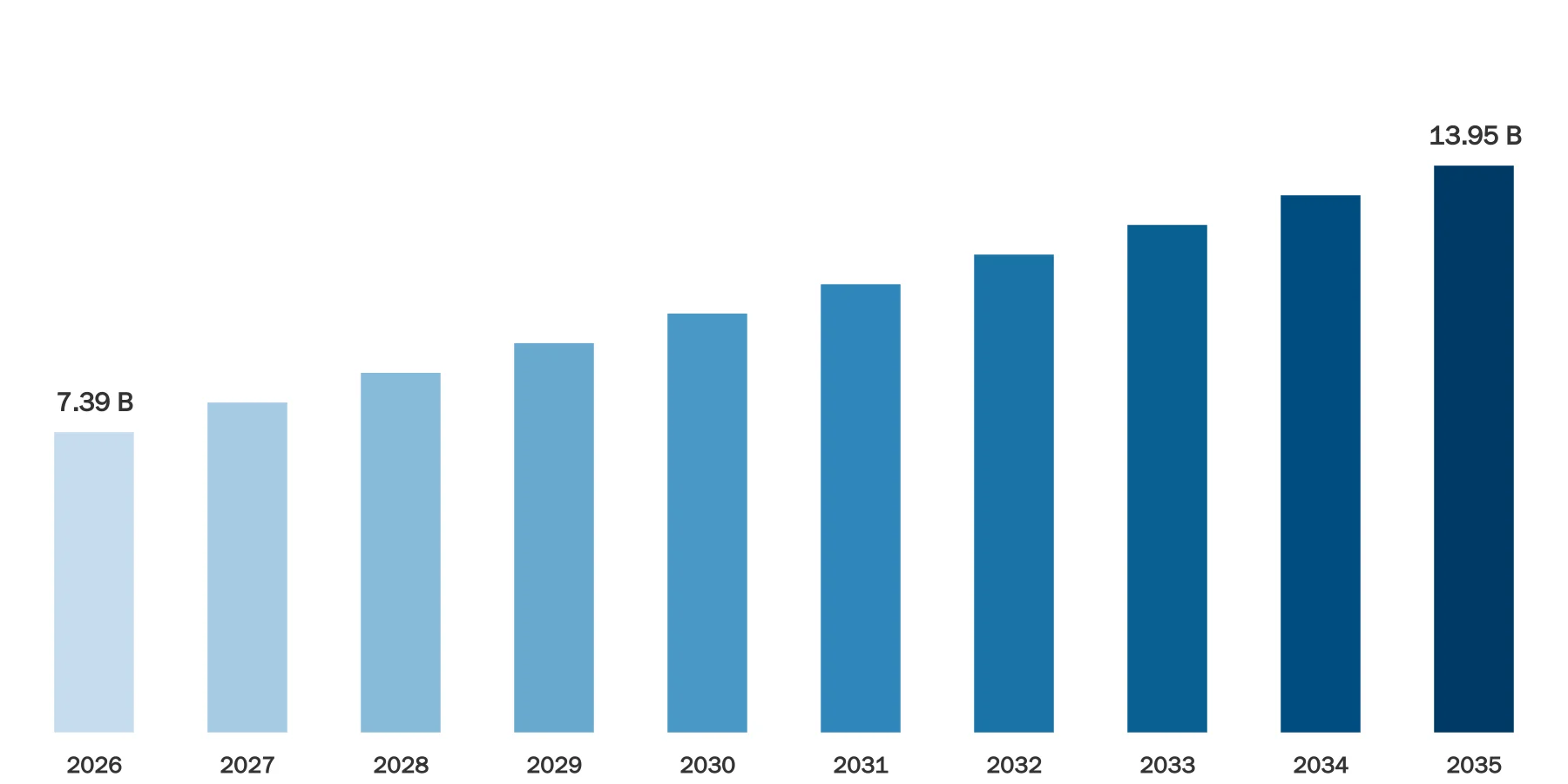
Source: Econ Market Research
Neuroprotection methods include drugs, therapies, and technologies designed to preserve the structure and function of neurons, the cells responsible for transmitting information in the brain and nervous system. These treatments are crucial for conditions such as stroke, Alzheimer',s disease, Parkinson',s disease, and traumatic brain injury, where the nervous system faces significant challenges and risks.
The market encompasses a wide range of pharmaceuticals, Medical Devices, and therapeutic approaches, all aimed at improving patient outcomes and quality of life by minimizing neurological damage and promoting recovery. As research and knowledge of neurodegenerative illnesses increase, the worldwide neuroprotection market expands, driven by rising demand for effective therapies and the development of novel technologies to treat neurological disorders.
The market is characterized by a diversified landscape of enterprises, academic institutions, and research organizations, all striving for the same aim of protecting and preserving neurological function. Key players in the neuroprotection market include pharmaceutical companies creating neuroprotective medications, medical device manufacturers providing devices for neurosurgery and neuromodulation, and Biotechnology companies pioneering innovative therapeutics targeting neurodegenerative illnesses.
Neuroprotection Dynamics
One key factor is the rising prevalence of neurological illnesses such as Alzheimer',s disease, Parkinson',s disease, and stroke, which is fuelled by an aging population and changing lifestyles. This increased disease burden increases the need for neuroprotective treatments, driving investment in research and development to meet unmet medical needs. Furthermore, breakthroughs in neuroscience and technology are driving innovation in neuroprotection, resulting in the development of new medications, therapies, and medical devices.
Furthermore, there is a growing awareness among healthcare providers and patients about the value of early intervention and neuroprotection in avoiding or slowing the progression of neurological illnesses, which is boosting market growth. However, the neuroprotection market also faces challenges, including regulatory hurdles, high development costs, and the complexity of targeting the nervous system. Additionally, competition among pharmaceutical companies and medical device manufacturers intensifies as they vie to bring the most effective and innovative neuroprotective solutions to market.
Neuroprotection Drivers
Increasing Prevalence of Neurological Disorders
The growing incidence of neurological disorders such as Alzheimer',s disease, Parkinson',s disease, multiple sclerosis, and stroke is a significant driver of the neuroprotection market. As the global population ages and life expectancy increases, the prevalence of these conditions continues to rise. This trend creates a substantial market demand for neuroprotective treatments aimed at preserving neuronal function and preventing disease progression. Moreover, the recognition of neurological disorders as a major public health concern has spurred heightened research efforts and investment in the development of innovative neuroprotective therapies, further driving market growth.
Technological Advancements in Neuroscience
Rapid advancements in neuroscience and technology have revolutionized the understanding and treatment of neurological disorders, driving innovation in the neuroprotection market. Breakthroughs in neuroimaging, genetics, stem cell research, and precision medicine have enabled the development of personalized neuroprotective medicines.
Nanotechnology and gene therapy vectors, for example, have improved the transport of neuroprotective medicines to the central nervous system, increasing efficacy and lowering side effects. Furthermore, emerging technologies such as neurostimulation and neuromodulation provide new opportunities for neuroprotection by modifying neuronal activity and fostering neuroplasticity. These technology improvements not only broaden the spectrum of neuroprotective therapies but also drive efficiency, safety, and patient outcomes, fuelling market expansion.
Neuroprotection Restraints:
Regulatory Challenges and High Development Costs
The neuroprotection market has major regulatory barriers and expensive development costs, which can stifle innovation and market entry. Developing neuroprotective medicines needs extensive preclinical and clinical research to demonstrate safety and efficacy, which extends the time to market and increases financial risk. Furthermore, negotiating complex regulatory procedures, particularly for novel treatment modalities like gene therapy or stem cell-based medicines, presents difficulties for companies seeking regulatory approval. These legislative restrictions, together with the enormous financial investment required for R&,D and clinical trials, serve as significant restraints on market expansion and innovation.
Complexity of Targeting the Nervous System
The complexity of targeting the nervous system presents a significant challenge for neuroprotective drug development and delivery. The blood-brain barrier, a protective barrier that regulates the passage of substances from the bloodstream into the brain, limits the delivery of neuroprotective agents to the central nervous system. Overcoming this barrier requires innovative drug delivery strategies, such as nanotechnology, liposomes, or intranasal delivery, which add complexity and cost to the drug development process. Moreover, the heterogeneous nature of neurological diseases and the variability in patients', responses to treatment further complicate drug development and personalized medicine approaches. These challenges in targeting and treating neurological disorders hinder market growth and innovation in the neuroprotection sector.
Neuroprotection Opportunities:
Advancements in Biomarkers and Personalized Medicine
The introduction of biomarkers and tailored therapy provides significant opportunities for the neuroprotection sector. Biomarkers are quantitative indications of biological processes or disease states that allow for early detection, prognosis, and therapy response monitoring in neurological illnesses. Researchers can use breakthroughs in neuroimaging, genomics, proteomics, and other omics technologies to uncover and validate biomarkers associated with neurodegenerative illnesses, allowing for early intervention and individualized treatment regimens. Biomarkers improve the efficacy and cost-effectiveness of neuroprotective medicines by allowing for focused patient selection, treatment monitoring, and outcome prediction, which drives market adoption and growth.
Segment Overview
By Type
In terms of type, different types of neuroprotective drugs play important roles in maintaining neuronal function and avoiding neurological damage. Free anti-inflammatory drugs reduce inflammation in the central nervous system, lowering neuronal damage caused by neurodegenerative disorders and injuries. Radical trapping agents, commonly known as antioxidants, neutralize free radicals and oxidative stress, which cause brain degeneration and cell death.
Apoptosis inhibitors block programmed cell death, which is a prominent cause of neurodegeneration in illnesses such as Alzheimer',s disease and stroke. Glutamate antagonists, or anti-excitotoxic medicines, control glutamate signalling to avoid excitotoxicity, which is linked to neuronal death after ischemic stroke and traumatic brain damage. Neurotrophic factors promote neuronal survival, growth, and repair, offering potential therapeutic benefits in neurodegenerative diseases and nerve injury. Stimulants enhance neuronal activity and neurotransmitter release, improving cognitive function and motor performance in conditions like Parkinson',s disease.
Metal ion chelators bind to toxic metal ions, such as iron and copper, reducing oxidative stress and neuronal damage associated with metal toxicity in neurodegenerative diseases. Other neuroprotective agents encompass a diverse range of compounds and mechanisms, including neuroinflammation modulators, mitochondrial protectors, and neurogenesis promoters.
By Application
Neuroprotective therapies can be used for both prevention and therapy. Lifestyle changes, nutritional supplements, and early intervention strategies targeting modifiable risk factors such as hypertension, diabetes, and obesity are all used in prevention measures to minimize the risk of neurological illnesses and cognitive decline. In patients with pre-existing neurological diseases, treatment techniques are geared toward symptom management, delaying disease progression, and increasing quality of life. These treatments include pharmaceutical interventions, rehabilitation therapy, and surgical procedures suited to specific patients', requirements and illness features.
By Route of Administration
Neuroprotective drugs can be administered via a variety of methods, including oral, intravenous, and others. Oral delivery provides convenience and patient compliance, especially for chronic disorders that require long-term treatment. Intravenous administration provides for quick drug delivery and exact dose, making it ideal for acute neurological emergencies and severe cases that require prompt attention. Other methods of administration may include intrathecal, intranasal, transdermal, or implanted delivery devices, providing alternatives for targeted drug delivery and circumventing systemic barriers such as the blood-brain barrier.
By End-Use
In terms of end-use, neuroprotective therapies cater to diverse clinical settings and patient populations. Oral formulations are commonly used in outpatient settings for chronic disease management and preventive care. Intravenous administration is prevalent in hospital settings, particularly for acute neurological conditions requiring intensive care and monitoring. Other end-uses may include specialty clinics, rehabilitation centers, and research institutions, where neuroprotective treatments are administered or evaluated in various clinical and experimental settings.
Neuroprotection Overview by Region
Developed regions, like as North America and Europe, dominate the market due to well-established healthcare systems, increased healthcare spending, and more access to modern neuroprotective medicines. These locations also benefit from strong R&,D activity, which result in the introduction of breakthrough treatments and technology. In North America, the United States has the biggest market share, owing to strong investments in neuroscience research, advantageous reimbursement regulations, and a large patient population affected by neurological illnesses.
Similarly, Europe, notably countries like Germany, France, and the United Kingdom, observes strong market expansion, driven by increased awareness of neurological illnesses, aging demographics, and government initiatives promoting neuroprotective research and development. On the other hand, emerging markets in Asia-Pacific, Latin America, and the Middle East &, Africa present lucrative opportunities for market expansion, driven by improving healthcare infrastructure, rising disposable incomes, and a growing burden of neurological diseases.
Countries like China, India, Brazil, and South Africa are witnessing increasing demand for neuroprotective treatments, driven by urbanization, lifestyle changes, and expanding access to healthcare services. However, these regions also face challenges such as regulatory complexities, healthcare disparities, and limited awareness of neuroprotective therapies, which require targeted strategies to unlock their full market potential.
Neuroprotection Market Competitive Landscape
Major players in the market include AbbVie Inc., Allergan PLC, Biogen Inc., Pfizer Inc., and Teva Pharmaceutical Industries Ltd., among others. These companies invest heavily in research and development to develop novel neuroprotective drugs, therapies, and medical devices aimed at addressing unmet medical needs in neurological disorders. Moreover, strategic collaborations, mergers, and acquisitions are common strategies employed by market players to expand their product portfolios, enhance R&,D capabilities, and strengthen their market presence.
Partnerships between pharmaceutical corporations and academic research institutes, for example, make it easier to translate fundamental research discoveries into clinical applications, which speeds up the development of new neuroprotective medicines. Furthermore, collaborations between pharmaceutical corporations and biotechnology firms enable the discovery and development of novel therapeutic candidates that target specific neuroprotective pathways or disease mechanisms. Furthermore, the market is seeing an increase in investment from venture capital firms and private equity investors, enabling the development of early-stage neuroprotective technologies and start-ups.
Neuroprotection Market Leading Companies:
Astrocyte Pharmaceuticals
Allergan
AstraZeneca
Biogen
Daiichi Sankyo Company
Dr. Reddys Laboratories
Eli Lilly and Company
F. Hoffmann-La Roche
Novartis
Teva Pharmaceutical Industries
Neuroprotection Report Segmentation
Neuroprotection Market Report Scope & Segmentation
| Attributes | Details |
|---|---|
Market Size (Current) | US$ 7.39 Billion in 2026 |
Market Size (Forecast) | US$ 13.95 Billion in 2035 |
Growth Rate | CAGR of 7.32% from 2026 to 2035 |
Forecast Period | 2026 – 2035 |
Base Year | 2025 |
Historical Data Available | Yes |
Regional Scope | Global |
Segments Covered | By Drug Class
By Application
By Route of Administration
|
Frequently Asked Questions
Common questions about this report
The study period covers historical insights and forecast projections for the period 2026-2035.
About the Author
Market research expert with years of industry experience

Dipali Bhingare serves as the Market Research Director at Econ Market Research. With a focus on translating complex global economic shifts into actionable business intelligence, she oversees the strategic direction of comprehensive market studies. Her work empowers organizations to navigate volatile industries through data-driven forecasting and deep-dive competitive analysis.
Related Reports
Explore more market insights from the same category