

Floor Adhesive Market
Floor Adhesive Market Size, Share, Trends, Growth, and Industry Analysis, By Resin Type (Epoxy, Polyurethane, Acrylic, Vinyl), By Technology (Water-based, Solvent-based, Hot-melt), By Application (Tile and Stone, Wood, Carpet, Laminate, Others), By End-User (Residential, Commercial, Industrial), Regional Analysis and Forecast Period 2026-2035
Floor Adhesive Market Overview
As per Econ Market Research analysis, Global Floor Adhesive Market size stood at US$ 6.78 Billion in 2026 and is projected to reach US$ 14.99 Billion by 2035, growing at a CAGR of 9.36% over the forecast period 2026–2035. 2025 is taken as the base year.
Floor Adhesive Market Size 2025-2035 (USD Billion)

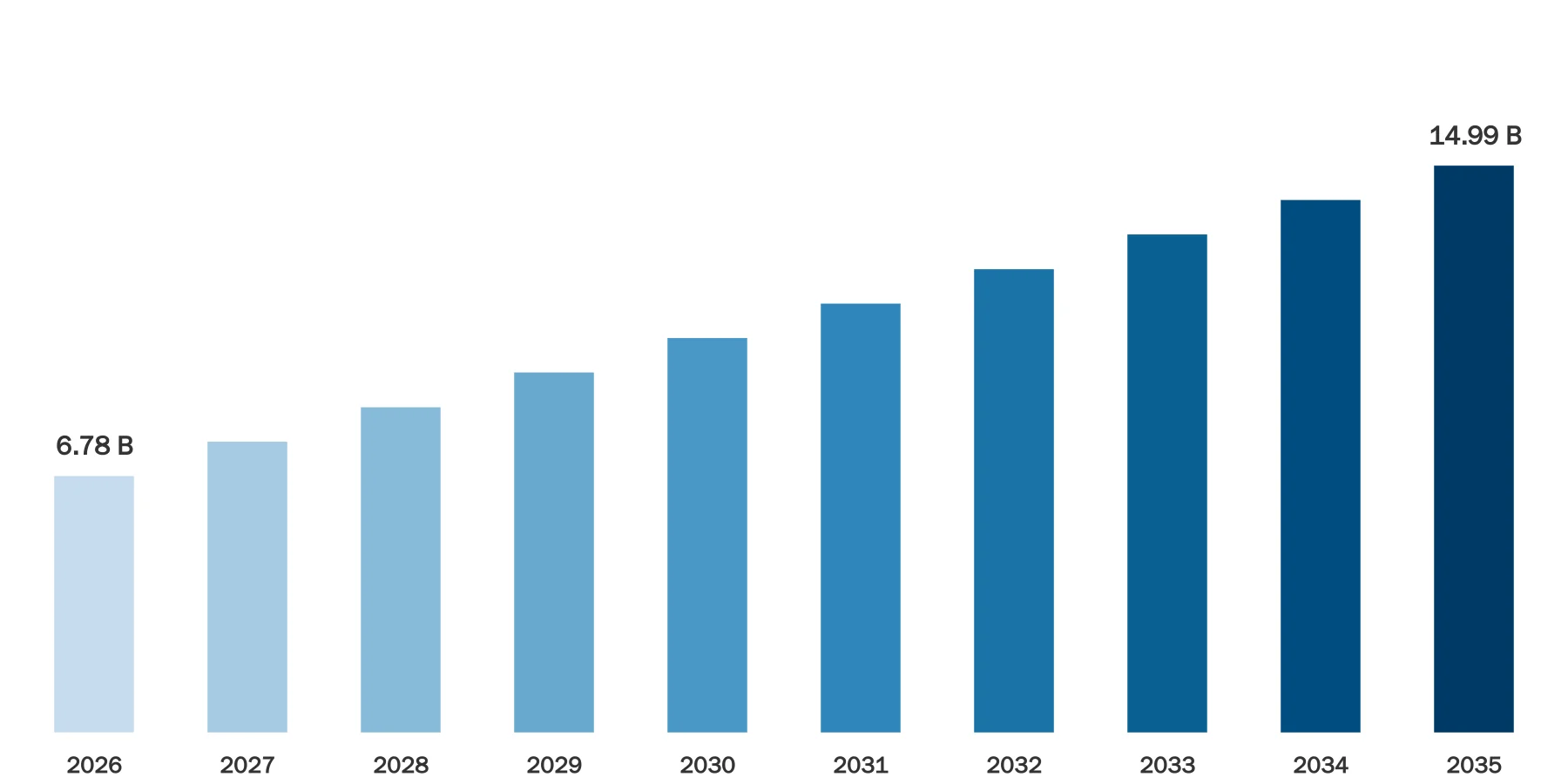
Source: Econ Market Research
Floor adhesive is a specialized adhesive designed for securely bonding flooring materials to subfloors. It is a crucial component in construction and renovation projects where various types of flooring, such as tiles, carpets, vinyl, hardwood, and laminates, need to be affixed to surfaces. This adhesive offers strong and durable bonds, preventing the flooring from shifting, lifting, or buckling over time. It often provides moisture resistance, maintaining the integrity of the flooring in humid or wet environments.
Additionally, floor adhesive contributes to sound insulation and provides a smooth, even surface for the flooring material, enhancing the final aesthetic and functional quality of the floor. With advancements in adhesive technology, there are options tailored to specific flooring materials and subfloor types. Proper application of floor adhesive is essential to ensure a successful and long-lasting flooring installation.
The floor adhesive market has witnessed substantial growth due to the expanding construction and renovation sectors. As urbanization and infrastructure projects surge, the demand for reliable floor bonding solutions escalates. Consumers also increasingly seek aesthetically pleasing and durable flooring, further boosting the market. Technological advancements have led to adhesives with improved bonding strength, moisture resistance, and eco-friendliness.
The market is competitive, with manufacturers striving to differentiate products based on quality and environmental considerations. Regulations regarding safety and emissions impact product development. Economic fluctuations influence construction activities, impacting adhesive demand. To navigate this dynamic market, manufacturers must innovate to meet varying adhesive requirements across regions and flooring types while considering environmental regulations and economic factors.
Floor Adhesives Market Dynamics
The floor adhesives market is characterized by dynamic factors that influence its growth, trends, and overall dynamics. construction and renovation activities strongly drive demand, as the need for reliable bonding solutions for various flooring materials increases. Technological advancements play a vital role, with improved adhesive formulations offering better bonding strength, moisture resistance, and environmental friendliness. Diverse flooring materials, including tiles, carpets, vinyl, and hardwood, require specialized adhesive solutions tailored to their unique characteristics.
Consumer preferences for both aesthetics and functionality contribute to market trends, while regulations governing safety, emissions, and environmental impact product development and consumer choices. Economic conditions influence adhesive demand, with economic growth boosting construction activities and adhesive consumption. The growing DIY culture fuels the demand for user-friendly adhesive products for non-professional users. Geographical variations in demand are driven by regional construction trends, economic factors, and cultural preferences. To succeed in this dynamic market, manufacturers must innovate to meet evolving adhesive requirements, while considering environmental regulations, economic fluctuations, and the shifting landscape of consumer preferences.
Floor Adhesives Market Drivers
Boom in Construction and Renovation
As urbanization and infrastructure development continue to accelerate, the demand for floor adhesive products has surged. This trend is a result of the expanding construction sector, as cities grow and modernize. As new buildings are erected and existing structures undergo renovations, a reliable and efficient means of securely bonding flooring materials to subfloors becomes paramount.
Floor adhesives play a vital role in ensuring that diverse flooring types, such as tiles, carpets, vinyl, and hardwood, remain firmly in place, contributing to the durability and longevity of the overall flooring installation. The increasing demand for housing, commercial spaces, and public infrastructure fuels construction activities globally. With this growth, there',s a direct correlation to the need for effective adhesives that offer robust bonding, moisture resistance, and longevity. The construction and renovation boom sets a strong foundation for the floor adhesives market, presenting manufacturers with opportunities to cater to the evolving needs of the construction industry and consumers seeking dependable flooring solutions.
Technological Advancements in Adhesives
The continuous technological advancements have reshaped the industry landscape by introducing adhesive products with improved performance, sustainability, and functionality. Manufacturers have been diligently working to develop adhesive formulations that offer enhanced bonding strength, moisture resistance, and environmental friendliness. This innovation addresses the demand for adhesives that can withstand varying conditions and maintain their efficacy over time. Low-VOC (volatile organic compounds) and eco-friendly adhesive options have gained prominence due to their reduced environmental impact and improved indoor air quality, aligning with stricter regulatory standards and growing consumer preferences for sustainable products.
As eco-friendly and high-performance adhesive options become available, they cater to both construction professionals and consumers seeking long-lasting, reliable flooring solutions. This driver nurtures a competitive market where manufacturers must stay ahead of the curve in developing adhesive formulations that offer superior bonding capabilities while meeting stringent environmental and performance standards.
Restraints
Economic Fluctuations and Construction Slowdowns
This sector is intrinsically tied to the construction and renovation industry, making it susceptible to the ebbs and flows of the broader economy. During periods of economic downturn, construction activities often slow down due to reduced investments and consumer spending. This directly impacts the demand for floor adhesives as fewer projects are initiated, leading to decreased consumption.
In challenging economic conditions, construction projects might be postponed or scaled back, resulting in a decreased need for adhesive products. The decreased demand can lead to excess inventory, pricing pressures, and reduced profitability for adhesive manufacturers. Furthermore, the uncertainty surrounding economic conditions can make long-term planning and investment decisions challenging for manufacturers and businesses within the industry.
Regulatory Compliance and Environmental Concerns
Adhesive products are subject to stringent regulations imposed by governmental bodies, aimed at ensuring the safety of both consumers and the environment. Manufacturers are obligated to invest in research, testing, and quality control measures to ensure their products meet these standards. This can result in increased production costs due to the need for specialized formulations, testing procedures, and adherence to emissions limits.
Opportunities
Customization for Diverse Flooring Trends
The opportunity for customization for diverse flooring trends entails tailoring adhesive solutions to accommodate the ever-evolving preferences in Interior Design and flooring materials. As consumer tastes and architectural trends shift, manufacturers can proactively develop adhesive formulations that cater to new types of flooring materials, designs, and installation methods. In a dynamic market, where consumers seek distinct and innovative flooring solutions, manufacturers can capitalize on this demand by creating specialized adhesives.
For instance, as new flooring materials like engineered wood, luxury vinyl, and eco-friendly options gain popularity, manufacturers can engineer adhesives that ensure optimal bonding and longevity for these materials. By offering adhesive products designed for specific flooring trends, manufacturers can not only meet consumer expectations for performance and aesthetics but also build a reputation for innovation and responsiveness to market shifts. This approach also aligns with the growing emphasis on personalized and tailored solutions in the construction and design industries.
Green and Sustainable Solutions
Green and sustainable solutions are a significant path for growth in the floor adhesives market. As environmental consciousness continues to rise, there',s a growing demand for adhesive products that align with eco-friendly practices and reduce their impact on the environment. Manufacturers have the chance to develop adhesives with reduced volatile organic compounds (VOCs), which contribute to air pollution and indoor air quality issues.
By creating low-VOC or VOC-free adhesive formulations, manufacturers can cater to environmentally conscious consumers, businesses, and projects that prioritize sustainable construction practices. Investing in research and development to create adhesive products that balance performance, durability, and sustainability can position manufacturers at the forefront of the industry. By grasping this opportunity, manufacturers not only contribute to a greener future but also capitalize on a burgeoning market trend that resonates with environmentally aware stakeholders.
Segment Overview
By Resin Type
Based on resin type, the global floor adhesives market is divided into epoxy adhesive, polyurethane adhesive, acrylic adhesive, vinyl adhesive, and others. The acrylic adhesive category dominates the market with the largest revenue share of around 40.5% in 2022. Acrylic adhesives offer quick curing times and strong initial bonds. They are often used in applications where rapid installation is important. Acrylic adhesives may not have the same level of durability as epoxy or polyurethane adhesives, but their ease of use and fast curing properties make them suitable for various flooring materials.
Polyurethane adhesives are valued for their flexibility, making them suitable for flooring materials that may expand or contract due to temperature variations. They provide good bond strength and are often used in applications where some degree of movement is expected. Polyurethane adhesives also offer resistance to moisture and chemicals. Where vinyl adhesives are specifically designed for bonding vinyl flooring materials. They provide a secure bond and are often used in residential and commercial settings where vinyl tiles or sheets are being installed. Vinyl adhesives are formulated to work well with the unique characteristics of vinyl flooring.
Epoxy adhesives are known for their exceptional bonding strength and durability. They are widely used in industrial and commercial flooring applications where high-performance adhesive properties are required. Epoxy adhesives offer excellent resistance to chemicals, moisture, and heavy loads.
By Technology
Based on the technology, the global floor adhesives market is categorized into water-based adhesive, solvent-based adhesive, and hot-melt adhesive. The water-based adhesive category leads the global floor adhesives market with the largest revenue share. Water-based adhesives, also known as aqueous adhesives, are formulated using water as the primary solvent. They are favored for their low levels of volatile organic compounds (VOCs) and reduced environmental impact compared to solvent-based options.
Water-based adhesives are known for their ease of use, quick drying times, and relatively low odor. They are commonly used in residential applications and settings where indoor air quality is a concern. The solvent-based adhesives use organic solvents as the primary carriers for their adhesive properties. They offer strong bonding capabilities and are often preferred for their resistance to moisture and extreme temperatures. However, solvent-based adhesives can have higher VOC content and stronger odors. They are commonly used in industrial and heavy-duty applications where performance under challenging conditions is crucial.
Where Hot Melt Adhesives are solid materials that are melted and applied in a molten state. They rapidly solidify upon cooling to form a bond. Hot-melt adhesives are valued for their fast setting times, making them suitable for high-speed production lines. They are commonly used in industries like packaging, woodworking, and textiles
By Application
Based on application, the global floor adhesives market is segmented into tile and stone, wood, carpet, laminate, and others. The carpet segment dominates the floor adhesives market. Carpets are a popular choice for both residential and commercial spaces due to their comfort, insulation, and aesthetic appeal. They are commonly found in homes, offices, hotels, and other commercial buildings, leading to a high demand for adhesive solutions that securely bond carpets to the underlying subfloor.
Carpet installation requires specific adhesive formulations that offer strong bonding while accommodating the flexibility and texture of the carpet material. Adhesives for carpet installations often need to strike a balance between durability, flexibility, and ease of application. Carpet tiles, in particular, have gained popularity due to their modular nature, easy installation, and design flexibility. The adhesive market benefits from the need for reliable and efficient adhesive solutions to secure these tiles in place.
By End User
Based on the end user, the global floor adhesives market is categorized into residential floor adhesive, commercial floor adhesive, and industrial floor adhesive. The residential floor adhesive category leads the global floor adhesives market with the largest revenue share. Residential floor adhesives are tailored to the flooring needs of homes, apartments, and other residential spaces. These adhesives are designed to provide secure bonding for various flooring materials commonly used in residences, such as tiles, carpets, vinyl, and hardwood. They often prioritize factors like ease of installation, aesthetics, and comfort. The residential segment includes projects ranging from single-family homes to condominiums and apartments. The commercial floor adhesives cater to flooring installations in commercial spaces such as offices, retail stores, restaurants, hotels, and public buildings. These spaces experience higher foot traffic and diverse flooring requirements.
Floor Adhesives Market Overview by Region
The global floor adhesives market is categorized into North America, Europe, Asia-Pacific, and the Rest of the World. Asia Pacific emerged as the leading region, capturing the largest of market share. The Asia Pacific region has been experiencing significant urbanization and infrastructural growth. As cities expand and new construction projects arise, the demand for floor adhesives for various flooring materials increases, driving the market',s growth.
The construction industry in Asia Pacific is thriving, with a surge in residential, commercial, and industrial construction projects. This growth fuels the demand for reliable adhesive solutions for flooring materials, contributing to the region',s dominant position in the market. Economic growth in Asia Pacific nations has led to increased consumer spending on housing, commercial spaces, and improved interior design. This trend directly influences the demand for flooring materials and adhesive products to complement these spaces. The Real Estate markets in many Asia Pacific countries have been resistant, leading to a higher number of housing and commercial projects. These projects contribute to the robust demand for floor adhesives.
Floor Adhesives Market Competitive Landscape
In the global floor adhesives market, a few major players exert significant market dominance and have established a strong regional presence. These leading companies remain committed to continuous research and development endeavors and actively engage in strategic growth initiatives, including product development, launches, joint ventures, and partnerships. By pursuing these strategies, these companies aim to strengthen their market position, expand their customer base, and capture a substantial share of the market.
Key Players
Wacker Chemie AG
Forbo Group
Pidilite Industries Ltd.
LATICRETE International, Inc.
Roberts Consolidated Industries, Inc.
Bona AB
ARDEX Group
MAPEI S.p.A.
Sika AG
Henkel AG & Co. KGaA
BASF SE
3M Company
Bostik (Arkema Group)
H.B. Fuller Company
Floor Adhesives Market Recent Developments
In May 2021, Frontier Products Inc. is acquired by Meridian Adhesives Group. Frontier offers new procedures and technologies to platform with its addition to our Flooring Division. Frontier produces high-performance flooring solutions such as urethane, acrylic pressure sensitive and hybrid adhesives, moisture barriers, sound control, and construction supplies.
Floor Adhesive Market Report Scope & Segmentation
| Attributes | Details |
|---|---|
Market Size (Current) | US$ 6.78 Billion in 2026 |
Market Size (Forecast) | US$ 14.99 Billion in 2035 |
Growth Rate | CAGR of 9.36% from 2026 to 2035 |
Forecast Period | 2026 – 2035 |
Base Year | 2025 |
Historical Data Available | Yes |
Regional Scope | Global |
Segments Covered | By Resin Type
By Technology
By Application
By End-User
|
Frequently Asked Questions
Common questions about this report
The study period covers historical insights and forecast projections for the period 2026-2035.
About the Author
Market research expert with years of industry experience

Dipali Bhingare serves as the Market Research Director at Econ Market Research. With a focus on translating complex global economic shifts into actionable business intelligence, she oversees the strategic direction of comprehensive market studies. Her work empowers organizations to navigate volatile industries through data-driven forecasting and deep-dive competitive analysis.
Related Reports
Explore more market insights from the same category