

Facade Material Market
Facade Material Market Size, Share, Trends, Growth, and Industry Analysis, By Material (Glass, Metal, Plastic, Wood, Concrete), By Product (Curtain Walls, Cladding, Siding), By End-Use (Commercial, Residential, Industrial), Regional Analysis and Forecast Period 2026-2035
Facade Material Market Overview
As per Econ Market Research analysis, the Global Facade Material Market was recorded at US$ 336.77 Billion in 2026 and is projected to expand to US$ 540.63 Billion by 2035, registering a CAGR of 5.4% over the forecast period. The base year used is 2025.
Facade Material Market Size 2025-2035 (USD Billion)

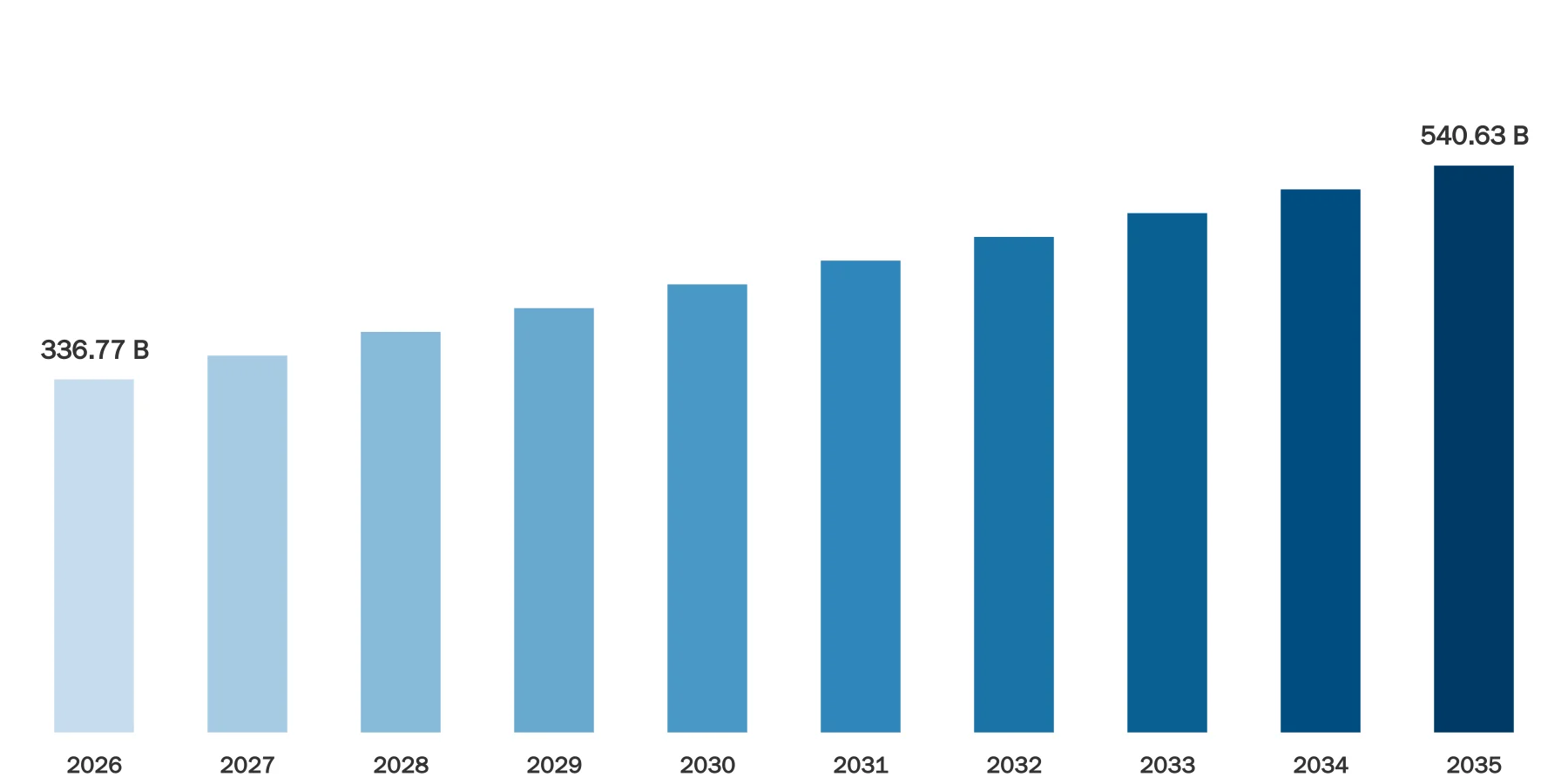
Source: Econ Market Research
The facade material are essential for enhancing the look, functionality, and eco-friendliness of buildings. They are crucial for determining how a building looks, how long it lasts, how energy-efficient it is, and its impact on the environment. Facade materials come in various forms like glass, aluminum, concrete, stone, and composites, each with its own special features and advantages. With the rapid increase in urbanization and construction around the globe, driven by population growth and economic progress, there is a growing need for facade materials. This demand is expected to skyrocket as architects and builders seek out creative solutions that align with changing trends and regulations.
The facade materials market is fuelled by the rise in infrastructure investments, heightened awareness of environmental sustainability, and advancements in material science and manufacturing technologies. The growing urbanization, particularly in developing nations, is fuelling the need for contemporary and visually appealing buildings, leading to increased uptake of cutting-edge facade materials.
Additionally, stringent building regulations focused on enhancing energy efficiency and reducing carbon emissions are promoting the use of high-performance materials that improve thermal insulation and natural lighting in structures. Sustainability is becoming increasingly important in construction projects, leading to a greater demand for eco-friendly materials that are recycled or made from renewable sources. Manufacturers in the facade material market are now prioritizing the development of greener options and adopting sustainable practices to meet customer demands and support global sustainability objectives.
Facade Material Dynamics
An important factor driving this market is the continuing trend of urbanization, particularly in developing countries, which leads to an increased need for construction projects and therefore a higher demand for facade materials. This rise in construction is also influenced by a growing focus on sustainable building methods and energy efficiency, leading to the use of new facade materials that provide better performance and environmental advantages.Furthermore, regulations aimed at improvements in building standards and environmental sustainability have a significant impact on market.
Global building codes are becoming stringent, driving the demand for eco-friendly materials and energy-efficient designs in facade construction. The evolution of material science and manufacturing technology is also playing a key role in expanding the market, leading to the development of innovative materials with superior properties and performance capabilities.
It is true that the market is experiencing some difficulties, like unpredictable changes in raw material costs, interruptions in the supply chain, and uncertainties in geopolitical factors. These challenges can have an effect on the growth and profitability of the market. In this changing landscape, companies in the facade material industry need to constantly come up with new ideas and adjust to the evolving market situation in order to remain competitive and take advantage of opportunities for growth.
Facade Material Drivers
Urbanization and Construction Boom
Urbanization in developing countries is driving the global facade material market. With more people moving to cities, there is a growing need for buildings and infrastructure. This has LED to a surge in construction projects, especially in countries like China and India. High-rise buildings, commercial complexes, and residential towers are being constructed to accommodate the increasing urban population. This urbanization trend not only drives the demand for traditional facade materials like glass, aluminium, and concrete but also stimulates innovation in new materials and construction techniques to meet the diverse needs of modern urban landscapes.
Growing Emphasis on Sustainability and Energy Efficiency
The construction industry is increasingly focused on sustainability and energy efficiency due to environmental concerns and climate change. Facade materials are key to improving a building',s energy performance by enhancing insulation, maximizing daylight, and minimizing heat loss or gain. Global governments are enacting strict building codes to reduce carbon emissions and encourage eco-friendly construction practices.
Consumer awareness about environmental issues is also driving the use of sustainable materials like recycled glass, sustainable timber, and energy-efficient coatings. Manufacturers are investing in research and development to create innovative facade solutions that not only meet regulatory requirements but also offer superior performance in terms of thermal efficiency, durability, and environmental sustainability.
Restraints:
The facade material market is affected by changes in the prices of raw materials, which can impact production costs and profit margins for manufacturers. Fluctuations in the prices of key raw materials like aluminium, glass, and steel are driven by factors such as global demand, currency fluctuations, and geopolitical tensions. This volatility in raw material prices creates difficulties for manufacturers in forecasting and pricing their products, creating uncertainty in the market. Additionally, sudden increases in raw material costs can decrease profit margins and raise operational expenses, impacting the competitiveness of companies in the facade material industry.
Supply Chain Disruptions
The facade material market is at risk due to supply chain disruptions such as transportation bottlenecks, labor shortages, and geopolitical conflicts. Global supply chains are vulnerable to natural disasters, political instability, and pandemics. Factors like port closures, trade disputes, and lockdowns can cause delays in production and delivery of raw materials, components, and finished products. These disruptions not only affect the availability of facade materials but also lead to increased production costs and lead times for manufacturers. Companies need to develop robust risk management strategies and diversify their supply chains to mitigate the impact of potential disruptions and ensure continuity of operations.
Opportunities:
Rising Demand for High-Performance Facade Solutions
As buildings become more focused on energy efficiency, comfort, and aesthetics, manufacturers have a chance to create and provide advanced facade solutions. Architects, developers, and building owners are seeking out new materials that can improve insulation, maximize natural light, and boost visual appeal. To take advantage of this trend, companies should invest in research and development to develop top-of-the-line facade materials with exceptional performance and design options. Moreover, partnerships with architects and developers can help manufacturers understand market needs and tailor their products to meet specific project requirements, unlocking new opportunities for growth and differentiation.
Segment Overview
By Product
The categorization of facade materials based on their design and function separates them into various groups. Ventilated facades have an air space between the building envelope and the cladding material, enabling airflow and moisture regulation. In contrast, non-ventilated facades are solid constructions without an air space, creating a seamless look. There are also hybrid systems and specialized solutions that blend aspects of both ventilated and non-ventilated facades to fulfil specific needs like improved insulation or soundproofing.
By Material
By Material, glass facades are favoured in contemporary architectural styles for their transparency, beauty, and ability to let in natural light. Wood facades give a warm and natural look, with flexibility in design and sustainability. Ceramic facades are known for their durability, weather endurance, and design adaptability, making them suitable for various uses. Metal facades, like aluminum, steel, and copper, are strong, long-lasting, and offer design flexibility for intricate patterns and finishes. Concrete facades provide durability, fire resistance, and thermal mass, making them ideal for high-performance buildings. Other materials include composites, polymers, or sustainable alternatives like recycled materials or bio-based products.
By Application
For weather resistance applications, the emphasis is on safeguarding buildings against external elements like rain, wind, and UV radiation. This necessitates using materials that offer exceptional durability and waterproofing capabilities. Conversely, thermal resistance applications are geared towards enhancing energy efficiency and indoor comfort by minimizing heat transfer through the building envelope. This calls for materials with superior insulation values and thermal performance. Additionally, other applications may encompass Acoustic Insulation, fire resistance, or impact resistance, tailored to specific project needs and environmental considerations.
By End User
Industrial end users, such as factories, warehouses, and manufacturing facilities, often need facade solutions that are durable and affordable to handle rough working environments. On the other hand, residential end users, like single-family homes, multi-family housing developments, and residential complexes, are more focused on having facades that are visually appealing, comfortable, and energy efficient.
Commercial end users include office buildings, retail stores, hotels, and mixed-use developments, which may require facade materials that enhance branding, visibility, and occupant comfort while meeting regulatory requirements and sustainability goals. Each end user segment has unique requirements and preferences, influencing the choice of facade materials and design considerations.
Facade Material Overview by Region
In North America and Europe, sustainable building practices and energy-efficient designs are highly valued, leading to the increased use of advanced facade materials with superior performance. These regions also experience a high demand for renovation and retrofit projects, providing opportunities for manufacturers of facade materials. In Asia Pacific, Latin America, and the Middle East, rapid urbanization, population growth, and infrastructure development drive the construction sector',s growth, creating a strong demand for facade materials for residential, commercial, and industrial projects.
Furthermore, efforts by governments to encourage urban development, enhance quality of life, and boost economic activity are enhancing the demand for facade materials in these areas. Nevertheless, differences in market development, compliance with regulations, and infrastructure for supply chains across regions present obstacles for businesses in the market. To succeed in this competitive landscape, companies need to develop customized strategies to take advantage of growth prospects. It is essential to have a good grasp of local market conditions, comply with regulations, and make use of technological advances in order to thrive in the worldwide facade material market.
Facade Material Market Competitive Landscape
In the competitive landscape of the facade material market, global giants like Saint-Gobain S.A., Schü,co International KG, and Nippon Sheet Glass Co., Ltd. hold substantial market share, leveraging their extensive product portfolios, strong brand recognition, and global distribution networks. These industry leaders continuously invest in research and development to introduce innovative facade solutions that meet evolving customer demands for sustainability, performance, and aesthetics. Regional players, particularly in emerging markets, also play a significant role, offering tailored solutions to meet local preferences and regulatory requirements.
Additionally, niche suppliers specializing in specific materials or technologies contribute to the competitive landscape by targeting niche segments or offering customized solutions for unique project needs. Pricing strategies, technological advancements, and strategic partnerships further shape competition in the market. Collaboration among industry stakeholders, including architects, contractors, developers, and material suppliers, is crucial for addressing complex project requirements and driving innovation.
Facade Material Market Leading Companies:
Saint-Gobain S.A.
Schü,co International KG
Nippon Sheet Glass Co., Ltd.
Arconic Inc.
YKK AP Inc.
Enclos Corp.
Apogee Enterprises, Inc.
Permasteelisa S.p.A.
Kawneer Company, Inc.
HansenGroup Ltd.
Vitro S.A.B. de C.V.
Alcoa Corporation
Sika AG
AGC Inc.
Trespa International BV.
Facade Material Recent Developments
Dec 2023, Saint-Gobain revealed plans to acquire a controlling interest in IMPTEK Chova del Ecuador, a key player in Ecuador',s construction chemicals market, specializing in innovative waterproofing solutions.
Jan 2023, Enclos Corp. successfully acquired PFEIFER Structures America, LLC, aligning with its strategic objective of offering comprehensive custom building envelope solutions. This acquisition broadens Enclos Corp.',s product portfolio to include custom structural glass systems, tensile membrane structures, and kinetic structures, enhancing its ability to deliver tailored solutions across North America.
Facade Material Report Segmentation
Facade Material Market Report Scope & Segmentation
| Attributes | Details |
|---|---|
Market Size (Current) | US$ 336.77 Billion in 2026 |
Market Size (Forecast) | US$ 540.63 Billion in 2035 |
Growth Rate | CAGR of 5.4% from 2026 to 2035 |
Forecast Period | 2026 – 2035 |
Base Year | 2025 |
Historical Data Available | Yes |
Regional Scope | Global |
Segments Covered | By Material
By Product
By End-Use
|
Frequently Asked Questions
Common questions about this report
The study period covers historical insights and forecast projections for the period 2026-2035.
About the Author
Market research expert with years of industry experience

Dipali Bhingare serves as the Market Research Director at Econ Market Research. With a focus on translating complex global economic shifts into actionable business intelligence, she oversees the strategic direction of comprehensive market studies. Her work empowers organizations to navigate volatile industries through data-driven forecasting and deep-dive competitive analysis.
Related Reports
Explore more market insights from the same category