

Engineered Stone Market
Engineered Stone Market Size, Share, Trends, Growth, and Industry Analysis, By Product Type (Engineered Quartz, Polymer Concrete, Engineered Marble), By Application (Countertops, Flooring, Wall Cladding), Regional Analysis and Forecast Period 2026-2035
Engineered Stone Market Overview
As per Econ Market Research analysis, the Global Engineered Stone Market was valued at approximately US$ 29.8 Billion in 2026 and is predicted to reach US$ 55.62 Billion by 2035, expanding at a CAGR of 7.1% over the forecast duration. The base year is 2025.
Engineered Stone Market Size 2025-2035 (USD Billion)

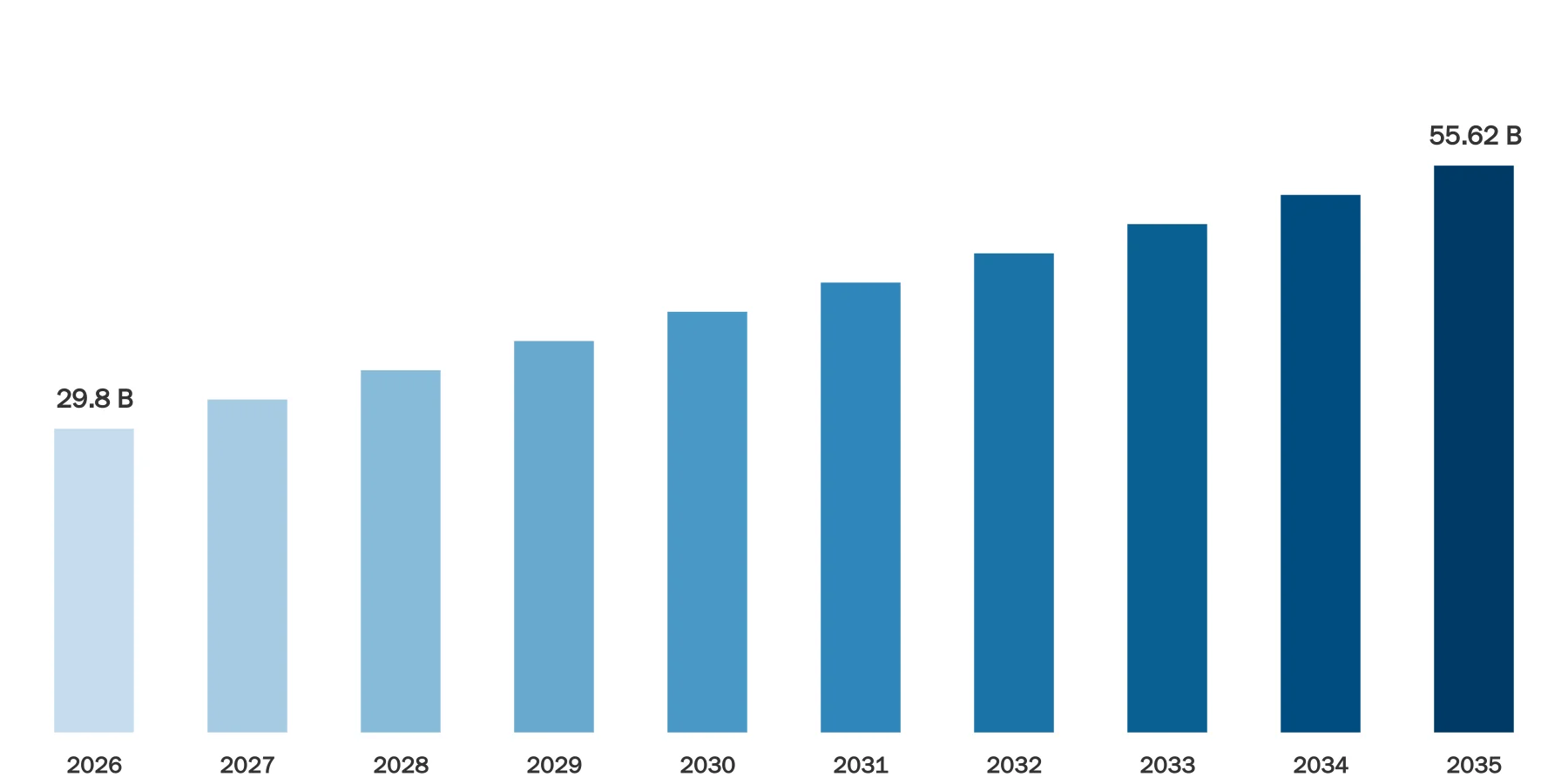
Source: Econ Market Research
Engineered stone, which is also referred to as quartz or composite stone, is a synthetic material made up of natural quartz crystals and resin binders. Unlike natural stone, engineered stone provides a uniform range of colours and patterns, making it a favoured option for countertops, floors, and wall coverings. The demand for engineered stone is rising steadily thanks to its superior qualities such as resistance to scratches and stains, as well as its minimal upkeep needs in contrast to materials like granite and marble.
Over the past few years, the worldwide market for engineered stone has seen significant growth, driven by urbanization, renovations, and a rising interest in high-quality interior finishes. There is a strong demand for engineered stone in both residential and commercial construction, especially in projects where durability and design flexibility are essential. Furthermore, improvements in manufacturing processes have resulted in the production of thinner and larger slabs, increasing the potential uses of engineered stone in architectural designs.
Even with competition from solid surface and Ceramic Tiles, engineered stone remains popular for its performance and cost advantages in mimicking natural stone. As the construction industry shifts towards sustainability, the demand for eco-friendly engineered stone is expected to rise, driven by consumer awareness and regulations. The market for engineered stone is expected to continue growing due to innovation, changing preferences, and the focus on sustainable materials in construction.
Engineered Stone Dynamics
The global engineered stone industry',s market dynamics are driven by a variety of factors that impact its growth. A significant factor is the growing need for sturdy and easy-to-maintain surfaces in both residential and commercial building projects. Engineered stone boasts qualities like scratch resistance, stain resistance, and uniformity in colour and pattern, making it a popular option for countertops, floors, and wall coverings. Additionally, as customers look for products that combine beauty with practicality, the ability of engineered stone to replicate the appearance of natural stone while offering improved performance characteristics continues to drive its use in Interior Design and architectural projects.
Moreover, the recent advancements in manufacturing techniques have completely transformed the engineered stone industry. Now, thinner and larger slabs can be produced, opening up a whole new world of possibilities for using this material in renovation and construction projects. These improvements have also made the production process more efficient, which has lowered costs and made engineered stone more affordable for consumers.
Despite facing challenges such as competition from materials like solid surface and ceramic tiles, as well as fluctuations in raw material prices, manufacturers in the market are actively finding solutions through innovation, product differentiation, and sustainable practices. This ensures that the engineered stone market continues to grow and remain strong in response to changing consumer preferences and industry trends.
Engineered Stone Drivers
Growing Demand for Durability and Low Maintenance Surfaces
The growing popularity of engineered stone is driven by the need for durable and low-maintenance surfaces. Engineered stone offers benefits such as scratch resistance, stain resistance, and consistent colour and pattern, making it a practical choice for consumers seeking longevity and easy upkeep. This material is increasingly favoured for countertops, Flooring, and wall cladding due to its superior properties. This need is especially noticeable in the housing and business building industries, where long-lasting and visually appealing surfaces are crucial for improving the overall attractiveness and usability of indoor areas.
Technological Advancements in Manufacturing Processes
The continuous improvements in manufacturing processes have completely transformed the engineered stone market, drove its expansion and broadening its range of potential applications. Manufacturers have come up with new and creative methods that enable them to create thinner and larger slabs, making engineered stone even more versatile in architectural projects. These advancements have also boosted productivity, leading to reduced costs and making engineered stone more affordable for consumers.
By using state-of-the-art technologies, manufacturers are able to provide personalized solutions that meet the unique design preferences and needs of customers. This technological progress not only enhances the performance and aesthetic appeal of engineered stone but also strengthens its competitive position in the market, driving further adoption and growth.
Restraints:
Competition from Alternative Materials
Even though engineered stone has many benefits, it faces tough competition from alternative materials like solid surface and ceramic tiles. These materials have their own advantages and can be chosen by consumers based on factors like cost, design choices, or environmental concerns. Therefore, the engineered stone market needs to constantly come up with new ideas and make their products stand out to keep their competitive edge and attract customers effectively.
Fluctuations in Raw Material Prices
The synthetic stone industry depends on materials like quartz crystals and resin binders, whose costs can fluctuate due to various factors such as supply chain issues, political conflicts, and shifts in market demand. These fluctuations in material costs can affect manufacturing expenses, potentially causing price instability and impacting profitability. To address this challenge, companies may consider options like expanding their supplier network, improving inventory management, or using hedging tactics to better manage price uncertainties. Additionally, advancements in recycling technologies and the use of alternative raw materials may offer opportunities to reduce dependency on traditional resources and mitigate the impact of price fluctuations on the market.
Opportunities:
Expansion of Eco-Friendly Product Lines
The engineered stone market has a great opportunity in expanding its eco-friendly product lines. As more people become aware of the importance of environmental sustainability, there is a rising need for building materials that have a minimal impact on the environment. To take advantage of this trend, manufacturers of engineered stone can incorporate recycled materials into their products or use sustainable production methods. By providing eco-friendly choices like quartz surfaces made from recycled glass or resin binders sourced from renewable materials, companies can attract environmentally conscious customers and stand out in the market.
Segment Overview
By Product
The market for engineered stone is divided into two main product categories: blocks &, slabs and tiles. Blocks &, slabs are big, sturdy pieces of engineered stone that are mainly used for countertops, wall cladding, and structural purposes. They are favoured by architects, designers, and homeowners who desire premium surfaces with consistent colour and pattern options.
On the other hand, tiles are smaller units of engineered stone that are typically used for floors, walls, and decorative accents. Engineered stone tiles provide the same durability and aesthetic appeal as blocks &, slabs but are tailored for smaller-scale applications, offering flexibility in design and installation with various sizes, shapes, and finishes available.
By Application
When it comes to uses, the engineered stone market includes flooring, countertops, and more. Engineered stone flooring is exceptionally tough and easy to care for, making it a great choice for homes and businesses alike. It is resistant to scratches, stains, and wear, making it perfect for busy areas such as kitchens, bathrooms, and entryways. Countertops are also a popular application for engineered stone, valued for their attractiveness, durability, and simplicity in maintenance. With a variety of colours and designs to choose from, engineered stone countertops provide choices to match any style or aesthetic preference.
Additionally, the ",others", category includes various applications such as wall cladding, backsplashes, and decorative accents, showcasing the versatility and performance of engineered stone across diverse interior design projects. These applications provide additional opportunities for manufacturers to demonstrate the adaptability of engineered stone products in enhancing the visual appeal and functionality of interior spaces.
Engineered Stone Overview by Region
The market for engineered stone differs from region to region around the world. North America and Europe stand out as key regions, thanks to their busy construction projects and a fondness for high-quality interior finishes. These areas have well-established markets with a high number of people using engineered stone products, especially in homes and commercial buildings. Meanwhile, Asia-Pacific is becoming a major growth market due to fast-paced urban growth, infrastructure development, and higher incomes.
China and India, in particular, are experiencing a surge in demand for engineered stone, driven by a growing middle class and increased investments in construction. Furthermore, there is steady growth in the Middle East and Africa due to ongoing urban development projects and a growing hospitality industry. In Latin America, there is potential for market expansion supported by improving economic conditions and increased investments in infrastructure projects. Overall, the engineered stone market is expected to continue expanding globally, driven by changing consumer preferences, technological advancements, and a growing focus on sustainable construction materials.
Engineered Stone Market Competitive Landscape
The market witnesses intense competition among key players striving to enhance their market share through strategies such as product innovation, strategic partnerships, and geographic expansion. Major companies operating in the market include Caesarstone Ltd., Cambria Company LLC, Cosentino S.A., Hanwha Corporation, and Dupont de Nemours, Inc. These companies focus on developing technologically advanced products with superior performance characteristics to cater to the evolving needs of consumers.
Additionally, strategic collaborations with distributors, architects, and designers help these companies expand their market reach and strengthen their brand presence globally. Moreover, investments in research and development activities aimed at enhancing product quality, sustainability, and design versatility remain key priorities for market players. As the demand for engineered stone continues to grow, competition is expected to intensify further, prompting companies to adopt innovative strategies to maintain their competitive edge and capitalize on emerging opportunities in the market.
Engineered Stone Market Leading Companies:
Caesarstone Ltd.
Cambria Company LLC
Cosentino S.A.
Hanwha Corporation
Dupont de Nemours, Inc.
LG Hausys Ltd.
Pokarna Limited
Vicostone Joint Stock Company
Santa Margherita S.p.A.
Quartzforms S.p.A.
Breton S.p.A.
Stone Italiana S.p.A.
Technistone a.s.
Compac Marmol &, Quartz S.L.
Pokarna Engineered Stone Limited
Wilsonart LLC
Dal-Tile Corporation
Engineered Stone Recent Developments
Mar 2022, Hä,fele launched the Terra Quartz surfaces collection, renowned for its durability, versatility, and 20 mm thickness, predominantly featuring Quartz for resilience and creative possibilities.
Mar 2022, ES Group purchased MTI Baths and Aquatica, expanding its reach in the U.S. market. MTI Baths creates top-quality engineered stone and solid surface bathtubs, while Aquatica focuses on luxury solid surface spas, catering to the online direct-to-consumer market in North America.
Engineered Stone Report Segmentation
Engineered Stone Market Report Scope & Segmentation
| Attributes | Details |
|---|---|
Market Size (Current) | US$ 29.8 Billion in 2026 |
Market Size (Forecast) | US$ 55.62 Billion in 2035 |
Growth Rate | CAGR of 7.1% from 2026 to 2035 |
Forecast Period | 2026 – 2035 |
Base Year | 2025 |
Historical Data Available | Yes |
Regional Scope | Global |
Segments Covered | By Product Type
By Application
|
Frequently Asked Questions
Common questions about this report
The study period covers historical insights and forecast projections for the period 2026-2035.
About the Author
Market research expert with years of industry experience

Related Reports
Explore more market insights from the same category