

Anemia Drugs Market
Anemia Drugs Market Size, Share, Trends, Growth, and Industry Analysis, By Drug Class (Erythropoiesis-Stimulating Agents (ESA), Iron Therapy), By Indication (CKD-Induced Anemia, Cancer-Induced Anemia, Iron Deficiency Anemia), By End-User (Hospitals, Specialty Clinics, Homecare), Regional Analysis and Forecast Period 2026-2035
Market Overview
As per Econ Market Research analysis, the Global Anemia Drugs Market valuation stood at US$ 15.82 Billion in 2026 and is expected to reach US$ 23.64 Billion by 2035, growing at a steady CAGR of 4.5% from 2026 to 2035. 2025 serves as the base year.
Anemia Drugs Market Size 2025-2035 (USD Billion)

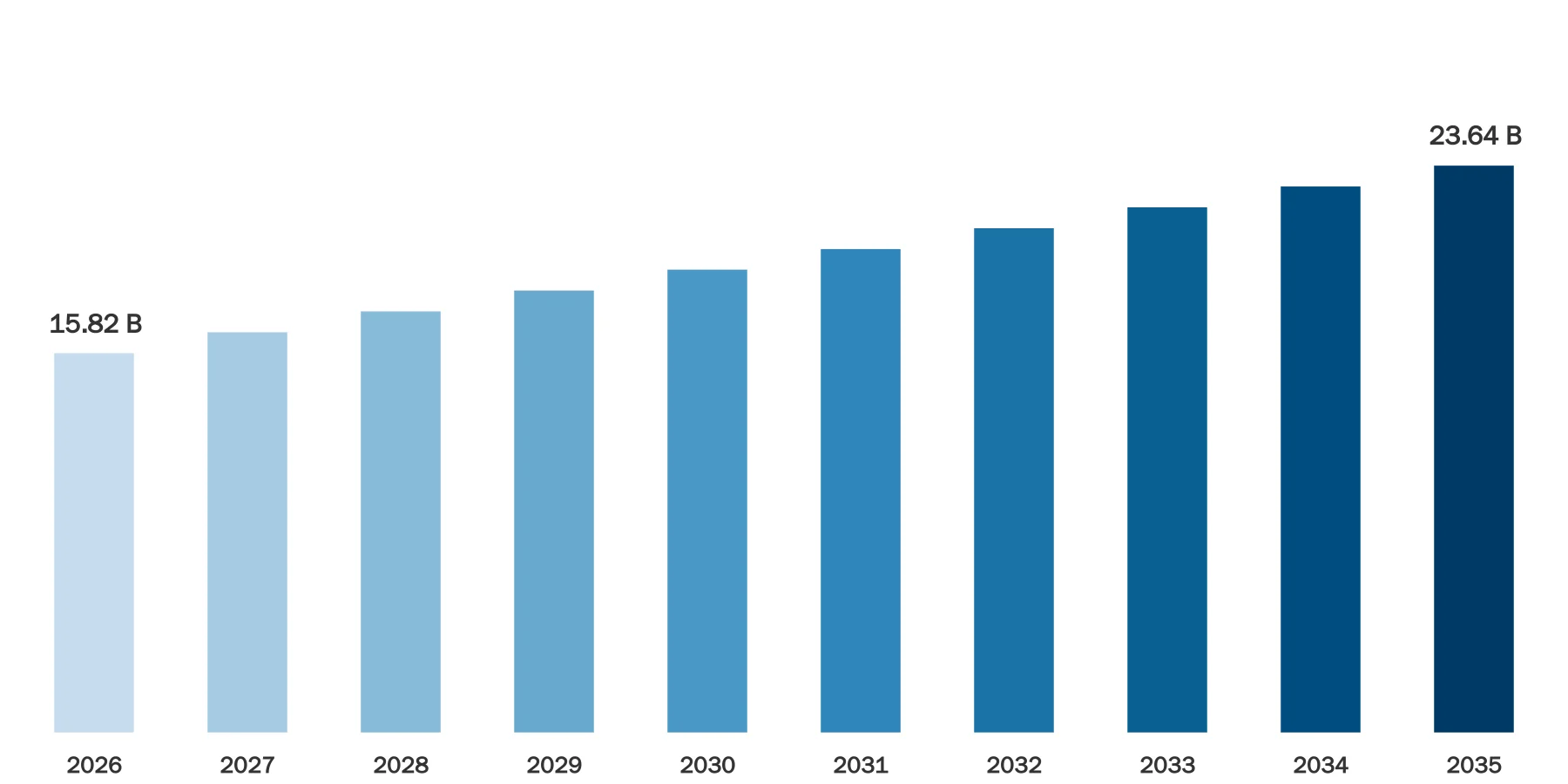
Source: Econ Market Research
The market for anemia medications has expanded significantly as a result of the growing incidence of anemia around the world, especially in emerging nations. Low amounts of hemoglobin or red blood cells cause anemia, which can cause symptoms including weakness and exhaustion that must be effectively treated. The treatment of anemia has changed dramatically with the introduction of novel medications, such as iron supplements and erythropoietin-stimulating agents (ESAs). These medications treat a number of underlying causes of anemia, including iron deficiency, chronic renal disease, and anemia linked to cancer, by increasing the generation of red blood cells or replenishing iron storage. The market for anemia medications is expected to grow steadily due to rising awareness, improvements in healthcare infrastructure, and advances in research.
ANEMIA DRUGS MARKET:
Anemia Drugs Dynamics
The market for anemia medications is fueled by factors including the rising incidence of anemia, particularly in developing nations, and the arrival of innovative treatments. The growing elderly population, who are more vulnerable to anemia because of age-related issues, has an impact on the market as well. Additionally, the market is growing due to improvements in the healthcare infrastructure and rising awareness of anemia treatment alternatives. However, obstacles including the high cost of care, particularly in poorer nations, and the availability of substitute medicines such as blood transfusions are impeding market growth.
Anemia Drugs Drivers
Increasing Prevalence of Anemia
The market for anemia medications is mostly driven by the rising incidence of anemia, especially in emerging nations. This trend is influenced by elements including poor diet, chronic illnesses, and limited access to healthcare. The need for efficient anemia therapies is further increased by demographic changes, such as aging populations. Due to the increasing prevalence of anemia, there is a pressing need for novel medications and treatments to address its various causes, which is propelling the expansion of the pharmacological intervention market.
Advancements in Healthcare Infrastructure
Timely detection and management of anemia is made easier by improved healthcare infrastructure, such as increased distribution networks, specialized treatment centers, and better diagnostic capabilities. The use of new anemia medications is encouraged by access to cutting-edge medical treatments and technologies as well as higher healthcare spending. Opportunities to grow their market share and provide cutting-edge anemia management solutions present themselves for pharmaceutical businesses as healthcare systems adapt to meet the rising demand for high-quality care.
Restraints:
High Treatment Costs
For patients, the costs of obtaining and administering anemia treatments can be exorbitant, especially in areas where access to healthcare is limited or insurance coverage is insufficient. Expensive treatments may also put a strain on healthcare budgets and restrict alternatives for reimbursement, which would lower patient accessibility and affordability. This cost barrier prevents anemia medications from being widely used, which restricts market expansion and exacerbates gaps in healthcare outcomes and access.
Safety Concerns and Side Effects
Certain anemia drugs may have unfavorable side effects, such as thrombotic problems and cardiovascular events, even when they are effective. These safety concerns may result in increased vigilance from prescribers and patients, market withdrawals, or regulatory investigation. Fears of possible danger would discourage people from starting or continuing their therapy, which would undermine market demand and erode trust in anemia medication solutions, preventing the market',s growth and uptake.
Opportunities:
Expanding Geriatric Population
Anemia is more common as people age because of things like chronic illnesses and a decline in red blood cell formation. Effective anemia treatments are in higher demand as the number of elderly people rises since they can enhance quality of life and lower problems. Pharmaceutical companies can benefit from this demographic trend by creating customized treatments and focused interventions that cater to the special requirements of elderly individuals suffering from anemia, hence propelling the market',s expansion.
Technological Advancements in Drug Development
Novel approaches including Biotechnology, computer modeling, and high-throughput screening enable the quick identification and improvement of new therapeutic options. Furthermore, improvements in drug delivery technologies improve the safety and effectiveness of anemia treatments, leading to better patient results and satisfaction. Pharmaceutical businesses can extend their market presence and meet unmet medical needs by developing more potent, focused, and affordable anemic medicines by utilizing these creative ways.
Segment Overview
By Anemia Type
Based on anemia type, the global anemia drugs market is divided into iron deficiency anemia, sickle cell anemia, aplastic anemia, hemolytic anemia, pernicious anemia and others. The iron deficiency anemia category dominates the market with the largest revenue share in 2023. This kind of anemia, which is brought on by low iron levels in the body, is frequently treated with iron supplements to increase the body',s iron reserves and red blood cell formation. A genetic condition known as sickle cell anemia is typified by aberrant hemoglobin, which results in malformed red blood cells.
Treatment options include hydroxyurea treatment, blood transfusions, and pain management. Low levels of red blood cell, white blood cell, and platelet counts result from aplastic anemia, which is caused by insufficient production of blood cells by the bone marrow. Hemolytic anemia, which results from the early breakdown of red blood cells, can be managed by treating the underlying condition, such as an infection or an autoimmune disease.
By Route of Administration
Based on the route of administration, the global anemia drugs market is categorized into oral and injectable. The oral category leads the global anemia drugs market with the largest revenue share in 2023. Oral drugs are administered orally, usually as liquids, tablets, or capsules. Patients can self-administer medication at home with these formulations', convenience and simplicity of use, negating the need for medical assistance.
Iron supplements for iron deficiency anemia and vitamin B12 supplements for pernicious anemia are common oral anemia medications. Using an injection, injectable drugs can be given intravenously (into a vein) or subcutaneously (under the skin). Medication can be quickly and directly delivered into the bloodstream with injectable formulations, avoiding the digestive tract.
Anemia Drugs Overview by Region
The global anemia drugs market is categorized into North America, Europe, Asia-Pacific, and the Rest of the World. North America emerged as the leading region, capturing the largest market share in 2023. First, the area has a large spending on healthcare and a sophisticated infrastructure for healthcare, which makes diagnosis and treatment widely accessible. Effective remedies are in high demand due to the region',s huge aging population, which makes them susceptible to anemia. Furthermore, a supportive regulatory framework and active research and development efforts support the release of novel anemia medications. Moreover, robust partnerships between pharmaceutical firms and academic institutions drive progress in the treatment of anemia, reinforcing North America',s standing as a major player in the international market.
Its rise is driven by multiple factors. First, there is a sizable patient pool because anemia is common in the area',s big and aging population. Secondly, increased spending and better infrastructure for healthcare make diagnosis and treatment more accessible. Demand for novel therapeutics is also fueled by growing awareness of anemia and technological developments in medicine. Additionally, pharmaceutical companies and healthcare stakeholders work together to develop and commercialize innovative anemia medications, which promotes market expansion in the Asia-Pacific area.
Anemia Drugs Competitive Landscape
In the global anemia drugs market, a few major players exert significant market dominance and have established a strong regional presence. These leading companies remain committed to continuous research and development endeavors and actively engage in strategic growth initiatives, including product development, launches, joint ventures, and partnerships. By pursuing these strategies, these companies aim to strengthen their market position, expand their customer base, and capture a substantial share of the market.
Anemia Drugs Market Leading Companies:
GlaxoSmithKline
Global Blood Therapeutics (GBT)
Bluebird Bio
GlycoMimetics
Mast Therapeutics
Fibrogen
Akebia Therapeutics
Bayer AG, and various others.
Anemia Drugs Recent Developments
In February 2023, The FDA in the United States approved GSK Plc',s (GSK.L) novel tab medication as the first oral treatment for anemia brought on by chronic renal disease in adults receiving dialysis for a minimum of four months. The medication Jesduvroq carries a boxed warning about an elevated risk of thrombotic vascular events, which can include blood clots in the legs, lungs, or dialysis access site, as well as mortality, heart attack, and stroke
Anemia Drugs Market Report Segmentation
Anemia Drugs Market Report Scope & Segmentation
| Attributes | Details |
|---|---|
Market Size (Current) | US$ 15.82 Billion in 2026 |
Market Size (Forecast) | US$ 23.64 Billion in 2035 |
Growth Rate | CAGR of 4.5% from 2026 to 2035 |
Forecast Period | 2026 – 2035 |
Base Year | 2025 |
Historical Data Available | Yes |
Regional Scope | Global |
Segments Covered | By Drug Class
By Indication
By End-User
|
Frequently Asked Questions
Common questions about this report
The study period covers historical insights and forecast projections for the period 2026-2035.
About the Author
Market research expert with years of industry experience

Dipali Bhingare serves as the Market Research Director at Econ Market Research. With a focus on translating complex global economic shifts into actionable business intelligence, she oversees the strategic direction of comprehensive market studies. Her work empowers organizations to navigate volatile industries through data-driven forecasting and deep-dive competitive analysis.
Related Reports
Explore more market insights from the same category