

Reclaimed lumber Market
Reclaimed lumber Market Size, Share, Trends, Growth, and Industry Analysis, By Type (Post-industrial Reclaimed, Post-Consumer Reclaimed, Water Reclaimed, Orchard Salvage Reclaimed, Forest Floor Salvage Reclaimed), By Application (Flooring, Paneling andamp; Siding, Beams andamp; Boards, Furniture, Others), By End-Use Industry (Construction, Furniture, Others), Regional Analysis and Forecast Period 2026-2035
Reclaimed lumber Market Overview
As per Econ Market Research analysis, the Global Reclaimed lumber Market reached a valuation of US$ 71.24 Billion in 2026 and is anticipated to grow to US$ 101.13 Billion by 2035, at a CAGR of 3.96% during the forecast timeline 2026–2035. The base year considered is 2025.
Reclaimed lumber Market Size 2025-2035 (USD Billion)

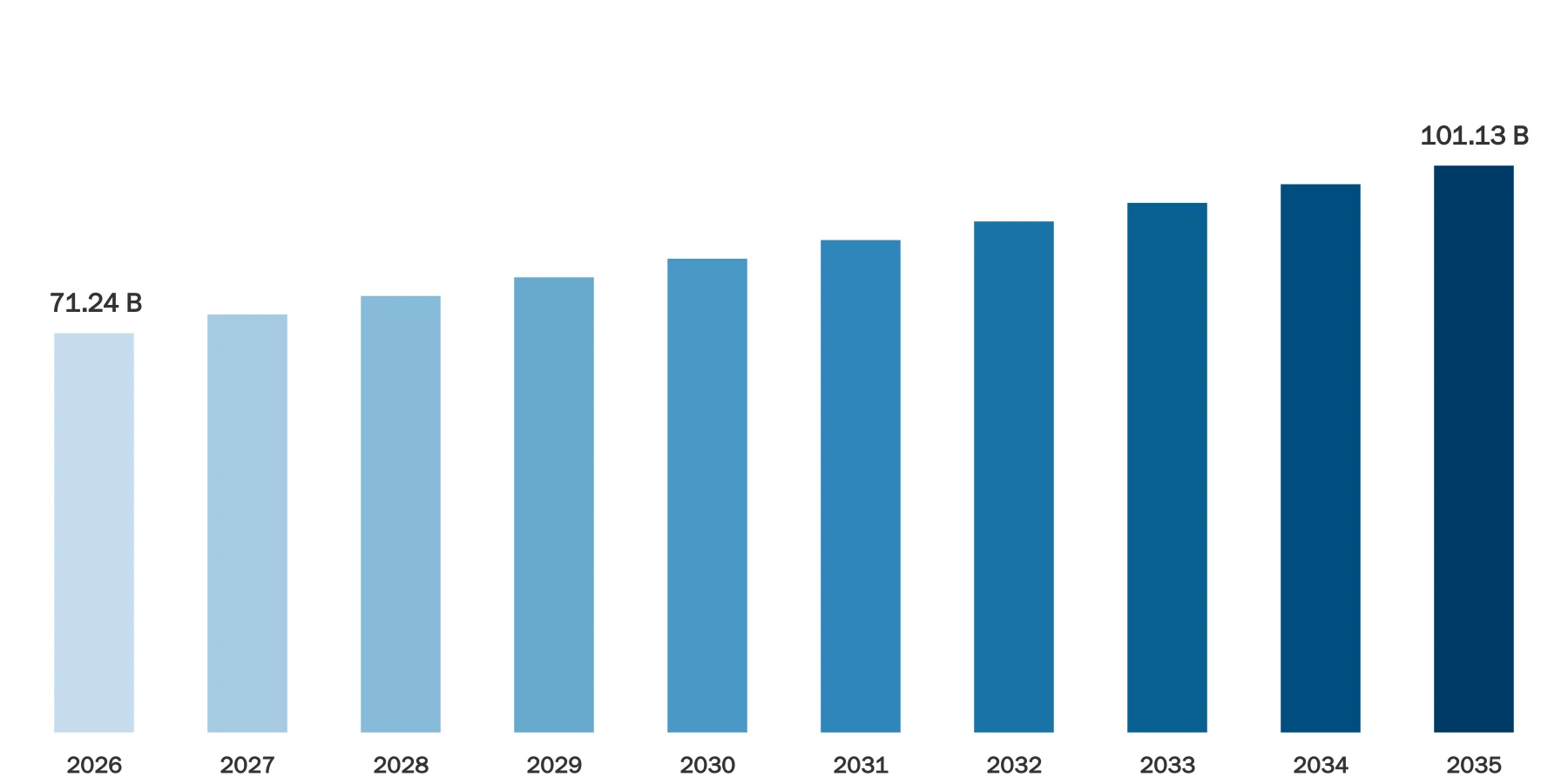
Source: Econ Market Research
Reclaimed timber, sometimes referred to as salvaged or recycled wood, is wood that has been repurposed for new projects after having previously been used in construction or other applications. This eco-friendly method lessens the negative effects of traditional logging and wood production on the environment and lessens the demand on natural resources.
Growing consumer knowledge of the advantages of reclaimed timber, including its distinctive aesthetic appeal, historical significance, and ability to help building projects achieve LEED (Leadership in Energy and Environmental Design) certification, characterises the market. An additional factor driving demand for reclaimed timber is the construction industry',s dedication to sustainable design and green building methods. Furthermore, policies and programmes from the government that support environmentally friendly building materials are crucial in determining the direction of the industry.
Reclaimed Lumber Dynamics
The need for eco-friendly alternatives, such as reclaimed timber, is primarily driven by builders', and architects', growing awareness of sustainable construction practices. The demand is further driven by green building certifications and strict environmental regulations as businesses work to meet sustainability standards. The market is expanding due in part to consumer preferences for unusual and visually appealing materials, as reclaimed timber frequently has unique textures and historical charm.
However, the market faces challenges such as the variability in the quality and availability of reclaimed wood. Sourcing consistent and high-quality materials can be a hurdle for manufacturers and distributors, impacting the reliability of the supply chain. Standardization in grading systems becomes crucial to address these challenges and ensure that reclaimed lumber meets industry standards. Technological advancements in deconstruction and wood reclamation processes are instrumental in overcoming these obstacles, enhancing the efficiency of the entire value chain.
Reclaimed Lumber Drivers
Growing Environmental Awareness
A major factor propelling the worldwide reclaimed timber industry is the growing awareness of environmental issues among consumers and industries alike. In light of the growing emphasis on sustainability in construction, architects and builders are actively looking for substitutes that lessen the environmental impact of conventional building materials. Since reclaimed timber is a resource that has been recycled and repurposed, it supports these green initiatives and increases market demand. Additionally, using reclaimed wood helps to lower the energy, carbon emissions, and deforestation linked to the production of conventional timber.
Stringent Environmental Regulations and Certifications
The reclaimed timber market is driven primarily by the introduction of strict environmental regulations and the growth of green building certifications. Globally, governments are enacting policies to encourage environmentally friendly building practices, and certifications like LEED (Leadership in Energy and Environmental Design) serve as a catalyst for the use of sustainable building materials. Reclaimed timber is becoming more and more popular among construction companies as a way to get certified and comply with regulations, which is fuelling the growth of the market. Because of its compliance with sustainability standards, reclaimed timber is a better option for building projects looking to improve their environmental credentials.
Restraints:
Inconsistent Quality and Supply Challenges
The market is confronted with obstacles because reclaimed wood is not always readily available and of consistent quality, even with the growing demand for reclaimed timber. Manufacturers and distributors may face logistical challenges in sourcing materials that are both consistent in quality and quantity. Variability in reclaimed wood',s qualities can have an impact on the supply chain',s dependability and raise questions about the ability to satisfy consumer demand. To overcome these obstacles and guarantee the reclaimed timber market',s continued growth, grading system standardisation and the establishment of trustworthy supply chains are crucial.
Limited Industry Standardization
The lack of standardized practices in the reclaimed lumber industry presents a restraint to market growth. Without universally accepted grading systems and quality standards, there is potential for confusion among consumers and industry stakeholders regarding the characteristics and performance of reclaimed wood. Establishing comprehensive industry standards is crucial to build trust, facilitate trade, and promote the broader adoption of reclaimed lumber in construction projects. Overcoming this restraint requires collaborative efforts from industry participants, including manufacturers, regulatory bodies, and certification organizations.
Opportunities:
Technological Advancements in Wood Reclamation
The ongoing advancements in technology related to wood deconstruction and reclamation processes present a significant opportunity for the reclaimed lumber market. Innovations in machinery and techniques can enhance the efficiency of reclaiming wood from existing structures, increasing the overall supply of high-quality reclaimed lumber. Investment in research and development to improve these processes can open new avenues for sustainable wood sourcing, addressing the challenge of inconsistent supply and contributing to the market',s growth.
Segment Overview
By Application
The reclaimed lumber market is segmented based on its applications, encompassing a range of uses that highlight the adaptability of reclaimed wood. Firstly, in the Flooring segment, reclaimed lumber is sought after for its unique character and visual appeal, providing a rustic or vintage aesthetic to spaces. Panelling represents another significant application, where reclaimed wood is employed to create distinctive wall coverings that bring warmth and character to interiors. Beams and boards serve structural and decorative purposes, often used to construct frames, ceilings, and other architectural elements, adding a touch of history to modern designs.
Additionally, reclaimed lumber finds application in furniture, contributing to the creation of eco-friendly and aesthetically appealing pieces that resonate with the growing demand for sustainable dé,cor. The ",Others", category encompasses various creative applications, such as accent pieces, art installations, and custom designs, showcasing the versatility of reclaimed wood in unconventional projects.
By End-Use
The reclaimed lumber market is further segmented by end-use, reflecting the diverse sectors that contribute to its demand. In the residential sector, reclaimed wood is popular for its ability to infuse homes with character and charm. Whether used in flooring, furniture, or panelling, reclaimed lumber adds a unique touch that resonates with homeowners seeking sustainable and distinctive design elements. The commercial sector embraces reclaimed lumber for its aesthetic appeal and environmental benefits.
From restaurants and retail spaces to offices, the use of reclaimed wood contributes to a welcoming atmosphere and aligns with corporate sustainability goals. In the industrial sector, reclaimed lumber may be utilized for both functional and aesthetic purposes, such as constructing warehouse structures or creating a distinctive look within industrial spaces. Overall, these end-use segments collectively demonstrate the widespread adoption of reclaimed lumber across various sectors, reflecting a growing preference for sustainable and visually appealing materials in construction and design projects.
Reclaimed lumber Overview by Region
Due to strict environmental regulations and a strong emphasis on sustainable construction practices, North America and Europe emerge as the market leaders. These areas demonstrate a sophisticated awareness of the advantages of reclaimed timber and a strong demand from the commercial and residential sectors. The North American market benefits from the presence of well-established players, technological advancements in wood reclamation processes, and a high level of consumer awareness regarding the environmental benefits of using reclaimed wood, especially in the United States and Canada.
In Europe, countries like the United Kingdom, Germany, and Scandinavia demonstrate a keen interest in eco-friendly building materials, contributing significantly to the growth of the reclaimed lumber market. The European market is characterized by a harmonized regulatory framework promoting sustainable construction, fostering a conducive environment for the adoption of reclaimed wood in various applications.
Asia-Pacific is an emerging player in the reclaimed lumber market, witnessing a growing awareness of sustainability and an increasing preference for eco-friendly solutions. Countries like China, Japan, and Australia are experiencing a shift towards green building practices, creating opportunities for market players to expand their footprint. However, challenges related to standardization and the need for greater awareness still exist in this region.
Reclaimed Lumber Market Competitive Landscape
Key players, including companies such as TerraMai, Elmwood Reclaimed Timber, Vintage Timberworks, and Appalachian Woods, dominate the market with their extensive experience, technological expertise, and wide product portfolios. These industry leaders often focus on strategic initiatives such as mergers, acquisitions, and partnerships to strengthen their market position and expand their geographic reach. Furthermore, these companies invest significantly in research and development to enhance wood reclamation processes, improve the quality of reclaimed lumber, and stay ahead in terms of innovation.
The market also demonstrates the existence of local firms and specialty vendors, who enhance the variety of products and services and target particular market niches. These companies frequently succeed in meeting the rising demand for specialised and customised applications by offering distinctive reclaimed wood products. Collaborations between industry players, such as partnerships between suppliers and manufacturers, to maintain a stable supply chain and satisfy the growing demand for reclaimed timber, further exacerbate the competitive dynamics.
With more businesses entering the market, the competitive landscape is changing as sustainability becomes a top priority in the design and construction sectors. This comprises companies that focus on social responsibility in their operations, use cutting-edge wood reclamation technologies, or specialise in eco-friendly materials.
Reclaimed Lumber Market Leading Companies:
Montana Reclaimed Lumber Co
AltruWood
Vintage Timberworks
Longleaf Lumber
Atlantic Reclaimed Lumber
Carpentier Hardwood Solutions NV
Imondi Flooring
TerraMai
Idaho Reclaimed Lumber Company
Centennial Woods, LLC
Rogue Pacific Reclaimed Lumber
Bingham Lumber Co
Reclaimed Lumber Recent Developments
Oct 2023, Urban Machine is a robotics company dedicated to transforming the green building sector. Their mission involves repurposing extensive amounts of wood waste from construction and demolition sites, turning it into high-volume, locally-sourced, premium lumber products.
Global Reclaimed Lumber Report Segmentation
Reclaimed lumber Market Report Scope & Segmentation
| Attributes | Details |
|---|---|
Market Size (Current) | US$ 71.24 Billion in 2026 |
Market Size (Forecast) | US$ 101.13 Billion in 2035 |
Growth Rate | CAGR of 3.96% from 2026 to 2035 |
Forecast Period | 2026 – 2035 |
Base Year | 2025 |
Historical Data Available | Yes |
Regional Scope | Global |
Segments Covered | By Type
By Application
By End-Use Industry
|
Frequently Asked Questions
Common questions about this report
The study period covers historical insights and forecast projections for the period 2026-2035.
About the Author
Market research expert with years of industry experience

Related Reports
Explore more market insights from the same category