

Dolls Collectibles Market
Dolls Collectibles Market Size, Share, Trends, Growth, and Industry Analysis, By Type (Antique Dolls, Limited-edition Dolls, Celebrity Dolls, Designer Dolls, Others), By Material (Porcelain, Vinyl, Wooden, Rubber, Wax), By Collector Type (Vintage Doll Collectors, Modern Doll Collectors, Baby Doll Collectors), By End-User (Adult Collectors, Young Collectors), Regional Analysis and Forecast Period 2026-2035
Market Overview
As per Econ Market Research analysis, the Global Dolls Collectibles Market valuation stood at US$ 14.68 Billion in 2026 and is expected to reach US$ 27.21 Billion by 2035, growing at a steady CAGR of 7.1% from 2026 to 2035. 2025 serves as the base year.
Dolls Collectibles Market Size 2025-2035 (USD Billion)

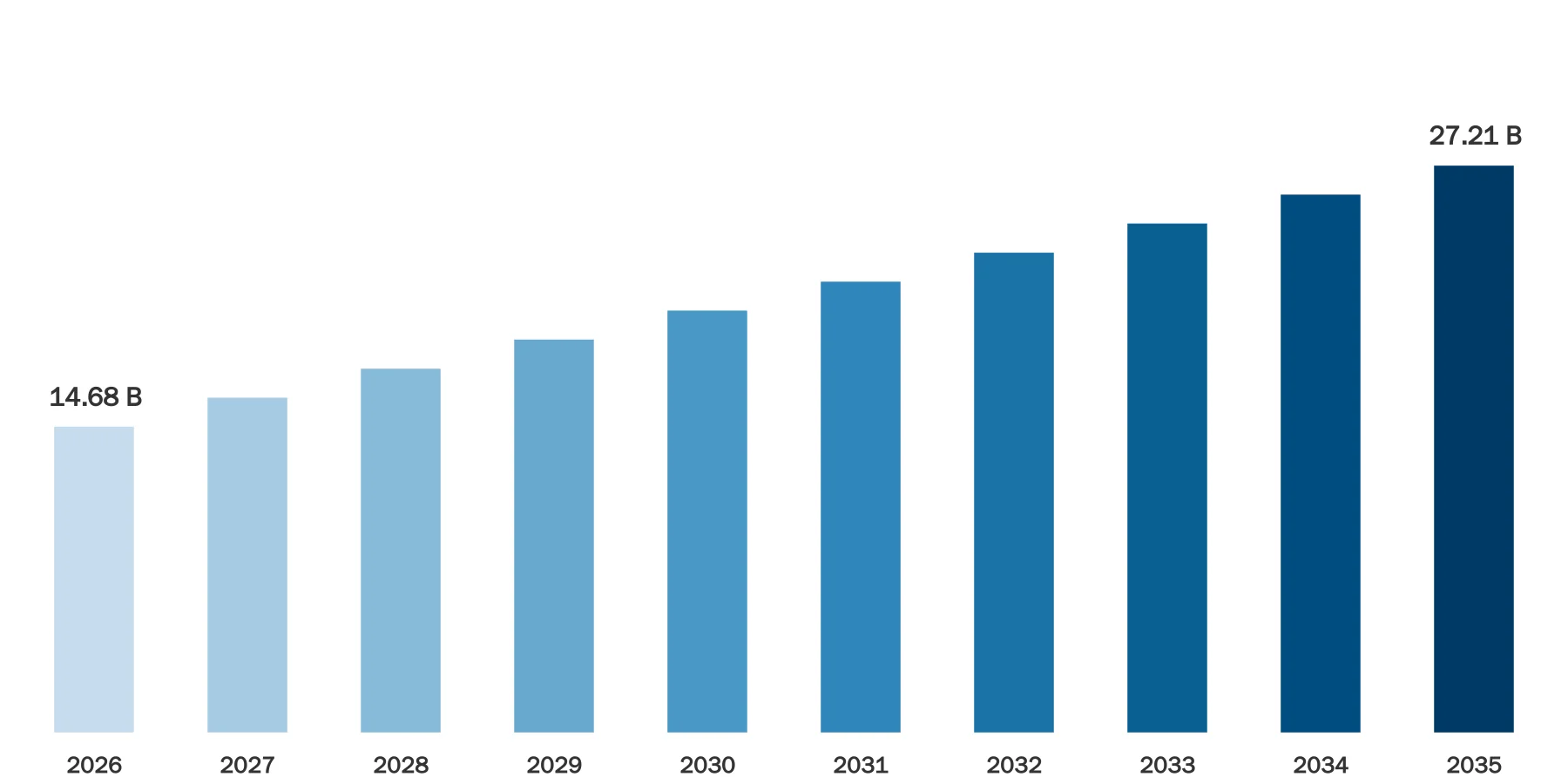
Source: Econ Market Research
Within the larger world of collections, the dolls collectibles market is a thriving niche that includes a wide variety of dolls, from limited edition current releases to antique porcelain dolls. This market draws enthusiasts, collectors, and investors due to its nostalgic appeal, aesthetic appeal, and investment potential. Dolls are treasured objects with centuries-long history and cultural value, they frequently symbolize childhood memories, cultural symbols, and artistic workmanship. The doll collections industry is still active and changing, with both exciting new releases and timeless classics available, as interest in the products grows globally thanks to online platforms, auctions, and specialist events.
Dolls Collectibles Dynamics
The market dynamics for doll collectibles are subject to fluctuations, owing to various factors including scarcity, brand reputation, condition, and cultural trends. Limited edition products and vintage dolls connected to historical events or popular culture may see a sharp increase in demand. Value is heavily influenced by rarity and quality, with flawless examples fetching greater prices. Not to mention the importance of artist recognition and brand reputation&mdash,certain names have prestige and generate demand. Market activity can be influenced by economic factors, including disposable income and consumer confidence. Furthermore, social media and internet platforms influence accessibility and awareness, which adds to the dynamic and ever-changing character of the industry.
Dolls Collectibles Drivers
Limited Edition Releases and Rarity
The market for collectible dolls is significantly influenced by limited edition releases and uniqueness, which incites passionate demand among collectors. Limited editions', intrinsic rarity creates an air of exclusivity that entices collectors to seek out these valuable pieces. The quest for originality and the possibility of future value growth drive this effort. Producers make use of this scarcity in a calculated way, building excitement and expectation for each release to drive demand and increase collectible doll desirability overall.
Heritage and Legacy Brands
The market for collectible dolls is significantly influenced by heritage and legacy businesses. These brands inspire nostalgia and confidence among collectors because of their long history and solid reputation. Those who want to honor and maintain the heritage they represent are drawn to their enduring legacy. Heritage brands', authenticity and skillfulness raise the perceived worth of their dolls, drawing devoted customers and creating a feeling of nostalgia that fuels market expansion and steady demand.
Restraints:
Supply Chain Disruptions
Production, distribution, and availability of collectible dolls are all impacted by supply chain disruptions, which present serious barriers to the market. Lack of raw materials, production hold-ups, and transportation issues can all cause delays in the timely delivery of dolls to customers. These hiccups frequently lead to higher expenses, longer lead times, and possible quality problems, which have an effect on profitability and client pleasure. In order to reduce risks and preserve operational continuity, manufacturers and retailers need to skillfully manage these obstacles by putting emergency plans and supply chain resilience strategies into place.
Regulatory Challenges
Changing laws pertaining to import/export limitations, environmental sustainability, and consumer safety requirements must be strictly followed, which frequently calls for expensive investments in testing, certification, and compliance procedures. Market access and consumer trust may be at risk due to fines, product recalls, and reputational harm resulting from noncompliance with regulatory standards. It takes alertness, flexibility, and proactive interaction with regulatory agencies to navigate this complicated regulatory environment.
Opportunities:
Digital Integration
In the market for collectible dolls, digital integration presents attractive prospects that enhance the collector experience and increase market penetration. With the use of augmented reality (AR) and virtual reality (VR) technology, collectors can present their holdings, take part in online exhibitions, and interact with interactive media in immersive digital settings. Convenient online platforms and apps for doll trading, purchasing, and selling promote international relationships and community involvement. Adopting digital integration promotes innovation, accessibility, and interactivity, which propels market growth and distinctiveness.
Customization and Personalization
Manufacturers can provide collectors with customized alternatives, such as interchangeable accessories, unique designs, and personalized features, which enable them to customize their dolls to suit their tastes and aesthetics. Collectors are more engaged and devoted as a result of this customization, which strengthens the emotional bond and sense of personal significance. Adopting personalization and customization encourages innovation, growth, and consumer happiness while promoting creativity and distinctiveness.
Segment Overview
By Type of Collectors
Based on the type of collectors, the global dolls collectibles market is divided into vintage doll collectors, modern doll collectors, and baby doll collectors. The baby doll collectors category dominates the market with the largest revenue share in 2023. Collectors of baby dolls focus on replicas of infants or toddlers because they value the realism, emotional connection, and lifelike aspects of these dolls.
Collectors of vintage dolls concentrate on obtaining dolls from bygone eras, enjoying their craftsmanship, historical relevance, and nostalgic appeal. On the other hand, contemporary dolls such as fashion dolls, character dolls, or artist dolls distinguished by their avant-garde materials and designs tend to appeal to modern doll collectors.
By Theme
Based on the theme, the global dolls collectibles market is categorized into fantasy and fairy tale dolls, historical and period dolls, movie and tv character dolls. The fantasy and fairy tale dolls category leads the global dolls collectibles market with the largest revenue share in 2023. Dolls that are based on fairy tales, mythological animals, and fantastical settings fall under this category. These dolls frequently have fantastical themes, wacky outfits, and creative designs. Dolls from historical and period periods depict particular eras, societies, or historical personalities. These dolls provide collectors with a window into the past because they are painstakingly made to resemble the attire, way of life, and atmosphere of bygone eras. Dolls fashioned like well-known actors and actresses take use of the broad popularity of successful brands and entertainment properties.
By Types of Dolls
Based on the types of dolls, the global dolls collectibles market is segmented into antique dolls, limited-edition dolls, celebrity dolls, and designer dolls. The celebrity dolls segment dominates the dolls collectibles market. Famous people from a variety of industries, including music, sports, fashion, and movies, serve as inspiration for celebrity dolls. These dolls, which imitate the appearance and fashion sense of famous people, provide followers with a practical way to interact with their idols.
Because of their artistry, uniqueness, and historical relevance, antique dolls are highly valued. These dolls, which reflect the fashions, materials, and methods of their respective times, usually date back several decades or even centuries. Produced in small batches, limited-edition dolls frequently have distinctive features, styles, or packaging.
By Material
Based on material, the global dolls collectibles market is divided into porcelain dolls, vinyl dolls, wooden dolls, rubber dolls, and wax dolls. The rubber dolls category dominates the market with the largest revenue share in 2023. Rubber or latex materials, which are renowned for their flexibility and durability, are used to make rubber dolls. These dolls, with their supple, squeezable bodies, are frequently connected to whimsicality and playfulness.
Wood is used to create wooden dolls, which frequently include characteristics that are hand-painted or carved. These dolls evoke folk art and traditional workmanship, giving them a nostalgic and rustic look. Vinyl is a strong, flexible plastic used to make vinyl dolls. Porcelain, a ceramic material renowned for its delicate and translucent appearance, is used to make porcelain dolls.
Dolls Collectibles Overview by Region
The global dolls collectibles market is categorized into North America, Europe, Asia-Pacific, and the Rest of the World. North America emerged as the leading region, capturing the largest market share in 2023. The area is known for its strong economy, high level of consumer spending power, and rich cultural legacy, which makes doll collecting a highly regarded hobby and past time. Furthermore, a vast variety of doll styles, themes, and materials are in demand due to the diverse population in North America, which has a wide range of tastes and preferences.
Increased consumer expenditure on luxuries and hobby products like collectible dolls is being driven by the region',s rapidly expanding middle class, rising GDP, and rising levels of disposable income. The region',s rich cultural legacy and profound appreciation of artistry and craftsmanship in Asia-Pacific further contribute to the rising market for premium dolls. In addition, the emergence of e-commerce platforms and digital marketing campaigns are speeding up market expansion by giving collector doll lovers in the area simple access to a wide variety of collectible dolls.
Dolls Collectibles Competitive Landscape
In the global dolls collectibles market, a few major players exert significant market dominance and have established a strong regional presence. These leading companies remain committed to continuous research and development endeavors and actively engage in strategic growth initiatives, including product development, launches, joint ventures, and partnerships. By pursuing these strategies, these companies aim to strengthen their market position, expand their customer base, and capture a substantial share of the market.
Dolls Collectibles Market Leading Companies:
Mattel, Inc.
The Madame Alexander Doll Company
Ashton-Drake Galleries
Tonner Doll Company
Precious Moments Company
MGA Entertainment, and various others.
Dolls Collectibles Recent Developments
In August 2023, Pounding the heart A life-sized Barbie Beach HouseTM and Hot Wheels rollercoasters are just a couple of the attractions under construction at Mattel Adventure ParkTM, which when it opens in 2024 will become Arizona',s first completely themed indoor/outdoor entertainment park..
In July 2023, More than other dolls, Barbie evaluation demand has surged by almost 60% as a result of the movie, according to Reuters. Not only did The Barbie Movie bring Mattel back to profitability, but it also dramatically improved the company',s stock performance and completely changed the game for the underperforming brand at the time.
In June 2023, At a US auction, a unique, lifelike doll manufactured in Germany circa 1910 brought $66,000. The ",Kammer &, Reinhardt Walter 102 bisque antique character", doll features a little boy.
Dolls Collectibles Market Report Segmentation
Dolls Collectibles Market Report Scope & Segmentation
| Attributes | Details |
|---|---|
Market Size (Current) | US$ 14.68 Billion in 2026 |
Market Size (Forecast) | US$ 27.21 Billion in 2035 |
Growth Rate | CAGR of 7.1% from 2026 to 2035 |
Forecast Period | 2026 – 2035 |
Base Year | 2025 |
Historical Data Available | Yes |
Regional Scope | Global |
Segments Covered | By Type
By Material
By Collector Type
By End-User
|
Frequently Asked Questions
Common questions about this report
The study period covers historical insights and forecast projections for the period 2026-2035.
About the Author
Market research expert with years of industry experience

Dipali Bhingare serves as the Market Research Director at Econ Market Research. With a focus on translating complex global economic shifts into actionable business intelligence, she oversees the strategic direction of comprehensive market studies. Her work empowers organizations to navigate volatile industries through data-driven forecasting and deep-dive competitive analysis.
Related Reports
Explore more market insights from the same category