

Collectibles Market
Collectibles Market Size, Share, Trends, Growth, and Industry Analysis, By Product Type (Coins andamp; Stamps, Books andamp; Comics, Art andamp; Antiques, Toys andamp; Memorabilia, Others), Regional Analysis and Forecast Period 2026-2035
Collectibles Market Overview
As per Econ Market Research analysis, the Global Collectibles Market reached a valuation of US$ 532.92 Billion in 2026 and is anticipated to grow to US$ 1013.8 Billion by 2035, at a CAGR of 7.399% during the forecast timeline 2026–2035. The base year considered is 2025.
Collectibles Market Size 2025-2035 (USD Billion)

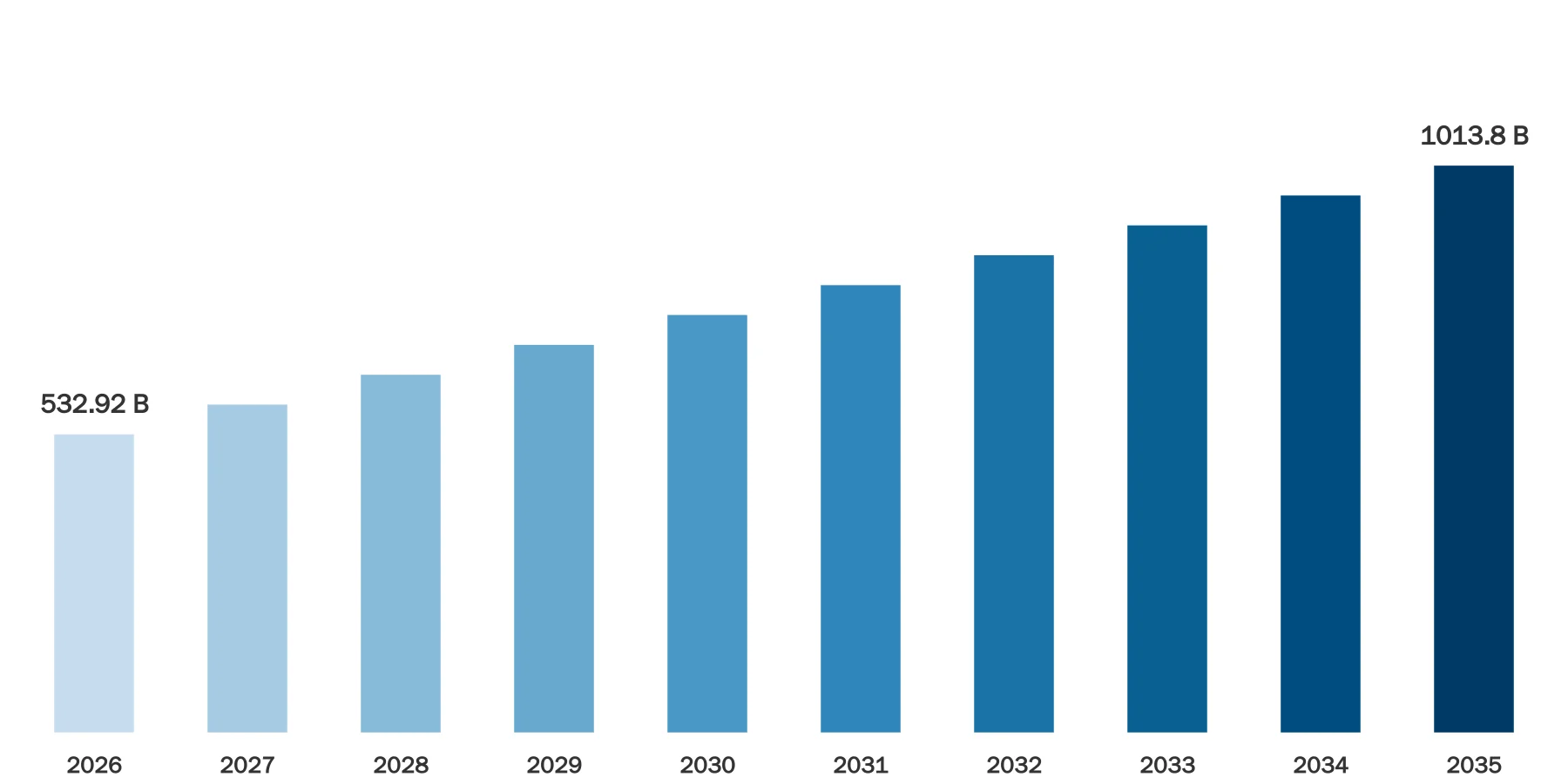
Source: Econ Market Research
The collectibles refer to the purchase, sale, and exchange of items that are valuable because of their scarcity, historical importance, or cultural significance. These items can include coins, stamps, comics, antique furniture, art pieces, and rare toys. Collectors fuel this market by searching for distinctive pieces to add to their collections, motivated by nostalgia, potential financial gain, or a commitment to conserving cultural history. The emergence of online marketplaces and auction sites has made it easier for collectors around the globe to buy and sell collectibles, resulting in greater engagement and expansion within the market.
Recently, there has been a big growth in the global collectibles market. This growth is because people have more money to spend, are looking into different kinds of investments, and technology is making it easier to trade and authenticate collectibles. The market covers many different categories, like coin and currency collecting (numismatics), stamp collecting (philately), and collecting items related to sports, entertainment, and historical events. Blockchain technology is also changing the game by helping to ensure the authenticity and history of collectibles, which is making buyers and sellers more confident. In general, the global market for collectibles is constantly changing, creating challenges and probabilities for both collectors, investors, and industry stakeholders.
Collectibles Dynamics
The global collectibles market is influenced by a variety of factors that affect both the supply and demand. Supply-wise, the rarity, condition, and provenance of items are key in determining their value. As collectors hunt for rare and well-kept pieces, competition grows, resulting in price changes and trends in various market segments. Moreover, the rise of new outlets for collectibles like estate sales, online auctions, and specialty shops adds to the range and accessibility of items for collectors to get their hands on.
Consumers', tastes, economic factors, and cultural shifts all play a role in influential the growth of the market. During times of economic prosperity, people tend to spend more on luxury goods like collectibles. Additionally, changes in popular culture, such as the renewed interest in vintage toys or the rising demand for memorabilia from popular movies and TV series, can impact demand for certain types of collectibles. Moreover, the growth of digital technology and social media has made it easier for collectors to connect and stay informed, driving interest in specialized categories and bringing together enthusiasts from all corners of the globe. The relationship between supply and demand is constantly influencing the global collectibles market, creating challenges and opportunities for industry players.
Collectibles Drivers
Growing Interest in Alternative Investments
As traditional financial markets become more unpredictable, people are turning to alternative investment options like collectibles. Rare coins, art pieces, and vintage toys are examples of collectibles that offer physical assets which can help spread out risk and protect against market changes. As investors look to balance their portfolios and safeguard their wealth, the interest in top-notch collectible items with a track record for investment success is predicted to increase, leading to expansion in the market.
Advancements in Technology
The collectibles market is being transformed by technological advancements, especially in authentication, trading platforms, and market transparency. Blockchain technology, for example, provides secure records of ownership and provenance, building trust and decreasing the probabilities of fake items. Online auction platforms and marketplaces also give collectors greater access to a global community of buyers and sellers, making transactions easier and helping in finding the right prices. With technology constantly improving, it',s expected to make processes more efficient, enhance market capabilities, and increase the number of people taking part in the collectibles market.
Collectibles Restraints:
Counterfeit Concerns
Counterfeiting is still a big problem in the collectibles industry, especially for valuable items like rare coins, art, and autographed memorabilia. The rise in fake products not only damages trust among collectors but also brings financial and legal risks. To tackle this issue, industry need stronger authentication methods, more transparency in transactions, and education for collectors to spot real items. If counterfeiting is not effectively combated, it could hurt the market',s credibility and slow down its growth in the long run.
Regulatory Uncertainty
The market for collectibles is subject to a variety of regulations that differ based on the type of item and location. Tax rules, import/export laws, and compliance obligations can make it difficult for collectors and dealers to operate smoothly. Changes in regulations or enforcement practices can also affect market trends and investor confidence. Improved regulations and global standards could reduce uncertainties and support the growth of the market.
Collectibles Opportunities:
Digital Transformation
The ongoing shift to digital technology is creating new opportunities for creativity and expansion in the collectibles market, especially in online authentication, virtual exhibitions, and digital asset ownership. NFTs, which are unique digital assets stored on blockchain platforms, have become popular as a fresh type of collectible, providing digital rarity and provable ownership.
By incorporating digital tools into traditional collection methods, can make collecting more accessible, encourage community involvement, and appeal to a younger generation of collectors who are comfortable with digital technology. Embracing digital transformation can position market participants to capitalize on evolving consumer preferences and market trends, driving long-term value creation and innovation in the collectibles market.
Segment Overview
By Type of Collectible
By Type of Collectible, the collectibles market is segmented into art, antiques, coins, stamps, toys, comic books, memorabilia, Jewellery, watches, books, wine, autographs, musical instruments, vintage clothing, historical documents, and other unique items like fossils and collectible cars.
Each subcategory in the world of collecting, there is a unique market filled with passionate individuals who appreciate and invest in a wide range of items. From art lovers and coin collectors to stamp enthusiasts and vintage toy fans, there is something for everyone. These collectibles each hold their own special significance, whether it be historical, cultural, or monetary value. They cater to a diverse group of people with varying interests and passions in the vast world of collecting.
By Age of Collectible
By Age of Collectible, the market is segmented into ancient, vintage, modern, and contemporary categories. Understanding the age profile of collectibles is essential for assessing their historical significance, rarity, and potential value appreciation over time. The significance of ancient collectibles lies in their cultural and historical importance, while vintage items can trigger feelings of nostalgia and hold sentimental value. In contrast, modern and contemporary collectibles are designed to appeal to changing consumer preferences and reflect current art trends and popular culture phenomena.
By Material
By Material, the collectibles market is segmented into gold, silver, bronze, paper, ceramic, plastic, wood, fabric, stone, glass, and other materials like enamel and leather. Each collectible item has its own distinct features that enhance its beauty and longevity. Rare materials such as gold and silver are highly valued for their scarcity and inherent worth, while materials like ceramic and glass are admired for their artistry and intricate designs.
Knowing the makeup of collectibles is crucial for collectors and investors to evaluate their worth, legitimacy, and potential for increase in value. Moreover, advancements in technology have introduced innovative materials to the market, broadening the selection of materials for enthusiasts to discover and collect.
By Distribution Channel
By Distribution Channel, the collectibles market is segmented into online platforms like eBay and Etsy, auction houses, retail stores, specialty collectible shops, direct sales, trade shows, exhibitions, and private sales. Online platforms like eBay and Etsy offering collectors the opportunity to explore a wide range of items and connect with sellers from around the globe. Auction houses play a significant role in the distribution of rare and valuable collectibles, holding both live and online auctions where bidders compete to acquire sought-after items.
Local retail stores and specialty shops cater to collectors looking for unique treasures, providing personalized shopping experiences within their communities. Direct sales offer collectors the chance to purchase items directly from sellers, eliminating the need for middlemen and allowing for price negotiations based on mutual agreements. Trade shows and exhibitions are great for collectors to show off their collections, meet other enthusiasts, and find new items for their portfolios. Private sales and negotiations allow for a more private and personalized way of buying and selling collectibles, often involving valuable items and exclusive transactions.
By End-User
By End-User, the market is segmented into individual collectors, investors (both individuals and institutions), gift buyers, hobbyists, museums, institutions, corporations (for corporate gifts and promotions), interior designers, and decorators. This category covers different types of collectors, such as those who collect items purely for personal enjoyment or as a hobby, as well as investors, both individuals and organizations, who see collectibles as a potential way to make money.
People who buy collectibles as gifts do so to give to others for special occasions or as a way to show appreciation. Museums and other institutions collect items for preservation, research, and public exhibition, helping to preserve cultural heritage and educate the public. Companies use collectibles for corporate gifts, promotions, or to enhance their brand image and build client relationships. Collectibles are also used by interior designers and decorators to add charm and style to their projects.
Collectibles Overview by Region
In North America, especially the United States, the collectibles market is thriving due to a large number of collectors, established auction houses, and a vibrant pop culture scene. Europe also enjoys a strong presence in the market, with the United Kingdom, Germany, and France playing key roles in the art, antiques, and numismatic collectibles sector.
In Asia Pacific, countries like China, Japan, and South Korea are seeing rapid growth in collectibles, driven by higher disposable incomes, urbanization, and a growing interest in both Western and domestic cultural artifacts. Furthermore, there are exciting opportunities for business growth in emerging markets like Latin America, the Middle East, and Africa. These regions have seen an increase in wealthier individuals, a focus on preserving cultural traditions, and improved access to global markets due to digital technologies.
Collectibles Market Competitive Landscape
Major online platforms such as eBay, Heritage Auctions, and Catawiki dominate the digital space, offering extensive collections and facilitating transactions for collectors globally. Licensed collectible manufacturers like Funko and Hasbro leverage popular franchises such as Star Wars and Marvel to produce a wide range of figurines and memorabilia, catering to dedicated fan bases. Traditional offline retailers and auction houses such as Christie',s and Sotheby',s maintain a strong presence in the market, providing expert appraisals, curated collections, and live bidding experiences for high-end collectors and investors. E-commerce giants like Amazon also play a significant role in the market, offering a wide selection of collectible items and leveraging their extensive reach and logistics infrastructure to capture market share.
Collectibles Market Leading Companies:
Traditional Auction Houses
Heritage Auctions
Sotheby',s
Christie',s International plc
Spink &, Son
Toy &, Pop Culture Collectibles
Funko, Inc.
Hasbro, Inc.
Sideshow Collectibles
Pop Mart
Sports Memorabilia &, Trading Cards
Fanatics
The Upper Deck Company, LLC
Lelands, Inc.
Hake',s Americana &, Collectibles, Inc.
Digital &, NFT Collectibles
VeVe
Dapper Labs
Larva Labs
OpenSea
Collectibles market Recent Developments
Apr 2024, Darren Rovell launched a media brand for the collectibles market. Roverll praised CLLCT as a unique media outlet for sports memorabilia enthusiasts, highlighting their roles as collectors, reporters, and champions. This unique combination enables them to provide unmatched insights, insider content, and compelling narratives.
Dec 2023, eBay Inc. and COMC, a pioneer in the sports trading cards sector, have unveiled a commercial agreement aimed at propelling the growth of the Trading Card hobby. Additionally, the deal includes an investment by eBay in COMC. This collaboration underscores eBay',s unwavering dedication to bolstering sellers and collectors within The Hobby, offering inventive solutions to empower their pursuits and ignite their interests. COMC was founded with the vision of transforming the collecting journey for trading card enthusiasts through technological advancements and innovative approaches, thereby alleviating common challenges and enabling fellow collectors to fully immerse themselves in what they love.
Sep 2023, Youtooz, the producer of immensely popular collectibles reshaping the licensed products landscape, has set the stage for expansion through a substantial investment from Decathlon Capital Partners. With over 500 limited-edition figures introduced, Youtooz captures the essence of internet heroes and influencers, spanning memes, musicians, content creators, and beyond.
Apr 2023, Mattel, Inc. has unveiled plans for an upcoming enhancement to its Mattel Creations Virtual Collectibles Platform, set to introduce its own peer-to-peer marketplace. This platform will enable owners of Mattel virtual collectibles to exhibit, exchange, and sell their assets. Coinciding with this update, the launch of Series 5 of the Hot Wheels NFT Garage will occur simultaneously. Mattel',s peer-to-peer marketplace is supported by Rarible, a prominent company in the virtual collectible&rsquo,s realm, facilitating creators and their communities to thrive throughout their journey. Alongside Rarible, Mattel has collaborated with several top-tier technology providers, including Magic, a leading provider of wallet-as-a-service solutions, to realize its Virtual Collectibles Platform vision.
Collectibles Report Segmentation
Collectibles Market Report Scope & Segmentation
| Attributes | Details |
|---|---|
Market Size (Current) | US$ 532.92 Billion in 2026 |
Market Size (Forecast) | US$ 1013.8 Billion in 2035 |
Growth Rate | CAGR of 7.399% from 2026 to 2035 |
Forecast Period | 2026 – 2035 |
Base Year | 2025 |
Historical Data Available | Yes |
Regional Scope | Global |
Segments Covered | By Product Type
|
Frequently Asked Questions
Common questions about this report
The study period covers historical insights and forecast projections for the period 2026-2035.
About the Author
Market research expert with years of industry experience

Related Reports
Explore more market insights from the same category