

Docking Station Market
Docking Station Market Research Report: Information Based on By Product (Laptop, Smartphones), By Connectivity (Wired, Wireless), By Distribution Channel (Online, Offline), and Region (North America, Europe, Asia-Pacific, and Rest of the World) Global Industry Analysis, Size, Share, Growth, Trends, Regional Analysis, Competitor Analysis and Forecast
Market Overview
As per Econ Market Research analysis, the Global Docking Station Market was estimated at US$ 2.2 Billion in 2026 and is forecast to attain US$ 3.6 Billion by 2035, expanding at a CAGR of 6.4% between 2026 and 2035. The base year for the study is 2025.
Docking Station Market Size 2025-2035 (USD Billion)

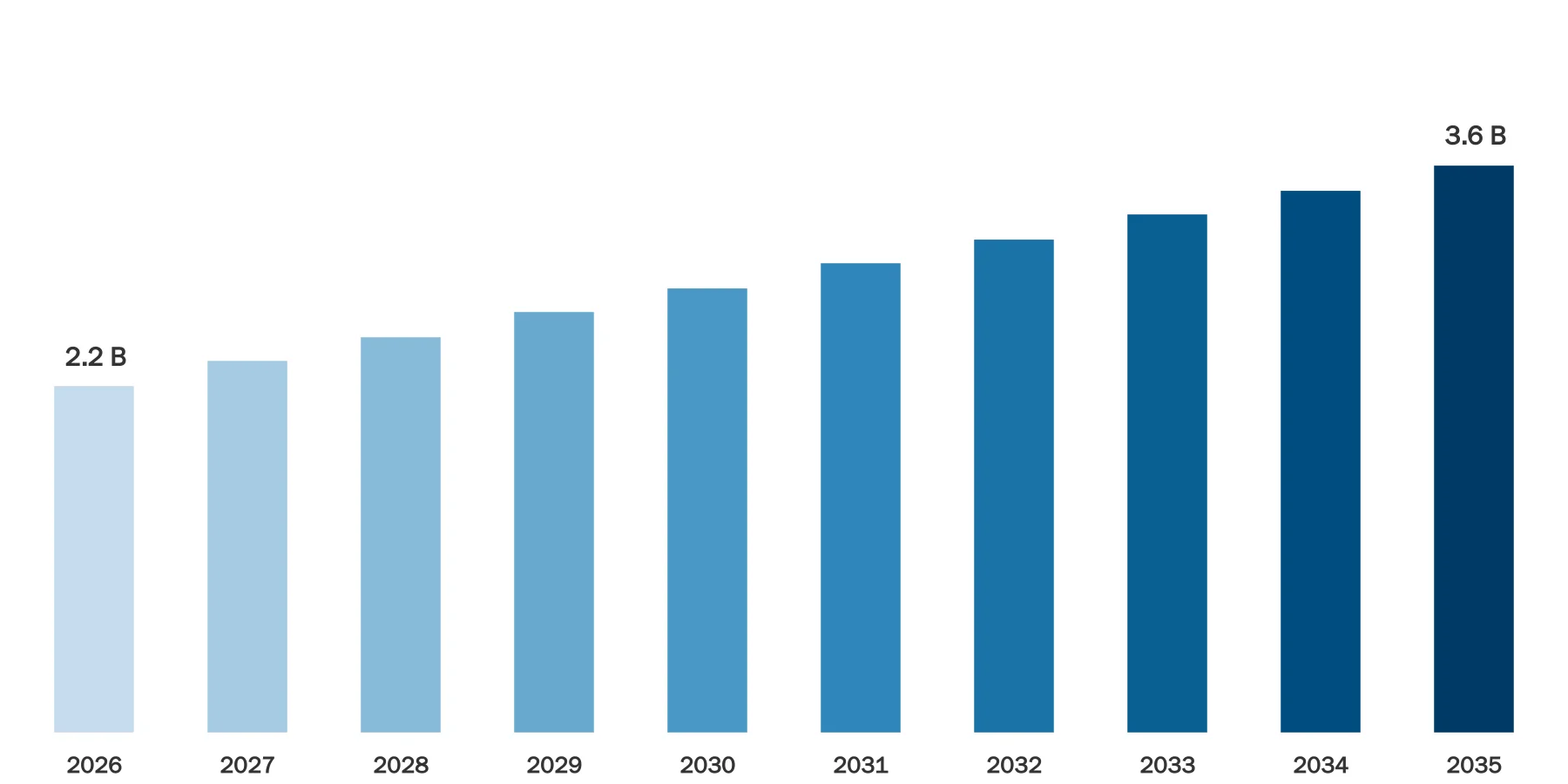
Source: Econ Market Research
A docking station is an essential piece of Electrical Equipment that enables seamless connectivity between portable computers and various other devices. Widely integrated into laptops, cell phones, hard drives, and more, these stations facilitate data transfer, charging, and synchronization. In the realm of autonomous robots, sensor-based navigation algorithms allow them to automatically dock with precision to docking stations for direction. A notable example is Roombas robotic vacuum cleaners, equipped with infrared sensors that emit beams towards the docking station. Upon detecting these rays, the Roomba navigates and aligns itself to attach securely to the docking station, ensuring efficient charging and maintenance operations.
Docking Station Market Dynamics
The market dynamics of the docking station industry are shaped by various factors. Drivers include the growing popularity of Bring-Your-Own-Device (BYOD) work culture, increasing adoption of cloud computing, and the rising trend of remote working. However, there are also restraints such as compatibility issues with different laptops and the emergence of wireless alternatives. The opportunities lie in developing docking stations compatible with cloud-based applications and catering to the demand for remote working setups. The market is highly competitive, with major players continually innovating to provide high-speed connectivity and enhanced features for laptops and smartphones
Docking Station Market Drivers
The global docking station market is experiencing significant growth due to the rising importance of these devices in diverse applications such as corporate, education, healthcare, and retail. The increasing demand for docking stations across these industries is a major driver behind the market',s expansion. As businesses, educational institutions, healthcare facilities, and retail stores seek efficient solutions for connectivity and seamless data transfer, the demand for docking stations continues to surge, propelling the market forward. This trend is expected to persist as the need for versatile and reliable connectivity solutions becomes more prominent in various sectors.
The global docking station market is witnessing significant growth, fuelled by the increasing popularity of the Bring-Your-Own-Device (BYOD) work culture. With BYOD becoming a prevalent practice in many organizations, employees are using their personal devices for work purposes. Consequently, there is a rising demand for docking stations as they enable seamless connectivity of these personal devices to corporate networks and peripherals. The convenience and efficiency offered by docking stations in accommodating BYOD needs have led to their surging adoption, contributing to the market',s expansion. As BYOD continues to gain traction, the demand for docking stations is expected to grow further.
Restraints
The market for docking stations faces constraints due to compatibility issues with different laptops. Not all docking stations are universally compatible, posing a challenge for users seeking seamless integration with their specific laptop models. This limitation can lead to frustration and inconvenience for consumers who find their laptops incompatible with available docking solutions. As a result, potential customers often restrained themselves from purchasing docking stations, hindering market growth. Addressing compatibility concerns and ensuring broader compatibility with a wider range of laptops will be crucial for manufacturers to overcome this restraint and tap into the market',s full potential.
Opportunities
The growing adoption of cloud computing presents significant opportunities for the docking station market. As cloud-based applications and data become pervasive in the IT industry, docking stations can serve as essential connectors to facilitate seamless access and utilization of cloud resources. Manufacturers can capitalize on this trend by developing versatile docking solutions that ensure compatibility with a wide array of cloud-based applications, enhancing user convenience and productivity. Additionally, the rising trend of remote working opens doors for docking station advancements tailored to meet the demands of remote setups. By offering user-friendly and flexible docking solutions, companies can tap into the growing market for remote work accessories and drive further market expansion.
Segment Overview
By Product
The global docking station market is segmented based on the products into laptops and smartphones. Docking stations designed for laptops offer users a convenient solution to transform their laptops into desktop-like workstations by providing additional ports, connectivity options, and charging capabilities. On the other hand, smartphone docking stations offer seamless connectivity and charging solutions for mobile devices, enhancing their usability in various settings. This market segmentation allows manufacturers to cater to the specific needs of laptop and smartphone users, providing tailored solutions that optimize productivity and connectivity for both devices, thus driving overall market growth.
By Connectivity
The global docking station market is segmented based on connectivity into wired and wireless docking stations. Wired docking stations use physical cables to connect to devices, providing a stable and reliable connection. They are well-suited for high-performance tasks and situations where a continuous and fast data transfer is crucial. On the other hand, wireless docking stations offer the convenience of cable-free connectivity, allowing users to connect their devices effortlessly without the need for physical connections. This segment caters to users seeking more flexibility and mobility in their workspaces. By offering both wired and wireless options, the market can address diverse user preferences and requirements, driving the growth of the docking station market.
By Distribution Channel
The global docking station market is segmented based on distribution channels into online and offline sales. Online distribution channels include e-commerce platforms and official websites of docking station manufacturers, providing customers with the convenience of shopping from the comfort of their homes or offices. This segment has witnessed significant growth due to the increasing popularity of online shopping and the ease of product comparison and reviews. On the other hand, offline distribution channels encompass physical retail stores, electronic stores, and authorized dealerships, catering to customers who prefer a hands-on shopping experience or seek immediate product availability. By offering docking stations through both online and offline channels, the market can efficiently reach a wide range of consumers, driving market growth and accessibility.
Docking Station Market Overview by Region
North America
North America holds a dominant position in the global docking station market and is expected to continue its strong presence in the future. The region',s dominance can be attributed to several factors. Firstly, North America has a robust and technologically advanced IT industry, leading to high adoption of docking stations in various sectors, including corporate, education, and healthcare. Secondly, the growing trend of remote working and the increasing use of laptops and smartphones in the region further drive the demand for docking stations. Additionally, the presence of key market players, innovative product offerings, and extensive distribution networks contribute to North America',s market dominance. These factors combined position North America as a significant market for docking stations, with continued growth and opportunities in the foreseeable future.
Asia Pacific
The global docking station market is experiencing tremendous growth in terms of compound annual growth rate (CAGR), and this trend is expected to continue in the future. The increasing adoption of Bring-Your-Own-Device (BYOD) policies in organizations, along with the rising trend of remote working, is driving the demand for docking stations worldwide. Moreover, the growing popularity of cloud computing and the need for seamless connectivity across devices further contribute to the market',s rapid expansion. With ongoing advancements in technology, innovative product developments, and expanding applications, the docking station market is poised for significant CAGR growth, promising a bright future ahead.
Docking Station Market Competitive Landscape
The competitive landscape of the docking station market is characterized by intense rivalry among key players, striving to gain a competitive edge in this rapidly evolving industry. Manufacturers are focused on enhancing product portfolios to cater to diverse consumer needs, offering docking stations with advanced features, compatibility, and seamless connectivity. Innovation and technological advancements play a crucial role in shaping the competition, with companies continuously investing in research and development to stay ahead of the curve. Additionally, strategic partnerships, mergers, and acquisitions are common strategies adopted by market players to expand their market presence and seize opportunities in the dynamic docking station market.
Key Players
Dell Technologies Inc.
StarTech.com Ltd.
ACCO Brands Corporation
HP Development Company, L.P.
Lenovo Group Limited
Plugable Technologies
Toshiba Corporation
Acer Inc.
Samsung Electronics Co., Ltd.
Targus International LLC
Logitech International S.A.
Kensington Computer Products Group
Belkin International, Inc.
Anker Innovations Ltd.
UGREEN Group Limited
Docking Station Market Recent Developments
In January 2023, Dell unveiled its latest product, the Thunderbolt Dock 10G, aimed at delivering lightning-fast connectivity for laptops featuring Thunderbolt 4 ports. This cutting-edge dock boasts two Thunderbolt 4 ports, two USB-A ports, an HDMI port, an SD card reader, and a Gigabit Ethernet port.
In February 2023, HP introduced its latest innovation, the Thunderbolt Dock G2, aimed at delivering high-speed connectivity for laptops equipped with Thunderbolt 3 ports. This advanced dock features one Thunderbolt 3 port, three USB-A ports, an HDMI port, a DisplayPort port, and a Gigabit Ethernet port.
Docking Station Market Report Scope & Segmentation
| Attributes | Details |
|---|---|
Market Size (Current) | US$ 2.2 Billion in 2026 |
Market Size (Forecast) | US$ 3.6 Billion in 2035 |
Growth Rate | CAGR of 6.4% from 2026 to 2035 |
Forecast Period | 2026 – 2035 |
Base Year | 2025 |
Historical Data Available | Yes |
Regional Scope | Global |
Segments Covered | By Type
By Connectivity
By Application
|
Frequently Asked Questions
Common questions about this report
The study period covers historical insights and forecast projections for the period 2026-2035.
About the Author
Market research expert with years of industry experience

Dipali Bhingare serves as the Market Research Director at Econ Market Research. With a focus on translating complex global economic shifts into actionable business intelligence, she oversees the strategic direction of comprehensive market studies. Her work empowers organizations to navigate volatile industries through data-driven forecasting and deep-dive competitive analysis.
Related Reports
Explore more market insights from the same category