

Biomass Market
Biomass Market Size, Share, Trends, Growth, and Industry Analysis, By Feedstock (Agricultural Waste, Forest Waste, Animal Waste, Municipal Waste), By Technology (Combustion, Gasification, Anaerobic Digestion, Pyrolysis), By Application (Power Generation, Heat Generation, Transportation Fuel, Others), By End-User (Industrial, Residential, Commercial), Regional Analysis and Forecast Period 2026-2035
Market Overview
As per Econ Market Research analysis, Global Biomass Market size stood at US$ 108.19 Billion in 2026 and is projected to reach US$ 159.54 Billion by 2035, growing at a CAGR of 4.41% over the forecast period 2026–2035. 2025 is taken as the base year.
Biomass Market Size 2025-2035 (USD Billion)

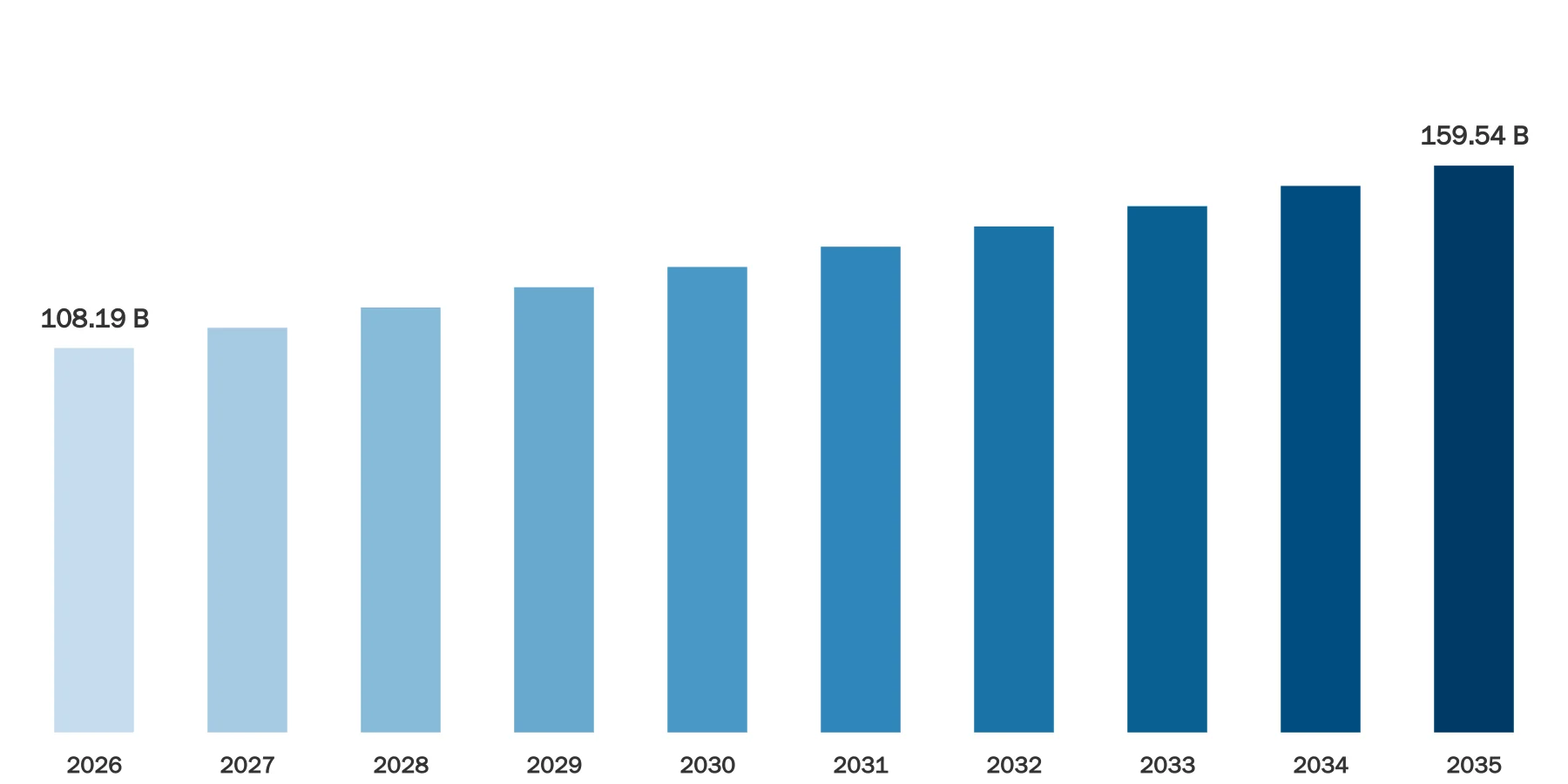
Source: Econ Market Research
The use of organic materials, such as plant and animal wastes, for the creation of energy is the main focus of the dynamic biomass market. Biomass presents a viable substitute for conventional fossil fuels, emphasizing sustainable and renewable resources. Greenhouse gas emissions can be decreased by converting biomass into a variety of energy sources, such as solid Bioenergy, biogas, and biofuels. The biomass market is essential to promoting the shift towards a greener and more sustainable energy landscape as people look for cleaner and more ecologically friendly energy sources.
Biomass Market Dynamics
Growing consciousness about climate change and the need for sustainable substitutes fuels the market for biomass. The development of biomass conversion technologies, government incentives, and clean energy-promoting laws all support market growth. The production of heat, power, and biofuels can all be served by biomass, making it a flexible solution. Technological developments, changing regulatory frameworks, and variations in feedstock prices and availability all have a big impact on market trends. Within the broader renewable energy spectrum, the biomass industry is shaped by the dynamic interplay of policy environments, technological innovation, and environmental concerns.
Biomass Market Drivers
Renewable Energy Mandates
Policies requiring governments to set targets for the use of renewable energy sources, such wind, solar, and biomass, are a key motivator in the energy sector. By reducing reliance on finite fossil fuels and mitigating climate change, these laws seek to address environmental issues. A minimum percentage of energy generation from renewable sources is mandated by regulations and policies implemented by governments. Innovation and investment are encouraged as a result of the market demand this generates for renewable technologies.
Technological Advancements
Biomass is becoming a more competitive and viable energy source overall thanks to ongoing advancements in conversion technologies. Technological developments in the areas of combustion, gasification, and biofuel production result in higher energy outputs and less environmental damage. Innovative technologies facilitate the economical and sustainable extraction of energy from biomass, drawing investments and encouraging the integration of biomass into conventional energy networks. In order to address obstacles, open up new markets, and establish biomass as a dynamic and changing part of the global energy landscape, these innovations are essential.
Restraints:
Feedstock Availability and Price Volatility
For biomass projects, it can be difficult to maintain a steady and dependable fuel source due to the restricted and irregular availability of biomass feedstocks, such as forestry byproducts or agricultural leftovers. Feedstock price fluctuations can affect project planning and profitability by reducing the economic viability of biomass operations. The biomass business faces challenges in maintaining its competitiveness and growth over other energy sources due to its reliance on seasonal and geographical factors, which intensifies the complexity of feedstock supply and price stability.
Infrastructure Constraints
Insufficient infrastructure for gathering, moving, and processing biomass impedes the effective growth and expansion of biomass initiatives. Inadequate logistical assistance can cause delays and raise operating expenses, which reduces biomass',s overall viability as an energy source. Inadequate infrastructure standardization exacerbates inefficiencies and complicates the creation of smooth supply chains. To improve the sustainability and general acceptance of biomass within the larger energy landscape, significant investments in infrastructure development, including as storage facilities and transportation networks, are necessary to overcome these obstacles.
Opportunities:
Carbon Neutral Initiatives
Biomass becomes an essential part of the switch to sustainable energy as communities and businesses throughout the world work to become carbon neutral. Because biomass is a renewable resource that can trap carbon, it supports these programs by providing a carbon-neutral energy source. Biomass has a major role in reducing climate change since it may substitute traditional fossil fuels in a variety of uses. As the emphasis on carbon neutrality grows, biomass is positioned as a crucial component of a greener future, fostering more investment, innovation, and market expansion.
Growing demand for biofuels
Biofuels made from biomass are becoming more and more popular as governments enact laws supporting greener options and worries about climate change grow. Transportable and carbon-neutral, biomass is a viable feedstock for the generation of biofuels. Demand for biofuels is higher due to the growing emphasis on lowering dependency on traditional fossil fuels. In addition to addressing environmental issues, this demand stimulates research and investment, fostering a favorable market climate that will support the growth of biofuels derived from biomass, which is essential to the world',s shift to greener and more sustainable energy sources.
Segment Overview
By Type
Based on type, the global biomass market is divided into wood, alcohol fuel, biomass gas, and others. The market is dominated by wood biomass, which includes using wood and products produced from wood to produce energy. The generation of alcohol-based fuels, or bioethanol and biodiesel, is the focus of the biofuels industry. Anaerobic digestion and gasification are two processes that produce biogas and syngas, which are collectively referred to as biomass gas.
By Product
Based on the product, the global biomass market is categorized into biodiesel, biogas, bioethanol, and others. The bioethanol category leads the global biomass market with the largest revenue share in 2023. One kind of alcohol fuel made by fermentation is called bioethanol, and it is mostly made from crops like corn, sugarcane, and other biomass feedstocks. It is frequently mixed with gasoline to produce biofuel, which lowers transportation-related greenhouse gas emissions. A renewable fuel made from biomass, specifically vegetable or animal fats, or recycled cooking oil, is biodiesel.
By Applications
Based on applications, the global biomass market is segmented into residential, commercial, and industrial. The industrial segment dominates the biomass market. Biomass is used in the industrial sector to meet process heat requirements and generate energy on a bigger scale. Businesses use biomass as a fuel for bio-based products, to produce steam, and to generate energy. Businesses, organizations, and public spaces that use biomass for heating and cooling are included in the commercial sector. In the domestic sector, heating using biomass is a prevalent practice.
Biomass Market Overview by Region
The global biomass market is categorized into North America, Europe, Asia-Pacific, and the Rest of the World. North America emerged as the leading region, capturing the largest market share in 2023. With the help of encouraging government regulations and incentives, the region',s aggressive adoption of biomass technologies has sped up industry expansion. Projects involving biomass, from the production of bioenergy to sustainable forest management, have seen substantial investments, particularly from the United States and Canada.
North America is well-positioned to play a major role in the worldwide shift towards cleaner and more environmentally friendly energy sources, thanks in part to growing awareness of climate change and a desire to minimize carbon footprints. Throughout the forecast period, Asia-Pacific is anticipated to post a significant CAGR. Interest in renewable and sustainable energy sources has increased due to the region',s growing population, industrialization, and rising energy demand.
Government programs and regulations that support the use of biomass for energy production help to expand the market. Additionally, a suitable environment for biomass projects is provided by an abundance of biomass materials, such as organic waste and agricultural wastes. The use of biomass technologies is further boosted by growing environmental consciousness and the need to address air pollution concerns, making Asia-Pacific a major contributor to the global biomass market',s growth.
Biomass Market Competitive Landscape
In the global biomass market, a few major players exert significant market dominance and have established a strong regional presence. These leading companies remain committed to continuous research and development endeavors and actively engage in strategic growth initiatives, including product development, launches, joint ventures, and partnerships. By pursuing these strategies, these companies aim to strengthen their market position, expand their customer base, and capture a substantial share of the market.
Biomass Market Leading Companies:
AES Corporation
Drax
Alstom
Siemens
Foster and Wheeler
AA Energy Ltd
A S NaturEnergie GmbH
ABI Energy Consultancy Services
AE E Lentjes GmbH, and various others.
Biomass Market Recent Developments
In September 2023, the biogas venture by Reliance Industries demonstrates the growth of the biomass sector in India. The CEO and managing director of Thermax Ltd., Ashish Bhandari, recently provided an intriguing statistic. Thermax established Thermax Onsite Energy Solutions Ltd (TOESL) ten years ago as a subsidiary to install biomass-fired plants on clients', properties and offer them steam.
In March 2023, Marathon Petroleum Corp. said that it has paid $50 million to Cresta Fund Management to acquire a 49.9% stake in LF Bioenergy, an up-and-coming US supplier of renewable natural gas (RNG). According to the agreement, if specific earn-out objectives are met, there is a possibility for an additional $50 million.
In July 2022, An agreement has been announced by Clean Energy Systems, Inc. (CES) to purchase the idle Madera Biomass Power Plant, which is situated in Madera County, California. The current building will be transformed into a biomass carbon removal and storage (BiCRS) plant by CES.
In June 2022, the production of H2-rich gas using biomass gasification has recently advanced. Excellent benefits are provided by biomass gasification for the production of hydrogen (H2), including carbon neutrality, high efficiency, renewable energy sources, and environmental advantages.
Biomass Market Report Segmentation
Biomass Market Report Scope & Segmentation
| Attributes | Details |
|---|---|
Market Size (Current) | US$ 108.19 Billion in 2026 |
Market Size (Forecast) | US$ 159.54 Billion in 2035 |
Growth Rate | CAGR of 4.41% from 2026 to 2035 |
Forecast Period | 2026 – 2035 |
Base Year | 2025 |
Historical Data Available | Yes |
Regional Scope | Global |
Segments Covered | By Feedstock
By Technology
By Application
By End-User
|
Frequently Asked Questions
Common questions about this report
The study period covers historical insights and forecast projections for the period 2026-2035.
About the Author
Market research expert with years of industry experience

Dipali Bhingare serves as the Market Research Director at Econ Market Research. With a focus on translating complex global economic shifts into actionable business intelligence, she oversees the strategic direction of comprehensive market studies. Her work empowers organizations to navigate volatile industries through data-driven forecasting and deep-dive competitive analysis.
Related Reports
Explore more market insights from the same category