

Bioactive Ingredients Market
Bioactive Ingredients Market Size, Share, Trends, Growth, and Industry Analysis, By Product (Fiber, Vitamins, Omega 3 PUFA, Plant Extracts, Minerals, Carotenoids & Antioxidants, Probiotics, Other Products), By Application (Functional Food & Beverage, Dietary Supplements, Clinical Nutrition, Personal Care, Other Applications), Regional Analysis and Forecast Period 2026-2035
Market Overview
As per Econ Market Research analysis, Global Bioactive Ingredients Market size stood at US$ 234.32 Billion in 2026 and is projected to reach US$ 470.05 Billion by 2035, growing at a CAGR of 8.1% over the forecast period 2026–2035. 2025 is taken as the base year.
Bioactive Ingredients Market Size 2025-2035 (USD Billion)

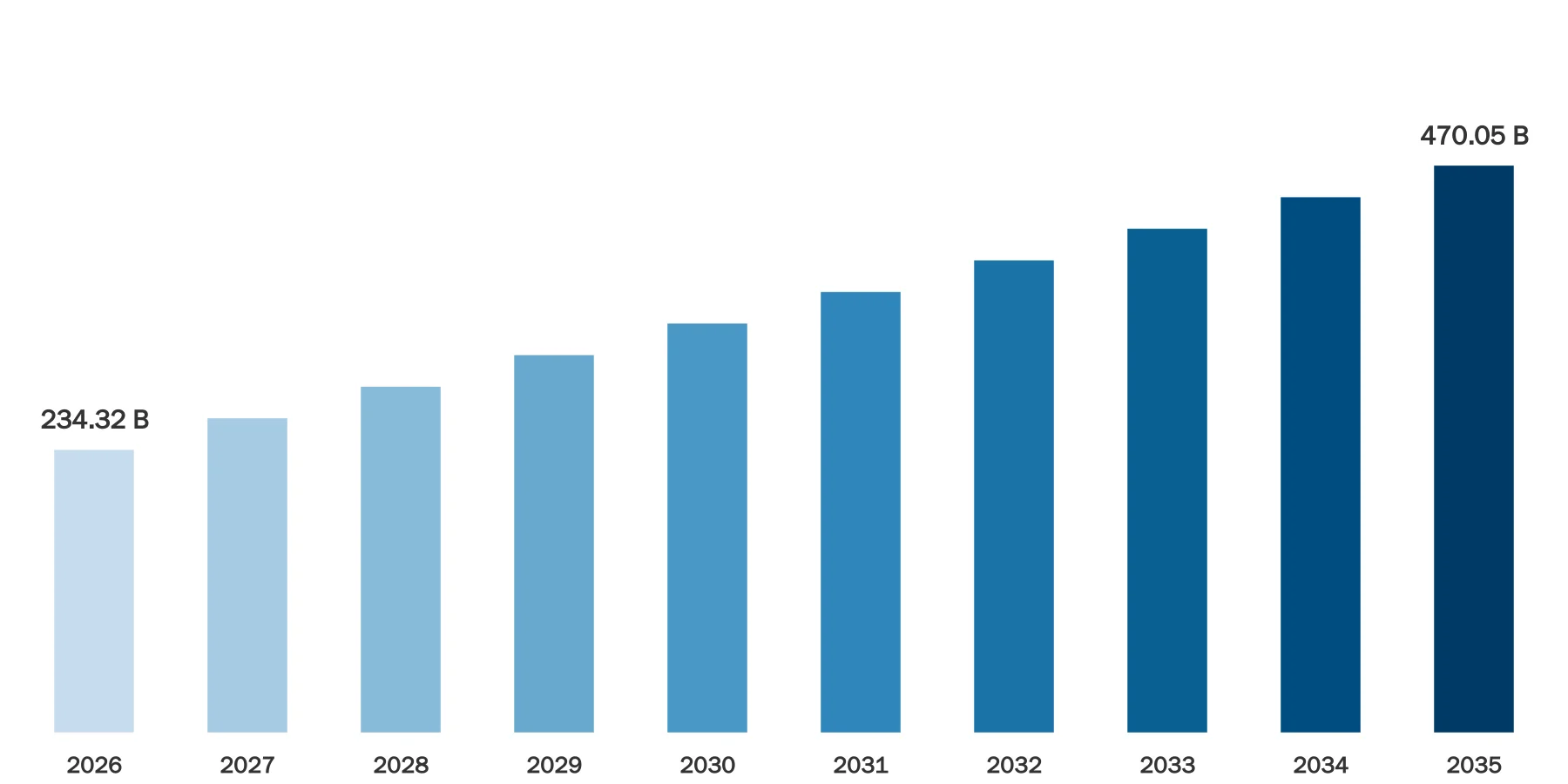
Source: Econ Market Research
The Bioactive Ingredients Market Report highlights the growing integration of functional compounds into food, nutrition, and pharmaceutical products. Bioactive ingredients such as vitamins, probiotics, carotenoids, and plant extracts are increasingly used in more than 65% of functional food formulations worldwide. Over 2,500 bioactive compounds have been identified in plants, microorganisms, and marine sources. Approximately 70% of nutraceutical products contain at least 2–3 bioactive compounds to improve health benefits such as immunity, digestion, and metabolic balance. In global dietary supplement manufacturing, more than 55% of formulations contain bioactive ingredients derived from botanical sources. The Bioactive Ingredients Market Analysis also indicates that over 45% of consumers aged 25–55 actively seek products containing probiotics, antioxidants, and omega-3 fatty acids, driving demand across food, pharmaceutical, and personal care sectors.
The United States Bioactive Ingredients Market Research Report shows strong demand due to high functional food consumption. Nearly 75% of American adults consume dietary supplements, and more than 60% of these supplements contain bioactive compounds such as omega-3 fatty acids, vitamins, and probiotics. The U.S. functional food category accounts for nearly 38% of the total bioactive ingredient usage in North America. More than 1,200 nutraceutical manufacturing facilities operate across the country producing functional foods, beverages, and supplements enriched with bioactive ingredients. Additionally, approximately 52% of U.S. consumers prefer plant-based bioactive ingredients derived from botanical extracts and natural antioxidants. The Bioactive Ingredients Industry Analysis also shows that over 40 million Americans consume probiotic products daily, significantly supporting demand across the functional nutrition and clinical nutrition segments.
Market Latest Trends
The Bioactive Ingredients Market Trends indicate increasing integration of nutraceutical ingredients into everyday food products. Currently, more than 58% of functional food products launched globally contain at least one bioactive compound, including vitamins, plant extracts, and probiotics. Bioactive peptides and plant-derived antioxidants are widely used in more than 1,000 newly launched functional beverages each year. Additionally, omega-3 enriched foods represent nearly 22% of functional food innovations worldwide.
Consumer demand for immunity-boosting products has significantly influenced the Bioactive Ingredients Market Growth, with nearly 65% of global consumers prioritizing immunity and digestive health when purchasing nutritional products. This trend has led to increased incorporation of probiotics, vitamins, and carotenoids in dietary supplements and functional foods. The probiotic segment alone contributes to nearly 35% of functional food formulations, with more than 500 probiotic strains being researched for nutritional applications.
Technological advancements are also shaping the Bioactive Ingredients Industry Report, particularly in microencapsulation and fermentation technologies. Over 40% of nutraceutical manufacturers now use microencapsulation techniques to stabilize sensitive bioactive compounds such as omega-3 fatty acids and carotenoids. In addition, fermentation-derived bioactive compounds have increased by approximately 30% in product launches since 2022, improving bioavailability and stability in functional foods, beverages, and supplements.
Market Dynamics
DRIVER:
Increasing Demand for Functional Foods and Nutraceuticals
The primary driver in the Bioactive Ingredients Market Outlook is the rapid expansion of functional foods and nutraceuticals. Globally, more than 4 billion consumers regularly purchase functional food products, and nearly 55% of these products contain bioactive compounds such as probiotics, vitamins, plant extracts, and omega-3 fatty acids. The functional beverage segment alone represents nearly 25% of all new food product launches worldwide, with more than 1,200 new functional beverage products introduced annually containing bioactive compounds.
Health awareness is another significant factor boosting the Bioactive Ingredients Market Insights, as nearly 70% of consumers worldwide actively seek foods that support immunity, heart health, and digestion. Bioactive ingredients such as carotenoids, flavonoids, and probiotics are widely used in products targeting metabolic health, gut health, and antioxidant protection. In addition, more than 60% of dietary supplement formulations globally contain vitamins or botanical extracts, further strengthening demand for bioactive compounds in nutraceutical and pharmaceutical industries.
RESTRAINT
High Extraction and Processing Complexity
A major restraint affecting the Bioactive Ingredients Industry Analysis is the complexity of extraction, purification, and stabilization processes. Extracting bioactive compounds from plant and marine sources requires advanced technologies such as supercritical CO₂ extraction, solvent extraction, and enzymatic processing. These technologies require specialized equipment used in more than 40% of industrial nutraceutical manufacturing facilities, increasing operational complexity.
Bioactive compounds such as carotenoids and omega-3 fatty acids are highly sensitive to heat, light, and oxygen exposure. Studies indicate that nearly 30–35% of bioactive compounds degrade during processing and storage, reducing product effectiveness. Furthermore, more than 20% of small-scale nutraceutical manufacturers face challenges in maintaining ingredient stability and shelf life, limiting large-scale commercialization. These technical limitations create challenges in maintaining consistent quality, affecting the broader Bioactive Ingredients Market Size and production scalability.
OPPORTUNITIES
Expansion of Personalized Nutrition
The emergence of personalized nutrition is creating new opportunities in the Bioactive Ingredients Market Forecast. Personalized dietary products formulated using bioactive ingredients are growing rapidly as consumers increasingly demand customized nutritional solutions. More than 35% of health-focused consumers globally are interested in personalized nutrition plans supported by specific bioactive compounds such as probiotics, vitamins, and omega-3 fatty acids.
Advancements in nutrigenomics and microbiome research have identified over 1,000 gut microbial strains associated with human health, encouraging the development of targeted probiotic and prebiotic formulations. Additionally, nearly 45% of digital health platforms now offer personalized supplement recommendations based on genetic, metabolic, or microbiome analysis. These developments create strong opportunities for the Bioactive Ingredients Market Opportunities, particularly for companies developing precision-based nutritional products.
CHALLENGES
Regulatory Compliance and Safety Standards
Regulatory complexity represents a major challenge in the Bioactive Ingredients Industry Report. Bioactive ingredients used in food, dietary supplements, and pharmaceuticals must comply with strict regulatory frameworks across more than 100 global regulatory agencies. Different regions have varying safety guidelines for botanical extracts, probiotics, and nutritional ingredients, creating compliance challenges for manufacturers.
Approximately 25% of new bioactive ingredient formulations require additional clinical validation before approval, delaying product launches. Furthermore, global safety authorities review nearly 1,500 nutraceutical product applications annually, with extensive documentation requirements related to ingredient safety, toxicity testing, and dosage limits. The need for compliance with multiple international regulations increases operational complexity for manufacturers operating across global markets.
SWOT Analysis
Strengths
More than 2,500 naturally occurring bioactive compounds identified in plant and marine sources.
Over 65% of functional food products globally incorporate bioactive ingredients.
Nearly 70% of dietary supplement formulations contain vitamins, antioxidants, or probiotics.
More than 40% of nutraceutical innovations focus on plant-based bioactive compounds.
Weaknesses
Approximately 30% of bioactive ingredients degrade during processing or storage.
Over 20% of small manufacturers face challenges with ingredient stability.
Extraction technologies require specialized equipment used in nearly 40% of processing facilities.
More than 15% of botanical extracts show variability in active compound concentration.
Opportunities
Over 35% of global consumers show interest in personalized nutrition products.
Nearly 45% of digital health platforms recommend personalized supplements.
Functional beverage launches containing bioactive compounds increased by 30% between 2022 and 2024.
More than 1,000 probiotic strains are currently under clinical and nutritional research.
Threats
Bioactive ingredients must comply with regulatory frameworks in more than 100 countries.
Nearly 25% of nutraceutical formulations require additional clinical validation.
Quality control challenges affect approximately 18% of botanical ingredient supply chains.
Climate change impacts cultivation of medicinal plants used for more than 40% of plant-based bioactive compounds.
Segmentation Analysis
The Bioactive Ingredients Market Size and Share is segmented by product and application, reflecting diverse industrial use across nutraceuticals, pharmaceuticals, and food manufacturing. Bioactive ingredients derived from plants, marine sources, microorganisms, and fermentation processes are widely integrated into food products, supplements, and personal care formulations. More than 60% of global nutraceutical products contain at least two bioactive ingredients, demonstrating strong product diversification. Applications span functional food, dietary supplements, clinical nutrition, and cosmetic formulations, with the functional food sector accounting for nearly 45% of overall bioactive ingredient utilization worldwide.
By Product
Fiber
Dietary fiber bioactive ingredients represent nearly 18% of functional ingredient usage in food and beverage manufacturing. Globally, average daily fiber intake remains around 18–22 grams, significantly below the recommended 25–38 grams, encouraging fiber-fortified product development. Over 400 fiber-enriched food products are launched each year across cereals, beverages, and snacks. Functional fibers such as inulin and resistant starch are widely used in more than 30% of gut health products, supporting digestion and metabolic health.
Vitamins
Vitamins account for nearly 24% of the bioactive ingredient market share, making them one of the largest product categories. More than 13 essential vitamins are widely used in nutraceutical formulations. Approximately 70% of dietary supplements globally contain vitamin blends, including vitamins A, C, D, and E. Vitamin-fortified foods such as cereals and beverages account for nearly 45% of vitamin ingredient utilization, highlighting their widespread use across functional food products.
Omega-3 PUFA
Omega-3 polyunsaturated fatty acids contribute to nearly 15% of bioactive ingredient consumption globally. Approximately 60% of omega-3 ingredients are derived from marine sources such as fish oil and algae oil. Research indicates that more than 35% of consumers purchase omega-3 enriched supplements or foods, particularly for cardiovascular and cognitive health benefits.
Plant Extracts
Plant extracts represent nearly 20% of the bioactive ingredient segment, driven by demand for natural nutraceuticals. Over 50,000 plant species have been studied for medicinal and nutritional properties. Botanical extracts such as turmeric, green tea, and ginseng are used in more than 30% of herbal supplement products globally.
Minerals
Mineral bioactive ingredients account for nearly 10% of global nutraceutical ingredient consumption. Essential minerals including calcium, magnesium, zinc, and iron are incorporated into more than 65% of multivitamin supplements. Mineral-fortified foods such as dairy products and cereals contribute significantly to nutritional formulations.
Carotenoids & Antioxidants
Carotenoids and antioxidant ingredients represent approximately 8% of bioactive ingredient applications. More than 600 carotenoid compounds have been identified in nature. Beta-carotene, lycopene, and lutein are widely used in functional foods and dietary supplements targeting eye health and antioxidant protection.
Probiotics
Probiotics contribute nearly 12% of the bioactive ingredients market share. Over 500 probiotic strains are used in nutritional and functional food products. Probiotic beverages, yogurts, and supplements represent nearly 35% of digestive health product launches globally.
By Application
Functional Food & Beverage
Functional foods and beverages represent approximately 45% of bioactive ingredient applications worldwide. More than 1,500 new functional food products are launched annually containing probiotics, vitamins, and antioxidants. Functional beverages alone account for nearly 25% of functional food innovations, targeting energy, immunity, and digestive health.
Dietary Supplements
Dietary supplements represent nearly 35% of bioactive ingredient usage globally. More than 70% of adults in developed economies consume dietary supplements, with vitamins, omega-3 fatty acids, and probiotics being the most common ingredients.
Clinical Nutrition
Clinical nutrition products account for approximately 10% of bioactive ingredient applications. Hospitals and healthcare providers increasingly use bioactive compounds in specialized nutrition formulas designed for metabolic disorders, digestive conditions, and recovery nutrition.
Personal Care
Personal care and cosmetic products represent nearly 7% of bioactive ingredient utilization. Antioxidants, vitamins, and plant extracts are widely used in skincare formulations targeting anti-aging, skin hydration, and UV protection.
Other Applications
Other applications account for nearly 3% of bioactive ingredient demand, including animal nutrition and pharmaceutical drug formulations incorporating bioactive compounds.
Regional Analysis
The Bioactive Ingredients Market Outlook shows strong demand across multiple regions due to increasing health awareness, growing functional food consumption, and expanding nutraceutical manufacturing capacity. North America and Europe collectively account for more than 55% of global bioactive ingredient consumption, while Asia-Pacific is experiencing rapid expansion with more than 35% of global nutraceutical manufacturing facilities located in the region.
North America
North America holds nearly 38% of the global bioactive ingredients market share due to high functional food consumption and advanced nutraceutical manufacturing. The region has more than 1,500 nutraceutical production facilities, with the United States accounting for nearly 70% of North American manufacturing capacity. Approximately 75% of adults in North America consume dietary supplements, many containing vitamins, omega-3 fatty acids, probiotics, and plant extracts.
Functional food product launches in North America exceed 900 new products annually, many incorporating antioxidants, probiotics, and dietary fibers. Additionally, nearly 40 million Americans consume probiotic products regularly, demonstrating strong consumer interest in digestive health solutions. The region also leads in research and development activities, with more than 120 research institutions conducting studies on bioactive compounds and nutraceutical ingredients.
Europe
Europe represents nearly 28% of global bioactive ingredient consumption due to strong demand for natural and plant-based nutraceutical products. The region has more than 800 functional food manufacturers producing products enriched with vitamins, antioxidants, and botanical extracts. Approximately 65% of European consumers purchase functional foods regularly, supporting demand for bioactive ingredients.
Germany, France, and the United Kingdom collectively account for nearly 60% of European nutraceutical manufacturing capacity. The region also has strong regulatory frameworks supporting safe use of bioactive ingredients in food and dietary supplements. In addition, more than 300 research programs in Europe focus on plant-derived bioactive compounds, supporting innovation and product development.
Asia-Pacific
Asia-Pacific accounts for nearly 25% of the global bioactive ingredients market share and is one of the fastest-expanding regions for nutraceutical production. Countries such as China, Japan, and India collectively operate more than 2,000 nutraceutical manufacturing facilities. Traditional herbal medicine systems in Asia utilize more than 5,000 medicinal plant species, supporting strong demand for plant-based bioactive ingredients.
Functional beverage consumption in Asia-Pacific has increased significantly, with more than 600 new functional beverages launched annually containing probiotics, vitamins, and botanical extracts. Japan and South Korea are particularly advanced in probiotic product development, accounting for nearly 35% of probiotic beverage consumption in the region.
Middle East & Africa
The Middle East & Africa region accounts for nearly 9% of global bioactive ingredient demand, with increasing adoption of dietary supplements and functional foods. Approximately 40% of consumers in urban Middle Eastern markets regularly purchase vitamin and mineral supplements. The region also has more than 120 nutraceutical manufacturing companies, primarily located in the UAE, Saudi Arabia, and South Africa.
Growing health awareness and rising lifestyle diseases such as obesity and diabetes have increased demand for functional nutrition products containing bioactive ingredients. Additionally, nearly 30% of nutraceutical imports in the region contain plant-based bioactive compounds, highlighting the importance of botanical extracts in regional dietary supplement markets.
Competitive Landscape
The Bioactive Ingredients Market Competitive Landscape includes multinational ingredient manufacturers, nutraceutical companies, and Biotechnology firms focusing on extraction, fermentation, and formulation technologies. More than 150 companies globally produce bioactive ingredients used in food, pharmaceutical, and cosmetic applications.
Large ingredient manufacturers operate advanced extraction facilities capable of processing more than 10,000 tons of botanical raw materials annually. Many companies focus on fermentation technology for producing bioactive compounds such as probiotics and amino acids, with fermentation facilities producing over 5,000 metric tons of nutraceutical ingredients annually.
Research and development investments play a critical role in the competitive landscape. Over 300 clinical trials globally investigate the health effects of bioactive compounds, including probiotics, antioxidants, and omega-3 fatty acids. Strategic collaborations between nutraceutical companies and biotechnology firms have increased by nearly 25% since 2022, enabling faster development of new bioactive formulations.
List of Top Bioactive Ingredients Companies
BASF SE
Sabinsa
Archer Daniels Midland Company (ADM)
Cargill
Ingredion
Ajinomoto Co, Inc.
Owen Biosciences, Inc.
Mazza Innovation Ltd.
Nuritas
DuPont
Top two companies with the highest market share:
BASF SE – BASF produces more than 500 nutritional ingredients, including carotenoids, vitamins, and omega-3 compounds used in over 2,000 nutraceutical and functional food products worldwide.
Archer Daniels Midland Company (ADM) – ADM operates more than 270 ingredient manufacturing facilities globally and supplies bioactive ingredients used in over 190 countries, supporting thousands of functional food and dietary supplement products.
Market Investment Outlook
The Bioactive Ingredients Market Investment Outlook indicates strong growth in nutraceutical manufacturing, biotechnology research, and functional food innovation. More than 150 new nutraceutical manufacturing facilities have been established globally since 2022 to support increasing demand for bioactive compounds. Investments in fermentation technology and plant extraction technologies have increased significantly, with more than 80 biotechnology startups focusing on bioactive compound discovery and production.
Large food and ingredient manufacturers are investing heavily in microencapsulation technology to improve ingredient stability and bioavailability. More than 45% of new nutraceutical manufacturing facilities include advanced microencapsulation systems for stabilizing omega-3 fatty acids, carotenoids, and probiotics. Additionally, more than 200 research laboratories worldwide are actively studying plant-derived bioactive compounds, expanding opportunities for new nutraceutical products.
New Product Development
New product development in the Bioactive Ingredients Market Trends focuses on innovative extraction technologies, fermentation processes, and plant-based ingredient discovery. More than 1,200 new nutraceutical products containing bioactive ingredients are launched globally each year. Advances in biotechnology have enabled identification of more than 300 new bioactive peptides derived from plant proteins and marine organisms.
Fermentation-derived ingredients are also gaining popularity, with more than 150 probiotic strains currently used in commercial nutraceutical products. Additionally, algae-derived omega-3 ingredients have increased by nearly 40% in new functional food launches since 2023, providing plant-based alternatives to fish oil.
Encapsulation technologies have significantly improved ingredient stability. Nearly 35% of new bioactive ingredient formulations use microencapsulation technology, enhancing shelf life and bioavailability in functional foods and dietary supplements.
Recent Developments
In 2023, a biotechnology firm identified 20 new plant-derived bioactive peptides targeting metabolic health applications.
In 2024, a global ingredient manufacturer expanded its fermentation facility capable of producing 4,000 metric tons of probiotic ingredients annually.
In 2024, a nutraceutical company launched a functional beverage containing 5 probiotic strains and 3 antioxidant plant extracts.
In 2025, a research consortium published findings on 120 plant-derived bioactive compounds with potential anti-inflammatory properties.
In 2025, a nutraceutical manufacturer introduced a microencapsulated omega-3 ingredient with improved oxidation resistance by approximately 30%.
Bioactive Ingredients Market Report Scope & Segmentation
| Attributes | Details |
|---|---|
Market Size (Current) | US$ 234.32 Billion in 2026 |
Market Size (Forecast) | US$ 470.05 Billion in 2035 |
Growth Rate | CAGR of 8.1% from 2026 to 2035 |
Forecast Period | 2026 – 2035 |
Base Year | 2025 |
Historical Data Available | Yes |
Regional Scope | Global |
Segments Covered | By Product
By Application
|
Frequently Asked Questions
Common questions about this report
The study period covers historical insights and forecast projections for the period 2026-2035.
About the Author
Market research expert with years of industry experience

Related Reports
Explore more market insights from the same category