

Regenerative Medicine Market
Regenerative Medicine Market Size, Share, Trends, Growth, and Industry Analysis, By Type (Cell Therapy, Gene Therapy, Tissue Engineering, Small Molecule and Biologic), By Application (Musculoskeletal, Oncology, Dermatology, Cardiology, Others), By End-User (Hospitals, Clinics, Others), Regional Analysis and Forecast Period 2026-2035
Market Overview
As per Econ Market Research analysis, the Global Regenerative Medicine Market accounted for US$ 102.32 Billion in 2026 and is expected to surpass US$ 340.06 Billion by 2035, witnessing a CAGR of 14.43% throughout 2026–2035. The analysis is based on 2025 as the base year.
Regenerative Medicine Market Size 2025-2035 (USD Billion)

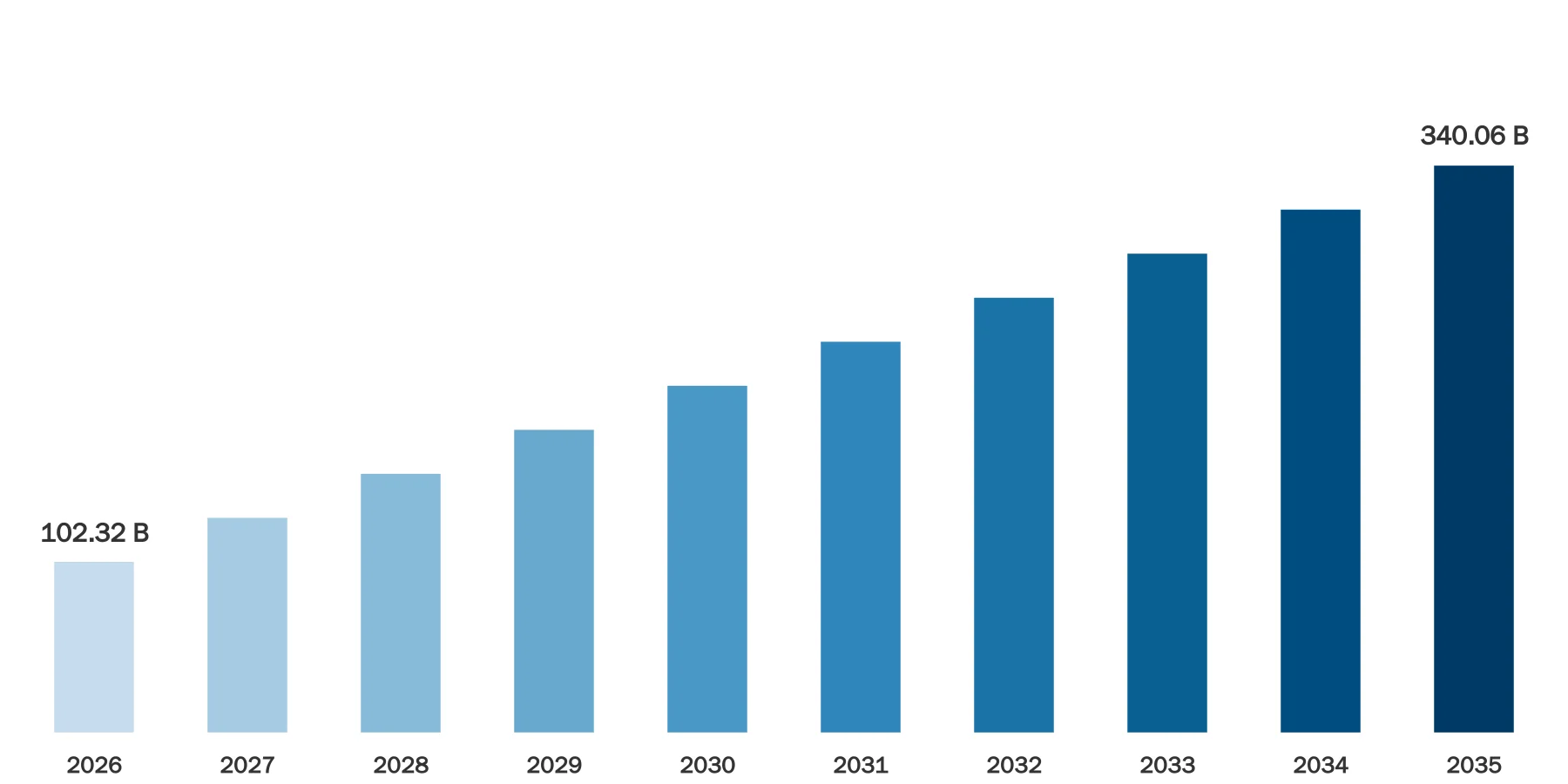
Source: Econ Market Research
Innovative treatments intended to replace, repair, or regenerate damaged cells, tissues, or organs in order to restore normal function are included in the regenerative medicine market. Regenerative medicine has promise for treating a variety of illnesses and injuries, including neurological diseases, orthopedic injuries, and cardiovascular issues. It does this by utilizing methods including stem cell therapy, tissue engineering, and biomaterials. The market for regenerative medicine is expected to increase significantly due to rising clinical applications and research &, development spending. This might result in better patient outcomes and completely transform the healthcare industry.
Regenerative Medicine Dynamics
The expansion of stem cell therapeutic uses, rising R&,D spending, and encouraging government programs are important motivators. While ethical and legal issues provide obstacles, technological advancements like 3D bioprinting and gene editing propel market expansion. As businesses look to acquire a competitive edge through strategic alliances, mergers, and acquisitions, market rivalry grows. Regenerative medicine is a rapidly expanding field that is influencing medical research and treatment. Its expansion is fueled by advancements in science, the need for healthcare, and market dynamics.
Regenerative Medicine Drivers
Advancements in Biotechnology
The expansion of stem cell therapeutic uses, rising R&,D spending, and encouraging government programs are important motivators. While ethical and legal issues provide obstacles, technological advancements like 3D bioprinting and gene editing propel market expansion. As businesses look to acquire a competitive edge through strategic alliances, mergers, and acquisitions, market rivalry grows. Regenerative medicine is a rapidly expanding field that is influencing medical research and treatment. Its expansion is fueled by advancements in science, the need for healthcare, and market dynamics.
Increasing Prevalence of Chronic Diseases
Growing rates of chronic illnesses, including as neurological diseases, orthopedic problems, and cardiovascular disorders, are driving the market for regenerative medicine. Chronic diseases are on the rise everywhere in the world due to aging populations and shifting lifestyle patterns. By replacing or mending damaged tissues and organs, regenerative medicine presents attractive treatment options for various illnesses, filling a need in the medical community. Regenerative medicine research, funding, and acceptance are being propelled by the growing prevalence of chronic diseases, which highlights the pressing need for novel treatments.
Restraints:
In the market for regenerative medicine, high development costs are a major barrier that impedes efforts at commercialization, research, and innovation. Regenerative medicines are complicated and need a great deal of preclinical and clinical research, which adds to the costs of research, development, and regulatory compliance. Costs are further increased by the requirement for specialized machinery, knowledgeable workers, and complex manufacturing procedures. The financial obstacles impede the admission of smaller enterprises, decelerate the rate of innovation, and could lead to increased prices for regenerative medicine products, so diminishing their accessibility and affordability.
Long Regulatory Approval Timelines
Long approval processes are a result of strict regulatory standards, which include rigorous preclinical and clinical testing. Timelines are further prolonged by uncertainties about changing standards and regulatory processes. Approval delays drive up development costs and deter investment in addition to making it more difficult for patients to receive potentially life-saving medications. These limitations might be lifted by streamlining regulatory procedures and enhancing industry cooperation with regulatory bodies.
Opportunities:
Growing Aging Population
People are more vulnerable to age-related illnesses and ailments as they become older, including musculoskeletal problems, neurological diseases, and cardiovascular abnormalities. By replacing or mending damaged tissues and organs, regenerative medicine provides novel ways to treat these conditions. The need for efficient treatments is high due to the growing aging population worldwide, which presents a promising potential for regenerative medicine to enhance healthcare outcomes and quality of life for the aged.
Regenerative Therapies for Rare Diseases
Due to little research and tiny patient populations, uncommon diseases frequently lack effective treatments. Regenerative medicines, however, hold great potential for treating these conditions. Utilizing cutting-edge techniques like gene editing and stem cell therapy, regenerative medicine can provide specialized treatments to address the underlying causes of uncommon diseases. In order to meet unmet medical needs and possibly gain market exclusivity, this offers regenerative medicine companies a rare opportunity to develop targeted treatments, obtain orphan drug designation, and provide much-needed relief to patients suffering from rare and frequently debilitating conditions.
Segment Overview
By Material
Based on material, the global regenerative medicine market is divided into synthetic material, biologically derived material, genetically engineered material, and pharmaceutical. Artificially made materials called synthetics are intended to resemble or take the place of biological tissues or organs. These materials are frequently designed to have particular qualities including mechanical strength, biocompatibility, and rates of deterioration.
Biomolecules, extracellular matrices, and tissues are examples of natural biological sources from which biologically generated materials are derived. These substances might originate from plants, animals, or humans, and they are usually processed to preserve their original bioactivity and structure. In genetically engineered materials, the characteristics of cells or tissues are altered by genetic material modification for applications in regenerative medicine.
By Product
Based on the product, the global regenerative medicine market is categorized into gene therapies, cell therapies, tissue-engineering, small molecules &, biologics. The cell therapies category leads the global regenerative medicine market with the largest revenue share in 2023. Cell transplantation or manipulation is used in cell therapies to repair damaged tissues, enhance tissue function, or alter the immune system. Different cell types, such as progenitor cells, immune cells (such as T cells and dendritic cells), and stem cells (such as mesenchymal stem cells and induced pluripotent stem cells) may be used in these therapies.
Gene therapies are a means of treating or preventing genetic illnesses by introducing genetic material into cells to alter or correct gene expression. This can involve replacing faulty genes with functioning ones, suppressing or mutating genes that cause disease, or altering cells to improve the effectiveness of treatment. For the objective of creating functional tissues or organs for transplantation or regenerative medicine, tissue engineering integrates concepts from engineering, biology, and materials science.
By Application
Based on application, the global regenerative medicine market is segmented into wound care, musculoskeletal, ophthalmology, oncology, cardiovascular, dermatology, neurology, and others. The oncology segment dominates the regenerative medicine market. Regenerative medicine techniques in oncology concentrate on creating tailored medicines to treat cancer and lessen the side effects of traditional cancer treatments.
The goal of wound care products based on regenerative medicine is to encourage tissue regeneration and repair in both acute and chronic wounds. Advanced wound dressings, skin substitutes, growth factors, and cell-based therapies are a few examples of these items. The regenerative medicine market',s musculoskeletal category deals with ailments of the connective tissues, muscles, joints, and bones. Products for ophthalmology that use regenerative medicine target problems that impact the eyes and vision. Treatments for ocular surface conditions, retinal illnesses, optic nerve injury, and corneal regeneration may be among them.
Regenerative Medicine Overview by Region
The global regenerative medicine market is categorized into North America, Europe, Asia-Pacific, and the Rest of the World. North America emerged as the leading region, capturing the largest market share in 2023. Throughout the forecast period, Asia-Pacific is anticipated to post a significant CAGR.
Regenerative Medicine Competitive Landscape
In the global regenerative medicine market, a few major players exert significant market dominance and have established a strong regional presence. These leading companies remain committed to continuous research and development endeavors and actively engage in strategic growth initiatives, including product development, launches, joint ventures, and partnerships. By pursuing these strategies, these companies aim to strengthen their market position, expand their customer base, and capture a substantial share of the market.
Regenerative Medicine Market Leading Companies:
AstraZeneca plc
F. Hoffmann-La Roche Ltd.
Integra Lifesciences Corp.
Astellas Pharma, Inc.
Cook Biotech, Inc
Bayer AG, Pfizer, Inc.
Merck KGaA
Abbott
Vericel Corp.
Novartis AG
GlaxoSmithKline (GSK), and various others.
Regenerative Medicine Recent Developments
In October 2023, Regenerative Medicine Advanced Therapy (RMAT) categorization for EDIT-301, a research-stage gene editing medicine, has been granted by the FDA to treat severe sickle cell disease (SCD). This information was released by Editas drug, Inc. Astellas Pharma Inc. and Pantherna Therapeutics GmbH announced in October 2022 that they have entered into a technology evaluation agreement to develop direct reprogramming programs for mRNA-based regenerative medicine.
In January 2022, In order to use Alnylam',s proven siRNA technology to block a target found at Novartis Institutes for BioMedical Research, Novartis and Alnylam announced a strategic partnership.
Regenerative Medicine Market Report Segmentation
Regenerative Medicine Market Report Scope & Segmentation
| Attributes | Details |
|---|---|
Market Size (Current) | US$ 102.32 Billion in 2026 |
Market Size (Forecast) | US$ 340.06 Billion in 2035 |
Growth Rate | CAGR of 14.43% from 2026 to 2035 |
Forecast Period | 2026 – 2035 |
Base Year | 2025 |
Historical Data Available | Yes |
Regional Scope | Global |
Segments Covered | By Type
By Application
By End-User
|
Frequently Asked Questions
Common questions about this report
The study period covers historical insights and forecast projections for the period 2026-2035.
About the Author
Market research expert with years of industry experience

Related Reports
Explore more market insights from the same category