

Automotive Horn Systems Market
Automotive Horn Systems Market Size, Share, Trends, Growth, and Industry Analysis, By Product Type (Flat Type, Trumpet Type), By Vehicle Type (Passenger Cars, Commercial Vehicles), By Sales Channel (OEM, Aftermarket), Regional Analysis and Forecast Period 2026-2035
Automotive Horn Systems Market Overview
As per Econ Market Research analysis, the Global Automotive Horn Systems Market reached a valuation of US$ 0.8 Billion in 2026 and is anticipated to grow to US$ 1.47 Billion by 2035, at a CAGR of 6.3% during the forecast timeline 2026–2035. The base year considered is 2025.
Automotive Horn Systems Market Size 2025-2035 (USD Billion)

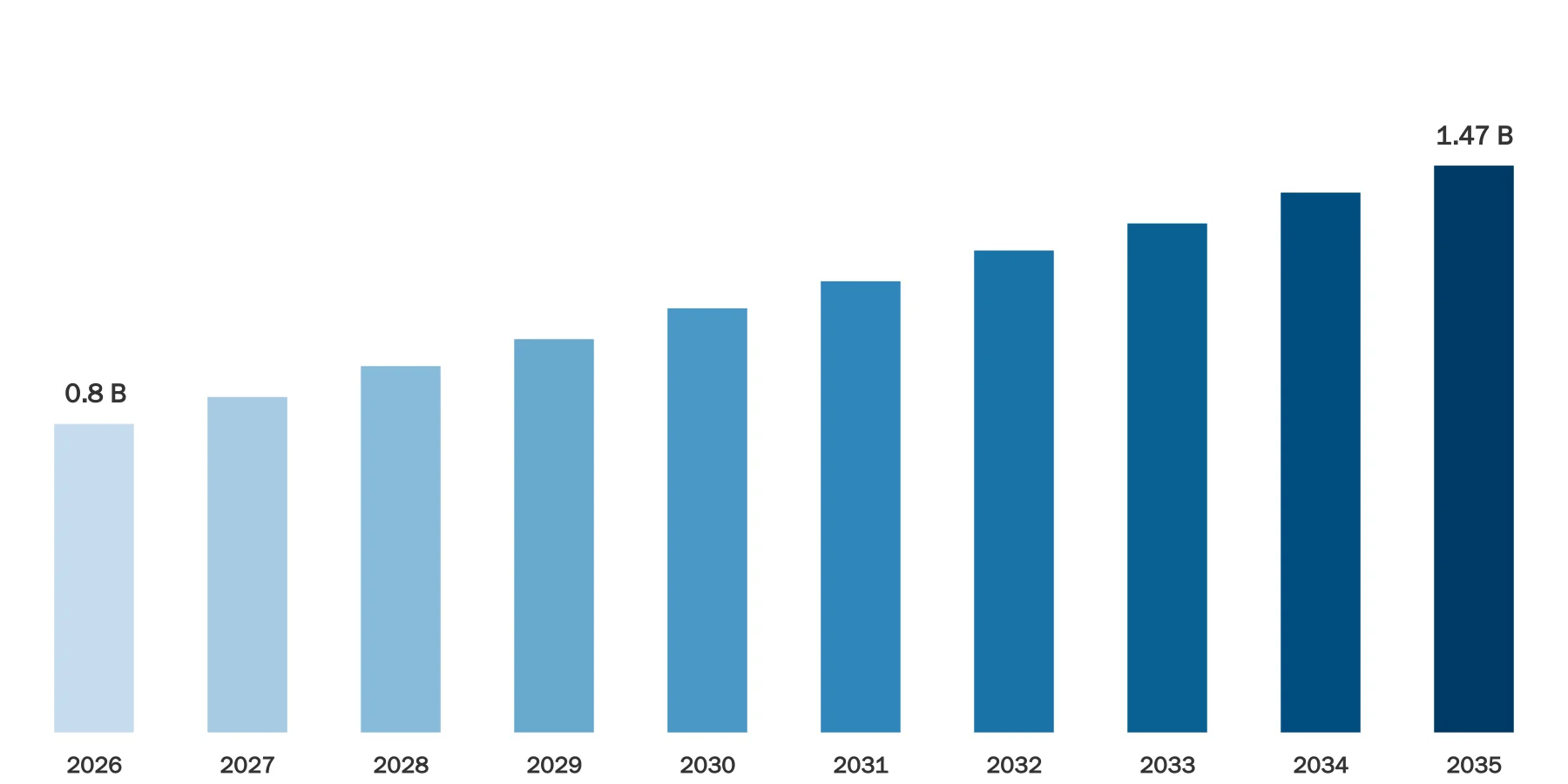
Source: Econ Market Research
Automotive Horn systems are crucial for safety, alerting drivers and pedestrians to potential hazards on the road. Horns, relays, switches, and wiring harnesses are among the various components available on the market. Factors such as increased vehicle production, growing safety concerns, and stringent government regulations are driving global demand for advanced horn systems. Furthermore, technological advancements, such as the incorporation of smart sensors and electronic control units (ECUs), improve the performance and functionality of automotive horns, driving market growth.
Furthermore, the growing demand for electric and hybrid vehicles opens up possibilities for innovative horn system designs that are both environmentally friendly and energy efficient. In the competitive landscape, key players are focusing on product innovation, strategic partnerships, and mergers and acquisitions to gain a competitive edge in the market. However, challenges such as fluctuating raw material prices and supply chain disruptions may hinder market growth to some extent.
Automotive Horn Systems Dynamics
The market is being driven by a global focus on Road Safety regulations, which has prompted automakers to integrate advanced horn systems into vehicles to improve safety measures. Furthermore, rising demand for vehicles, particularly in emerging economies, combined with increased awareness of pedestrian safety, is driving market growth. Furthermore, technological advances such as the use of smart sensors and electronic control units (ECUs) are transforming horn system designs, resulting in improved performance and functionality.
However, the market faces challenges such as fluctuating raw material prices and supply chain disruptions, which may limit market growth to some extent. Furthermore, the emergence of electric and hybrid vehicles presents both opportunities and challenges for the market, as manufacturers strive to develop eco-friendly and energy-efficient horn systems to cater to this evolving automotive landscape. Despite these challenges, strategic initiatives such as product innovation, partnerships, and mergers &, acquisitions among key players are expected to drive market growth.
Automotive Horn Systems Drivers
Increasing Vehicle Production
The steady increase in global vehicle production is a significant driver for the Automotive Horn Systems market. As more vehicles are manufactured each year, the demand for horn systems rises. This trend is especially pronounced in emerging economies, where urbanization and rising disposable incomes drive up vehicle ownership rates. Furthermore, the automotive industry',s shift to electric and hybrid vehicles opens up new opportunities for horn system manufacturers to develop innovative and energy-efficient solutions for these vehicles. Overall, expanding vehicle production provides a lucrative growth opportunity for players in the Automotive Horn Systems market.
Stringent Safety Regulations
The implementation of stringent safety regulations by governments and automotive regulatory bodies around the world is another major driver of the Automotive Horn Systems market. These regulations require the inclusion of safety features in vehicles in order to reduce accidents and increase road safety. Horn systems play a critical role in alerting drivers and pedestrians to potential road hazards, making them an essential component of vehicle safety.
As governments continue to prioritize road safety and impose stricter regulations, demand for advanced horn systems with improved sound quality, durability, and reliability is expected to rise. This creates a favourable environment for market growth because automakers strive to comply with regulations and ensure the safety of their vehicles.
Automotive Horn Systems Restraints:
Fluctuating Raw Material Prices
The Automotive Horn Systems market is vulnerable to fluctuations in raw material prices, particularly for metals like steel and copper used in horn components. Sudden price increases can have a significant impact on manufacturing costs for horn system manufacturers, resulting in lower profit margins or higher product prices. Furthermore, supply chain disruptions and geopolitical tensions can exacerbate raw material price volatility, posing challenges for market participants in terms of cost management and supply chain resilience.
Intense Market Competition
The Automotive Horn Systems market is extremely competitive, with many companies vying for market share. This intense competition puts pressure on manufacturers to constantly innovate and differentiate their products in order to remain competitive. Furthermore, the presence of both established players and new entrants fuels competitive rivalry, resulting in price wars and margin pressures. Furthermore, technological advancements and evolving customer preferences complicate the competitive landscape, requiring companies to invest in research and development to maintain relevance and competitiveness in the market.
Automotive Horn Systems Opportunities:
Rise of Electric and Hybrid Vehicles
The growing number of electric and hybrid vehicles creates a significant opportunity for the Automotive Horn Systems market. Electric and hybrid vehicles present unique challenges and requirements for horn systems, such as lower noise levels and more energy-efficient designs. As automakers work to meet these challenges, there is an increasing demand for innovative horn solutions designed for electric and hybrid vehicles. Manufacturers can take advantage of this opportunity by developing specialized horn systems that address the specific needs of electric and hybrid vehicles, such as low power consumption and integration with vehicle sound management systems.
Segment Overview
By Horn Shape
Horn shape segmentation divides automotive horn systems according to their physical design, which has three main shapes: flat, spiral, and trumpet. Flat horns are usually compact and are commonly used in motorcycles and smaller vehicles due to their space-saving design. Spiral horns, distinguished by their coiled shape, produce a distinct sound and are commonly found in medium-sized to large vehicles such as trucks and SUVs.
Trumpet horns, which resemble the shape of a traditional brass instrument, produce a loud and clear sound, making them appropriate for a variety of vehicle types, including commercial trucks and emergency vehicles. Each horn shape provides distinct acoustic properties and installation options, allowing manufacturers to cater to various customer preferences and vehicle applications.
By Product Type
Automotive horn systems are divided into two categories based on their product type: air horns and electric horns. Air horns use compressed air to generate sound, producing a loud and distinct tone that is especially effective at alerting nearby vehicles and pedestrians. These horns are commonly used in large commercial and emergency vehicles where a loud sound is required.
Electric horns, on the other hand, produce sound through the use of electricity, making them a more compact and lightweight alternative to airhorns. Electric horns are commonly used in passenger cars and smaller vehicles due to their space-saving design and ease of installation. Both air horns and electric horns provide reliable auditory warning signals. Manufacturers offer a variety of options to meet different vehicle requirements and customer preferences.
By Vehicle Type
Vehicle type segmentation classifies automotive horn systems according to the type of vehicle they are installed in, such as passenger cars and commercial vehicles. Passenger cars typically require compact and aesthetically pleasing horn systems that blend in with the vehicle',s design while producing enough sound for safety purposes.
Commercial vehicles, such as trucks and buses, require robust horn systems capable of emitting loud and clear warning signals in a variety of operating environments. Commercial vehicle horn systems are frequently built to last and have improved sound projection capabilities to ensure effective communication with other drivers. By catering to the specific needs of passenger cars and commercial vehicles, manufacturers can develop horn systems that maximize safety and convenience for drivers across different vehicle segments.
Automotive Horn Systems Overview by Region
In developed markets such as North America and Europe, stringent safety regulations, combined with a high level of automotive manufacturing and innovation, drive demand for advanced horn systems with features such as improved sound quality and durability. Furthermore, the presence of established automotive OEMs and aftermarket players helps to drive market growth through product innovation and strategic collaboration.
In contrast, emerging economies in Asia Pacific, Latin America, and the Middle East and Africa are experiencing rapid urbanization, rising disposable incomes, and increased vehicle production, which is driving up demand for automotive horn systems. Furthermore, government initiatives aimed at improving road safety and reducing traffic accidents contribute to market growth in these regions. However, market dynamics can vary significantly within regions due to factors such as infrastructure development, cultural preferences, and regulatory differences among countries.
Automotive Horn Systems Market Competitive Landscape
Established companies like Bosch, Hella, Denso, and Fiamm dominate the market due to their diverse product offerings, global presence, and strong brand reputation. These companies invest heavily in R&,D to introduce advanced horn systems with features like smart sensors, digital sound processing, and energy efficiency, catering to the changing needs of vehicle manufacturers and end users. Additionally, market leaders frequently use strategic collaborations, mergers, and acquisitions to broaden their market reach, improve production capabilities, and gain access to new technologies.
Furthermore, the Automotive Horn Systems market sees the emergence of new entrants and niche players offering specialized horn solutions tailored to specific vehicle segments or regional markets. These players leverage technological advancements and agile business models to carve out a niche for themselves in the competitive landscape. Furthermore, partnerships with automotive OEMs, aftermarket distributors, and e-commerce platforms enable companies to strengthen their distribution networks and enhance market penetration.
Automotive Horn Systems Key Players:
HELLA GmbH &, Co. KGaA
Robert Bosch GmbH
Mitsuba Corp.
Maruko Keihoki
IMASEN ELECTRIC INDUSTRIAL CO.,LTD.
SUN AUTOMOBILE Co.,Ltd.
FIAMM Energy Technology S.p.A.
UNO Minda
DIGITEL LLC.
SORL Auto Parts, Inc.
Wolo
Automotive Horn Systems Recent Developments
Feb 2024, Hornblower Group has announced a new agreement with its investors aimed at bolstering its financial stability and positioning the company for future success. Under this agreement, Strategic Value Partners, LLC and its affiliates (",SVP",), a global alternative investment firm, will acquire majority ownership of Hornblower and make a significant equity investment.
Automotive Horn Systems Report Segmentation
Automotive Horn Systems Market Report Scope & Segmentation
| Attributes | Details |
|---|---|
Market Size (Current) | US$ 0.8 Billion in 2026 |
Market Size (Forecast) | US$ 1.47 Billion in 2035 |
Growth Rate | CAGR of 6.3% from 2026 to 2035 |
Forecast Period | 2026 – 2035 |
Base Year | 2025 |
Historical Data Available | Yes |
Regional Scope | Global |
Segments Covered | By Product Type
By Vehicle Type
By Sales Channel
|
Frequently Asked Questions
Common questions about this report
The study period covers historical insights and forecast projections for the period 2026-2035.
About the Author
Market research expert with years of industry experience

Related Reports
Explore more market insights from the same category