

Arcade Games Center Market
Arcade Games Center Market Size, Share, Trends, Growth, and Industry Analysis, By Type (Video Games, Redemption Games, Electro-Mechanical Games, Simulation Games, Pinball & Retro Arcade Games, Others), By Revenue Model (Coin-Operated Model, Card & Digital Payment Systems, Subscription-Based), By Venue (Family Entertainment Centers (FECs), Amusement & Theme Parks, Shopping Malls, Standalone Arcades, Others), By Age Group (Children (Under 12), Teenagers (13–19), Adults (20–35), Middle-Aged Adults (36–50), Seniors (Above 50)), Regional Analysis and Forecast Period 2026-2035
Market Overview
As per Econ Market Research analysis, the Global Arcade Games Center Market generated revenue of US$ 15.53 Billion in 2026 and is forecast to achieve US$ 39.14 Billion by 2035, at a CAGR of 11.1% during the study period 2026–2035. The base year considered is 2025.
Arcade Games Center Market Size 2025-2035 (USD Billion)

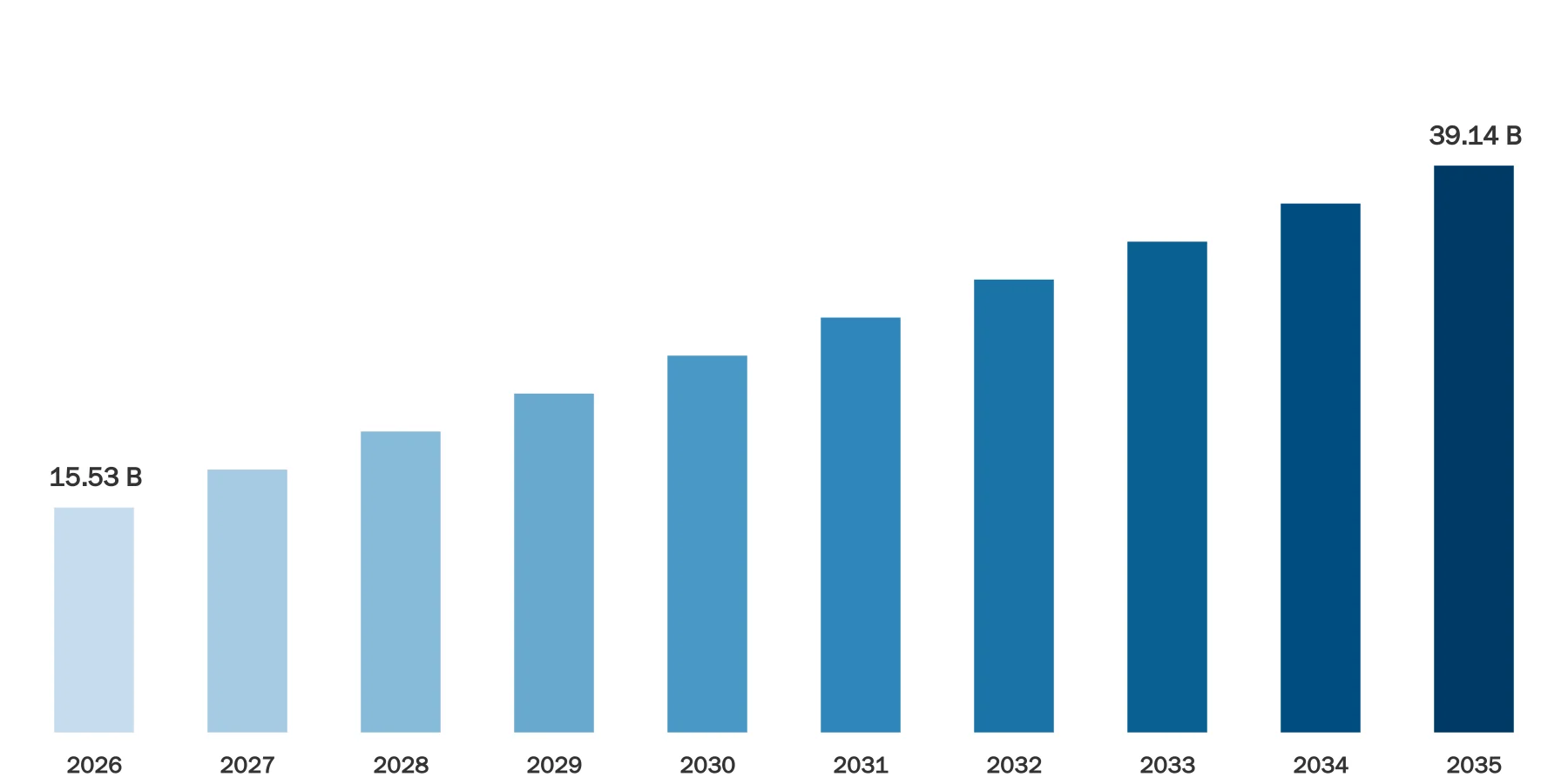
Source: Econ Market Research
The Arcade Games Center Market includes physical entertainment venues equipped with coin-operated or digital arcade machines, redemption games, simulation systems, and retro gaming units. Globally, more than 42,000 arcade gaming centers operate across 65+ countries, with indoor amusement centers hosting between 40 and 200 machines per location. Modern arcade venues typically allocate 3,000 to 25,000 square feet of entertainment floor space and attract 1,500 to 5,000 weekly visitors. Over 70% of arcade machines now integrate digital payment technology such as RFID cards or mobile wallets. Approximately 55% of entertainment complexes combine arcade games with bowling, VR experiences, or food services. The Arcade Games Center Market continues expanding as entertainment malls, family entertainment centers, and gaming hubs increase installations of interactive machines, motion simulators, and skill-based redemption games.
The USA Arcade Games Center Market represents one of the largest global segments, with more than 5,500 arcade entertainment centers operating across 50 states. The United States hosts approximately 220,000 arcade machines, including video games, redemption games, and immersive simulators. Large venues average 15,000–30,000 square feet, while smaller arcade lounges operate in 3,000–7,000 square feet retail locations. Around 62% of US arcade centers are located inside shopping malls, entertainment districts, or family entertainment complexes. Nearly 48% of arcade visitors in the United States are aged 18–34, while 35% consist of family groups with children under 16 years. The US market also leads adoption of cashless card systems, with more than 80% of arcades integrating digital gaming cards.
Market Latest Trends
The Arcade Games Center Market Trends highlight strong adoption of immersive technologies, digital payment systems, and hybrid entertainment models. Over 65% of newly installed arcade machines include motion simulation or interactive gaming features such as steering wheels, VR headsets, or motion platforms. Simulation games occupy nearly 18% of arcade floorspace, while redemption games represent around 35% of total machine installations in many entertainment centers.
Cashless gaming infrastructure is rapidly transforming arcade operations. Approximately 72% of modern arcade venues utilize RFID or prepaid card systems, reducing physical coin usage by nearly 60% compared with older arcade models. Digital systems allow venues to track player behavior, with some arcades analyzing 10,000+ gameplay transactions per week to optimize machine placement and rewards.
Another major trend in the Arcade Games Center Market Analysis is the integration of Esports-style competitive gaming. Nearly 28% of large arcades now include multiplayer tournaments or leaderboard competitions, attracting 100–500 players per event. Additionally, arcade entertainment venues are increasingly integrated with family entertainment centers featuring bowling lanes, laser tag arenas, and VR attractions, with 46% of entertainment complexes combining at least 3 gaming attractions.
Retro gaming resurgence also influences the Arcade Games Center Industry Report, as more than 30% of arcade centers maintain dedicated retro gaming zones featuring pinball machines and classic cabinets. Pinball installations have increased by 15% since 2022, demonstrating renewed consumer interest in vintage gaming experiences.
Market Dynamics
DRIVER
Rising Demand for Location-Based Entertainment
The primary driver in the Arcade Games Center Market Growth is increasing demand for location-based entertainment experiences. Globally, more than 3.2 billion people play video games, yet physical gaming venues continue attracting visitors seeking social interaction and immersive experiences. Family entertainment centers report average foot traffic of 2,000–4,000 visitors weekly, with arcade games contributing approximately 45% of total attraction usage.
Urban entertainment complexes increasingly allocate 10%–20% of total mall space to gaming or amusement facilities. Large gaming centers typically install between 80 and 250 arcade machines, generating thousands of gameplay sessions each week. Multiplayer and interactive machines also increase visitor retention, with average player session durations ranging from 45 minutes to 120 minutes.
Youth demographics strongly influence the Arcade Games Center Market Outlook, as individuals aged 15–34 represent nearly 55% of total arcade visitors worldwide. Additionally, corporate events and birthday celebrations contribute 25%–30% of total bookings for large arcade venues.
RESTRAINT
High Operational and Equipment Costs
One of the key restraints in the Arcade Games Center Industry Analysis is the high cost associated with arcade machines, venue maintenance, and facility operations. Modern simulation arcade machines cost between USD 8,000 and USD 35,000 per unit, while large motion simulators can exceed USD 70,000.
Arcade venues often require 100+ machines to remain competitive, increasing upfront investment requirements significantly. Additionally, machines require maintenance cycles every 3 to 6 months, and parts replacement such as joysticks, buttons, and displays occurs after 10,000–20,000 gameplay sessions.
Electricity consumption also contributes to operational expenses. Large arcades operating 150 machines may consume 4,000–6,000 kWh of electricity per month due to continuous machine operation, lighting, and digital display systems. Rent costs further increase operational burdens, particularly in malls where retail space ranges from 3,000 to 20,000 square feet.
OPPORTUNITIES
Expansion of Family Entertainment Centers
The growing number of family entertainment centers (FECs) creates significant opportunities for the Arcade Games Center Market Opportunities. Over 12,000 family entertainment centers operate globally, and nearly 65% of these venues include arcade gaming areas as their core attraction.
New entertainment complexes increasingly combine arcade gaming, bowling, VR arenas, escape rooms, and dining services, increasing customer dwell time from 60 minutes to over 2.5 hours. These hybrid entertainment centers often host 300 to 500 daily visitors on weekdays and more than 1,000 visitors on weekends.
Shopping malls also utilize arcade centers to increase foot traffic, with entertainment venues generating 20% higher visitor dwell time compared with traditional retail areas. Emerging markets in Southeast Asia, Latin America, and the Middle East are witnessing rapid construction of indoor entertainment complexes, adding thousands of new arcade machines annually.
CHALLENGES
Competition from Home Gaming and Mobile Gaming
The biggest challenge identified in the Arcade Games Center Market Research Report is competition from home gaming consoles and mobile gaming platforms. Global smartphone gaming audiences exceed 2.8 billion users, while console gaming households surpass 200 million worldwide.
Consumers now have access to advanced gaming systems such as consoles capable of 4K graphics and online multiplayer experiences, reducing the need to visit physical gaming venues. Mobile gaming applications also generate millions of daily users, with popular games reaching 50 million downloads within months.
Additionally, cloud gaming platforms allow players to access high-performance gaming experiences without specialized hardware. These trends require arcade operators to continuously upgrade machines, integrate VR technology, and introduce exclusive gaming experiences unavailable on home platforms.
SWOT Analysis
Strengths
Arcade entertainment centers can install 100–200 machines in a single venue, providing diverse gaming experiences.
Interactive arcade games generate thousands of gameplay sessions weekly, increasing venue engagement.
Family entertainment centers report 40%–50% visitor participation in arcade activities.
Simulation machines featuring motion platforms attract 20% higher player engagement compared with standard cabinets.
Weaknesses
Modern arcade machines cost between USD 8,000 and USD 70,000, creating high capital investment barriers.
Large venues require 10–25 staff members to operate daily entertainment activities.
Maintenance cycles occur every 3–6 months, increasing operational costs.
Space requirements between 5,000 and 25,000 square feet limit deployment in dense urban areas.
Opportunities
Over 12,000 family entertainment centers globally create expansion opportunities.
VR gaming installations increased by 30% in entertainment venues since 2022.
Cashless gaming cards reduce coin handling by nearly 60%.
Multiplayer tournaments attract 100–500 players during gaming events.
Threats
Mobile gaming audiences exceed 2.8 billion players worldwide.
Home console ownership surpasses 200 million households globally.
Online multiplayer games allow 24/7 gaming access without location visits.
Economic downturns can reduce discretionary spending on entertainment by 15%–20%.
Segmentation Analysis
The Arcade Games Center Market Segmentation is categorized by game type and revenue model. Arcade gaming centers install a combination of video games, redemption games, electro-mechanical machines, simulation games, and retro arcade systems. These machines vary in gameplay style, cost, and user engagement levels. On the revenue side, operators utilize coin-operated systems, digital card systems, and subscription gaming models to maximize player spending and simplify transactions.
By Type
Video Games
Video arcade machines account for approximately 32% of arcade installations worldwide. These machines include fighting games, racing games, and shooting games featuring high-definition displays ranging from 32 to 65 inches. Multiplayer cabinets often support 2–8 players simultaneously, encouraging group gaming experiences. Competitive fighting games generate 3,000–5,000 gameplay sessions monthly in large venues. Video games remain popular among 18–30 age groups, representing nearly 40% of arcade player demographics.
Redemption Games
Redemption games represent around 35% of arcade machines globally. These machines award tickets or digital points based on player performance, which can be exchanged for prizes. Large arcades often distribute 10,000–50,000 redemption tickets weekly through prize games such as basketball shooting or spinning wheel challenges. Redemption games attract younger audiences, with children under 15 years representing nearly 45% of players.
Electro-Mechanical Games
Electro-mechanical arcade machines account for nearly 12% of total arcade installations. These games combine physical mechanics with electronic scoring systems and include games such as skee-ball and air hockey. Air hockey tables generate 200–300 gameplay sessions weekly in busy entertainment centers. Electro-mechanical machines require minimal digital hardware but remain popular due to their physical gameplay elements.
Simulation Games
Simulation arcade machines represent approximately 18% of arcade equipment installations. These machines use motion seats, VR displays, and steering controls to simulate driving, flying, or adventure experiences. Motion-based simulators often feature 180-degree screens or VR headsets and support 1–4 players per unit. High-end simulation machines can generate 1,000 gameplay sessions monthly in large entertainment venues.
Pinball & Retro Arcade Games
Retro arcade cabinets and pinball machines represent around 3–5% of arcade equipment. However, these machines attract nostalgic players aged 30–50 years, who account for nearly 20% of retro gaming participants. Pinball machines can last 10–20 years with maintenance, making them cost-effective long-term assets for arcade venues.
By Revenue Model
Coin-Operated Model
Coin-operated machines remain present in 30% of arcade centers, particularly in smaller venues or retro gaming locations. These machines accept coins or tokens ranging from 1 to 4 per gameplay session. Traditional coin-based arcades typically process 2,000–4,000 gameplay transactions weekly. However, coin-based systems require frequent cash handling and machine refilling.
Card & Digital Payment Systems
Digital payment systems dominate the Arcade Games Center Market Share, representing approximately 60% of modern arcade payment systems. Players load credits onto RFID cards or mobile apps and swipe them at gaming machines. Large venues process 10,000+ digital transactions weekly using these systems. Digital cards reduce maintenance requirements by eliminating coin jams and enabling real-time Data Analytics.
Subscription-Based
Subscription gaming models are emerging in 10% of arcade centers, allowing players to pay for hourly or unlimited gameplay access. These systems attract frequent visitors and increase engagement among younger demographics. Subscription-based arcade memberships often allow 2–4 hours of unlimited play per session, improving customer retention rates.
Regional Analysis
The Arcade Games Center Market Regional Analysis highlights strong demand across North America, Europe, Asia-Pacific, and emerging markets. Over 42,000 arcade venues worldwide operate across these regions, with Asia-Pacific hosting the largest number of gaming centers due to dense urban populations and strong gaming culture.
North America
North America represents approximately 28% of global arcade gaming centers. The region hosts more than 8,000 entertainment venues, including arcades, family entertainment centers, and gaming lounges. The United States alone operates over 5,500 arcade venues, many located in shopping malls or entertainment districts.
Modern North American arcade centers typically install 120–250 machines per venue and attract 3,000–6,000 weekly visitors. Digital gaming cards are widely used, with nearly 80% of arcades adopting cashless payment systems. Large entertainment complexes in the region also integrate bowling lanes, VR attractions, and dining services.
Europe
Europe accounts for approximately 22% of global arcade centers, with strong presence in countries such as the United Kingdom, Germany, France, and Italy. The region hosts more than 6,000 arcade entertainment venues, many integrated within shopping centers or tourist attractions.
European arcades install an average of 70–150 gaming machines per venue. Retro gaming machines and pinball cabinets represent nearly 12% of arcade installations in the region. Additionally, family entertainment centers attract 1,500–3,000 weekly visitors.
Asia-Pacific
Asia-Pacific dominates the Arcade Games Center Market Share, representing nearly 40% of global arcade venues. Countries such as Japan, China, South Korea, and India operate more than 17,000 arcade centers combined.
Japan alone hosts approximately 4,500 gaming arcades, many featuring 200+ machines per venue. China has rapidly expanded entertainment complexes in major cities, installing thousands of new arcade machines annually. Asia-Pacific arcades frequently incorporate VR simulators, rhythm games, and multiplayer machines.
Middle East & Africa
The Middle East & Africa region accounts for roughly 10% of global arcade venues, with growing demand for indoor entertainment in shopping malls and tourism centers. Countries such as the UAE and Saudi Arabia operate hundreds of family entertainment centers that include arcade gaming zones.
Large entertainment complexes in the region install 80–150 machines per location and attract 2,000–4,000 visitors weekly. Rapid construction of entertainment malls and leisure facilities continues driving demand for arcade gaming installations.
Competitive Landscape
The Arcade Games Center Competitive Landscape consists of international entertainment operators, family entertainment center chains, and regional arcade operators. Globally, more than 200 major arcade operators manage entertainment venues equipped with 50 to 250 gaming machines per location.
Large operators focus on hybrid entertainment models combining arcade gaming with bowling, VR arenas, laser tag, and dining services. Entertainment complexes frequently occupy 20,000–40,000 square feet, accommodating multiple gaming attractions and hospitality services.
Digital payment systems and data analytics are key competitive factors. Many operators analyze thousands of gameplay sessions weekly to optimize machine placement and reward systems. Loyalty programs and membership systems also increase repeat visits, with some arcade chains reporting 30% repeat visitor rates.
List of Top Arcade Games Center Companies
Bandai Namco Holdings Inc.
CEC Entertainment Concepts, LP
Cinergy Entertainment Group
Dave and Buster’s, Inc.
Landmark Group (Funcity)
Main Event Entertainment
Playdium
Round1 Entertainment
Scene75 Entertainment Centers
Smaaash Entertainment Private Limited
TEEG
Top 2 Companies with Highest Market Share
Bandai Namco Holdings Inc. operates more than 300 arcade venues globally, particularly in Japan and Asia, with venues hosting 150–300 gaming machines per location.
Dave and Buster’s, Inc. operates over 200 entertainment venues in North America, each featuring 100–200 arcade machines and attracting thousands of weekly visitors.
Market Investment Outlook
The Arcade Games Center Market Investment Outlook highlights growing investments in family entertainment centers and immersive gaming venues. Entertainment developers are allocating 15%–25% of new mall construction budgets to leisure attractions such as arcades and VR experiences.
Large entertainment complexes typically require installations of 100–200 arcade machines, while premium venues integrate VR simulators, motion platforms, and multiplayer gaming zones. Equipment manufacturers produce thousands of arcade cabinets annually to meet growing demand.
Investors are also supporting digital payment infrastructure, with RFID gaming card systems deployed in over 70% of new arcade centers. These systems process 10,000–20,000 gameplay transactions weekly, providing operational insights and improving customer engagement.
Expansion in Asia-Pacific and Middle Eastern markets also drives investment activity, as governments promote indoor entertainment venues to increase tourism and family leisure spending.
New Product Development
New product innovation in the Arcade Games Center Market focuses on immersive gaming technologies and advanced interactive systems. VR simulators equipped with 4K displays and motion seats have increased installations in entertainment venues by over 30% since 2022.
Manufacturers are also developing multiplayer arcade cabinets supporting 4–8 players simultaneously, enhancing social gaming experiences. Motion racing simulators now feature 270-degree panoramic displays, improving realism and player immersion.
Another innovation includes skill-based arcade machines designed for adult players. These machines combine traditional arcade gameplay with competitive scoring systems and leaderboard rankings. Modern cabinets also integrate LED lighting systems, digital scoreboards, and touchscreen interfaces.
Cloud-connected arcade machines allow operators to remotely monitor performance metrics such as daily gameplay counts, player scores, and machine usage frequency, enabling optimized machine management across large entertainment centers.
Recent Developments
2023: Bandai Namco expanded its entertainment network by opening 10 new arcade centers in Asia, each installing approximately 180 gaming machines.
2023: Dave and Buster’s upgraded more than 70 venues with cashless RFID gaming systems capable of processing 15,000 digital transactions weekly.
2024: Round1 Entertainment launched new gaming complexes in North America featuring 250 arcade machines, bowling lanes, and karaoke rooms.
2024: Smaaash Entertainment installed VR racing simulators and motion flight simulators across 15 entertainment centers in India.
2025: TEEG expanded family entertainment centers in the Middle East by installing over 1,500 new arcade machines across 20 venues.
Arcade Games Center Market Report Scope & Segmentation
| Attributes | Details |
|---|---|
Market Size (Current) | US$ 15.53 Billion in 2026 |
Market Size (Forecast) | US$ 39.14 Billion in 2035 |
Growth Rate | CAGR of 11.1% from 2026 to 2035 |
Forecast Period | 2026 – 2035 |
Base Year | 2025 |
Historical Data Available | Yes |
Regional Scope | Global |
Segments Covered | By Type
By Revenue Model
By Venue
By Age Group
|
Frequently Asked Questions
Common questions about this report
The study period covers historical insights and forecast projections for the period 2026-2035.
About the Author
Market research expert with years of industry experience

Related Reports
Explore more market insights from the same category