

Live Music Market
Live Music Market Size, Share, Trends, Growth, and Industry Analysis, By Event Type (Concerts, Festivals, Theater Productions, Corporate & Private Events, Other Live Performances), By Music Genre (Rock & Pop, Electronic Dance Music (EDM), Classical, Jazz & Blues, Hip-Hop & R&B, Country, Others), By Revenue Source (Ticket Sales, Sponsorships, Merchandise Sales, Streaming & Digital Rights, Food & Beverage Sales), By Organizer Type (Independent Promoters, Venue Operators, Event Management Companies, Artists & Agencies, Others), By Venue Type (Outdoor Arenas & Stadiums, Indoor Arenas & Theaters, Clubs & Bars, Amphitheaters, Other Event Venues), Regional Analysis and Forecast Period 2026-2035
Live Music Market Overview
As per Econ Market Research analysis, the Global Live Music Market was valued at US$ 40.95 Billion in 2026 and is expected to reach US$ 67.1 Billion by 2035, registering a CAGR of 5.6% during the forecast period 2026–2035. The base year considered is 2025.
Live Music Market Size 2025-2035 (USD Billion)

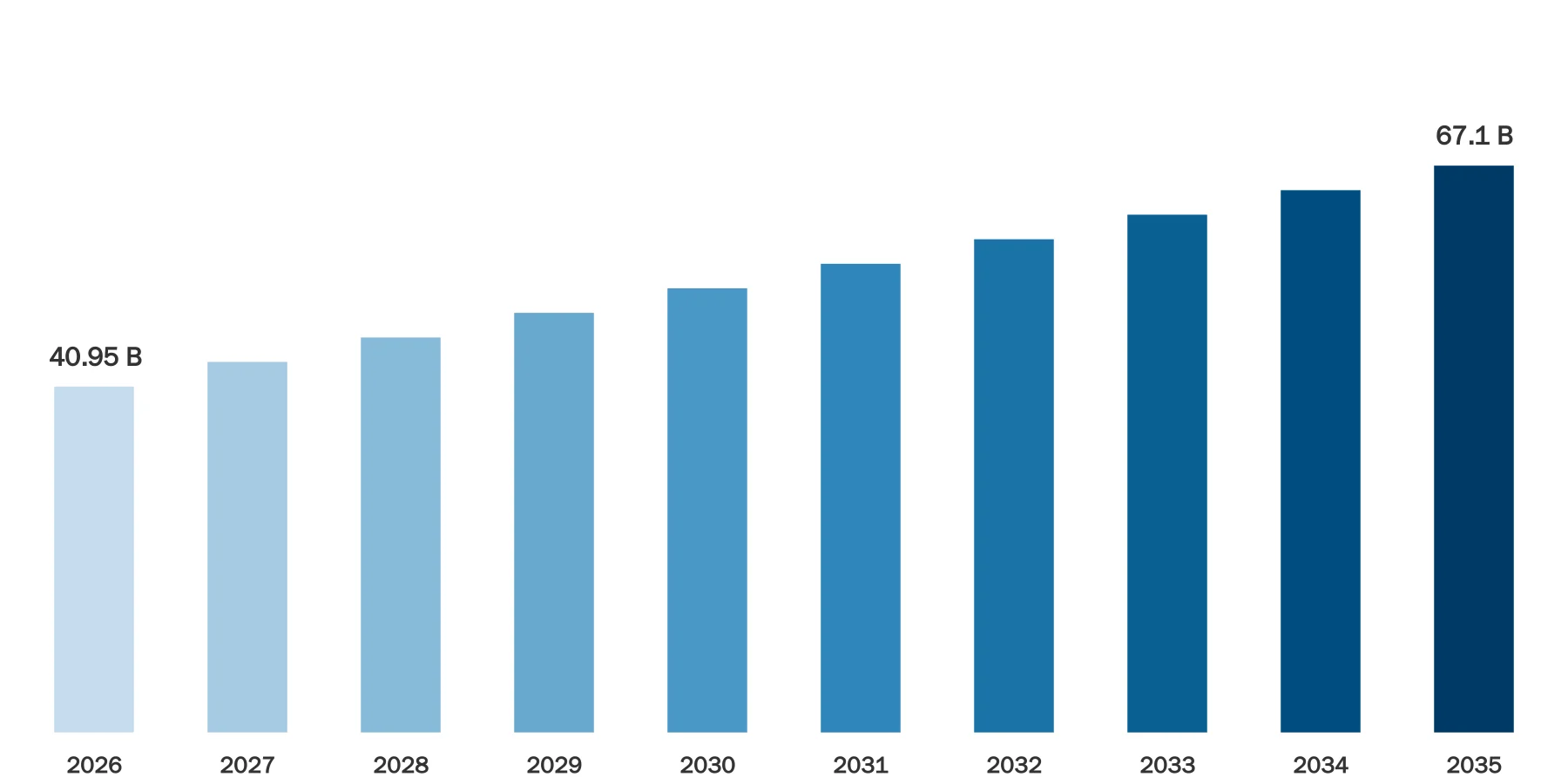
Source: Econ Market Research
The live music market has expanded significantly due to rising audience engagement, global touring, and festival expansion. More than 32,000 large-scale live music events are organized globally each year, while over 4.2 million smaller live performances occur annually across clubs, theaters, and arenas. Stadium concerts frequently attract 40,000–90,000 attendees, while major music festivals often host 200,000–400,000 visitors during multi-day events. The global number of music festivals has exceeded 8,000 events annually, with more than 60% organized in Europe and North America. Digital ticketing platforms process more than 600 million ticket transactions annually, while over 70% of live music tickets are purchased online. Audience participation among individuals aged 18–34 accounts for nearly 55% of concert attendance, supporting the steady expansion of the Live Music Market and Live Music Industry Analysis.
The United States represents one of the most developed live music ecosystems, hosting over 52,000 ticketed concerts annually across arenas, stadiums, and theaters. More than 1,200 music festivals are organized across the country each year, with large events attracting 75,000–150,000 attendees per day. Stadium tours frequently sell 45,000–70,000 tickets per show, while arena concerts average 12,000–18,000 attendees. Approximately 65% of U.S. music fans attend at least one live performance every 24 months, and nearly 35% attend two or more events annually. Digital ticketing dominates the market, accounting for over 82% of ticket sales, while mobile ticket purchases exceed 60% of transactions. The country also hosts more than 900 dedicated live music venues with capacity above 5,000 seats, strengthening the Live Music Market Analysis and Live Music Industry Report.
Market Latest Trends
The Live Music Market Trends highlight increasing demand for immersive concert experiences, large-scale festivals, and hybrid events combining digital and physical participation. Globally, more than 8,000 music festivals occur each year, with attendance exceeding 32 million visitors annually. Multi-day festivals lasting 3–5 days represent nearly 40% of global festival formats, while single-day events account for approximately 35%.
Technological integration has become a major trend within the Live Music Market Outlook. Over 70% of event organizers now use RFID wristbands, digital ticket scanning, or contactless entry systems. Mobile applications used during concerts and festivals exceed 120 million downloads annually, allowing attendees to access schedules, artist lineups, and venue maps.
Sustainability initiatives are also shaping Live Music Market Research Report findings. Approximately 55% of large festivals have implemented waste reduction programs, and nearly 30% of global festivals now use reusable cup systems. Solar-powered stages have been introduced in more than 120 festivals worldwide.
Another emerging trend in the Live Music Industry Analysis is the growth of international touring circuits. Major global artists often perform 60–120 concerts per tour, spanning 20–40 cities across 3–5 continents. Cross-border attendance is also increasing, with nearly 18% of festival attendees traveling internationally to attend major events. These developments collectively support the continued expansion of the Live Music Market Growth and Live Music Market Opportunities.
Market Dynamics
DRIVER
Rising Global Demand for Live Entertainment Experiences
The primary driver of the Live Music Market Growth is the increasing consumer preference for live entertainment experiences. Surveys show that nearly 78% of music listeners prefer attending live concerts at least once every 18 months, while approximately 45% attend multiple concerts annually. The number of large venues capable of hosting over 20,000 attendees has surpassed 650 venues globally, supporting larger touring events and festival expansions.
Festival attendance has increased steadily, with more than 32 million global festival participants annually, while over 14 million tickets are sold for the top 50 international tours each year. Social media promotion also drives audience participation, as more than 72% of concertgoers discover events through digital platforms. In addition, nearly 68% of ticket purchases occur through mobile devices, making event discovery and ticket acquisition easier for consumers.
The expansion of urban entertainment districts has further contributed to the Live Music Market Outlook. More than 120 cities worldwide have dedicated entertainment zones with clusters of 15–40 music venues within a single district. These factors collectively strengthen audience engagement and reinforce the Live Music Industry Report findings on growing consumer demand.
RESTRAINT
High Operational and Event Production Costs
High production and operational expenses represent a major restraint within the Live Music Market Analysis. Large-scale concerts require extensive logistics, including stage construction, lighting systems, sound equipment, security personnel, and transportation of artists and crews. A typical stadium tour may involve 150–300 staff members, while major music festivals often employ 2,000–5,000 temporary workers.
Venue rental fees can be significant, particularly for stadiums with capacities exceeding 50,000 seats, while technical equipment setups often require 48–72 hours of installation time. Sound systems for large concerts can include more than 200 speakers and amplifiers, while lighting rigs often involve 300–500 lighting fixtures.
Security costs also contribute to operational challenges. Large festivals hosting 100,000 attendees may require over 800 security personnel and 150 medical staff members. These operational complexities increase the cost of organizing events, especially for mid-scale promoters managing 5–15 concerts annually. As a result, smaller promoters often face financial pressure when competing with global event organizers that manage more than 1,000 shows per year.
OPPORTUNITIES
Expansion of International Music Festivals
The rapid growth of international music festivals creates major opportunities within the Live Music Market Opportunities landscape. The number of large festivals hosting more than 50,000 attendees has surpassed 350 global events, with attendance growing steadily across emerging entertainment destinations. Asia-Pacific alone hosts more than 1,500 music festivals annually, while Europe organizes over 3,000 events each year.
Festival tourism is also expanding rapidly. Nearly 18% of festival attendees travel internationally, while more than 42% travel domestically across regions to attend major events. Festival tourism packages often include 3-day passes, accommodation, and transportation, attracting young audiences aged 18–34, who represent nearly 58% of festival participants.
Corporate sponsorship opportunities are also expanding, with more than 65% of large music festivals partnering with brands across industries such as beverages, technology, and automotive. Sponsorship zones, branded stages, and interactive installations have increased festival engagement, attracting hundreds of thousands of visitors at flagship events. These developments highlight strong expansion potential in the Live Music Market Forecast.
CHALLENGES
Venue Capacity Limitations and Logistics Complexity
Venue capacity constraints represent a key challenge for the Live Music Market Insights. While stadium venues can host 50,000–90,000 attendees, many cities rely on mid-size arenas with capacities of 8,000–15,000 seats, limiting ticket availability for high-demand concerts.
Urban infrastructure also presents logistical challenges. Large concerts may require parking capacity for 5,000–12,000 vehicles, while transportation networks must support 20,000–70,000 visitors arriving within 2–3 hours. In densely populated cities, crowd management becomes complex when events attract 100,000 participants across multiple stages.
Weather conditions can also impact outdoor festivals, particularly those lasting 2–4 days. Event organizers often invest in weather-resistant stages, drainage systems, and temporary shelters capable of covering 20,000–40,000 square meters. These logistical factors require extensive planning and coordination among event promoters, security teams, and municipal authorities.
SWOT Analysis
Strengths
The global live music ecosystem includes more than 8,000 festivals and 32,000 major concerts annually, providing extensive entertainment opportunities.
Digital ticketing platforms process over 600 million transactions annually, improving event accessibility.
Large venues with capacities above 20,000 seats exceed 650 locations worldwide, supporting large-scale concerts.
Youth audiences aged 18–34 represent nearly 55% of global concert attendance, ensuring strong long-term demand.
Weaknesses
High event production requirements often involve 200–500 technical staff members for major concerts.
Festival infrastructure such as stages and lighting rigs may require 48–72 hours of installation time.
Security teams for large events may exceed 800 personnel, increasing operational complexity.
Mid-size venues with 10,000–15,000 seats limit ticket availability for high-demand performances.
Opportunities
Emerging markets in Asia host more than 1,500 music festivals annually, expanding regional entertainment sectors.
International festival tourism attracts over 18% cross-border attendees.
Digital marketing campaigns reach more than 3 billion social media users globally, improving event promotion.
Hybrid live-streamed concerts allow audiences exceeding 1 million online viewers.
Threats
Weather disruptions impact nearly 15–20% of outdoor music festivals annually.
Venue capacity restrictions limit ticket supply for shows with demand exceeding 100,000 fans.
Increasing security requirements require hundreds of trained staff per event.
Competition among more than 500 major event promoters worldwide intensifies market pressure.
Segmentation Analysis
The Live Music Market Size segmentation includes event type and music genre. Event type segmentation includes concerts, festivals, theater productions, corporate events, and other live performances, each attracting thousands to hundreds of thousands of attendees. Music genre segmentation includes rock & pop, EDM, classical, jazz & blues, hip-hop & R&B, country, and other styles. Genre preferences vary by region, with rock and pop representing nearly 40% of global concert attendance, while EDM festivals attract more than 6 million attendees annually. These segments collectively shape Live Music Market Share and Live Music Market Outlook.
By Event Type
Concerts
Concerts represent approximately 45% of global live music events, with more than 32,000 major concerts held annually. Arena concerts typically host 10,000–18,000 attendees, while stadium performances can attract 50,000–90,000 fans per event. Touring artists often perform 60–120 shows per tour, covering multiple continents and reaching millions of fans.
Festivals
Music festivals account for nearly 30% of global live music gatherings, with over 8,000 festivals organized annually. Multi-day festivals lasting 3–4 days attract 80,000–400,000 visitors. Some major global festivals feature 100+ artists across 6–10 stages, generating continuous performances over 12–16 hours daily.
Theater Productions
Theater-based music productions represent approximately 12% of live music performances, typically held in venues seating 500–2,000 guests. Broadway-style productions can run for 200–300 performances annually, while regional theaters host 50–120 music-based shows each year.
Corporate & Private Events
Corporate concerts and private music events represent around 8% of the Live Music Market Share, including product launches, conferences, and private celebrations. These events often host 200–2,000 guests, with corporate entertainment budgets supporting 20–50 events annually for large companies.
Other Live Performances
Other performances include club shows, street music festivals, and cultural music events, accounting for approximately 5% of global live music gatherings. Smaller venues host 200–800 attendees, while urban music festivals can attract 5,000–15,000 visitors.
By Music Genre
Rock & Pop
Rock and pop concerts dominate global attendance, representing nearly 40% of live music audiences. Large stadium tours often attract 60,000–80,000 fans per show, while arena concerts host 15,000–18,000 attendees.
Electronic Dance Music (EDM)
EDM festivals account for nearly 15% of global live music events, attracting more than 6 million festival attendees annually. Major EDM festivals include 8–10 stages and over 150 DJs, performing for 12–14 hours daily.
Classical
Classical music performances represent approximately 12% of live music audiences, often held in concert halls with capacities of 1,500–3,000 seats. Major orchestras perform 80–120 concerts annually.
Jazz & Blues
Jazz and blues concerts account for around 8% of the Live Music Industry, with festivals attracting 5,000–30,000 visitors. Smaller venues typically host 300–800 audience members.
Hip-Hop & R&B
Hip-hop and R&B concerts represent approximately 13% of global live music attendance, with arena events attracting 12,000–20,000 fans per show.
Country
Country music concerts account for nearly 7% of global live music events, particularly popular in North America with festivals hosting 20,000–70,000 attendees.
Others
Other genres including folk, indie, and world music represent approximately 5% of live music events, often performed at cultural festivals attracting 2,000–15,000 visitors.
Regional Analysis
Global Live Music Market Insights show strong regional participation, with North America and Europe representing nearly 65% of global concerts, while Asia-Pacific hosts over 1,500 festivals annually.
North America
North America accounts for approximately 38% of global live music events, hosting more than 12,000 major concerts annually. The United States alone organizes over 1,200 music festivals each year, attracting 30–150 thousand attendees per event. Canada hosts more than 300 large music festivals annually, while Mexico organizes over 250 ticketed music events across stadiums and arenas. Arena venues across North America exceed 450 facilities with capacities above 10,000 seats, supporting large-scale tours.
Europe
Europe represents nearly 27% of global live music activity, with more than 3,000 music festivals annually. Major European festivals attract 200,000–400,000 visitors, while mid-size festivals average 40,000–80,000 attendees. The region includes more than 350 major concert arenas and 120 stadium venues hosting international tours.
Asia-Pacific
Asia-Pacific accounts for approximately 22% of the Live Music Market Share, with more than 1,500 festivals annually across Japan, South Korea, China, and Australia. Large Asian festivals attract 50,000–120,000 visitors, while arena concerts average 12,000–18,000 attendees.
Middle East & Africa
The Middle East & Africa region represents nearly 13% of global live music events, with over 500 large concerts annually. Emerging festival destinations attract 20,000–70,000 visitors, while urban concert venues host 5,000–12,000 attendees per event.
Competitive Landscape
The Live Music Industry Analysis shows strong competition among global promoters, ticketing platforms, and artist management companies. More than 500 professional event promoters worldwide organize thousands of concerts annually, while digital ticketing platforms process over 600 million ticket transactions each year.
Major promoters often manage 2,000–5,000 live events annually, including stadium tours, arena concerts, and music festivals. International music festivals frequently feature 80–150 performing artists, while stadium tours can include 50–120 concert dates across multiple continents.
Strategic partnerships between promoters and ticketing companies are common, with more than 70% of ticket sales occurring through digital platforms. Event organizers also collaborate with global brands, as over 65% of major festivals feature sponsorship partnerships. Artist management companies handle touring logistics, often coordinating 100–200 crew members per tour.
Competition is also driven by technology adoption, including mobile ticketing, virtual event platforms, and RFID entry systems used by more than 70% of large events worldwide.
List of Top Live Music Companies
Live Nation Entertainment, Inc. (U.S.)
AEG Presents (U.S.)
Eventbrite, Inc. (U.S.)
CTS Eventim AG & Co. KGaA (Germany)
SM Entertainment Co., Ltd. (South Korea)
HYBE Corporation (South Korea)
Sony Music Entertainment (U.S.)
Universal Music Group (Netherlands)
Wasserman Music (U.S.)
C3 Presents (U.S.)
Top Two Companies with Highest Market Share
Live Nation Entertainment, Inc. organizes more than 40,000 live events annually across 40+ countries, hosting concerts attended by over 145 million fans per year. The company manages more than 300 music venues globally and supports major international tours performing in 50–120 cities.
AEG Presents organizes over 20,000 concerts annually, operating 120+ venues worldwide and producing more than 30 global music festivals that collectively attract 2–4 million attendees each year.
Market Investment Outlook
Investment in the Live Music Market continues expanding due to strong consumer demand for entertainment experiences. Global promoters invest heavily in venue infrastructure, with more than 120 new concert arenas and entertainment complexes developed worldwide during the last decade. Many venues include capacities ranging from 10,000 to 25,000 seats, enabling large-scale concerts and touring productions.
Festival infrastructure investments are also increasing. Major festivals often construct temporary stages covering 3,000–5,000 square meters, with lighting systems using 300–500 fixtures and sound arrays including 200+ speakers. Event promoters invest in logistics equipment such as 150 trucks and 30 buses to transport stage structures and touring crews across continents.
Private equity firms and entertainment groups are also investing in live music platforms. Several companies have expanded ticketing technologies capable of processing 100,000 ticket purchases per hour during high-demand sales. Venue modernization projects include installation of high-definition LED screens exceeding 1,000 square feet, advanced audio systems, and digital entry gates supporting 10,000 attendees per hour.
The growth of entertainment districts also attracts investment, as more than 120 global cities have created music-focused entertainment zones featuring 10–40 venues within walking distance.
New Product Development
Innovation within the Live Music Industry focuses on immersive concert experiences, advanced stage technologies, and digital fan engagement platforms. Concert stages increasingly incorporate 360-degree LED displays measuring over 500 square meters, allowing visual effects visible to 60,000–80,000 audience members.
Augmented Reality features are being integrated into live performances. Some concerts include AR-enabled mobile applications downloaded by over 1 million fans, enabling interactive visual effects synchronized with stage lighting systems.
Wearable technology has also been introduced at festivals. RFID wristbands used by more than 70% of large festivals enable cashless payments, crowd tracking, and personalized event schedules. These systems can process 20,000 transactions per hour during peak festival periods.
Sound system innovation has improved audio quality for large stadiums. Modern line-array systems often include 200–300 speakers, ensuring balanced sound coverage across venues exceeding 70,000 seats. Lighting technology has also advanced significantly, with stage productions using 400–600 programmable lighting fixtures to create immersive visual experiences.
Recent Developments
In 2025, a global concert promoter organized a stadium tour featuring 85 shows across 30 cities, attracting more than 4 million attendees.
In 2024, a major Music Festival expanded its capacity to 120,000 visitors per day, operating 10 stages and 150 performing artists over 3 days.
In 2024, a ticketing technology provider launched a platform capable of processing 120,000 ticket purchases per hour during high-demand events.
In 2023, a global concert organizer introduced a new arena venue with 22,000 seating capacity and 1,200 LED screens integrated into the stage design.
In 2025, an international festival implemented RFID entry systems supporting 60,000 attendees within 90 minutes during opening day operations.
Live Music Market Report Scope & Segmentation
| Attributes | Details |
|---|---|
Market Size (Current) | US$ 40.95 Billion in 2026 |
Market Size (Forecast) | US$ 67.1 Billion in 2035 |
Growth Rate | CAGR of 5.6% from 2026 to 2035 |
Forecast Period | 2026 – 2035 |
Base Year | 2025 |
Historical Data Available | Yes |
Regional Scope | Global |
Segments Covered | By Event Type
By Music Genre
By Revenue Source
By Organizer Type
By Venue Type
|
Frequently Asked Questions
Common questions about this report
The study period covers historical insights and forecast projections for the period 2026-2035.
About the Author
Market research expert with years of industry experience

Dipali Bhingare serves as the Market Research Director at Econ Market Research. With a focus on translating complex global economic shifts into actionable business intelligence, she oversees the strategic direction of comprehensive market studies. Her work empowers organizations to navigate volatile industries through data-driven forecasting and deep-dive competitive analysis.
Related Reports
Explore more market insights from the same category