


Top 10 Companies in the Endocrine Testing Market Shaping Healthcare Diagnostics
The top companies in the endocrine testing market, the latest industry trends, regional insights, growth opportunities, and the competitive landscape.
Overview of the Global Endocrine Testing Industry
The endocrine testing industry plays a vital role in diagnosing and monitoring disorders associated with hormones, glands, and metabolic functions. Endocrine testing helps healthcare professionals evaluate the performance of critical glands such as the thyroid, pituitary, adrenal, pancreas, and reproductive glands. More than 400 million people worldwide are estimated to be affected by thyroid disorders, while approximately 537 million adults live with diabetes, creating substantial demand for endocrine testing services.
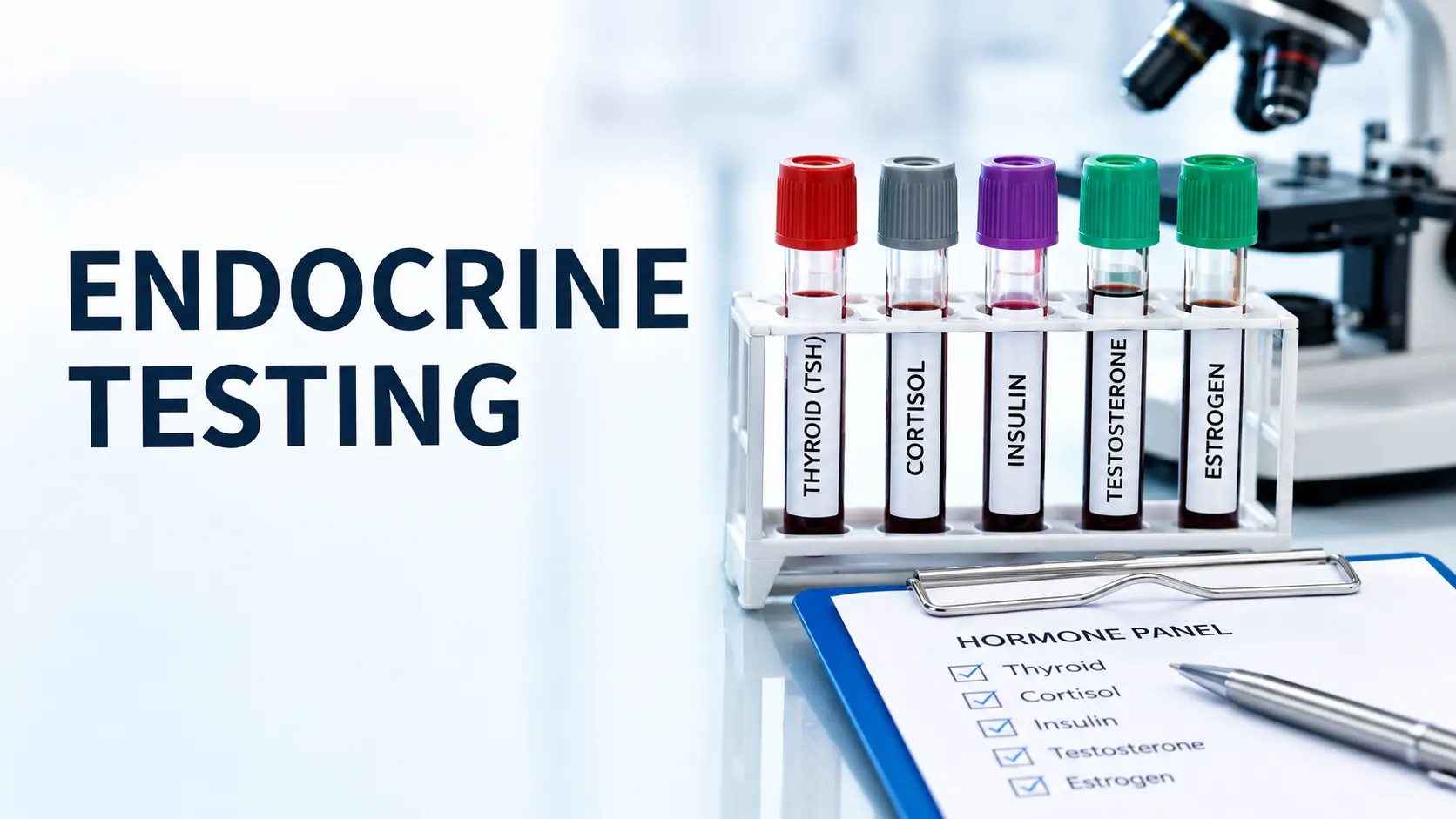
Modern endocrine testing includes blood tests, saliva tests, urine tests, and advanced molecular diagnostics. Over 70% of endocrine disorder diagnoses rely on laboratory testing, making endocrine testing a critical component of preventive healthcare, disease management, and personalized medicine across hospitals, specialty clinics, and diagnostic laboratories.
Market Evolution and Growth Drivers
The endocrine testing market has evolved significantly during the last 20 years due to advancements in diagnostic technologies, automation, and biomarker research. More than 2 billion laboratory tests are performed annually worldwide, with hormone-related diagnostics representing a significant segment. Rising obesity rates affecting over 1 billion individuals globally have increased the prevalence of endocrine disorders such as diabetes and metabolic syndrome. Additionally, approximately 10% of women experience endocrine-related reproductive disorders, creating increased demand for hormone testing.
The adoption of automated immunoassay analyzers, high-throughput testing systems, and molecular endocrine diagnostics has improved testing accuracy by over 95% in many clinical settings. Growing awareness regarding preventive healthcare and early disease detection continues to strengthen demand for endocrine testing solutions.
Top 5 Latest Trends in the Endocrine Testing Market
Expansion of Automated Hormone Testing Platforms
Automation has become one of the most transformative trends in endocrine testing. Modern automated analyzers can process more than 1,000 samples per day while reducing manual intervention by nearly 80%. Clinical laboratories increasingly deploy integrated immunoassay systems capable of delivering hormone test results within 30 to 60 minutes. Automation improves consistency, minimizes human error, and supports high-volume testing environments. Hospitals handling more than 500 endocrine-related samples daily benefit from enhanced workflow efficiency.
Automated testing platforms also support the simultaneous analysis of multiple hormones including cortisol, insulin, thyroid-stimulating hormone, and testosterone. As healthcare facilities continue to prioritize operational efficiency, automated endocrine testing solutions are becoming essential components of modern diagnostic laboratories worldwide.
Increasing Adoption of Molecular Endocrine Diagnostics
Molecular diagnostics is reshaping endocrine testing through genetic and genomic analysis. More than 7,000 known rare diseases have genetic components, many involving endocrine dysfunction. Molecular endocrine testing enables clinicians to identify genetic mutations associated with thyroid cancer, adrenal disorders, and inherited endocrine syndromes. Advanced sequencing technologies can analyze thousands of genetic markers in a single test.
Research studies indicate that molecular testing can improve diagnostic confidence by more than 30% in specific endocrine conditions. The ability to detect disease-related genetic variations before symptom development supports proactive healthcare management. As precision medicine gains momentum, molecular endocrine diagnostics is expected to become increasingly integrated into routine clinical practice.
Growth of Point-of-Care Hormone Testing
Point-of-care testing has emerged as a major trend due to the growing need for rapid diagnostic results. Portable testing systems now allow healthcare providers to obtain hormone measurements within 15 to 20 minutes. More than 60% of emergency care facilities utilize some form of point-of-care diagnostics. Endocrine testing applications include glucose monitoring, fertility assessment, and thyroid function evaluation. Point-of-care devices reduce laboratory turnaround times and improve patient convenience.
In rural and underserved regions, portable endocrine testing solutions help expand access to essential healthcare services. Technological innovations continue to improve sensitivity, accuracy, and connectivity, making point-of-care endocrine testing increasingly practical for clinical and remote healthcare environments.
Integration of Artificial Intelligence in Diagnostic Interpretation
Artificial intelligence is becoming an important tool in endocrine testing. AI algorithms can analyze thousands of patient records and laboratory results within seconds, helping clinicians identify patterns that may otherwise go unnoticed. Studies have shown that AI-assisted diagnostic systems can improve disease prediction accuracy by more than 20% in certain endocrine conditions. Machine learning tools support thyroid disorder screening, diabetes risk assessment, and hormone imbalance detection. Healthcare providers increasingly use AI-powered platforms to reduce diagnostic variability and improve clinical decision-making. With more than 30 zettabytes of healthcare data generated annually, AI technologies are becoming essential for extracting actionable insights from complex endocrine testing datasets.
Personalized Medicine and Comprehensive Hormone Profiling
Personalized medicine is driving demand for comprehensive hormone profiling. Instead of evaluating a single hormone, clinicians increasingly assess multiple biomarkers simultaneously to gain a holistic understanding of endocrine health. Comprehensive panels may include 10 to 20 hormone measurements covering thyroid, adrenal, reproductive, and metabolic functions. Research indicates that personalized treatment plans can improve patient outcomes by up to 40% in specific endocrine disorders. Advanced testing supports individualized therapy selection, treatment monitoring, and disease prevention strategies. The increasing availability of multi-analyte testing panels is helping healthcare providers deliver more targeted and effective endocrine care across diverse patient populations.
Top Companies in the Endocrine Testing
Abbott Laboratories
Company Overview:
Abbott Laboratories is a major healthcare and diagnostics company with operations in more than 160 countries. The company provides a broad range of laboratory diagnostic solutions supporting endocrine testing applications. Its diagnostic platforms process millions of laboratory tests annually and are widely used in hospitals and reference laboratories.
Headquarters:
Illinois, United States
Core Endocrine Testing Expertise:
Hormone testing, thyroid diagnostics, fertility testing, metabolic disorder assessment, and immunoassay technologies.
Major Products and Services:
Automated immunoassay analyzers, laboratory information systems, hormone testing panels, thyroid function testing solutions, and clinical diagnostic services.
Roche Diagnostics
Company Overview:
Roche Diagnostics is one of the leading providers of diagnostic technologies worldwide. The company serves healthcare institutions in more than 100 countries and offers advanced endocrine testing capabilities through its laboratory automation platforms.
Headquarters:
Basel, Switzerland
Core Endocrine Testing Expertise:
Hormone assays, endocrine biomarker analysis, molecular diagnostics, and laboratory automation.
Major Products and Services:
Immunoassay analyzers, endocrine diagnostic panels, molecular testing solutions, laboratory workflow systems, and integrated diagnostic platforms.
Siemens Healthineers
Company Overview:
Siemens Healthineers provides diagnostic solutions used by healthcare providers worldwide. Its laboratory systems support comprehensive endocrine testing and enable high-throughput analysis of hormone-related biomarkers.
Headquarters:
Erlangen, Germany
Core Endocrine Testing Expertise:
Hormone measurement, thyroid disease diagnostics, diabetes testing, and laboratory automation.
Major Products and Services:
Immunoassay systems, endocrine testing reagents, laboratory software solutions, and integrated diagnostic platforms.
Danaher Corporation
Company Overview:
Danaher operates a broad portfolio of life science and diagnostic businesses supporting endocrine testing laboratories globally. Its technologies facilitate precise hormone analysis and advanced clinical diagnostics.
Headquarters:
Washington, D.C., United States
Core Endocrine Testing Expertise:
Clinical diagnostics, immunoassays, biomarker testing, and laboratory workflow optimization.
Major Products and Services:
Diagnostic instruments, endocrine testing reagents, laboratory automation systems, and analytical solutions.
Thermo Fisher Scientific
Company Overview:
Thermo Fisher Scientific supports healthcare and research organizations through advanced analytical and diagnostic technologies. The company plays a significant role in endocrine research and laboratory testing.
Headquarters:
Massachusetts, United States
Core Endocrine Testing Expertise:
Hormone analysis, mass spectrometry, molecular diagnostics, and endocrine biomarker research.
Major Products and Services:
Mass spectrometry systems, diagnostic reagents, laboratory instruments, endocrine research solutions, and molecular testing platforms.
Regional Outlook
North America
North America remains one of the most advanced regions in the endocrine testing market due to the high prevalence of endocrine disorders, strong healthcare infrastructure, and extensive adoption of advanced diagnostic technologies. More than 38 million people in the United States live with diabetes, while over 20 million individuals are estimated to have thyroid-related conditions. These figures continue to create substantial demand for endocrine testing across hospitals, specialty clinics, and diagnostic laboratories.
The region performs millions of hormone tests annually, including thyroid-stimulating hormone (TSH), insulin, cortisol, testosterone, and reproductive hormone assessments. More than 6,000 hospitals and healthcare systems across North America utilize automated immunoassay analyzers for endocrine diagnostics. Laboratory automation has reduced testing turnaround times by nearly 50% compared with conventional testing workflows.
Research institutions and healthcare organizations in North America are actively investing in precision medicine initiatives. More than 1 million genetic tests are conducted annually for various disease indications, including endocrine disorders. Advanced molecular diagnostics are increasingly being used for thyroid cancer evaluation and inherited endocrine syndromes. In addition, wearable glucose monitoring technologies are being used by millions of patients, generating valuable endocrine-related health data.
The region also benefits from high healthcare awareness. Preventive health screenings are becoming more common among adults aged 40 years and above, increasing the number of endocrine evaluations performed every year. With strong clinical research activity, extensive laboratory networks, and widespread access to innovative technologies, North America continues to be a leading market for endocrine testing solutions.
Europe
Europe represents a significant market for endocrine testing due to its aging population, rising prevalence of chronic diseases, and strong emphasis on preventive healthcare. More than 90 million people across Europe are estimated to live with some form of endocrine or metabolic disorder. Thyroid diseases alone affect approximately 5% to 10% of the adult population in several European countries.
The region benefits from an extensive healthcare network consisting of thousands of hospitals, diagnostic laboratories, and specialized endocrine centers. Many countries conduct national screening programs that include hormone testing and metabolic assessments. More than 500 million residents have access to organized healthcare systems that support early diagnosis and treatment of endocrine conditions.
Laboratory modernization has become a key focus across Europe. Automated testing systems capable of processing hundreds of samples per hour are increasingly replacing manual diagnostic workflows. Digital pathology, laboratory information management systems, and artificial intelligence-assisted diagnostics are being integrated into endocrine testing environments.
Research activities continue to support market development. European institutions conduct hundreds of endocrine-related clinical studies every year, focusing on diabetes, thyroid disorders, obesity, adrenal diseases, and reproductive endocrinology. Additionally, obesity affects more than 200 million adults across the region, contributing significantly to increased demand for metabolic and hormone testing services.
Growing public awareness regarding hormonal health, fertility management, and chronic disease prevention is expected to further strengthen endocrine testing adoption throughout Europe in the coming years.
Asia-Pacific
Asia-Pacific is emerging as one of the fastest-expanding regions for endocrine testing due to its large population base, increasing healthcare expenditure, and rising incidence of endocrine disorders. The region accounts for more than 60% of the global population, creating a substantial patient pool requiring diagnostic services. Diabetes affects over 260 million people across Asia-Pacific, making endocrine testing a critical component of disease management.
Urbanization, changing dietary habits, and sedentary lifestyles have significantly increased obesity rates in several countries. In some urban populations, obesity prevalence exceeds 25%, leading to higher rates of hormonal and metabolic disorders. Thyroid dysfunction is also becoming increasingly common, particularly among women aged 30 to 60 years.
Healthcare infrastructure investments continue to expand across major economies. Thousands of new diagnostic laboratories and healthcare facilities have been established during the past decade. Advanced laboratory technologies, including automated immunoassay analyzers and molecular diagnostic platforms, are becoming more widely available in metropolitan healthcare centers.
Government initiatives aimed at improving healthcare access have increased screening and early diagnosis rates. Several countries conduct large-scale diabetes and thyroid awareness programs involving millions of participants annually. Telemedicine adoption is also accelerating, enabling remote consultation and diagnostic support for endocrine patients.
The increasing availability of affordable diagnostic services, combined with growing awareness of hormone-related health issues, positions Asia-Pacific as a major contributor to future endocrine testing demand.
Middle East & Africa
The Middle East and Africa region is experiencing gradual growth in endocrine testing due to increasing healthcare investments, rising chronic disease prevalence, and expanding diagnostic infrastructure. Diabetes remains a major healthcare challenge, with some countries reporting adult prevalence rates exceeding 15%. Millions of individuals across the region require routine endocrine monitoring and hormone assessments.
Rapid urbanization and lifestyle changes have contributed to increased rates of obesity, metabolic syndrome, and endocrine disorders. In several Gulf countries, obesity affects more than 30% of adults, driving demand for diabetes and hormone testing services. Thyroid disorders and reproductive endocrine conditions are also becoming more frequently diagnosed.
Healthcare modernization programs are supporting diagnostic expansion throughout the region. Numerous hospitals and specialty centers have introduced automated laboratory systems capable of performing thousands of endocrine tests each month. Advanced immunoassay technologies are increasingly available in major healthcare facilities.
Government-led healthcare initiatives continue to improve access to diagnostic services. Screening campaigns focused on diabetes and metabolic disorders involve millions of participants annually. In Africa, expanding laboratory networks and international healthcare partnerships are improving access to endocrine testing in underserved areas.
Although healthcare access varies across countries, ongoing investments in laboratory infrastructure, workforce development, and digital healthcare solutions are expected to strengthen endocrine testing capabilities throughout the Middle East and Africa over the next decade.
Future Opportunities in the Endocrine Testing Market
The future of endocrine testing is expected to be shaped by technological innovation, expanding healthcare access, and growing awareness of hormone-related diseases. More than 1 billion people worldwide are estimated to be affected by obesity, a major risk factor for multiple endocrine disorders. This growing patient population creates substantial opportunities for diagnostic providers and healthcare organizations.
One significant opportunity lies in personalized medicine. Advanced endocrine testing panels can simultaneously evaluate 10 to 20 biomarkers, providing clinicians with comprehensive insights into hormonal health. Personalized treatment approaches supported by detailed hormone profiling are expected to become increasingly common across healthcare systems.
Artificial intelligence presents another promising growth avenue. AI algorithms can analyze thousands of patient records and laboratory results within seconds, helping healthcare professionals identify endocrine abnormalities earlier and more accurately. Studies indicate that machine-learning-assisted diagnostics can improve predictive accuracy by more than 20% in selected disease categories.
Point-of-care testing also offers considerable potential. Portable diagnostic devices capable of delivering results within 15 minutes are expanding access to healthcare in remote and underserved communities. These technologies support rapid diagnosis while reducing laboratory dependency.
The integration of molecular diagnostics represents an additional opportunity. Genetic testing can identify inherited endocrine disorders before clinical symptoms appear, allowing earlier intervention and improved patient outcomes. Advances in next-generation sequencing technologies continue to increase testing capabilities while reducing analysis time.
Digital health platforms, telemedicine services, wearable monitoring devices, and remote patient management solutions are expected to further transform endocrine care. Continuous glucose monitoring systems already generate thousands of data points per patient each month, demonstrating how digital technologies can enhance disease management.
As healthcare systems increasingly prioritize preventive care, early disease detection, and personalized treatment strategies, endocrine testing will remain a critical component of modern medical practice and create numerous opportunities for innovation and expansion.
Conclusion
The endocrine testing market has become an essential component of modern healthcare, supporting the diagnosis, monitoring, and management of a wide range of hormone-related disorders. With more than 537 million adults affected by diabetes globally and hundreds of millions experiencing thyroid, adrenal, reproductive, and metabolic conditions, the demand for accurate endocrine diagnostics continues to rise. Technological advancements including automated immunoassays, molecular diagnostics, artificial intelligence, and point-of-care testing have significantly improved diagnostic accuracy, efficiency, and accessibility.
Leading companies continue to invest in innovative testing platforms capable of processing thousands of samples daily while delivering highly reliable results. At the same time, healthcare providers are increasingly adopting comprehensive hormone profiling and personalized medicine approaches that enable more targeted treatment strategies. Regional markets across North America, Europe, Asia-Pacific, and the Middle East & Africa are benefiting from increased healthcare awareness, expanding laboratory infrastructure, and greater access to advanced diagnostic technologies.
Looking ahead, opportunities related to precision medicine, digital health integration, genetic testing, and portable diagnostics are expected to redefine the future of endocrine testing. As chronic diseases, obesity, and aging populations continue to grow worldwide, endocrine testing will play an increasingly important role in preventive healthcare, early disease detection, and improved patient outcomes. The industry's continued focus on innovation, quality, and accessibility positions it as a critical pillar of global healthcare systems for years to come.