

Weight Loss and Weight Management Diet Market
Weight Loss and Weight Management Diet Market Size, Share, Trends, Growth, and Industry Analysis, By Product Type (Better-for-you Meals, Beverages, Supplements), By Distribution Channel (Supermarkets and Hypermarkets, Specialty Stores, Online Channels, Others), Regional Analysis and Forecast Period 2026-2035
Weight Loss and Weight Management Diet Market Overview
As per Econ Market Research analysis, the Global Weight Loss and Weight Management Diet Market valuation stood at US$ 191.33 Billion in 2026 and is expected to reach US$ 392.15 Billion by 2035, growing at a steady CAGR of 8.3% from 2026 to 2035. 2025 serves as the base year.
Weight Loss and Weight Management Diet Market Size 2025-2035 (USD Billion)

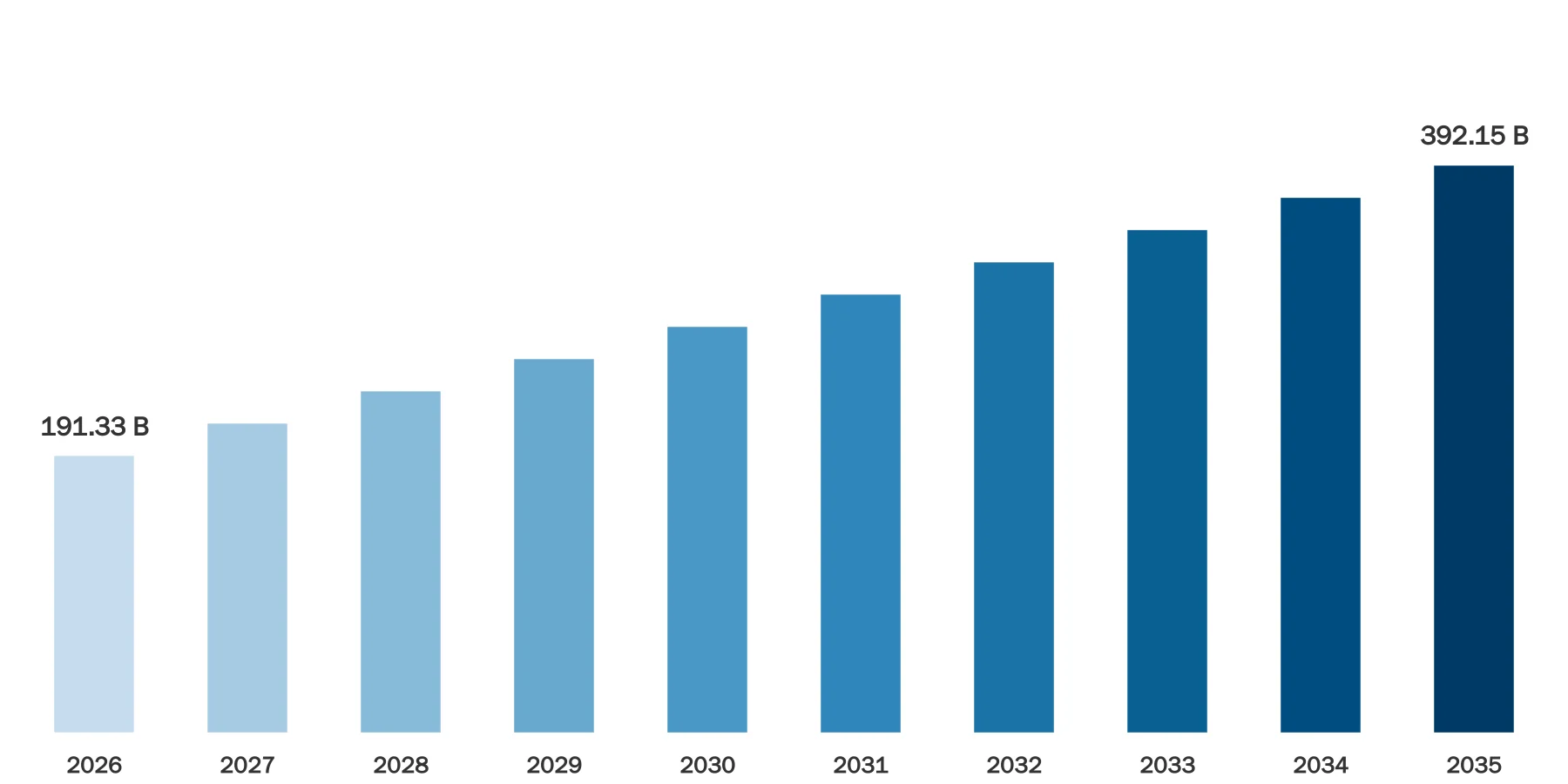
Source: Econ Market Research
Weight Loss and Weight Management Diet market primarily targets consumers seeking to manage their weight through dietary interventions, exercise programs, behavioural modifications, and medical interventions. It includes a wide range of products such as meal replacement shakes, dietary supplements, weight loss medications, fitness equipment, and digital health solutions like mobile apps and online coaching platforms. Additionally, the market comprises various diet plans and programs tailored to specific dietary preferences, health goals, and lifestyle choices, including low-carb diets, ketogenic diets, intermittent fasting, and plant-based diets.
Weight Loss and Weight Management Diet Dynamics
One significant dynamic is the increasing prevalence of obesity and overweight populations worldwide, which has spurred demand for weight management solutions. Rising awareness of the health risks associated with obesity, including cardiovascular disease, diabetes, and certain cancers, has motivated individuals to seek effective methods for weight loss and maintenance. Additionally, demographic trends such as aging populations and urbanization contribute to the market',s expansion, as urban lifestyles often promote sedentary behaviors and unhealthy eating habits.
Moreover, changing consumer attitudes towards health and wellness, characterized by a preference for natural and sustainable products, are influencing product innovation and marketing strategies within the market. Technological advancements, particularly in digital health and wearable fitness devices, are also shaping the market by providing consumers with convenient tools for monitoring their health and tracking progress towards weight management goals. However, the market also faces challenges such as regulatory scrutiny, especially regarding the safety and efficacy of weight loss supplements and medications. Moreover, shifting societal norms and cultural perceptions of body image may impact consumer preferences and purchasing decisions in the weight management market.
Weight Loss and Weight Management Diet Drivers
Increasing Obesity Rates
The increasing global prevalence of obesity is one of the main factors driving the growth of the weight loss and weight management diet market. Obesity has become a global health crisis due to changes in lifestyle, increased sedentary behaviour, and poor dietary choices. The rise in obesity rates has increased people',s knowledge of the significance of controlling one',s weight for general health and wellbeing. As a result, the market is expanding due to the rising demand for weight loss and management products and services, such as meal replacement supplements and fitness regimens.
Advancements in Digital Health Technologies
The market for weight loss and weight management has completely changed as a result of the development of digital health technologies, which give users cutting-edge platforms and tools for efficiently tracking, monitoring, and managing their weight. Users', engagement and motivation are increased by personalised solutions and real-time feedback provided by mobile applications, wearable fitness devices, and online coaching platforms. These technologies drive market growth by streamlining the process of managing weight and encouraging adherence to healthy lifestyle choices and accountability. Tech-savvy consumers looking for quick and effective ways to manage their weight are catered to by the accessibility and convenience that digital health solutions provide.
Restraints
Regulatory Constraints
Strict regulatory oversight is applied to the weight loss and weight management market, especially with regard to product and service safety and effectiveness. Strict regulations and guidelines are enforced by regulatory bodies concerning the promotion, labelling, and dispensing of weight reduction supplements, drugs, and meal plans. Complying with regulatory requirements makes product development and market entry more difficult and expensive, which limits the potential for growth for businesses in this industry.
Skepticism and Misinformation
Despite the proliferation of weight loss products and programs, skepticism and misinformation surrounding their effectiveness and safety remain significant barriers to market growth. Consumers are inundated with conflicting information and exaggerated claims about weight loss products, leading to confusion and distrust in the efficacy of certain solutions. Negative perceptions resulting from past experiences with ineffective products or unsustainable diet trends contribute to consumer hesitancy in adopting new weight management strategies, thereby impeding market expansion. Educating consumers about evidence-based approaches and fostering transparency in product marketing are essential to overcoming skepticism and building trust within the weight management market.
Opportunities
Personalized Nutrition and Wellness Solutions
The increasing focus on personalized health and wellness presents significant opportunities for innovation within the weight loss and weight management market. Leveraging advancements in genetic testing, biomarker analysis, and Artificial Intelligence, companies can develop tailored nutrition and lifestyle interventions that cater to individual health profiles, preferences, and goals. Personalized approaches offer greater efficacy and adherence compared to one-size-fits-all solutions, driving demand and market growth.
Segment Overview
By Type
Segmented by diet types, the market offers meal replacements, supplements, and beverages as primary intervention options. Meal replacements typically include shakes, bars, and pre-packaged meals designed to provide controlled portions and balanced nutrition, offering convenience for individuals seeking structured weight loss plans. Supplements encompass a wide range of products such as vitamins, Minerals, herbal extracts, and proprietary blends formulated to support weight loss goals by enhancing metabolism, suppressing appetite, or promoting fat burning. Beverages include functional drinks, teas, and detox waters fortified with ingredients purported to aid weight loss, offering a convenient and refreshing alternative to traditional dietary interventions.
By Service
In terms of services, the weight loss and weight management market offers a spectrum of options to support individuals in their wellness journey. Fitness centers provide access to exercise equipment, group classes, and personal training sessions, enabling individuals to engage in physical activity tailored to their fitness levels and preferences. Consulting services encompass nutritionists, dieticians, and health coaches who offer personalized guidance, meal planning, and behaviour modification strategies to help clients achieve sustainable weight loss and lifestyle changes.
Slimming centers offer comprehensive programs that combine dietary counselling, exercise regimens, and non-invasive treatments such as body sculpting and cellulite reduction, targeting individuals seeking rapid results and body contouring solutions. Online programs leverage digital platforms and virtual coaching to deliver customized diet plans, workout routines, and support networks accessible anytime, anywhere, appealing to tech-savvy consumers seeking flexibility and anonymity in their weight management journey.
Weight Loss and Weight Management Diet Overview by Region
In North America, including the United States and Canada, the market is characterized by a high prevalence of obesity and a strong emphasis on health and wellness trends. The region boasts a robust fitness industry, with a plethora of gyms, wellness centers, and dietary programs catering to health-conscious consumers. Additionally, technological innovation and a thriving digital health ecosystem drive the adoption of mobile apps, wearable devices, and online coaching platforms for weight management.
In Europe, countries like the United Kingdom, Germany, and France witness similar trends, with a growing demand for personalized nutrition solutions and holistic wellness experiences. The region',s aging population and increasing awareness of chronic diseases fuel interest in preventive health measures and lifestyle interventions. Asia-Pacific, including China, Japan, and India, represents a burgeoning market for weight loss and management solutions, fuelled by rising disposable incomes, urbanization, and changing dietary habits.
In this region, traditional remedies and herbal supplements coexist with Western dietary trends, offering a diverse landscape of products and services tailored to local preferences. Moreover, government initiatives to combat obesity and promote healthy lifestyles contribute to market growth in emerging economies. Latin America and the Middle East &, Africa exhibit untapped potential for market expansion, characterized by rising obesity rates and a burgeoning middle class seeking affordable and accessible weight management solutions. However, challenges such as regulatory hurdles, cultural perceptions, and economic disparities pose barriers to market penetration in these regions.
Weight Loss and Weight Management Diet Market Competitive Landscape
Pharmaceutical giants like Novo Nordisk, GlaxoSmithKline, and Roche dominate the market for weight loss medications, leveraging their research and development capabilities to bring innovative treatments to market. Similarly, food and beverage companies such as Nestlé,, Herbalife, and Abbott Nutrition offer a wide range of weight management products, including meal replacements, dietary supplements, and functional beverages, catering to consumer demand for convenient and nutritious options. In the fitness sector, global chains like Planet Fitness, Anytime Fitness, and Gold',s Gym compete for market share by providing state-of-the-art facilities, personalized training programs, and group fitness classes designed to support weight loss goals.
Furthermore, the emergence of digital health start-ups like Noom, MyFitnessPal, and WW (formerly Weight Watchers) disrupts the traditional market landscape by offering virtual coaching, behavioural therapy, and AI-driven algorithms to facilitate sustainable weight management. These companies leverage technology to deliver personalized experiences, data-driven insights, and social support networks, enhancing user engagement and retention. Additionally, traditional weight loss clinics and wellness centers, including Jenny Craig, Slimming World, and Nutrisystem, remain key players in the market, offering structured programs, counselling services, and meal delivery options tailored to individual needs.
Weight Loss and Weight Management Diet Market Leading Companies:
Weight Watchers International, Inc.
Atkins Nutritionals, Inc.
Slimming World
Herbalife Nutrition Ltd.
Nutrisystem, Inc.
Jenny Craig, Inc.
Medifast, Inc.
Noom, Inc.
BistroMD, LLC
Optavia LLC
Weight Loss and Weight Management Diet Recent Developments
Nov 2023, The FDA has granted approval to Eli Lilly and Company',s Zepbound (tirzepatide) injection, making it the inaugural obesity treatment of its kind. Zepbound activates both GIP (glucose-dependent insulinotropic polypeptide) and GLP-1 (glucagon-like peptide-1) hormone receptors. It is designated for adults with obesity (with a BMI of 30 kg/m2 or higher) or individuals who are overweight (with a BMI of 27 kg/m2 or higher) and have weight-related medical conditions such as hypertension, dyslipidemia, type 2 diabetes mellitus, obstructive sleep apnea, or cardiovascular disease. The drug aims to facilitate weight loss and maintenance.
Global Weight Loss and Weight Management Diet Report Segmentation
Weight Loss and Weight Management Diet Market Report Scope & Segmentation
| Attributes | Details |
|---|---|
Market Size (Current) | US$ 191.33 Billion in 2026 |
Market Size (Forecast) | US$ 392.15 Billion in 2035 |
Growth Rate | CAGR of 8.3% from 2026 to 2035 |
Forecast Period | 2026 – 2035 |
Base Year | 2025 |
Historical Data Available | Yes |
Regional Scope | Global |
Segments Covered | By Product Type
By Distribution Channel
|
Frequently Asked Questions
Common questions about this report
The study period covers historical insights and forecast projections for the period 2026-2035.
About the Author
Market research expert with years of industry experience

Dipali Bhingare serves as the Market Research Director at Econ Market Research. With a focus on translating complex global economic shifts into actionable business intelligence, she oversees the strategic direction of comprehensive market studies. Her work empowers organizations to navigate volatile industries through data-driven forecasting and deep-dive competitive analysis.
Related Reports
Explore more market insights from the same category