
Waste to Energy (WTE) Market Report: By Technology (Thermochemical, Biochemical), By Waste Type (Municipal Solid Waste, Process Waste, Agricultural Waste, Others), By Application (Electricity, Heat), and Region (North America, Europe, Asia-Pacific, Latin America, Middle-East and Africa) Global Industry Analysis, Size, Share, Growth, Trends, Regional Analysis, Competitor Analysis and Forecast 2024-2032.
Global Waste to Energy (WTE) market is predicted to reach approximately USD 51.62 billion by 2032, at a CAGR of 5.26% from 2024 to 2032.
The global Waste to Energy (WTE) market encompasses technologies designed to convert various forms of waste into energy, typically electricity, heat, or fuel. This process involves the combustion of waste materials in specially designed facilities equipped with advanced pollution control mechanisms to minimize environmental impact. With increasing conce s about waste management, environmental sustainability, and energy security, the WTE market has witnessed significant growth in recent years. Gove ments worldwide are implementing stringent regulations to reduce landfill waste and promote the adoption of renewable energy sources, further driving the demand for WTE solutions.
Additionally, rising urbanization and industrialization, particularly in emerging economies, are generating substantial amounts of waste, creating opportunities for the expansion of the WTE market. Key players in the industry are focusing on technological advancements to enhance efficiency, reduce emissions, and improve the overall economics of waste-to-energy conversion. However, challenges such as high initial investment costs, public perception issues related to incineration, and the availability of alte ative waste management options pose constraints to market growth. Nevertheless, with ongoing efforts to address these challenges and the growing recognition of the potential benefits of WTE technologies in waste management and sustainable energy production, the global WTE market is poised for continued expansion in the foreseeable future.
 Market.PNG)
Global Waste to Energy (WTE) Report Scope and Segmentation
| Report Attribute | Details |
| Estimated Market Value (2023) | USD 32.53 billion |
| Projected Market Value (2032) | USD 51.62 billion |
| Base Year | 2023 |
| Forecast Years | 2024 &ndash, 2032 |
| Scope of the Report | Historical and Forecast Trends, Industry Drivers and Constraints, Historical and Forecast Market Analysis by Segment- Based on By Technology, By Waste Type, By Application, &, Region. |
| Segments Covered | By Technology, By Waste Type, By Application, &, By Region. |
| Forecast Units | Value (USD Billion or Million), and Volume (Units) |
| Quantitative Units | Revenue in USD million/billion and CAGR from 2024 to 2032. |
| Regions Covered | North America, Europe, Asia Pacific, Latin America, and Middle East &, Africa. |
| Countries Covered | U.S., Canada, Mexico, U.K., Germany, France, Italy, Spain, China, India, Japan, South Korea, Brazil, Argentina, GCC Countries, and South Africa, among others. |
| Report Coverage | Market growth drivers, restraints, opportunities, Porter&rsquo,s five forces analysis, PEST analysis, value chain analysis, regulatory landscape, market attractiveness analysis by segments and region, company market share analysis. |
| Delivery Format | Delivered as an attached PDF and Excel through email, according to the purchase option. |
Waste to Energy (WTE) Dynamics
Gove ment rules and policies, which promote renewable energy sources and impose strict waste management standards, are crucial in encouraging the adoption of WTE solutions. The implementation of sophisticated pollution control technologies is required by increasingly strict emission regulations, which motivates research and development expenditures aimed at improving efficacy and mitigating environmental impact.
The WTE industry is undergoing a technological revolution that is resulting in the creation of waste conversion technologies that are more sustainable and efficient. The economics of converting waste to energy is getting better thanks to advancements in gasification, anaerobic digestion, and thermal treatment techniques, which also lower emissions and increase energy recovery rates. Additionally, the scope and versatility of WTE systems are being expanded through integration with other renewable energy technologies, such as solar power and biomass, which is propelling market growth.
Environmental conce s regarding landfill waste and greenhouse gas emissions are compelling stakeholders to explore alte ative waste management solutions, thereby driving the demand for WTE technologies. The growing recognition of WTE as a viable means of reducing carbon footprint and achieving sustainability goals is fueling investments in WTE infrastructure globally. Additionally, economic factors such as volatile energy prices and fluctuating waste management costs are influencing the adoption of WTE solutions as a cost-effective and environmentally sustainable waste management strategy.
Waste to Energy (WTE) Drivers
- Stringent Environmental Regulations:
Increasingly stringent environmental regulations worldwide aimed at reducing greenhouse gas emissions and promoting sustainable waste management practices are driving the growth of the Waste to Energy (WTE) market. Gove ments are imposing strict limits on landfill waste and emissions, thereby incentivizing industries to invest in WTE technologies as an environmentally friendly alte ative. For instance, initiatives such as the European Union',s Waste Framework Directive and the Renewable Energy Directive set ambitious targets for waste diversion and renewable energy generation, spurring investments in WTE infrastructure across the region.
- Rising Waste Generation:
Global waste generation is significantly rising as a result of fast urbanisation, industrialization, and population growth. The increase in waste volumes poses a significant challenge to conventional waste management systems, calling for creative solutions like WTE to ensure effective resource utilisation and minimise environmental effects. The need for sustainable waste management techniques and energy security is expected to drive an increase in demand for WTE technologies as urban centres grow and consumption patte s change.
Restraints:
WTE projects require a large initial capital outlay, which includes building specialised facilities and installing cutting-edge machinery for energy production and waste processing. For market participants, high initial costs frequently represent a major barrier to entry, especially in areas with constrained financial resources or unreliable regulatory environments. Furthermore, the perceived risks related to technology deployment, project scalability, and revenue generation potential can make financing WTE projects difficult, which can restrict market growth.
- Public Perception and Community Opposition:
Despite its potential environmental benefits, WTE incineration facilities often face resistance from local communities and environmental advocacy groups due to conce s about air quality, public health risks, and perceived negative impacts on surrounding ecosystems. Public opposition can delay project approvals, increase regulatory scrutiny, and escalate project costs, thereby impeding the expansion of the WTE market. Addressing public perception issues and fostering community engagement through transparent communication, stakeholder consultations, and environmental impact assessments are crucial for overcoming resistance and gaining social acceptance for WTE projects.
Opportunities:
- Technological Innovations and Efficiency Improvements:
Continuous improvements in WTE technologies offer substantial chances to boost environmental performance, energy recovery rates, and process efficiency. Examples of these technologies include gasification, pyrolysis, and anaerobic digestion. Mode emissions control technologies, modular plant layouts, and integrated waste management systems are examples of innovations that have the potential to lower operating costs, improve resource recovery, and broaden market appeal. Furthermore, the WTE sector is becoming more innovative and competitive due to research and development initiatives focused on improving process automation, optimising feedstock utilisation, and diversifying end-product applications. This opens up new opportunities for industry players to take advantage of developing market trends.
Segment Overview
- By Technology:
WTE technologies can be categorized into thermochemical and biochemical processes. Thermochemical processes involve the combustion, gasification, or pyrolysis of waste materials to generate heat or electricity. Gasification and pyrolysis technologies convert solid waste into synthesis gas or liquid fuels through high-temperature chemical reactions, offering higher energy conversion efficiencies and lower emissions compared to traditional incineration methods.
Biochemical processes, such as anaerobic digestion, employ microbial decomposition to break down organic waste into biogas and digestate, suitable for electricity generation or nutrient-rich soil amendments. These biological processes are particularly well-suited for organic waste streams, offering renewable energy and waste management solutions while mitigating greenhouse gas emissions.
- By Waste Type:
The WTE market encompasses various waste streams, including municipal solid waste (MSW), process waste, agricultural waste, and others. MSW, comprising household, commercial, and institutional waste, represents a significant feedstock for WTE facilities globally, driven by urbanization, population growth, and increasing consumption patte s. Process waste from industrial and manufacturing activities, characterized by high energy content and often challenging disposal requirements, presents opportunities for WTE conversion, contributing to resource recovery and environmental sustainability.
Agricultural waste, including crop residues, animal manure, and food processing by-products, represents a valuable feedstock for bioenergy production, offering opportunities for decentralized energy generation and rural development. Additionally, other waste streams such as construction and demolition debris, sewage sludge, and healthcare waste present niche opportunities for specialized WTE applications, contributing to comprehensive waste management strategies and circular economy initiatives.
- By Application:
WTE technologies serve diverse applications, primarily electricity and heat generation. Electricity generation from WTE facilities contributes to grid stability, renewable energy portfolios, and energy security, displacing fossil fuel-based power generation and reducing greenhouse gas emissions. Heat recovery from WTE processes enables district heating and industrial applications, providing thermal energy for space heating, water heating, and industrial processes, enhancing energy efficiency and resource utilization.
By diversifying energy sources and reducing reliance on finite resources, WTE applications contribute to sustainable development goals, environmental stewardship, and resilience to energy supply disruptions. Moreover, combined heat and power (CHP) systems integrate electricity and heat generation, maximizing energy efficiency and economic viability, further promoting the adoption of WTE solutions in decentralized energy markets and urban infrastructure projects.
Waste to Energy (WTE) Overview by Region
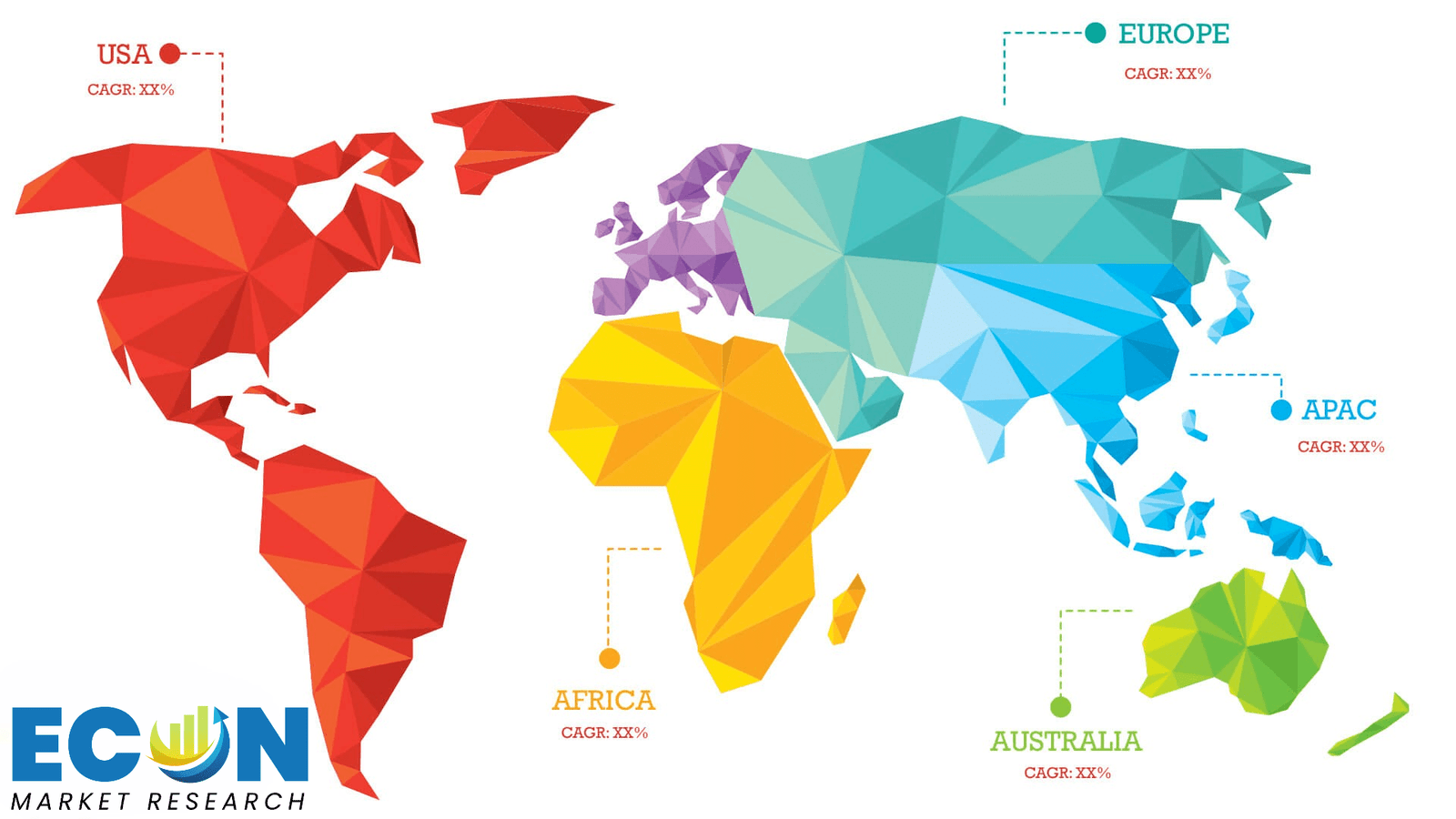
In Europe, stringent environmental regulations, ambitious renewable energy targets, and limited landfill capacities have spurred significant investments in WTE infrastructure. Countries like Germany, Sweden, and Denmark lead the adoption of advanced WTE technologies, leveraging their expertise in waste management and environmental policy frameworks to drive sustainable energy initiatives.
North America, particularly the United States, showcases a growing interest in WTE solutions driven by increasing waste volumes, aging landfill infrastructure, and renewable energy incentives at the federal and state levels. ,Emerging economies in Asia-Pacific, including China, Japan, and India, are witnessing rapid urbanization, industrialization, and escalating waste generation rates, fueling demand for innovative waste management and energy recovery solutions. China, the world',s largest waste producer, is investing in WTE projects to address pollution conce s, improve resource utilization, and reduce dependence on fossil fuels.
In the Middle East and Africa, limited waste management infrastructure, coupled with growing population densities and urbanization trends, present untapped opportunities for WTE market expansion. Countries like the United Arab Emirates and South Africa are exploring WTE solutions to manage municipal and industrial waste streams, diversify energy sources, and promote sustainable development. Latin America demonstrates a nascent but evolving WTE market landscape, driven by growing environmental awareness, regulatory reforms, and investments in renewable energy projects.
Waste to Energy (WTE) Market Competitive Landscape
Key players such as Covanta Energy Corporation, Veolia Environment S.A., and Suez Environnement Company dominate the global WTE market, leveraging their extensive experience, technological expertise, and diversified service portfolios to offer integrated waste management and energy solutions. These industry giants focus on strategic partnerships, mergers and acquisitions, and technological innovation to expand their market presence, enhance operational efficiency, and capitalize on evolving regulatory and market trends.
Additionally, a growing number of startups and innovative ventures are entering the WTE space, developing novel technologies and business models to address specific market niches and emerging challenges. Collaborative initiatives between public and private entities, research institutions, and gove ment agencies are fostering knowledge sharing, capacity building, and industry standardization, driving competitiveness and sustainability across the WTE value chain. As competition intensifies and market dynamics evolve, players are investing in R&,D, market intelligence, and customer engagement to differentiate their offerings, optimize resource utilization, and unlock new revenue streams in the burgeoning WTE market landscape.
Waste to Energy (WTE) Market Leading Companies:
-
Mitsubishi Heavy Industries Ltd
-
Waste Management Inc.
-
A2A SpA
-
Veolia Environnement SA
-
Hitachi Zosen Corp
-
Suez
-
Covanta Holding Corporation
-
China Everbright Inte ational Limited
-
Abu Dhabi National Energy Company PJSC
-
Ramboll Group A/S
-
Babcock &, Wilcox Enterprises, Inc.
-
Wheelabrator Technologies Inc.
-
Xcel Energy Inc.
Waste to Energy (WTE) Recent Developments
- Dec 2022, CEMEX, S.A.B. de C.V along with CEMEX Ventures, its corporate venture capital division, revealed their financial backing of Waste to Energy Advanced Solutions (",WtEnergy",), a pioneering clean energy startup. WtEnergy has devised an innovative method for converting solid waste into synthesis gas (",Syngas",) tailored for industrial applications.
Global Waste to Energy (WTE) Report Segmentation
| ATTRIBUTE | , , , , ,DETAILS |
| By Technology |
|
| By Waste Type |
|
| By Application |
|
| By Geography |
|
| Customization Scope |
|
| Pricing |
|
,
No FAQs available.
Report Details
- Published Date:Feb 26, 2024
- Format:PDF
- Language:English
- Delivery:Instant
Download Sample
Get a free sample report to preview the content and quality.