

Virtual Pipeline System Market
Virtual Pipeline System Market Size, Share, Trends, Growth, and Industry Analysis, By Type (Standard Trailer, Tube Trailer), By Gas Type (CNG, LNG, Others), By Application (Industrial, Transportation, Residential, Commercial), Regional Analysis and Forecast Period 2026-2035
Market Overview
As per Econ Market Research analysis, the Global Virtual Pipeline System Market was valued at approximately US$ 2.75 Billion in 2026 and is predicted to reach US$ 4.5 Billion by 2035, expanding at a CAGR of 5.8% over the forecast duration. The base year is 2025.
Virtual Pipeline System Market Size 2025-2035 (USD Billion)

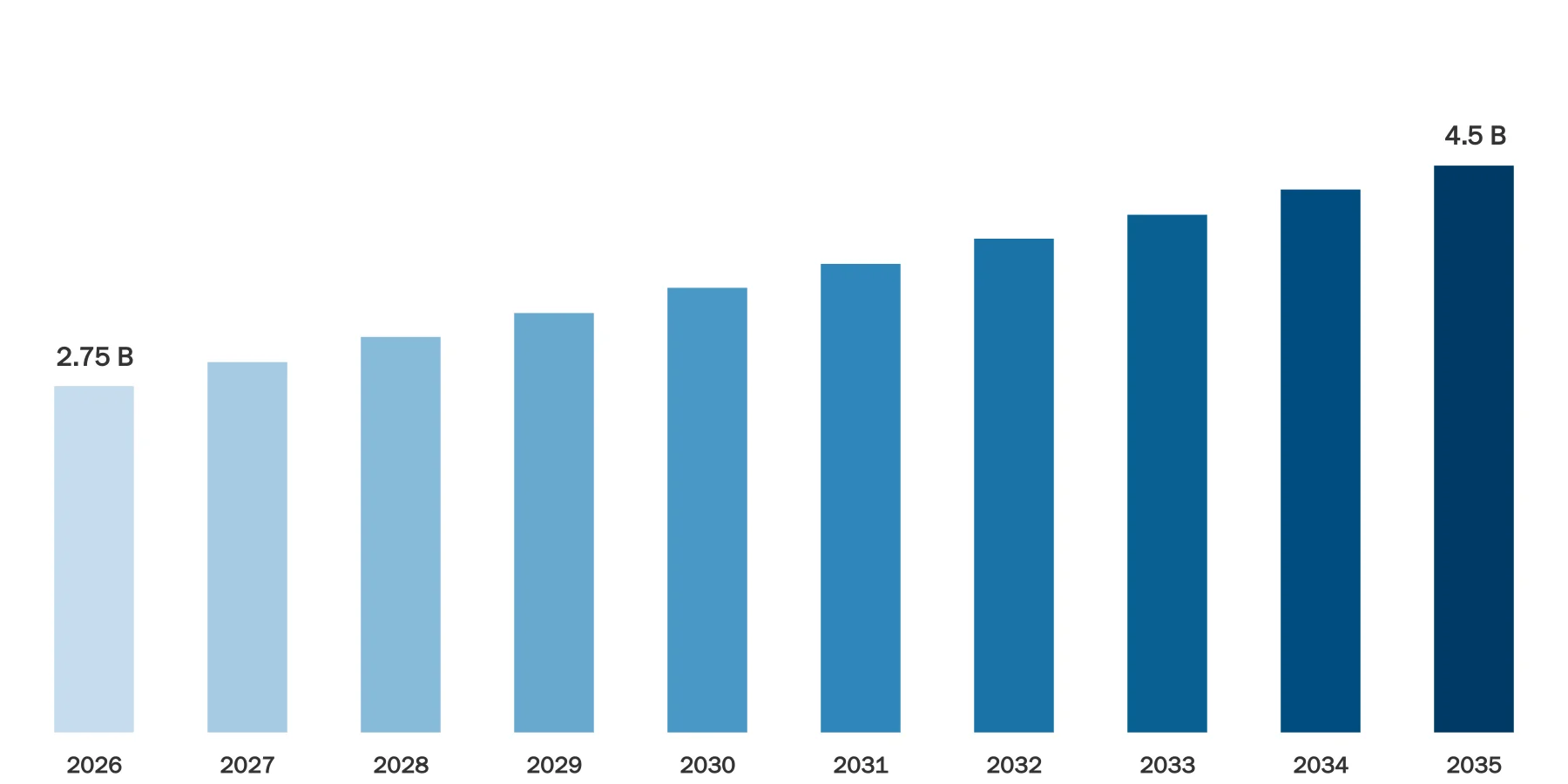
Source: Econ Market Research
The Global Virtual Pipeline System market refers to a network of interconnected systems designed to transport natural gas, LNG, and CNG from one location to another without the need for physical pipelines. This innovative system utilizes various modes of transportation such as trucks, ships, and railcars equipped with specialized equipment to transport compressed or liquefied natural gas to remote or inaccessible areas. The market for Virtual Pipeline Systems has witnessed substantial growth due to the increasing demand for clean energy sources, especially in regions lacking traditional pipeline infrastructure. The system offers flexibility, cost-effectiveness, and rapid deployment compared to conventional pipeline projects, making it an attractive solution for energy distribution in remote regions, industrial applications, and temporary installations such as power plants and mining operations.
Key factors driving the growth of the Global Virtual Pipeline System market include the rising adoption of natural gas as a cleaner alternative to traditional fuels, stringent environmental regulations encouraging the use of cleaner energy sources, and advancements in technology enabling safer and more efficient transportation of natural gas. Moreover, the Virtual Pipeline System provides an effective solution for energy distribution in areas with challenging terrain or limited access to conventional pipeline networks. The market is also propelled by the increasing demand for energy in emerging economies and the growing emphasis on energy security and diversification strategies globally.
Virtual Pipeline System Dynamics
One significant driver is the increasing demand for natural gas as a cleaner and more environmentally friendly alternative to traditional fossil fuels. This rising demand is fuelled by environmental regulations aimed at reducing carbon emissions, as well as the growing awareness of the need for sustainable energy solutions. Additionally, the Virtual Pipeline System offers a flexible and cost-effective means of transporting natural gas to remote or inaccessible areas where traditional pipeline infrastructure is not feasible or economically viable. This has LED to its adoption in various industries such as power generation, manufacturing, and transportation, further driving market growth.
Moreover, technological advancements and innovations in Virtual Pipeline Systems are playing a pivotal role in enhancing the efficiency, safety, and reliability of gas transportation. Improved compression and liquefaction technologies, as well as advancements in storage and transportation equipment, are enabling the seamless and secure delivery of natural gas across diverse geographical regions. Furthermore, strategic collaborations and partnerships among industry players are facilitating the development of integrated solutions and expanding the reach of Virtual Pipeline Systems globally. However, the market also faces challenges such as regulatory uncertainties, geopolitical risks, and infrastructure constraints, which may impact market growth and investment decisions.
Virtual Pipeline System Drivers
Environmental Regulations and Sustainability Initiatives:
Cleaner energy sources like natural gas are becoming more popular as a result of strict environmental regulations designed to reduce carbon emissions and mitigate climate change. By providing a viable means of delivering natural gas to regions without conventional pipeline infrastructure, Virtual Pipeline Systems aid in the shift to more environmentally friendly energy sources. Virtual Pipeline Systems are also encouraged to be used as part of larger initiatives to lessen carbon emissions and encourage environmental conservation by governments, businesses, and international organisations.
Technological Advancements and Innovation:
Continuous advancements in technology are enhancing the efficiency, safety, and reliability of Virtual Pipeline Systems, driving market growth. Innovations in compression, liquefaction, and storage technologies enable the efficient transportation of natural gas across long distances and diverse geographical terrains. Moreover, developments in monitoring and control systems enhance operational safety and reduce the risk of accidents or leaks, thereby instilling confidence among stakeholders. These technological advancements also contribute to cost reductions, making Virtual Pipeline Systems more competitive compared to conventional pipeline projects.
Restraints:
Regulatory Uncertainties and Policy Risks:
The Global Virtual Pipeline System market is subject to regulatory uncertainties and policy risks, which may hinder market growth and investment decisions. Changes in government regulations, tax policies, and energy policies can impact the economic viability and profitability of Virtual Pipeline projects. Moreover, geopolitical tensions and trade disputes may introduce additional uncertainties, affecting market dynamics and investor confidence. Therefore, navigating regulatory and policy challenges is crucial for stakeholders operating in the Virtual Pipeline System market.
Infrastructure Constraints and Investment Requirements:
Infrastructure development, including distribution networks, storage facilities, and transportation equipment, will require large investments for the deployment of Virtual Pipeline Systems. Barriers to market expansion could come from infrastructure limitations like difficult land acquisition, restricted access to good transportation routes, and obtaining regulatory approvals. Furthermore, prospective investors may be discouraged and market expansion may be hampered by the high initial capital expenditure and lengthy payback periods associated with Virtual Pipeline projects, particularly in areas with limited financial resources or unstable economic conditions.
Opportunities:
Integration of Renewable Energy Sources:
For the virtual pipeline system market, the incorporation of renewable energy sources like biogas, biomethane, and hydrogen offers encouraging prospects. Renewable gases can be efficiently transported and distributed to end users by utilising Virtual Pipeline infrastructure, which helps to decarbonise energy systems. The need for Virtual Pipeline Systems to facilitate the distribution of renewable gas is anticipated to increase as governments and businesses place a greater emphasis on the deployment of renewable energy sources and carbon neutrality objectives. Additionally, advancements in gas blending technologies make it possible for renewable gases to be seamlessly integrated into current natural gas networks, opening up new possibilities for the energy sector',s sustainability and diversification.
Segment Overview
By Type
The market is segmented into Ordinary Type and Special Type Virtual Pipeline Systems. Ordinary Type systems encompass standard configurations for gas transportation, while Special Type systems are tailored to specific industry requirements or operational conditions, such as high-pressure applications or extreme environmental conditions.
By Product:
Virtual Pipeline Systems transport various gas products, including Liquefied Petroleum Gas (LPG), Liquid Natural Gas (LNG), Compressed Natural Gas (CNG), Propane, and Diesel and Oils. Each product serves distinct end-user applications ranging from residential heating and cooking to industrial manufacturing and transportation fuel.
By Container Size:
Virtual Pipeline Systems utilize containers of different sizes classified as Type I, Type II, Type III, and Type IV based on their design pressure and material composition. These containers accommodate different volumes of gas and are selected based on factors such as transportation distance, storage capacity, and safety requirements.
By Mode of Transportation:
The transportation of gas within Virtual Pipeline Systems occurs through various modes including Intermodal ISO Tank Containers, Tanker Rail Cars, Pipeline Transport, Reticulated Gas System or Piped Gas System, Road Tankers, and Local Bobtail Tankers. Each mode offers distinct advantages in terms of efficiency, cost-effectiveness, and adaptability to specific geographical and logistical challenges.
By Application:
Virtual Pipeline Systems serve diverse applications across industrial, transportation, commercial, and residential sectors. Industrial applications include power generation, manufacturing processes, and petrochemical industries. Transportation applications involve the use of gas as a fuel for vehicles, including buses, trucks, and marine vessels. Commercial and residential applications encompass heating, cooking, and other domestic uses of gas in homes, businesses, and institutions.
Virtual Pipeline System Overview by Region
In North America, particularly in the United States and Canada, the market is driven by the abundance of natural gas reserves, supportive regulatory environments, and the need to provide energy access to remote or underserved areas. The region witnesses significant investments in Virtual Pipeline infrastructure, especially in regions with limited access to traditional pipeline networks or where environmental concerns necessitate cleaner energy solutions.
In Europe, the Virtual Pipeline System market is propelled by the transition towards sustainable energy sources and the need to diversify energy supply chains. Countries like Germany, the United Kingdom, and Italy are leading adopters of Virtual Pipeline Systems, leveraging LNG imports and innovative gas distribution networks to meet energy demands while reducing carbon emissions. Moreover, the development of liquefied natural gas terminals and interconnections with global gas markets further bolster market growth in Europe.
In Asia Pacific, rapid industrialization, urbanization, and economic growth drive the demand for energy, particularly in emerging economies such as China, India, and Southeast Asian countries. The region witnesses increasing investments in Virtual Pipeline infrastructure to support industrial processes, power generation, and transportation fuel needs. Additionally, initiatives to reduce air pollution and transition towards cleaner energy sources contribute to the growth of the Virtual Pipeline System market in Asia Pacific.
Virtual Pipeline System Market Competitive Landscape
Major players such as GE Oil &, Gas, Galileo Technologies, and General Dynamics Corporation dominate the market with their extensive experience, technological expertise, and global presence in the energy sector. These companies focus on innovation, research, and development to enhance the efficiency, safety, and reliability of Virtual Pipeline Systems, catering to diverse industry needs and regulatory requirements.
Moreover, strategic collaborations, partnerships, and mergers and acquisitions are prevalent strategies among key players to expand market reach, diversify product portfolios, and leverage complementary strengths. For instance, partnerships between energy companies and logistics providers enable the integration of Virtual Pipeline Systems into existing energy distribution networks, facilitating seamless gas delivery to end-users. Furthermore, investments in infrastructure development, such as LNG terminals, storage facilities, and transportation networks, strengthen the competitiveness of market players by enhancing operational capabilities and market penetration.
In addition to established players, emerging start-ups and technology firms contribute to the competitive landscape with innovative solutions and disruptive business models. These companies focus on niche markets, specialized applications, and novel technologies, challenging traditional paradigms and driving market innovation. Furthermore, the increasing emphasis on sustainability and environmental responsibility reshapes competitive dynamics, with companies investing in green technologies, renewable energy integration, and carbon-neutral solutions to meet evolving customer demands and regulatory mandates.
Virtual Pipeline System Market Leading Companies:
Galileo Technologies S.A.
Hexagon Composites ASA
Luxfer Holdings PLC
Compass Natural Gas
Global Partners LP
General Electric (GE)
REV LNG LLC
Broadwind Energy Inc.
Bayotech, Inc.
Virtual Pipeline System Recent Developments
In Feb 2021, Quantum Fuel Systems, a comprehensive alternative energy firm, was chosen by Certarus Ltd. (",Certarus",) to supply cutting-edge virtual pipeline trailers for natural gas, amounting to a total approximate value of $22 million (USD).
Global Virtual Pipeline System Report Segmentation
Virtual Pipeline System Market Report Scope & Segmentation
| Attributes | Details |
|---|---|
Market Size (Current) | US$ 2.75 Billion in 2026 |
Market Size (Forecast) | US$ 4.5 Billion in 2035 |
Growth Rate | CAGR of 5.8% from 2026 to 2035 |
Forecast Period | 2026 – 2035 |
Base Year | 2025 |
Historical Data Available | Yes |
Regional Scope | Global |
Segments Covered | By Type
By Gas Type
By Application
|
Frequently Asked Questions
Common questions about this report
The study period covers historical insights and forecast projections for the period 2026-2035.
About the Author
Market research expert with years of industry experience

Related Reports
Explore more market insights from the same category