

US Trading Cards Market
US Trading Cards Market Size, Share, Trends, Growth, and Industry Analysis, By Card Type (Sports Cards, Non-Sports Cards), By Application (Game Only, Collectible), By Distribution Channel (Online, Offline), Regional Analysis and Forecast Period 2026-2035
US Trading Cards Market Overview
As per Econ Market Research analysis, the Global US Trading Cards Market valuation stood at US$ 14.97 Billion in 2026 and is expected to reach US$ 33.87 Billion by 2035, growing at a steady CAGR of 9.5% from 2026 to 2035. 2025 serves as the base year.
US Trading Cards Market Size 2025-2035 (USD Billion)

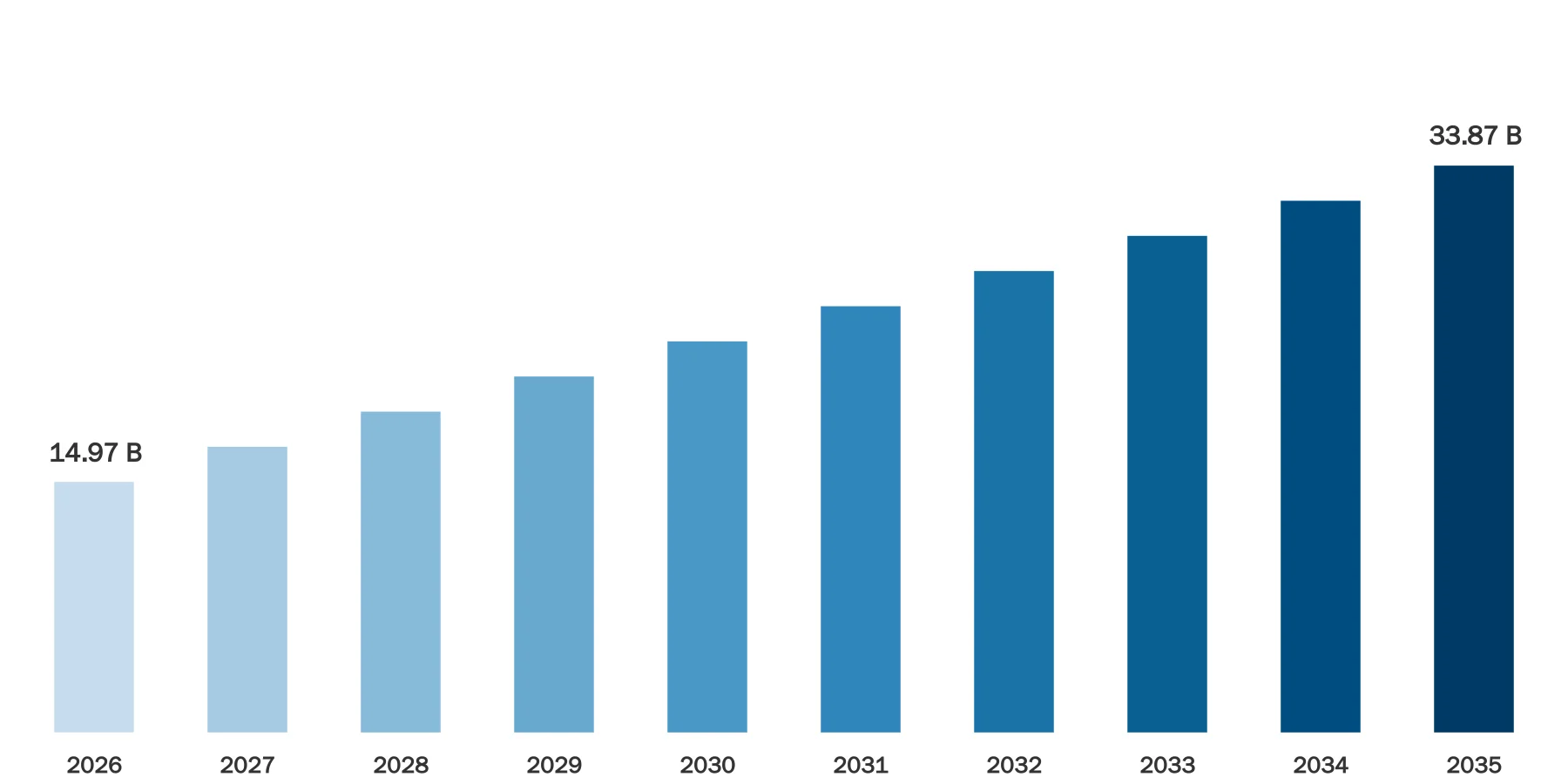
Source: Econ Market Research
The collectible cards with sports, entertainment, and gaming themes are the focal point of the thriving US trading card market. From its beginnings in the late 1800s, the market has grown to be valued at billions of dollars. Major sports leagues like the NFL, NBA, and MLB as well as entertainment brands like Poké,mon and Magic: The Gathering are important participants. There is a thriving secondary market because collectors value cards according to factors including condition, rarity, and player or character significance. Its reach has been further increased by the emergence of digital trading cards and online venues.
US TRADING CARDS MARKET:
US Trading Cards Dynamics
The popularity of cards is driven by trends in player transfers, sports performance, and cultural occurrences. Scarcity tactics and limited-edition releases stimulate collector demand, which frequently results in speculative trading and price swings. Standards for validity and ownership are being redefined by technological developments like blockchain integration and digital card systems.
Market activity is boosted by occasions like player milestones, movie launches, and tournaments. Consumer behavior is also impacted by social media trends, economic conditions, and regulatory changes. In general, the market depends on a precarious equilibrium between supply, demand, and cultural significance, and it is always changing in reaction to many factors.
US Trading Cards Drivers
Sports Performance and Player Trends
The demand for cards portraying these sportsmen has surged due to their remarkable performances, unprecedented accomplishments, and developing potential, which capture the attention of collectors. Popularity of cards is further shaped by player transfers, team accomplishments, and individual awards. Sports are dynamic, so new stories and narratives are always coming up. This keeps the market fresh and exciting as fans try to recreate the thrill and nostalgia of these special moments in trading cards.
Cultural Phenomena and Entertainment Franchises
The US trading card business is heavily influenced by cultural phenomena and entertainment franchises that capitalize on the ardent following around beloved characters, motion pictures, and television series. The desire for themed trading cards is fueled by popular brands that have captivated collectors for years, such as Star Wars, Marvel, and Poké,mon. The market reacts with heightened enthusiasm to these franchises when they develop and release new material, such as video game expansions or movie sequels, which drives sales and cultivates a thriving community of collectors eager to honor their favorite cultural touchstones through trading cards.
Restraints:
Counterfeit Products and Authentication Concerns
The US trading card sector is severely hampered by counterfeit goods, which erode customer confidence. The widespread availability of fake cards reduces the value of real collections and threatens the industry',s credibility as a whole. As collectors look for guarantees regarding the authenticity and provenance of their acquisitions, authentication concerns surface. These obstacles prevent the market from expanding by deterring potential collectors and making current ones more circumspect, which affects sales and the stability of the industry as a whole.
Competition from Digital and Online Platforms
The traditional US trading card sector is under significant challenges from competition from digital and internet platforms. The appeal of virtual cards, online trading platforms, and digital card games detracts from actual trading cards as consumers increasingly resort to digital formats for collectors and amusement. Traditional cards can',t match the ease of use, accessibility, and immersive experiences provided by these digital substitutes. As a result, in an increasingly digital environment, the traditional market is under pressure to innovate and adapt.
Opportunities:
Innovation in Card Design and Technology Integration
The US trading card business has a great chance to attract collectors and improve their experience through innovative card design and technology integration. Modern printing methods, Augmented Reality capabilities, and interactive components can revitalize conventional cards and create one-of-a-kind, immersive experiences. Authenticity and value are increased by utilizing NFC or QR code technology for additional content access and authentication. These developments drive sales and market expansion by drawing in new collectors as well as rekindling enthusiasm among seasoned fans.
Integration of Augmented Reality and Interactive Features
The US trading card industry has a tremendous chance to transform collector engagement through the use of augmented reality (AR) and interactive elements. Through the use of augmented reality (AR) technology, collectors may enhance the card-collecting experience by unlocking immersive experiences like player statistics, animated visuals, or exclusive movies by superimposing Digital Content onto physical cards. In addition to giving traditional cards excitement and complexity, this interactive element draws in tech-savvy consumers, broadening the market',s appeal and promoting a more dynamic and engaging collecting experience.
Segment Overview
By Type
Based on type, the US trading cards market is divided into sports trading cards, non-sports trading cards, and other trading cards. The sports trading cards category dominates the market with the largest revenue share in 2023. Athletes from the NFL, NBA, MLB, NHL, and other sports leagues are featured on these cards. They frequently feature athlete stats, accomplishments, and significant occasions in sports history. Sports fans and collectors who want to honor their favorite players and teams are big fans of sports trading cards.
Beyond sports, non-sports trading cards feature a broad range of themes, such as pop culture icons, TV series, comic books, movies, and video games. Popular properties like Star Wars, Marvel, Poké,mon, Harry Potter, and more are represented on these cards through characters, scenes, artwork, and information. Collectors interested in entertainment and cultural items find attraction in non-sports trading cards.
By Distribution Channels
Based on the distribution channels, the US trading cards market is categorized into online and offline. The online category leads the US trading cards market with the largest revenue share in 2023. The selling and distribution of trading cards via digital platforms and e-commerce websites are referred to as online distribution channels. This covers specialized online markets, auction websites, official brand websites, and independent merchants running virtual storefronts. The selling of trading cards through physical retail stores, specialized shops, hobby stores, Sports Memorabilia stores, and other brick-and-mortar institutions is known as an offline distribution channel. Customers can explore and buy trading cards straight from these physical businesses.
By Application
Based on application, the US trading cards market is divided into collectible, competitive gaming, and investment. The competitive gaming category dominates the market with the largest revenue share in 2023. Trading cards are the main feature of the competitive gaming market. They are utilized in planned tournaments or strategic gameplay. Playing trading card games (TCGs) such as Yu-Gi-Oh!, Poké,mon TCG, and Magic: The Gathering include players building decks of cards with special abilities and competing against other players or in multiplayer matches.
In the US trading card market, cards that are primarily purchased for their sentimental or nostalgic value fall into the collector category. Cards with the images of sports teams, athletes, movie studios, or pop culture celebrities are sought for by collectors. The trading cards that are the subject of the investing section are thought of as financial assets that have the potential to increase in value over time.
US Trading Cards Overview by Region
The US trading cards market is categorized into U.S., Canada, and Mexico. The U.S. emerged as the leading region, capturing the largest market share in 2023. The United States has a huge market for sports trading cards because of its rich sporting history and passionate fan base, which spans multiple sports leagues like the NFL, NBA, MLB, and NHL. Furthermore, the nation is home to a number of well-known entertainment franchises, such as Marvel, Star Wars, and Poké,mon, which contribute significantly to sales in the non-sports trading card market. The United States is a prominent force in the trading card business because to its strong infrastructure of retail distribution channels, online platforms, and devoted collector communities.
A number of variables, such as expanding levels of disposable income, growing numbers of collectors, and increased engagement in sports and gaming activities, are responsible for this expected expansion. The market is steadily growing as more and more Canadians adopt trading cards in a variety of sectors, such as sports, entertainment, and gaming. Furthermore, the market',s growth trajectory in Canada is bolstered by developments in digital trading card efforts and online retail platforms, indicating the region',s potential for sustained market expansion in the years to come.
US Trading Cards Competitive Landscape
In the US trading cards market, a few major players exert significant market dominance and have established a strong regional presence. These leading companies remain committed to continuous research and development endeavors and actively engage in strategic growth initiatives, including product development, launches, joint ventures, and partnerships. By pursuing these strategies, these companies aim to strengthen their market position, expand their customer base, and capture a substantial share of the market.
US Trading Cards Market Leading Companies:
The Topps Company, Inc.
Panini America, Inc.
Upper Deck Company, LLC
Leaf Trading Cards
Rittenhouse Archives, Ltd.
Cryptozoic Entertainment
Press Pass, Inc.
In The Game Trading Cards and various others.
US Trading Cards Recent Developments
In January 2024, digital portal for sports The trading card and collectibles division of Fanatics, along with NBA player LeBron James, announced a new, exclusive multi-year trading card collaboration. James will join Fanatics Collectibles.
In August 2023, In an antitrust complaint against Fanatics, Panini America&mdash,which presently holds league and players union licenses to manufacture NBA and NFL trading cards&mdash,claims that Fanatics has ",created an entirely new monopoly spanning multiple leagues and multiple players associations", in the market.
US Trading Cards Market Report Segmentation
US Trading Cards Market Report Scope & Segmentation
| Attributes | Details |
|---|---|
Market Size (Current) | US$ 14.97 Billion in 2026 |
Market Size (Forecast) | US$ 33.87 Billion in 2035 |
Growth Rate | CAGR of 9.5% from 2026 to 2035 |
Forecast Period | 2026 – 2035 |
Base Year | 2025 |
Historical Data Available | Yes |
Regional Scope | Global |
Segments Covered | By Card Type
By Application
By Distribution Channel
|
Frequently Asked Questions
Common questions about this report
The study period covers historical insights and forecast projections for the period 2026-2035.
About the Author
Market research expert with years of industry experience

Related Reports
Explore more market insights from the same category