

Truck Platooning Market
Truck Platooning Market Size, Share, Trends, Growth, and Industry Analysis, By Technology (Adaptive Cruise Control (ACC), Blind Spot Warning (BSW), Forward Collision Warning (FCW), Lane Keep Assist (LKA)), By Platooning Type (Driver-Assistive Platooning (DATP), Autonomous Truck Platooning), Regional Analysis and Forecast Period 2026-2035
Truck Platooning Market Overview
As per Econ Market Research analysis, the Global Truck Platooning Market was recorded at US$ 0.2 Billion in 2026 and is projected to expand to US$ 1.16 Billion by 2035, registering a CAGR of 21.5% over the forecast period. The base year used is 2025.
Truck Platooning Market Size 2025-2035 (USD Billion)

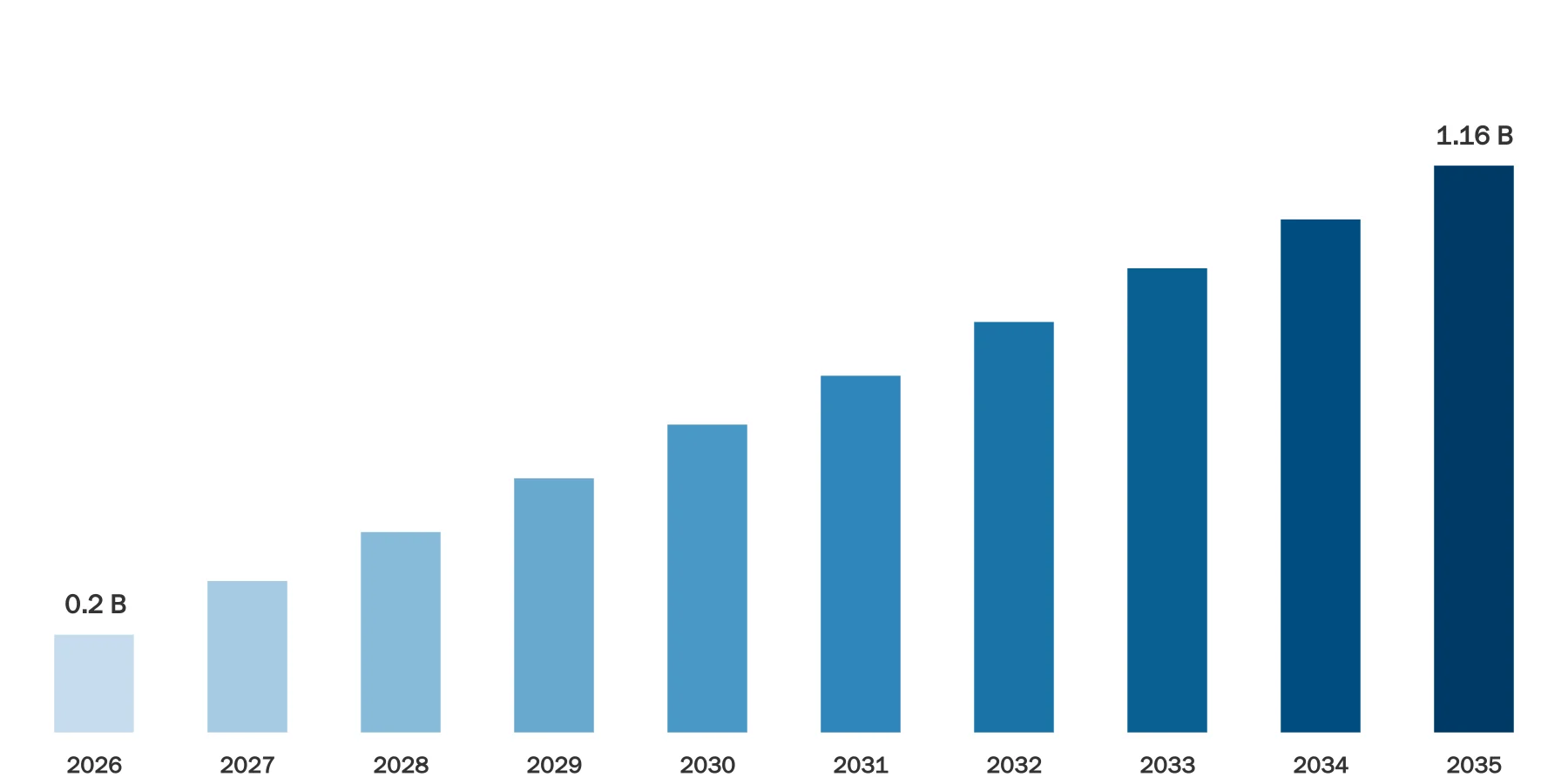
Source: Econ Market Research
The truck platooning is an innovative technology in the transportation industry that involves a group of trucks traveling closely together using advanced technologies such as vehicle-to-vehicle communication and sensors. This arrangement enables trucks to drive closely behind each other, reducing air resistance and increasing fuel efficiency. Truck platooning also focuses on improving safety by implementing automated driving systems that regulate speeds and distances between vehicles, ultimately decreasing the chances of accidents. The truck platooning market is set for substantial growth in the upcoming years due to the rising need for effective freight transportation solutions and the growing use of automation in the logistics sector.
Truck platooning is becoming increasingly popular in the transportation industry due to the cost-saving and efficiency benefits it offers to fleet operators. By reducing aerodynamic drag and optimizing fuel consumption through platooning, companies can see a significant decrease in fuel costs, which makes up a large portion of their operational expenses in long-haul transportation. Additionally, the safety enhancements provided by platooning technology, like automated braking and adaptive cruise control, can play a crucial role in preventing accidents and lowering insurance costs for fleet operators. Regulatory agencies globally are actively investigating the advantages of truck platooning and implementing favourable policies.
Truck Platooning Dynamics
In the truck platooning market, various factors contribute to its growth and global adoption. An important factor is the growing emphasis on sustainability and environmental awareness in the transportation industry. Truck platooning provides substantial fuel efficiency enhancements, resulting in lower carbon emissions and environmental footprint. With governments and regulatory agencies enforcing more stringent emissions regulations and promoting cleaner technologies, truck platooning becomes an attractive option for fleet operators seeking to comply with these standards and cut operational expenses.
One of the main factors driving the growth of the truck platooning market is the advancements in technology, especially in automation and connectivity. The introduction of advanced sensors, vehicle-to-vehicle communication systems, and sophisticated driver assistance systems (ADAS) has made it possible for truck platooning operations to be safe and efficient. Moreover, the incorporation of Artificial Intelligence and machine learning algorithms allows for continuous enhancement of platooning systems, improving their performance and dependability over time. With technology becoming more advanced and widely available, the obstacles to implementing truck platooning solutions are anticipated to decrease, thereby boosting market expansion.
Truck Platooning Drivers
Cost Efficiency
One key factor driving the truck platooning market is its ability to greatly improve cost efficiency for fleet operators. By cutting down on aerodynamic drag and maximizing fuel consumption with platooning, companies can save a lot on fuel, which is a big part of their long-haul transportation costs. Additionally, automating processes to reduce labour costs and boost fleet productivity also helps with cost savings. In order to enhance profitability and stay competitive in the logistics sector, businesses are expected to embrace truck platooning for its cost-saving advantages.
Technological Advancements
As technology keeps improving, especially in automation and connectivity, it plays a crucial role in driving the truck platooning market forward. Sensor technology, vehicle communication systems, and advanced driver assistance systems have all contributed to making truck platooning safer and more efficient. Furthermore, the use of artificial intelligence and machine learning algorithms helps enhance and optimize platooning systems continuously, making them more reliable and capable over time. As technology becomes more sophisticated and accessible, the barriers to entry for adopting truck platooning solutions are expected to decrease, fostering greater market adoption and expansion.
Restraints:
Regulatory Hurdles
The truck platooning industry faces obstacles due to regulations in different regions, which can hinder its growth. Varying rules on Autonomous Vehicles and platooning operations make it difficult for industry players to comply with. Legal uncertainties, safety concerns, and infrastructure needs can hold back fleet operators from adopting platooning technology. Resolving regulatory issues is key to maximizing the benefits of truck platooning.
Infrastructure Readiness
One challenge for the truck platooning market is the need for infrastructure to fully support widespread adoption. Successful platooning operations depend on strong communication networks, roadside infrastructure, and supportive policies to seamlessly integrate with current transportation systems. Unfortunately, the current infrastructure not be up to the task of meeting the technological needs of truck platooning, especially in rural or less developed areas. Closing infrastructure gaps and investing in required upgrades are key to overcoming this challenge and allowing for the efficient deployment of truck platooning solutions.
Opportunities:
Environmental Sustainability
Concerns about climate change and environmental sustainability are on the rise, creating a promising market for truck platooning. This technology offers a chance to lower carbon emissions and lessen the environmental effects of transporting goods. By enhancing fuel efficiency and streamlining logistics, platooning can contribute to reducing the transportation sector',s carbon footprint. As sustainability becomes a top priority for governments and consumers, companies can take advantage of truck platooning to meet their eco-friendly objectives and save money at the same time.
Segment Overview
By Technology
By Technology Truck platooning market is segmented into Dynamic Speed and Range Sensing (DSRS), Vehicle-to-Vehicle (V2V) Communication, and Acceleration &, Braking Controllers. DSRS uses high-tech sensors to measure the speed and distance between vehicles in a platoon, ensuring safe and efficient operation by adjusting speed and following distance dynamically.
V2V communication allows real-time data sharing between platooning trucks, enabling coordinated movements and improving safety and efficiency. Acceleration and Braking Controllers use advanced algorithms to control vehicle speed and braking in a platoon, maintaining smooth and synchronized movements while improving fuel efficiency. These technologies are key components of truck platooning systems, promoting better teamwork between vehicles and reaping the rewards of platooning for fleet operators.
By Component
By Component Truck platooning market is segmented into System Displays with Rear-Time Cameras, Forward-Looking Cameras, and RADAR-Based Collision Mitigation systems. The System Displays with Rear-Time Cameras offer real-time visual feedback to drivers, showing the positions of other vehicles in the platoon and increasing situational awareness and safety.
Forward-Looking Cameras record visual information of the road ahead, allowing for predictive analysis and proactive manoeuvres to avoid possible dangers or obstacles. RADAR-Based Collision Mitigation systems use radar technology to identify objects and obstacles in the vehicle',s path. They can automatically apply brakes or alert the driver to avoid collisions. These components work together to improve the safety and performance of truck platooning systems, giving drivers and fleet operators the tools they need to navigate transportation environments efficiently.
Truck Platooning Overview by Region
In North America, innovation and technology play a significant role, with companies investing in research and development to improve platooning systems. Regulatory policies and infrastructure investments also contribute to market growth, especially in key transportation routes. In Europe, the adoption of truck platooning is driven by strict emissions regulations and a focus on sustainability to enhance fuel efficiency and reduce carbon emissions.
Furthermore, teamwork between industry players and governments is boosting innovation and trial projects to showcase the effectiveness of platooning technology. The Asia Pacific region is experiencing a surge in market growth due to rapid urbanization and higher demands for freight transportation. Countries such as China are investing in smart transportation infrastructure and forming partnerships to implement platooning solutions.
Truck Platooning Market Competitive Landscape
Key companies such as Daimler AG, Volvo Group, and Peloton Technology dominate the market with their extensive experience and robust technological capabilities in developing and deploying platooning systems. These industry leaders leverage their strong brand reputation, research and development investments, and strategic partnerships to maintain a competitive edge and drive market expansion. Additionally, emerging players like Einride, Embark Trucks, and TuSimple are disrupting the market with their focus on autonomous driving technologies and innovative business models.
These companies often specialize in specific segments of the platooning ecosystem, such as software development or sensor technology, and strive to differentiate themselves through superior performance, reliability, and cost-effectiveness. Moreover, partnerships and collaborations between technology providers, fleet operators, and regulatory bodies are increasingly common, as stakeholders seek to accelerate the adoption of truck platooning and address challenges such as regulatory compliance and infrastructure readiness. As competition intensifies and market demands evolve, agility, innovation, and strategic alliances will be crucial for companies to succeed and thrive in the dynamic landscape of the truck platooning market.
Truck Platooning Market Leading Companies:
Daimler AG
Volvo Group
Peloton Technology Inc.
Einride AB
Embark Trucks Inc.
TuSimple Inc.
Waymo LLC
Tesla, Inc.
Uber Technologies, Inc.
Aurora Innovation Inc.
Starsky Robotics Inc.
Kodiak Robotics Inc.
Plus.ai Inc.
NAVYA SA
Zoox Inc.
Truck Platooning Recent Developments
June 2023, TuSimple initiated trials of its level 4 autonomous vehicles in Japan',s vital freight corridor connecting Nagoya, Osaka, and Tokyo.
June 2023, TuSimple commenced testing its autonomous trucks on public roads in China with approval from the Shanghai government for the ',Driver Out', run.
May 2023, EASE Logistics collaborated with the Ohio Department of Logistics (ODOT) and DriveOhio',s Rural Automated Driving Systems (ADS) project to implement automated trucking technology on revenue-generating routes.
Feb 2023, Italian transport firm IVECO and US-based trucking technology company Plus began public road trials of their jointly developed next-generation automated trucks in Germany.
Truck Platooning Report Segmentation
Truck Platooning Market Report Scope & Segmentation
| Attributes | Details |
|---|---|
Market Size (Current) | US$ 0.2 Billion in 2026 |
Market Size (Forecast) | US$ 1.16 Billion in 2035 |
Growth Rate | CAGR of 21.5% from 2026 to 2035 |
Forecast Period | 2026 – 2035 |
Base Year | 2025 |
Historical Data Available | Yes |
Regional Scope | Global |
Segments Covered | By Technology
By Platooning Type
|
Frequently Asked Questions
Common questions about this report
The study period covers historical insights and forecast projections for the period 2026-2035.
About the Author
Market research expert with years of industry experience

Dipali Bhingare serves as the Market Research Director at Econ Market Research. With a focus on translating complex global economic shifts into actionable business intelligence, she oversees the strategic direction of comprehensive market studies. Her work empowers organizations to navigate volatile industries through data-driven forecasting and deep-dive competitive analysis.
Related Reports
Explore more market insights from the same category