Treadmill Machines Market Overview
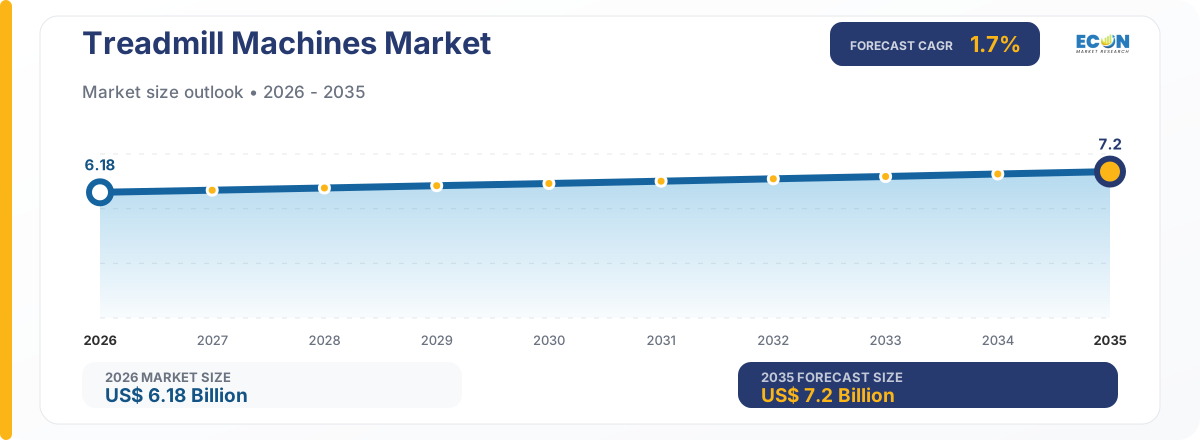
As per Econ Market Research analysis, the Global Treadmill Machines Market size amounted to US$ 6.18 Billion in 2026 and is anticipated to grow to US$ 7.2 Billion by 2035, recording a CAGR of 1.7% during 2026–2035. The base year taken for analysis is 2025.
Treadmills can be found in gyms, work-out centers, and even at homes. It is relatively easy for anyone to come by them if they require staying fit and healthy. This sector has witnessed rapid growth by the growing awareness of good health and fitness, expanding obesity levels, and greater trends toward home workout from the aftermath of the coronavirus pandemic. Over the recent past, technological changes in the area have also LED to an explosion in the sales of market shares.
High-tech machines like smart touch screens that have the option for Bluetooth compatibility and some installed workout program on them increase usage. Advances in virtual or online workout coaching and practice also significantly drive demand into treadmill machine sales. The market for treadmills is likely to continue growing as consumers seek the convenience and effectiveness of home-based exercise. The demand for treadmills in the coming years is more likely to be driven by increased disposable income, rapid urbanization, and changes in lifestyle towards a healthy one. It is considered a very important segment in the fitness equipment industry.
Dynamic Insights
Higher demand for home exercise equipment is caused by consumer awareness on health and fitness. Increased sedentary lifestyles and obesity rates have made consumers seek efficient work-out solutions, thus, the popularity of the treadmill machine in at-home fitness exercises. In addition, technological changes such as built-in fitness tracking, interactive displays, and connectivity make these more desirable to more customers.
However, there are disadvantages to the market, with expensive high-end treadmill designs and competition from other home fitness equipment, including exercise bikes and rowing machines. Economic instability can even influence consumer expenditure on unessential home fitness equipment. Opportunities still abound, primarily in the fast-growing electronic commerce sector, where fitness equipment is increasingly being bought from the internet. The trend towards personalized workout sessions, as in virtual training and customized workouts, is likely to growth opportunities for treadmill companies. The consumers', interest in health and wellness continues unabated, but innovation and shifting fitness habit are set to further develop the market of treadmill machines.
Drivers Insights
Growing Health Awareness
A high number of consumers are becoming more aware of health and fitness. This is one of the primary drivers in the treadmill machines market. Lifestyle diseases like obesity, diabetes, and cardiovascular issues are rising, and people are seeking to find ways to exercise daily. Treadmills allow people of any fitness level to walk, jog, or run inside without worrying about the weather. This is further supported by the health initiatives of the government, which advocates physical activity and promotes a healthier culture. And this is now translated into greater consumer investment in treadmill machines for personal use within the home, which leads to market expansion.
Technological Advancements
With rapid strides in technology on the treadmill equipment, the fitness machine gets a much bigger appeal than ever before. Now, treadmills boast modern day features like touchscreen display screens, interactive exercise programs, and connectivity options ranging from Bluetooth to Wi-Fi, allowing users to monitor progress, participate in virtual classes, and get a program tailored to one',s interests. In addition, integration with fitness apps provides users with comprehensive fitness plans and community support, which will make them more motivated and engaged. As consumers increasingly seek smart and interactive fitness solutions, technologically advanced treadmills will be in high demand, driving market expansion.
Restraints Insights
The major constraint in the treadmill machines market is that the advanced models carry a very high initial price tag. While basic treadmills are relatively cheap, the premium versions that are loaded with features command much higher prices. A customer with a limited budget will hesitate to purchase such an item in areas where average disposable incomes are low. The cost of long-term maintenance and electricity used by a treadmill is also too high for any potential buyer, and thus, some opt for cheaper fitness equipment such as running outdoors. This high price point hence raises low penetration in markets, especially in developing regions.
Competition from Alternative Fitness Solutions
The treadmill market is relatively competitive, especially because of the other alternative exercises and equipment and outdoor work. There is a very high tendency for consumers to be distracted by other alternative exercises, such as group fitness classes, rowing, or cycling, among others. These are alternative exercises with more diverse workout options and are considered as more fun exercises.
In addition, increased penetration of fitness applications and working out online into various personal devices has given easy and affordable access to people by providing guided exercise. This competition makes it difficult for treadmills to maintain a certain proportion of the market, therefore companies need innovation and something different in products which tends to be highly resource-consumptive.
Opportunities Insights
Growth in E-Commerce
The rise of e-commerce presents a significant opportunity for the treadmill machines market. With more consumers shopping online, especially following the COVID-19 pandemic, companies can reach a broader audience by establishing strong online sales channels. This shift enables manufacturers to offer a wider variety of treadmill models, often at competitive prices, while providing detailed product information, reviews, and customer support. Additionally, the convenience of home delivery can enhance the purchasing experience for consumers who prefer to avoid crowded stores. By investing in digital marketing strategies and improving online platforms, companies can tap into this growing market segment and increase sales.
Segment Analysis
By Type
The major categories of treadmill machines include manual and motorized treadmills. Manual treadmills work based on the movement of the user, meaning that they consume no electricity, therefore, they are economical and ideal for anyone looking for a simple, low-tech alternative. Such treadmills are often lighter and more portable, thus more attractive to budget-conscious consumers or those with limited space.
On the other hand, electric treadmills feature motorized electrical motors for altering the speed and angle settings. These are favoured for commercial use in such environments as gyms or exercise centers because of superior technology, durability, and maintaining a higher intensity training space. This categorization best represents the diversity that the market demands, as they target different consumer needs and market segments.
By Application
The application segment of treadmill machines is further categorized into home use and commercial use. Home-use treadmills cater to clients that intend to integrate exercise activities in their daily lives without being required to join a gym or any other fitness facility. Treadmill machines are usually designed for such people, adopting a compact design and easily navigable features, much like the fitness enthusiast would expect when working out within their own homes.
In contrast, the commercial use treadmill is designed for fitness centers, sports clubs, and rehabilitation centers, where there would be the requirement of a ruggedness, high-performance machine that would offer advanced functionality. Typically, these would have heavy construction, longer warranty, and specialized features that would appeal to a broad range of customers and workout activities. They mirror the demand of a commercial environment.
By End User
The end user segment includes individuals, fitness centers, sports clubs, and rehabilitation facilities. Individual consumers drive demand for home-use treadmills, seeking convenient and effective workout solutions to improve their fitness levels. Fitness centers and sports clubs invest in commercial-grade treadmills to offer a variety of exercise options for their members, enhancing their overall service offerings. Rehabilitation facilities also utilize treadmills as part of their therapeutic programs, helping patients regain strength and mobility. Each end user segment highlights the different purposes treadmills serve, from personal fitness to professional training and rehabilitation, underscoring the market',s versatility.
By Distribution Channel
The channel of distribution segment includes online retail, offline retail, specialty stores, hypermarkets/supermarkets, and fitness equipment stores. Online retail is the most in-demand today, particularly due to the pandemic, because of its convenience of purchasing at home and viewing many treadmill models. The online retailing channel offers competitive prices as well as all information related to the product and will appeal to a technology-advanced buyer. Though people may want to see the equipment and test it first before buying, offline retails such as specialty stores and hypermarkets/supermarkets are still significant in their demand. Fitness equipment stores are mostly known to give expert advice and tailored service, making the whole customer experience better. Such diversity in distribution channels can ensure that various consumer preferences are met, which aids broader access to treadmill machines in the market.
Regional Analysis
North America also holds a large market share, primarily due to an active fitness culture, healthy disposable incomes, and big manufacturers. The United States, in particular, displays a high demand for commercial and residential treadmill machines that have gained a new, post-pandemic boost in health and wellness aspects. Advanced distribution channels, primarily online retail, have increased the growth of the region. There are other important markets in Europe where the awareness of healthier living is now on an increased level among German, British, and French consumers.
An ongoing home workout trend combined with investment in commercial facilities increases demand in European markets for fitness equipment, for example, for treadmills. End. Meanwhile, the Asia-Pacific market will be quite growth-oriented in the coming years due to strong drivers such as an increase in urbanization, rising disposable incomes, and a growing middle class, countries like China and India are also witnessing a large spike in fitness enthusiasts, so adoption of treadmill machines increased both at home and commercial stages.
Latin America and the Middle East &, Africa are still emerging markets, with higher awareness of health and fitness boosting demand. However, economic instability and limited accessibility to premium fitness equipment still pose challenges, but in the long run, a growth opportunity is expected with consumers looking for affordable solutions that work.
Competitive Landscape
The market is dominated primarily by major players NordicTrack, Sole Fitness, ProForm, Life Fitness, and Technogym. Their ranges of products and advanced features lead the market. Companies also spend highly on research and development in order to incorporate the latest technology such as interactive displays, fitness tracking, and connectivity features to increase user engagement and satisfaction. They also have a strong brand presence with an established distribution network in the market that caters to a large customer base through both the commercial and residential sectors.
New entrants have shaken the market by providing competitive innovative and more affordable alternatives besides leading brands. For example, companies such as Peloton have popularized connected fitness experiences that include social elements in the offerings of its treadmills. Interactive and community-based workouts are gaining popularity that has made mainstream manufacturers adapt and improve their products to stay ahead. More importantly, collaborations with notable fitness influencers and marketing and distribution platforms online became major tools for reaching and targeting technology-savvy consumers.
Competitive landscape is also influenced, sometimes, by geography which is gathering momentum through certain regional players in Asia -Pacific and Latin American regions providing products to the local need and price sensitivity. Market for treadmill machines is very dynamic with companies always on the lookout to improve on their product lines, add much value to the customer experience as well as increase their marketplace presence to catch the still burgeoning demand for fitness everywhere in the world.
List of Key Players:
Life Fitness Inc.
Nautilus Inc.
Woodway
TRUE Health Tech Ltd Co.
Johnson Health Tech Co Ltd.
Nordic Track
TECHNOGYM S.P.A.
Landice Inc.
TrueForm
ICON Health &, Fitness Inc.
Recent Developments:
January 2024: Wahoo Fitness has announced the launch of its new treadmill, powered by smart technology. The Kickr Run Smart Treadmill is set to debut in the United States in 2024, with a global rollout planned for 2025. This innovative product marks a significant step for Atlanta-based Wahoo Fitness, known for its range of wearables, smart bikes, and other fitness equipment, as the Kickr Run becomes their first-ever treadmill.
Global Treadmill Machines Report Segmentation
Treadmill Machines Market Report Scope & Segmentation
| Attributes | Details |
|---|---|
| Market Size (Current)Current market valuation | US$ 6.18 Billion in 2026 |
| Market Size (Forecast)Projected market valuation | US$ 7.2 Billion in 2035 |
| Growth RateCompound Annual Growth Rate | CAGR of 1.7% from 2026 to 2035 |
| Forecast PeriodAnalysis timeline | 2026 – 2035 |
| Base YearReference year for analysis | 2025 |
| Historical Data AvailablePast market data availability | Yes |
| Regional ScopeGeographical coverage | Global |
| Segments CoveredMarket segments analyzed | By Type
By End-User
By Distribution Channel
|
Frequently Asked Questions
Common questions about this report
The study period covers historical insights and forecast projections for the period 2026-2035.
About the Author
Market research expert with years of industry experience

Dipali Bhingare serves as the Market Research Director at Econ Market Research. With a focus on translating complex global economic shifts into actionable business intelligence, she oversees the strategic direction of comprehensive market studies. Her work empowers organizations to navigate volatile industries through data-driven forecasting and deep-dive competitive analysis.