

Toys and Games Market
Toys and Games Market Size, Share, Trends, Growth, and Industry Analysis, By Product Type (Action Figures/Playsets, Dolls, Building Sets, Games & Puzzles, Electronic/Smart Toys, Outdoor/Ride-On Toys, Educational Toys), By Age Group (Infants/Toddlers, Preschool, School-Aged, Teens, Adults/Kidults), By Price Range (Economical, Mid-Range, Premium), By Distribution Channel (Specialty Toy Stores, Hypermarkets/Supermarkets, Online Retail), Regional Analysis and Forecast Period 2026-2035
Toys and Games Market Overview
As per Econ Market Research analysis, the Global Toys and Games Market valuation stood at US$ 151.85 Billion in 2026 and is expected to reach US$ 228.77 Billion by 2035, growing at a steady CAGR of 4.66% from 2026 to 2035. 2025 serves as the base year.
Toys and Games Market Size 2025-2035 (USD Billion)

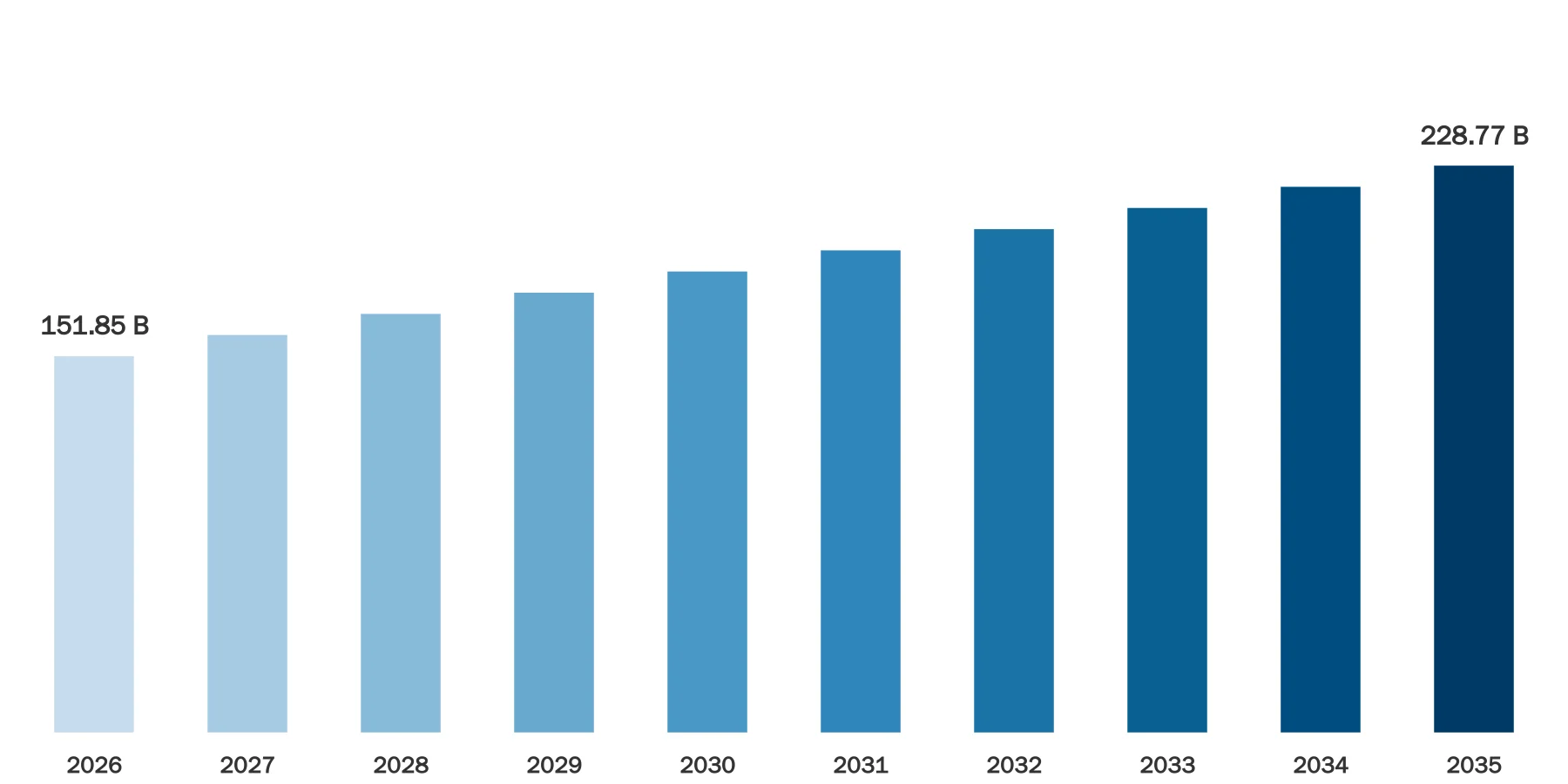
Source: Econ Market Research
The Toys and Games Market comprises over 15 major product categories, with more than 120,000 distinct SKUs globally distributed across 190+ countries. In 2024, over 3.2 billion toys were sold worldwide, with plastic-based toys accounting for nearly 68% of total unit volume. Educational toys represented approximately 22% of total units sold, while electronic and smart toys exceeded 480 million units. More than 65% of global households with children aged 0–14 purchased at least 5 toys annually, and average toy ownership per child reached 45–60 items in developed markets. Licensing partnerships influenced nearly 30% of new product launches.
The USA Toys and Games Market accounts for approximately 28% of global unit sales, with over 900 million toys sold annually. In 2024, nearly 72% of households with children under 12 purchased toys through online platforms, while 48% of purchases occurred during Q4 seasonal demand. Board games and puzzles saw a 19% rise in unit sales compared to 2020 levels, reaching over 220 million units annually. The USA has more than 3,500 specialty toy stores and over 12,000 large-format retail outlets selling toys. Approximately 41% of toy purchases are influenced by digital media exposure.
Market Latest Trends
The Toys and Games Market Trends indicate a strong shift toward digital integration, sustainability, and multi-generational engagement. In 2024, over 38% of newly launched toys incorporated digital or app-based features, compared to 21% in 2019. Smart toys with AI-enabled features crossed 150 million units globally, reflecting increased consumer demand for interactive play. Additionally, eco-friendly toys made from recycled plastics and biodegradable materials represented approximately 17% of new launches.
The rise of “kidult” consumers, defined as individuals aged 18+, contributed to nearly 28% of total toy purchases, with collectible figures, puzzles, and building sets leading the segment. E-commerce channels accounted for over 55% of global toy sales volume, driven by mobile shopping adoption, which exceeded 62% of online purchases. Subscription-based toy models expanded, with over 12 million active subscribers worldwide. Augmented Reality (AR) toys grew by 24% in unit shipments, while STEM toys represented nearly 26% of total educational toy sales globally.
Market Dynamics
The Toys and Games Market Analysis highlights evolving consumer behavior, technological advancements, and shifting distribution channels. In 2024, over 60% of manufacturers invested in digital product enhancements, while 45% focused on sustainability initiatives. Global toy production exceeded 4 billion units annually, with Asia-Pacific accounting for nearly 70% of manufacturing output. Licensing agreements impacted over 35% of sales, while private-label toys represented approximately 18% of total market volume.
DRIVER
Increasing Demand for Educational and STEM-Based Toys
The primary driver in the Toys and Games Market Growth is the increasing demand for educational and STEM-based toys. In 2024, STEM toys accounted for over 310 million units sold globally, representing a 26% share of educational toy categories. More than 58% of parents prioritized toys that support cognitive development, while 47% preferred products enhancing problem-solving skills. Schools and educational institutions integrated over 120 million toy-based learning tools into curriculums. Coding toys and robotics kits saw a 33% increase in adoption among children aged 6–12, reinforcing strong demand across developed and emerging economies.
RESTRAINT
High Dependency on Seasonal Demand
A major restraint in the Toys and Games Market is the heavy reliance on seasonal demand cycles. Approximately 48% of annual toy sales occur during the last quarter, creating supply chain pressure and inventory risks. Manufacturers face overstocking issues in Q1, with inventory levels rising by nearly 22% compared to peak seasons. Retailers experience fluctuating demand patterns, with off-season sales dropping by up to 35%. Additionally, promotional discounts during peak seasons reduce profit margins by 10–15% on average, impacting overall business sustainability.
OPPORTUNITY
Expansion of Digital and Smart Toys
The expansion of digital and smart toys presents significant opportunities in the Toys and Games Market Outlook. In 2024, over 420 million connected toys were in use globally, with Bluetooth and Wi-Fi-enabled products growing by 29%. Mobile app integration increased engagement levels by 40%, particularly among children aged 5–10. Voice-enabled toys saw adoption rates exceeding 18% in developed markets. Investment in AR and VR-based toys reached over 90 new product launches annually, offering immersive experiences and enhancing learning outcomes.
CHALLENGES
Rising Raw Material and Production Costs
Rising raw material and production costs remain a critical challenge in the Toys and Games Market Insights. Plastic prices increased by approximately 12% between 2022 and 2024, impacting nearly 68% of toy manufacturing processes. Labor costs in major production hubs rose by 8–10%, while shipping costs increased by 15% due to logistical constraints. Compliance with safety regulations requires testing for over 25 standards globally, increasing production timelines by 20%. Smaller manufacturers face entry barriers due to initial investment requirements exceeding 25% higher compared to pre-2020 levels.
SWOT Analysis
Strengths
Over 3.2 billion units sold annually across global markets
65% household penetration among families with children
28% demand contribution from adult consumers (“kidults”)
55% of total sales driven by online retail channels
Weaknesses
48% dependency on Q4 seasonal sales
22% inventory surplus during off-peak periods
15% average discount pressure during peak sales
68% reliance on plastic materials
Opportunities
420 million connected smart toys in global usage
26% share held by STEM and educational toys
62% mobile-based e-commerce adoption rate
17% growth in eco-friendly toy product launches
Threats
12% rise in raw material costs
15% increase in global logistics expenses
20% longer production cycles due to compliance
35% market influence from licensed products increasing competition
Segmentation Analysis
The Toys and Games Market Segmentation is structured across application areas such as entertainment, education, and recreational use, with installation methods including physical retail placement and digital integration platforms. Over 70% of toys are used primarily for entertainment, while 30% serve educational or developmental purposes. Digital installation, including app-enabled toys, accounted for 38% of total product offerings in 2024.
By Product Type
The Toys and Games Market Size varies significantly by product type. Building sets hold approximately 18% of total market share, driven by over 600 million units sold annually. Dolls account for nearly 14%, with over 450 million units sold worldwide. Action figures and playsets represent 16%, influenced by licensed characters contributing to 35% of their sales. Games and puzzles dominate with a 22% share, exceeding 700 million units annually. Electronic and smart toys contribute 15%, while outdoor and ride-on toys represent 10%. Educational toys maintain a 5% share but show increasing demand, with over 150 million units sold annually.
By Age Group
The Toys and Games Market Share distribution by age group highlights diverse consumer behavior. Infants and toddlers account for 18% of toy usage, with over 500 million units designed for ages 0–3. Preschool children represent 22%, driven by learning-based toys exceeding 600 million units annually. School-aged children dominate with a 30% share, consuming over 1 billion units annually. Teens contribute 12%, primarily in gaming and Collectibles, while adults or “kidults” represent 18%, purchasing over 550 million units annually. The adult segment has grown significantly, with puzzle and collectible sales increasing by 25% over five years.
By Price Range
Price segmentation in the Toys and Games Market Analysis shows economical products accounting for 45% of unit sales, with average pricing below $15 equivalent. Mid-range toys represent 35%, typically priced between $15–$50, accounting for over 1.1 billion units annually. Premium toys contribute 20%, with prices exceeding $50, including smart toys and collectibles. Premium segment growth is driven by 28% demand from adult buyers and collectors, while mid-range toys dominate family purchases, accounting for nearly 60% of household toy spending.
By Distribution Channel
Distribution channels in the Toys and Games Market Trends indicate that online retail dominates with a 55% share, accounting for over 1.7 billion units sold annually. Hypermarkets and supermarkets represent 30%, driven by impulse purchases and seasonal promotions. Specialty toy stores hold a 15% share, with over 25,000 stores globally. Online platforms saw a 40% increase in traffic during peak seasons, while specialty stores experienced a 12% decline in foot traffic compared to pre-2020 levels.
Regional Analysis
The Toys and Games Market Outlook shows regional diversification, with Asia-Pacific leading production and North America leading consumption. Over 70% of manufacturing occurs in Asia-Pacific, while North America and Europe account for nearly 55% of global consumption combined.
North America
Holds approximately 30% market share globally
North America leads in consumption, with over 950 million units sold annually. The USA contributes nearly 85% of regional demand, followed by Canada with 10%. Online sales dominate, accounting for 60% of purchases, while physical retail contributes 40%. Board games and puzzles saw a 20% increase in demand, exceeding 250 million units annually. Licensed toys account for 40% of sales, driven by entertainment franchises. The region has over 15,000 retail outlets selling toys, and average annual spending per child exceeds 35 toy units.
Europe
Accounts for approximately 25% market share
Europe records over 800 million units sold annually, with Germany, France, and the UK contributing 65% of regional demand. Eco-friendly toys represent 22% of new product launches, reflecting sustainability trends. Online retail penetration stands at 50%, while specialty stores account for 20%. Educational toys dominate with 28% share, supported by government initiatives promoting STEM learning. Seasonal demand peaks in December, contributing to 45% of annual sales.
Asia-Pacific
Holds approximately 35% market share
Asia-Pacific dominates production, accounting for 70% of global manufacturing output. China alone produces over 60% of toys globally, with more than 2 billion units annually. India and Southeast Asia show rising demand, with annual sales exceeding 500 million units combined. Online retail penetration reached 58%, driven by mobile commerce adoption. Educational toys grew by 30% in demand, while affordable toys dominate, accounting for 50% of regional sales.
Middle East & Africa
Accounts for approximately 10% market share
The region records over 300 million units sold annually, with the UAE and Saudi Arabia contributing 45% of demand. Online retail penetration stands at 35%, while hypermarkets dominate with 50% share. Premium toys account for 25% of sales, driven by high-income consumers. Educational toys represent 18% of demand, with increasing adoption in urban areas. Seasonal demand peaks during festive periods, contributing to 40% of annual sales.
Competitive Landscape
The Toys and Games Market Competitive Landscape is highly fragmented, with over 5,000 manufacturers globally. The top 10 companies account for approximately 35% of total market share, while regional players contribute 65%. Licensing agreements influence 30% of product portfolios, with over 200 active licensing partnerships globally. Companies launch over 5,000 new products annually, with 40% focused on innovation and digital integration. Manufacturing facilities exceed 10,000 worldwide, with Asia-Pacific hosting 70% of them. Private-label brands account for 18% of total sales, intensifying competition among established players.
List of Top Toys and Games Companies
The LEGO Group
Mattel Inc.
Hasbro
Bandai Namco
Spin Master
MGA Entertainment
VTech
Ravensburger
Playmates Toys
JAKKS Pacific
TOMY
Playmobil
Leading Companies by Market Share
The LEGO Group holds approximately 9% market share, with over 600 million units sold annually
Mattel Inc. accounts for nearly 8% market share, with over 500 million units sold globally
Market Investment Outlook
The Toys and Games Market Investment Outlook shows increasing capital allocation toward innovation and digital transformation. In 2024, over 45% of companies invested in smart toy development, while 30% focused on sustainability initiatives. Venture capital funding supported over 120 startups specializing in educational and tech-enabled toys. Manufacturing automation adoption increased by 25%, improving production efficiency. E-commerce infrastructure investments grew by 35%, enhancing distribution capabilities. Licensing agreements expanded by 20%, enabling cross-industry collaborations. Emerging markets attracted 40% of new investments, driven by rising demand and expanding middle-class populations.
New Product Development
New product development in the Toys and Games Market focuses on innovation, technology, and sustainability. In 2024, over 5,000 new products were launched globally, with 38% incorporating digital features. Smart toys with AI capabilities exceeded 150 new launches, while AR-enabled toys reached 90 product introductions. Eco-friendly toys accounted for 17% of new launches, using recycled materials and biodegradable components. Educational toys saw over 300 new product entries, focusing on STEM learning. Customizable toys gained popularity, with 25% of consumers preferring personalized products. Subscription-based toy services expanded, offering over 1,000 curated toy options annually.
Recent Developments
In 2023, over 120 new smart toys with AI integration were launched globally
In 2024, eco-friendly toy production increased by 17%, with over 800 new sustainable products introduced
In 2023, licensing agreements expanded by 20%, covering over 300 product lines
In 2025, AR-enabled toys reached 100+ new launches, enhancing interactive play experiences
In 2024, subscription-based toy services surpassed 12 million active users worldwide
Report Coverage of Toys and Games Market
The Toys and Games Market Research Report covers over 15 product categories, analyzing more than 120,000 SKUs across 190 countries. The report includes segmentation across product types, age groups, price ranges, and distribution channels, covering over 3.2 billion units sold annually. It evaluates manufacturing trends, with 70% production concentrated in Asia-Pacific, and consumption patterns across North America, Europe, and emerging markets. The report analyzes over 5,000 companies, including top 10 players contributing 35% of market share. It also examines over 5,000 annual product launches, 200 licensing agreements, and 120 startup investments, providing comprehensive Toys and Games Market Insights.
Toys and Games Market Report Scope & Segmentation
| Attributes | Details |
|---|---|
Market Size (Current) | US$ 151.85 Billion in 2026 |
Market Size (Forecast) | US$ 228.77 Billion in 2035 |
Growth Rate | CAGR of 4.66% from 2026 to 2035 |
Forecast Period | 2026 – 2035 |
Base Year | 2025 |
Historical Data Available | Yes |
Regional Scope | Global |
Segments Covered | By Product Type
By Age Group
By Price Range
By Distribution Channel
|
Frequently Asked Questions
Common questions about this report
The study period covers historical insights and forecast projections for the period 2026-2035.
About the Author
Market research expert with years of industry experience

Related Reports
Explore more market insights from the same category