

Title Insurance Market
Title Insurance Market Size, Share, Trends, Growth, and Industry Analysis, By Type (Owner's Title Insurance, Lender's Title Insurance), By Application (Residential, Commercial, Industrial), Regional Analysis and Forecast Period 2026-2035
Title Insurance Market Overview
As per Econ Market Research analysis, the Global Title Insurance Market valuation stood at US$ 78.55 Billion in 2026 and is expected to reach US$ 156.06 Billion by 2035, growing at a steady CAGR of 7.93% from 2026 to 2035. 2025 serves as the base year.
Title Insurance Market Size 2025-2035 (USD Billion)

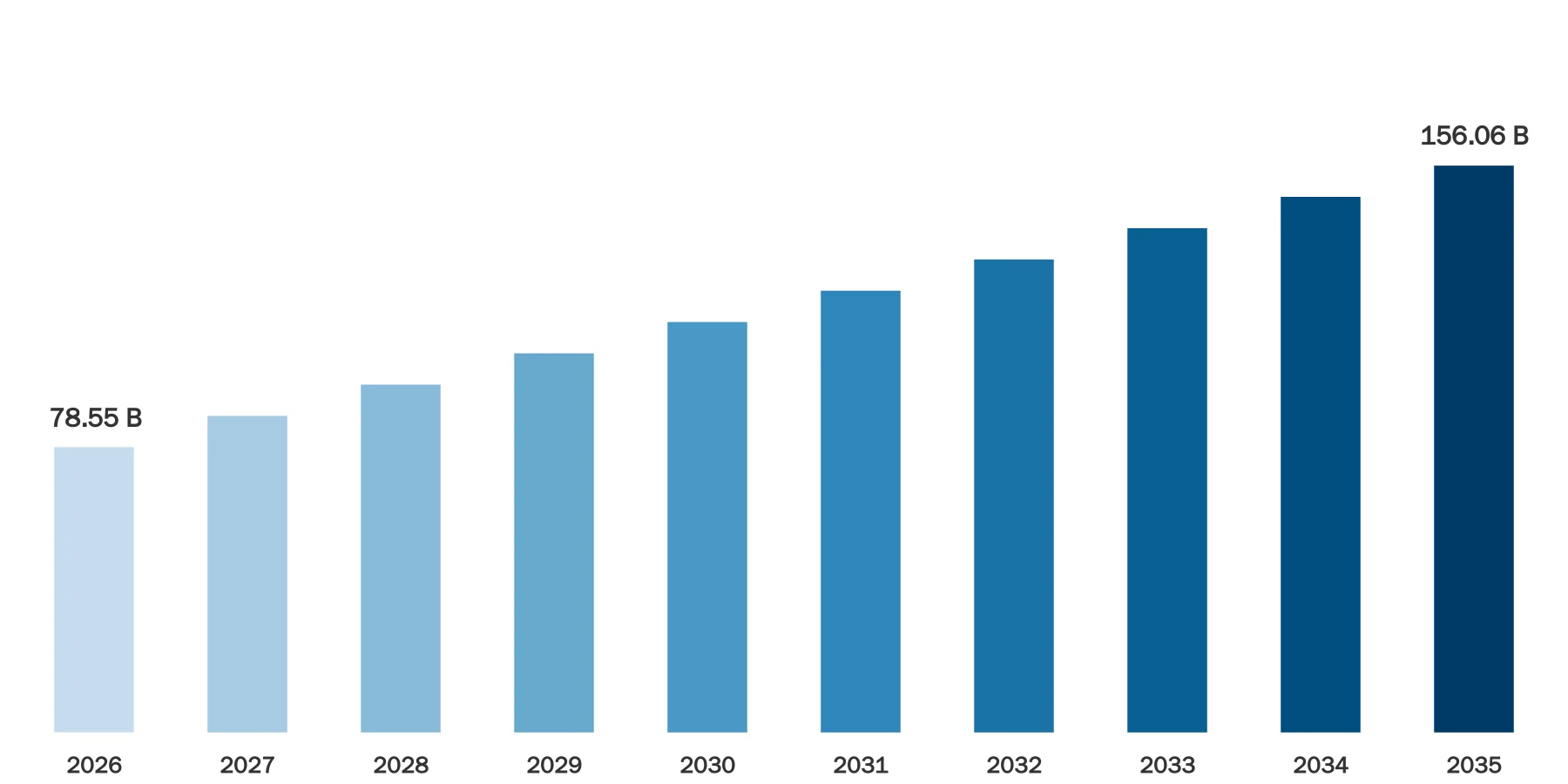
Source: Econ Market Research
Title insurance protects homebuyers and lenders from financial harm caused by title issues on Real Estate. These issues can include unpaid taxes, hidden heirs, or mistakes in official documents. The global title insurance market has seen consistent growth due to the rising number of real estate transactions worldwide and people becoming more aware of the value of protecting their property rights. With the rise of urbanization and globalization, the demand for title insurance has expanded beyond traditional markets, reaching emerging economies where property ownership is rapidly increasing. Furthermore, advancements in technology have facilitated the streamlining of title insurance processes, making them more efficient and accessible. As the real estate industry continues to evolve, the global title insurance market is poised for further expansion, with opportunities for innovation and diversification in products and services to meet the evolving needs of property owners and lenders worldwide.
Title Insurance Dynamics
Due to the growing complexity of real estate deals and the evolving nature of property ownership laws, title insurance has become essential. Cross-border investments and transactions have increased in the globalized world, highlighting the need for solid title protection to address differences in legal systems and regulations. Moreover, the rise of digitalization and technology has transformed the title insurance sector, speeding up and improving the accuracy of title searches, while also boosting overall efficiency.
Furthermore, macroeconomic factors such as fluctuating interest rates, economic downturns, and geopolitical uncertainties can impact the global title insurance market. During periods of economic volatility, there may be fluctuations in real estate activity, affecting the demand for title insurance. Moreover, regulatory changes and reforms in the real estate sector can significantly influence the market landscape, requiring title insurance providers to adapt their offerings and operations accordingly.
Title Insurance Drivers
Increasing Real Estate Transactions
The growing number of real estate transactions worldwide is powering the title insurance market. As cities expand and populations rise, the need for homes and businesses increases, resulting in more property purchases and sales. Moreover, as the middle class grows in developing countries, people are more likely to aspire to owning property, which further stimulates real estate activity. This surge in transactions has amplified the demand for title insurance, which safeguards against risks linked to unclear property ownership and ensures secure real estate transfers.
Technological Advancements
Technological breakthroughs have transformed title insurance, boosting efficiency and cutting costs. Automating and digitizing title checks has sped up the process and increased accuracy, allowing title insurance companies to provide quicker and more dependable services. Additionally, blockchain technology may enhance property record security and transparency, reducing fraud and errors. These upgrades not only streamline operations but also enhance customer satisfaction, fuelling title insurance market expansion.
Restraints:
Regulatory Challenges
Title insurance companies face challenges due to the varying regulations and legal systems in different jurisdictions. These differences necessitate insurers to navigate complex regulatory environments and comply with evolving laws and regulations. This results in increased operational complexities and costs, which can hamper market expansion. Regulatory hurdles can be especially difficult to overcome in regions with strict regulations or political instability.
Economic Volatility
Economic fluctuations and market uncertainties can impact the demand for title insurance. During periods of economic downturns or instability, real estate activities may decline, leading to reduced demand for title insurance products. Additionally, rising interest rates or tightening credit conditions can deter property purchases and mortgage lending, further dampening demand for title insurance services. Economic volatility undermines consumer confidence and investment sentiments, posing challenges for the growth of the title insurance market.
Opportunities:
Innovation and Product Diversification
There is ample scope for innovation and diversification in title insurance products and services. With the advent of technologies like blockchain, there is potential for creating more secure and transparent title verification systems. Additionally, insurers can explore new avenues such as cyber title insurance to protect against cyber threats targeting property records. Furthermore, offering bundled packages that include title insurance along with other real estate-related services can enhance value propositions and cater to evolving customer preferences. Embracing innovation and diversification allows title insurance companies to differentiate themselves in the market and capture untapped opportunities.
Segment Overview
By Type
The segmentation by type categorizes title insurance products into two main categories: residential and commercial. Residential title insurance covers properties intended for personal occupancy, such as single-family homes, condominiums, and townhouses. It safeguards homeowners and mortgage lenders against potential title defects, ensuring a smooth transfer of ownership and protection against financial losses.
On the other hand, commercial title insurance is tailored for properties used for business purposes, including office buildings, retail spaces, industrial complexes, and vacant land for development. Commercial title insurance offers similar protections as residential title insurance but is customized to address the complexities and unique risks associated with commercial real estate transactions, such as zoning issues, environmental liabilities, and complex ownership structures.
By Application
Segmentation by application divides the title insurance market based on the intended use or purpose of the insurance coverage. Enterprise application encompasses title insurance policies tailored for businesses and organizations involved in real estate transactions, such as developers, investors, and commercial lenders. These policies provide comprehensive protection against title defects and liabilities that may arise during the acquisition, development, or financing of commercial properties. Personal application refers to title insurance policies designed for individual homeowners or residential property buyers.
These policies offer coverage for personal residences, ensuring clear and marketable title ownership free from any encumbrances or defects. In addition, government application involves title insurance solutions catered to governmental entities or agencies involved in land acquisition, infrastructure projects, or public works initiatives. Governmental title insurance policies safeguard public interests by ensuring the integrity of land titles and minimizing risks associated with land acquisitions or transfers for public purposes.
Title Insurance Overview by Region
In advanced regions like North America and Europe, strong real estate markets and reliable legal frameworks create a high demand for title insurance. The United States stands out as a major contributor to the worldwide title insurance industry due to its mature real estate sector and widespread use of title insurance. However, developing countries in Asia Pacific, Latin America, and Africa offer tremendous potential for growth in this industry. Their rapid urbanization, rising property ownership rates, and government efforts to enhance land management practices are fuelling this growth. However, challenges such as fragmented land registries, regulatory uncertainties, and cultural preferences for informal property transactions may hinder market growth in these regions.
Title Insurance Market Competitive Landscape
Leading companies such as Fidelity National Financial, First American Financial Corporation, and Old Republic International dominate the global market with their extensive industry experience, robust service portfolios, and widespread geographical presence. These key players focus on enhancing their technological capabilities, expanding their service offerings, and pursuing strategic partnerships to maintain their competitive edge.
Additionally, regional players and niche firms play significant roles in specific markets by offering specialized services or catering to local preferences. As the market continues to evolve, competition intensifies, driving companies to innovate and differentiate their offerings to meet the diverse needs of customers worldwide. Mergers and acquisitions are common strategies employed by companies to consolidate their market positions, expand their geographic reach, and diversify their product portfolios.
Title Insurance Market Leading Companies:
First American Title Insurance Company
Old Republic National Title Insurance Company
Fidelity National Title Insurance Company
Chicago Title Insurance Company
Stewart Title Guaranty Company
Westcor Land Title Insurance Company
Commonwealth Land Title Insurance Company
Title Resources Guaranty Company
WFG National Title Insurance Company
Doma Title Insurance Company
Title Insurance Report Segmentation
Title Insurance Market Report Scope & Segmentation
| Attributes | Details |
|---|---|
Market Size (Current) | US$ 78.55 Billion in 2026 |
Market Size (Forecast) | US$ 156.06 Billion in 2035 |
Growth Rate | CAGR of 7.93% from 2026 to 2035 |
Forecast Period | 2026 – 2035 |
Base Year | 2025 |
Historical Data Available | Yes |
Regional Scope | Global |
Segments Covered | By Type
By Application
|
Frequently Asked Questions
Common questions about this report
The study period covers historical insights and forecast projections for the period 2026-2035.
About the Author
Market research expert with years of industry experience

Dipali Bhingare serves as the Market Research Director at Econ Market Research. With a focus on translating complex global economic shifts into actionable business intelligence, she oversees the strategic direction of comprehensive market studies. Her work empowers organizations to navigate volatile industries through data-driven forecasting and deep-dive competitive analysis.
Related Reports
Explore more market insights from the same category