

Switches And Dimmers Market
Switches And Dimmers Market Size, Share, Trends, Growth, and Industry Analysis, By Product Type (Switches (Toggle, Push-button, Rotary), Dimmers (Slide, Touch, Intelligent)), By Connectivity (Wired, Wireless (Wi-Fi, Bluetooth, ZigBee)), By End-User (Residential, Commercial, Industrial), Regional Analysis and Forecast Period 2026-2035
Switches And Dimmers Market Overview
As per Econ Market Research analysis, the Global Switches And Dimmers Market was valued at US$ 0.79 Billion in 2026 and is expected to reach US$ 1.43 Billion by 2035, registering a CAGR of 6.76% during the forecast period 2026–2035. The base year considered is 2025.
Switches And Dimmers Market Size 2025-2035 (USD Billion)

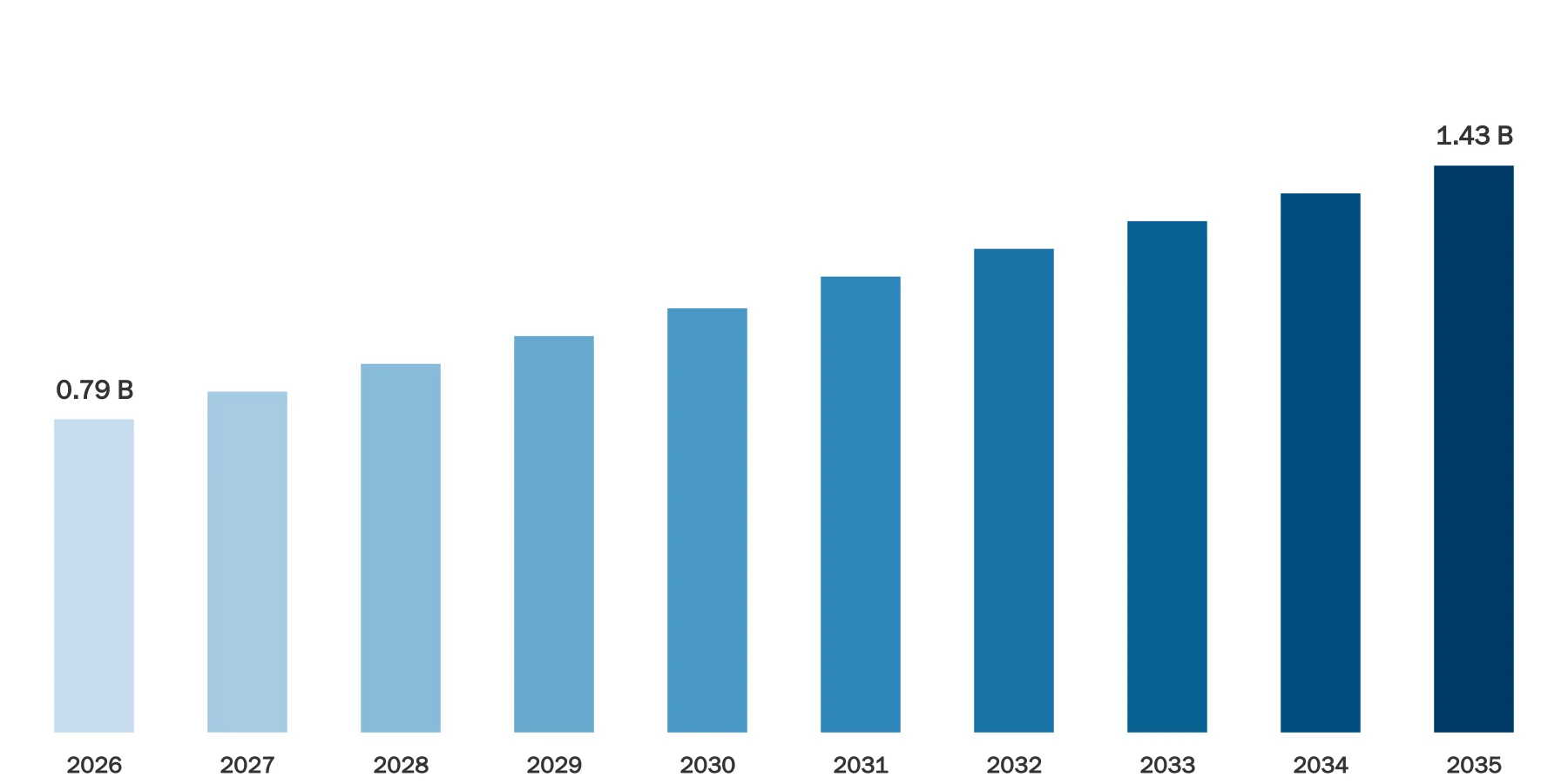
Source: Econ Market Research
Switches are mostly used for turning lights on and off, whereas dimmers offer aesthetic control over the light. This market has witnessed incredible growth as a result of the increased demand for energy-efficient lighting solutions and improved smart home technology. With trend towards increase toward home automation, smart switches, and dimmers that can be managed using a smartphone or even voice command have been going up rapidly in popularity. These devices, besides being a convenience enhancer, tend to save energy, making them even more attractive to those who are considered environmentally sensitive. In addition, market growth has also been driven by new residential and commercial buildings with modern designs where sophisticated lighting controls feature.
Dynamic Insights
Some of the main driving forces behind this market include immense energy-saving requirements in lighting solutions, which save electricity consumption and subsequently cut utility bills. People and businesses interested in lowering their carbon footprint focus on switches and dimmers that facilitate energy management. Some factors that add smart home technology make it increase the demand for advanced switches and dimmers that can be part of automation systems, thereby creating user potential avenues for remote control and personalizing lighting experiences.
Smart switches and smart dimmers do have expensive initial installation costs, which dissuades some of the consumers from switching. Moreover, higher penetration of more advanced products also suffers due to the traditional lighting controls available. Trends like increased IoT devices usage, and increased emphasis on sustainability avenues significant growth opportunity for the market. Manufacturers are innovating through developing more consumer-friendly interfaces and features, such as compatibility with voice-activated systems, mobile apps, in order to reach a higher number of customers.
Drivers Insights
Growing Demand for Energy Efficiency
One of the main driving forces for the global switches and dimmers market is the increased demand for energy-efficient lighting solutions. Therefore, consumers and businesses worldwide are becoming more environmentally conscious and trying to find ways to reduce their consumption of energy and lower electric bills. Dimmers provide users with the ability to control how bright lights are, this leads to an improvement in the ambiance of a space but also decreases the degree to which energy is being consumed. Worldwide, governments implemented stricter energy policies, as well as encouraged the adoption of energy-saving technologies. Additional attention to products that offer sustainability translates into interest in alternative conventional switch and dimmer systems with energy-efficient options.
Advancements in Smart Home Technology
Another significant driver is the rapid advancement of smart home technology. As more consumers embrace home automation systems, there is an increased interest in smart switches and dimmers that can be controlled remotely through smartphones or voice-activated devices. These products offer enhanced convenience, allowing users to customize their lighting based on their preferences and routines. The integration of switches and dimmers into smart home ecosystems is appealing to tech-savvy consumers, further propelling the market. Moreover, features such as programmable settings and energy monitoring capabilities are attracting a broader audience, thus expanding market reach.
Restraints Insights
High Initial Installation Costs
Despite the growing popularity of smart switches and dimmers, high initial installation costs remain a significant restraint for market growth. Many advanced products require specialized wiring and may necessitate professional installation, which can deter potential customers. While these devices offer long-term energy savings, the upfront investment can be a barrier for budget-conscious consumers. This factor may limit the adoption of innovative lighting controls, particularly in regions where traditional solutions are still widely used and perceived as more cost-effective.
Limited Consumer Awareness
Another restraint is the limited consumer knowledge about the advantages of switches and dimmers in newer markets. Consumers generally are not aware of the energy-saving benefits as well as convenience that these products bring. This lack of knowledge limits market access because consumers shy away from using more advanced technologies when they are familiar with traditional lighting solutions. Manufacturers and suppliers should invest in educational marketing effort to create awareness of the benefits of smart switches and dimmers, which constitutes an integral requirement for expanding their market presence.
Opportunities Insights
Rising Adoption of IoT Devices
The increasing adoption of Internet of Things (IoT) devices presents a significant opportunity for the switches and dimmers market. As more households integrate IoT technologies into their daily lives, the demand for smart lighting solutions that seamlessly connect with other smart devices is on the rise. This integration allows for enhanced functionality, such as automated lighting schedules and remote control, making smart switches and dimmers more appealing. Manufacturers can leverage this trend by developing products that are compatible with a variety of IoT platforms, creating opportunities for growth in both residential and commercial sectors.
Segment Analysis
By Product
The product could be categorized under a switch/dimmer group composed of manual switches, electronic switches, wired dimmers, and wireless dimmers. Manual switches are the classical form of lighting control whereby users can just toggle on and off the lights by turning a mechanical toggle or button. They are simple, cost-effective and very common in almost all applications. Electronic switches, on the other hand, are richer in features and functionalities, from remote control to smart-home integration. An attractive feature of such switches is that they can be programmed for automation, which can present an intense appeal to the more tech-conscious customer. There are two types of dimmer switches: wired and wireless.
The former of these options directly connects to the electrical system, thus looking forward to solid and stable performance. They are widely used in residential and commercial applications to change the degrees of lighting and ambiance needed. Wireless dimmers, however, offer even greater flexibility and convenience since devices can be controlled using smart phones or hubs for home improvement. This kind of product differentiation shows the various options available to consumers which vary based on preference and the degree of technological sophistication about controlling lightings.
By End-Use
The market is also segmented by end-use into commercial, industrial, and residential applications. In the commercial sector, switches and dimmers are widely utilized in offices, retail spaces, and hospitality settings, where efficient lighting plays a critical role in enhancing ambiance and energy savings. Businesses are increasingly adopting smart lighting solutions to improve energy management and create flexible work environments. In industrial applications, robust switches and dimmers are essential for managing lighting in factories and warehouses, where safety and functionality are paramount. These products are designed to withstand harsh conditions and ensure reliable operation.
The residential segment represents a significant portion of the market, driven by consumer demand for comfort, convenience, and energy efficiency in homes. Homeowners are increasingly turning to smart switches and dimmers to enhance their living spaces, improve energy management, and embrace automation. This segmentation underscores the diverse applications of switches and dimmers across different settings, highlighting the importance of tailored solutions for specific end-use requirements.
Regional Analysis
The North American market takes the lead here, and it is mainly supported by smart home technology, with energy-efficient solutions taking center stage. Growth in IoT devices and also home automation systems have positively contributed to advanced switches and dimmers in this region. Government initiatives to promote energy efficiency also underpin growth in this market. The United States is a major player in this market, where smart lighting solutions have become a sought-after convenience and sustainability product for consumers.
The switches and dimmers market in Europe is gaining more importance in sustainability and the best practices of green building. Taking this into account, Germany, the UK, and France are leaders in adopting energy-efficient lighting solutions, with stringent regulations driving demand towards smart switches and dimmers. This hard commitment on reduction of carbon emissions encourages manufacturers to innovate and create products that are in accordance with environmental goals. On the other hand, the Asia-Pacific region is growing hugely. The cause of growth in the market of this region is urbanization, upswing in disposable incomes, and smart infrastructure investments. People and commercial consumers alike have started demanding lighting control solutions for their residences and commercial units simultaneously, with the intent of saving energy and developing more modern lighting systems.
Competitive Landscape
Companies such as Schneider Electric, Legrand, Lutron Electronics, and Philips are leading this market by capitalizing on their long product portfolios and credentials to offer customers advanced lighting control solutions. They focus upon the development of smart switches and dimmers that harmonize well with any home automation systems and make the system convenient for the consumers while saving energy. Commitment to research and development enables them to introduce advanced technologies such as IoT-enabled devices and energy-monitoring capabilities, which increase demand.
Apart from the major manufacturers, the market comprises of several emerging small players that specialized in either niche products or to fulfil particular consumer needs. These emergent players focus on unique features, user-friendly design, and sustainable materials, which helps them stand out in the competitive market. Forcing light product innovations and making the reach to a greater number of consumers, technology firms', strategic collaborations and partnerships are increasingly happening with the lighting manufacturers. Consumer preference and the market would continue to shift toward the smart solution that is energy efficient to face the competition that will force companies to produce better products and improve service to customers.
List of Key Players:
Acuity Brands Lighting
ABB
Siemens
GE
Honeywell
Legrand
Salzer Electronics
Longsheng
Havells
Eaton
Panasonic
Osram
Lite-Puter Enterprise
Schnieider Electric
Global Switches And Dimmers Report Segmentation
Switches And Dimmers Market Report Scope & Segmentation
| Attributes | Details |
|---|---|
Market Size (Current) | US$ 0.79 Billion in 2026 |
Market Size (Forecast) | US$ 1.43 Billion in 2035 |
Growth Rate | CAGR of 6.76% from 2026 to 2035 |
Forecast Period | 2026 – 2035 |
Base Year | 2025 |
Historical Data Available | Yes |
Regional Scope | Global |
Segments Covered | By Product Type
By Connectivity
By End-User
|
Frequently Asked Questions
Common questions about this report
The study period covers historical insights and forecast projections for the period 2026-2035.
About the Author
Market research expert with years of industry experience

Dipali Bhingare serves as the Market Research Director at Econ Market Research. With a focus on translating complex global economic shifts into actionable business intelligence, she oversees the strategic direction of comprehensive market studies. Her work empowers organizations to navigate volatile industries through data-driven forecasting and deep-dive competitive analysis.
Related Reports
Explore more market insights from the same category