Surfing Apparel and Accessories Market Overview
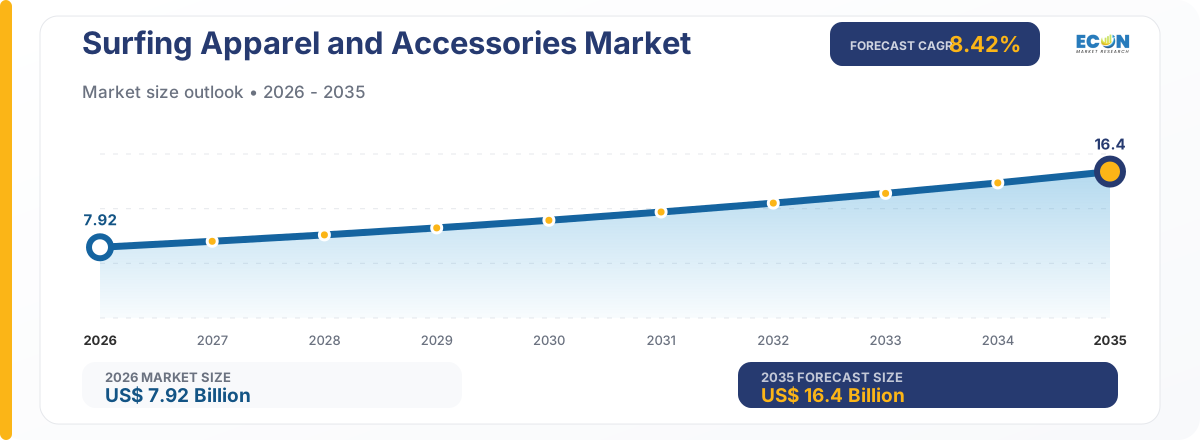
As per Econ Market Research analysis, the Global Surfing Apparel and Accessories Market generated revenue of US$ 7.92 Billion in 2026 and is forecast to achieve US$ 16.4 Billion by 2035, at a CAGR of 8.42% during the study period 2026–2035. The base year considered is 2025.
The market for Global Surfing Apparel &, Accessories is all about clothing and accessories made specifically for surfers and those who love surfing. This industry covers a wide range of products, such as wetsuits, board shorts, rash guards, sunglasses, and sandals. These items are designed to handle the challenges of surfing, like being in the water, under the sun, and in the sand, while also being comfortable, durable, and stylish. As surfing becomes more popular around the world as both a sport and a hobby, there has been a higher demand for top-quality surfing gear, leading to more growth in this market.
Over the past few years, the Global Surfing Apparel &, Accessories market has seen strong growth due to various factors. The increasing popularity of surfing as both a leisure activity and a sport has resulted in a larger global surfing community, leading to a higher demand for specialized clothing and gear. Furthermore, advancements in Textile technology have allowed companies to create cutting-edge products with better performance, lasting quality, and enhanced comfort, which has in turn fuelled further growth in the market.
In addition, the rise of surfing culture and fashion trends has helped fuel the market',s growth, as surf-inspired clothing and accessories gain popularity among the general public. Despite facing competition from other water sports and economic uncertainties, the Global Surfing Apparel &, Accessories market is expected to keep growing in the future. This growth is fuelled by more people taking up surfing and advancements in product design and technology.
Surfing Apparel &, Accessories Dynamics
The Global Surfing Apparel &, Accessories market is influenced by a variety of factors such as supply, demand, and consumer preferences. One key factor is the impact of surfing culture and lifestyle trends on consumer behaviour. With surfing becoming more popular globally as both a sport and recreation, consumers are looking for apparel and accessories that embody the spirit and style of the surfing community. This growing trend is driving the demand for fashionable and practical surfing apparel and accessories, leading manufacturers to create new products to meet the changing tastes of consumers.Furthermore, the way the market operates is affected by advancements in technology and a focus on sustainability.
New technologies in fabrics and production methods allow for the creation of surfing gear that is more comfortable, longer-lasting, and better at protecting against the elements. At the same time, consumers are becoming more conscious of environmental issues, leading to a greater desire for products that are both sustainable and eco-friendly within the surfing industry. Companies are now integrating sustainable practices into their supply chains and product development processes. This includes the use of recycled materials and waste reduction to align with the changing preferences of environmentally conscious consumers.
Surfing Apparel &, Accessories Drivers
Increasing Popularity of Surfing
Surfing has become hugely popular as a fun activity and competitive sport all over the world. This rise in popularity is a key factor driving the Surfing Apparel &, Accessories market. As more people take up surfing, there is a growing need for specialized clothing and gear designed specifically for surfers. This increase in demand is leading to a larger customer base for surfing-related products, which is fuelling market growth. Additionally, the influence of surfing on popular culture is spreading, with surf-inspired fashion becoming more and more mainstream. This cultural trend is further increasing the demand for surfing apparel and accessories, driving the market to expand.
Technological Advancements
The continuous progress in textile technology and product innovation greatly influences the growth of the Surfing Apparel &, Accessories market. Manufacturers are constantly working on developing new materials and design methods to enhance the performance, comfort, and durability of surfing apparel and accessories. By incorporating advanced fabrics with features like moisture-wicking, UV protection, and stretch capabilities, the functionality of surfing apparel is improved, which in turn attracts a larger consumer base. Advances in manufacturing processes have made it possible to create eco-friendly and sustainable surfing products, which appeal to environmentally conscious consumers. These technological improvements not only enhance product quality but also drive market demand by providing innovative solutions to meet the changing tastes of surfers.
Restraints:
Seasonal Nature of Surfing
One major challenge for the Surfing Apparel &, Accessories market is its reliance on seasonal factors. Surfing is greatly affected by weather patterns and wave conditions, leading to variations in the demand for surfing-related products throughout the year. The market sees high demand during the summer months and in locations with good surfing conditions, while demand can decrease in the winter or in regions with less ideal weather for surfing. This seasonal nature presents difficulties for manufacturers and retailers, to managing inventory, developing marketing plans, and generating revenue, which could ultimately impact the market',s overall growth.
Competition from Alternative Water Sports
The market for Surfing Apparel &, Accessories is facing tough competition from other water sports like paddle boarding, kite surfing, and wakeboarding, as they appeal to the same group of enthusiasts. These activities provide a similar experience to surfing and target the same consumers, resulting in a battle for market share and consumer dollars. The constant improvements in equipment and gear for these alternative water sports could draw consumers away from traditional surfing, creating a challenge for companies in the surfing gear industry. To combat this, companies can have to expand their product range or establish their brand to attract specific segments of water sports enthusiasts effectively.
Opportunities:
Expansion into Emerging Markets
The Surfing Apparel &, Accessories market has great potential in expanding to emerging markets where surfing is becoming increasingly popular. Regions like Asia-Pacific, Latin America, and parts of Africa are experiencing a rise in interest and participation in surfing due to factors like easier access to coastal areas, rising disposable incomes, and greater awareness of the sport through media and tourism. By targeting these emerging markets, companies can take advantage of the growing demand for surfing products and establish a foothold in areas with untapped opportunities, leading to market expansion.
Segment Overview
By Product Type
By Product, Surfing Apparel and Accessories market is segmented into surfboard fins, leashes, traction pads, wax, and repair kits, among others. Surf accessories are important for guaranteeing the safety, efficiency, and upkeep of surfing gear, making them essential for surfers of all levels. Surf Apparel involves clothing and protective gear made specifically for surfers to wear during their time in the water.
In the world of surfing, there are essential items like wetsuits, board shorts, rash guards, swimwear, and hats. These are specially designed to endure the challenges of surfing, offering comfort, flexibility, and protection from the elements. Companies are always coming up with new ideas, using cutting-edge materials and techniques to improve both performance and aesthetics, meeting the varied tastes of surfers everywhere.
By Distribution Channel
By Distribution Channel market is segmented into online retail and offline retail. Online platforms allow for easy comparison shopping, helping consumers find the best deals and explore different options before making a purchase. With just a few clicks, customers can explore a wide range of products from various brands and retailers, all from the comfort of their homes. Despite the popularity of online shopping, offline retail still plays a significant role in the distribution of surfing gear, with brick-and-mortar stores, specialty surf shops, and sporting goods retailers serving as important avenues for consumers to purchase their desired products.
Traditional brick-and-mortar stores give customers the chance to interact with products in person, allowing them to fully experience them before buying. This hands-on shopping experience appeals to a wide range of consumers. Offline retailers also excel in offering personalized assistance and expert guidance, elevating the overall shopping experience. Despite the rise of online shopping, physical stores continue to play a crucial role in building brand awareness, cultivating customer loyalty, and serving those who appreciate traditional retail practices.
Surfing Apparel &, Accessories Overview by Region
The surfing apparel and accessories market around the world shows differences in various regions due to factors like location, weather, surfing trends, and economic status. Areas with many surfing hotspots, like California, the Gold Coast, and the North Shore of Oahu, are important centers for surfing and the market. These regions have strong surfing communities, surf schools, competitions, and stores, leading to a high demand for surfing gear. In various parts of the world, such as Asia-Pacific, Latin America, and Europe, surfing is becoming more popular, leading to opportunities for growth in the market.
Economic factors, such as income levels and consumer preferences, play a significant role in influencing the market in different regions. Wealthier coastal areas tend to have a higher demand for high-quality surfing gear, while regions with lower incomes can prefer more affordable options. The surfing apparel and accessories market is a mix of established markets with steady demand and emerging markets with potential for growth.
Surfing Apparel &, Accessories Market Competitive Landscape
Key players such as Quiksilver, Billabong, Rip Curl, O',Neill, and Hurley dominate the market with their extensive product offerings, global distribution networks, and strong brand recognition within the surfing community. These companies invest heavily in product innovation, marketing campaigns, and sponsorship deals with professional surfers to maintain their competitive edge and capture market share. Additionally, the market sees competition from smaller, specialized brands focusing on niche segments or eco-friendly products, catering to specific consumer preferences and sustainability concerns. Moreover, the rise of direct-to-consumer (DTC) brands and online retailers further intensifies competition by offering competitive pricing, personalized shopping experiences, and direct engagement with consumers.
Surfing Apparel &, Accessories Market Leading Companies:
Quiksilver Inc.
Billabong International Limited
Rip Curl Group Pty Ltd
O',Neill, LLC
Hurley International LLC
Volcom LLC
Patagonia, Inc.
Roxy, LLC
RVCA, LLC
Channel Islands Surfboards
Rusty, LLC
Body Glove International, LLC
Xcel Brands, Inc.
Electric Visual Evolution, LLC
Vissla, LLC
Nixon, Inc.
Firewire Surfboards LLC
Surfing Apparel &, Accessories Report Segmentation
Surfing Apparel and Accessories Market Report Scope & Segmentation
| Attributes | Details |
|---|---|
| Market Size (Current)Current market valuation | US$ 7.92 Billion in 2026 |
| Market Size (Forecast)Projected market valuation | US$ 16.4 Billion in 2035 |
| Growth RateCompound Annual Growth Rate | CAGR of 8.42% from 2026 to 2035 |
| Forecast PeriodAnalysis timeline | 2026 – 2035 |
| Base YearReference year for analysis | 2025 |
| Historical Data AvailablePast market data availability | Yes |
| Regional ScopeGeographical coverage | Global |
| Segments CoveredMarket segments analyzed | By Product
By Distribution Channel
|
Frequently Asked Questions
Common questions about this report
The study period covers historical insights and forecast projections for the period 2026-2035.
About the Author
Market research expert with years of industry experience

Dipali Bhingare serves as the Market Research Director at Econ Market Research. With a focus on translating complex global economic shifts into actionable business intelligence, she oversees the strategic direction of comprehensive market studies. Her work empowers organizations to navigate volatile industries through data-driven forecasting and deep-dive competitive analysis.