

Sports Memorabilia Market
Sports Memorabilia Market Size, Share, Trends, Growth, and Industry Analysis, By Product Type (Jerseys, Shoes/Sneakers, Hats andamp; Caps, Balls, Bats, Helmets, Trading Cards, Others), By Distribution Channel (Licensed Sellers, Specialized Collectibles Web Portals, Online Shopping Websites, Auction Houses, Offline Retail), Regional Analysis and Forecast Period 2026-2035
Sports Memorabilia Market Overview
As per Econ Market Research analysis, the Global Sports Memorabilia Market accounted for US$ 2.22 Billion in 2026 and is expected to surpass US$ 6.9 Billion by 2035, witnessing a CAGR of 13.3% throughout 2026–2035. The analysis is based on 2025 as the base year.
Sports Memorabilia Market Size 2025-2035 (USD Billion)

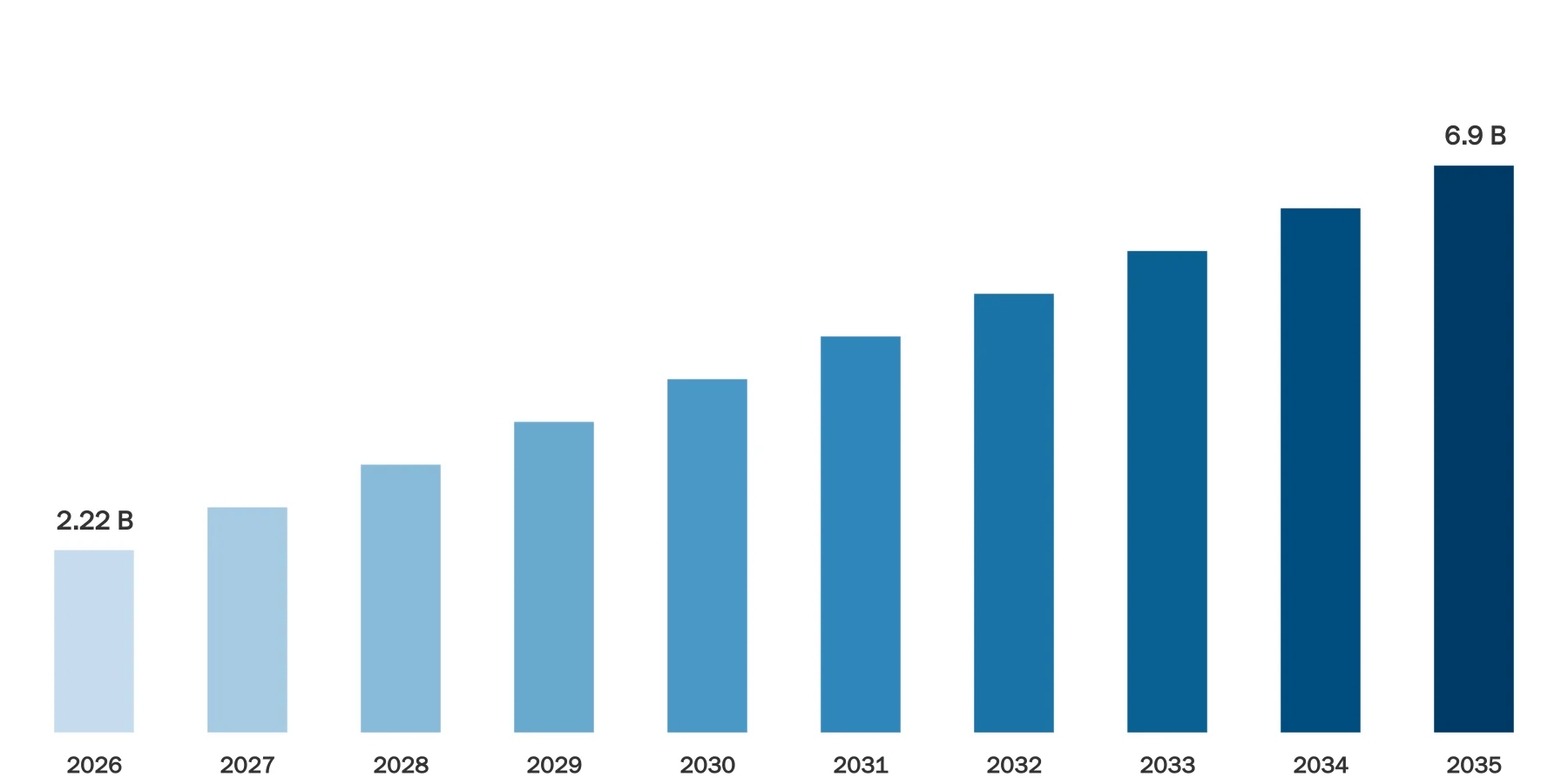
Source: Econ Market Research
The Global sports memorabilia market refers to the purchase and sale of sports-related items like autographed jerseys, trading cards, and equipment used in games. These items are highly valued by sports fans, collectors, and investors because of their association with memorable moments and famous athletes. The market includes traditional auctions and online platforms where collectors can find rare and special pieces. Demand for sports memorabilia has been increasing steadily over time, fuelled by nostalgia, the desire for genuine items, and the possibility of making a profit.
Over the past few years, the sports memorabilia industry has experienced a significant increase in popularity and engagement, due to the emergence of online platforms and the globally spread of sports enthusiasm. Fans and collectors now have greater opportunities to acquire a wide variety of items from different corners of the globe, spanning from classic Collectibles to modern pieces autographed by present-day athletic icons. Moreover, the market has broadened its scope beyond conventional sports such as baseball and football to include specialized sports and Esports, appealing to a diverse array of preferences. This expansion has also presented challenges, including the prevalence of fake products and issues regarding the ethical procurement of memorabilia.
Sports Memorabilia Dynamics
The global sports memorabilia market is constantly changing due to different factors affecting supply, demand, and prices. A major factor is the success and popularity of athletes and teams, as memorable events, championship wins, and individual accomplishments can spark higher demand for related memorabilia. When a player is inducted into a Hall of Fame or a team secures a championship, the value of associated items can greatly increase. Moreover, the rise of new stars or a renewed interest in retired athletes can also cause shifts in the market.
One important factor to consider is the impact of technology and online platforms on the purchasing and selling of sports memorabilia. The internet has made it easier for collectors globally to engage in transactions, connecting them with each other effortlessly. Online auctions, marketplaces, and social media sites play a crucial role in the buying and selling process, allowing fans to find unique items and make deals from a distance. Even with the benefits, the online world also brings challenges like verifying the authenticity of products and dealing with a competitive market that lacks uniform regulations.
Sports Memorabilia Drivers
Athlete Performance and Popularity
Athletes and teams play a crucial role in driving the global sports memorabilia market. Successes like memorable moments, championship wins, and individual accomplishments often fuel a surge in the demand for related memorabilia. For instance, when a player hits a major milestone or receives an MVP award, the items linked to that player usually increase in value.
Likewise, team triumphs, such as winning a championship or an iconic game, can generate more interest in merchandise and memorabilia showcasing the team',s logo or top players. These occurrences evoke feelings of nostalgia and emotional connection in fans, motivating them to search for physical mementos of those special moments, ultimately increasing demand in the market.
Globalization and Online Platforms
The popularity of sports across the globe and the rise of the internet have made it much easier to buy and sell sports memorabilia. Online platforms have made it possible for collectors from all over to find and purchase rare items. This has opened up the market to not just mainstream sports like baseball and football, but also more niche sports and esports, appealing to a wider range of people. Moreover, advancements in technology have made it easier to authenticate and verify memorabilia, boosting consumer trust in online transactions. This has LED to a surge in the market, giving collectors more opportunities to broaden their collections with a wide range of items.
Restraints:
Counterfeiting and Authenticity Concerns
Counterfeiting is a big issue in the sports memorabilia market, making it hard for collectors to tell what is real and what is fake. This has led to a lack of trust among consumers and collectors, which is especially concerning with the growing demand for rare and valuable items. Counterfeiting not only hurts the market',s integrity but also makes people hesitant to buy, particularly online.
Economic Uncertainty and Volatility
Economic uncertainty and volatility can also act as restraints on the sports memorabilia market. During periods of economic downturn or instability, consumers may prioritize essential expenses over discretionary purchases like memorabilia, leading to a decline in demand. Moreover, fluctuations in exchange rates, inflation, and interest rates can impact the purchasing power of collectors, affecting their willingness to invest in high-value items or expand their collections. Additionally, economic downturns may also impact the disposable income of sports fans, reducing their capacity to spend on memorabilia, thereby dampening market activity.
Opportunities:
Emerging Sports and Markets
There are ample opportunities for growth in the sports memorabilia industry due to the diversification of sports and the rise of new markets. In addition to popular sports like football and basketball, niche sports such as MMA, cricket, and esports are gaining traction globally. This is opening up new possibilities for collectors and investors. With these sports attracting a wider fan base and creating memorable moments, the demand for related memorabilia is projected to increase. This trend gives sellers the chance to take advantage of emerging markets and appeal to specialized audiences. Moreover, the globalization of sports has opened up new geographical markets, allowing collectors to explore and acquire items from regions with rich sporting histories and cultures, further expanding the scope of the market.
Segment Overview
By Type
By type, Sports memorabilia market is segmented into game-used items and other signed memorabilia. Collectors are often drawn to game-used items because they offer a tangible connection to a specific event or athlete',s performance. These items can range from a basketball used in a championship game to a jersey worn during a record-setting match. However, signed memorabilia, like autographed jerseys, balls, bats, and photographs, hold a personal touch from the athlete or sports personality that fans cherish.
By Product
By Product, Sports memorabilia market is segmented into jerseys which are highly coveted items that represent a player',s legacy and identity on the field. Signed American football and association football balls are especially valuable, as they often have been used in historic games or autographed by legendary players. Baseball equipment like bats and balls evoke a sense of nostalgia and respect for the sport',s history, while basketballs and helmets symbolize moments of victory and success. Hockey sticks, golf clubs, and other sports-related items also play a significant role in the vast array of sports memorabilia sought after by collectors.
By Sales Channels
By Sales Channels, Sports memorabilia market is segmented into specialized memorabilia selling websites that sell memorabilia offer a special place for fans to browse and buy rare and one-of-a-kind items, often verified and selected by experts. e-commerce shopping websites have become popular platforms as well, providing ease and availability to collectors worldwide. Offline Retail, like sports stores and specialty stores, are still important for those who prefer a more interactive and customized shopping experience. Also, auctions, sports events, and special fairs also play a role in the lively and diverse market for sports memorabilia, catering to various tastes and shopping habits.
Sports Memorabilia Overview by Region
The market for sports memorabilia varies across regions due to different consumer preferences, cultural influences, and economic factors. In North America, home to popular sports leagues like the NFL, NBA, and MLB, there is high demand fuelled by a strong sports culture and passionate fans. The region also has a well-developed network of collectors, auction houses, and memorabilia conventions, which contribute to a vibrant market.
In Europe, there is a rich sporting heritage with enthusiastic fans of football, rugby, and cricket, leading to a demand for memorabilia related to iconic clubs and players. The sports memorabilia market in the Asia-Pacific region is experiencing significant growth, driven by the rising popularity of sports such as cricket, basketball, and baseball in countries like India, China, and Japan. The emergence of digital platforms and e-commerce channels is also playing a key role in expanding market access and boosting online sales globally. However, challenges and opportunities may arise due to differences in economic development, regulatory frameworks, and cultural attitudes towards sports across the region, necessitating customized strategies for market players to navigate effectively.
Sports Memorabilia Market Competitive Landscape
Traditional auction houses such as Christie',s and Sotheby',s command a significant presence, leveraging their reputation, expertise, and global reach to attract high-end collectors and facilitate high-value transactions. Additionally, specialized retailers and memorabilia stores cater to niche markets, offering a wide range of authenticated items and personalized services to enthusiasts. In the digital realm, online marketplaces like eBay and StockX have emerged as major players, providing a platform for collectors to buy, sell, and trade memorabilia items with ease.
Social media platforms also play a crucial role, enabling collectors to connect, share, and discover new pieces while fostering a sense of community within the enthusiast community. Amidst increasing competition and technological advancements, players in the sports memorabilia market must innovate and differentiate their offerings to stay ahead, whether through exclusive partnerships, innovative marketing campaigns, or enhanced authentication services, to capture a larger share of the growing market.
Sports Memorabilia Market Leading Companies:
Christie',s International plc
Sotheby',s Inc.
Goldin Auctions LLC
Steiner Sports Memorabilia, Inc.
Fanatics, Inc.
Upper Deck Company, LLC
Heritage Auctions, Inc.
Lelands, Ltd.
SCP Auctions, Inc.
Hunt Auctions, Inc.
Grey Flannel Auctions, Inc.
Classic Auctions Ltd.
SportsMemorabilia.com, Inc.
Pristine Auction, Inc.
RR Auctions, LLC.
Sports Memorabilia Recent Developments
Feb 2024, LIV Golf and Panini Group form an exclusive partnership to create a pioneering series of trading cards, introducing innovative products to the golf industry and appealing to enthusiasts and collectors worldwide. Panini',s initial line of golf trading cards will showcase match-worn memorabilia and genuine autographs from LIV Golf players, enhancing the allure of professional golf collectibles.
Nov 2023, the NBA joins forces with Sotheby&rsquo,s to launch the sale of game-worn memorabilia, capitalizing on the booming sports memorabilia market. Notable sales include a pair of Nike Air Jordan XIII sneakers, signed and worn by basketball legend Michael Jordan during the 1998 NBA finals, fetching a record $2.2 million at Sotheby&rsquo,s in April. In 2021, the auction house sold a jersey worn by Jordan during the same series for $10.1 million&mdash,twice its high estimate.
Sports Memorabilia Report Segmentation
Sports Memorabilia Market Report Scope & Segmentation
| Attributes | Details |
|---|---|
Market Size (Current) | US$ 2.22 Billion in 2026 |
Market Size (Forecast) | US$ 6.9 Billion in 2035 |
Growth Rate | CAGR of 13.3% from 2026 to 2035 |
Forecast Period | 2026 – 2035 |
Base Year | 2025 |
Historical Data Available | Yes |
Regional Scope | Global |
Segments Covered | By Product Type
By Distribution Channel
|
Frequently Asked Questions
Common questions about this report
The study period covers historical insights and forecast projections for the period 2026-2035.
About the Author
Market research expert with years of industry experience

Related Reports
Explore more market insights from the same category