Sparkling Water Market Overview
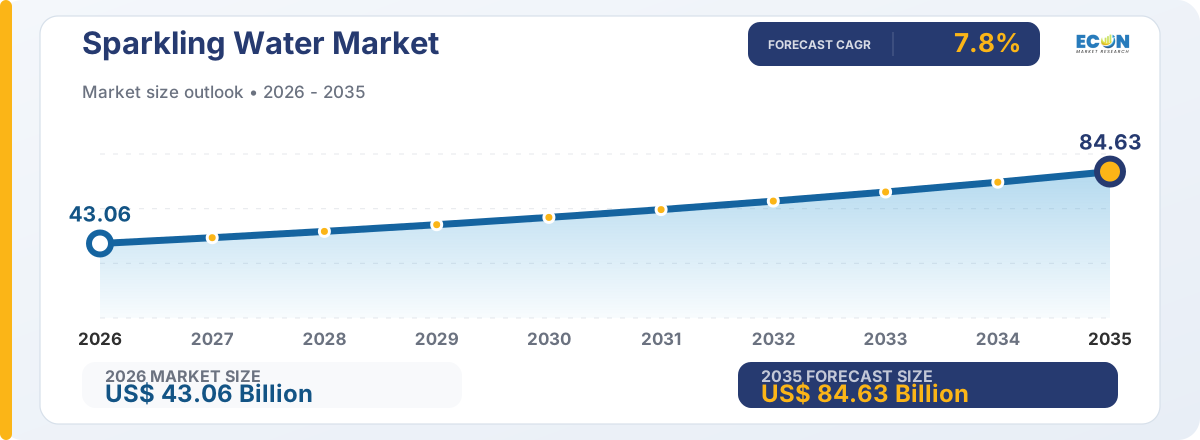
As per Econ Market Research analysis, the Global Sparkling Water Market was estimated at US$ 43.06 Billion in 2026 and is forecast to attain US$ 84.63 Billion by 2035, expanding at a CAGR of 7.8% between 2026 and 2035. The base year for the study is 2025.
Sparkling water, a non-alcoholic beverage that is widely available, has gained popularity as a healthier alternative to soda. It is carbonated and available in a variety of flavours to appeal to a wide range of tastes. It is sugar-free, unlike soda water, making it an appealing option for people looking for a lower-calorie drink. Sparkling water, which is typically created from mineral water, includes less solid Minerals and is infused with carbon dioxide, resulting in a delightful and effervescent experience. Sparkling water has become a popular choice for people looking for a fizzy and healthier alternative to classic sodas due to its broad selection of flavours and sugar-free nature.
Market Dynamics
Several variables influence the market dynamics of the sparkling water sector. Consumer preferences for healthier beverage options, as well as a shift away from sugary carbonated drinks, contribute to market growth. Global demand for sparkling water is being stimulated by increased health consciousness and disposable wealth. Strategic marketing efforts, product innovation, and the introduction of enticing flavour alternatives all assist the industry. Furthermore, the availability of sparkling water in a variety of packaging types, as well as the expansion of distribution channels, help to drive market growth. However, problems such as pricing competitiveness, regulatory factors, and environmental concerns over packaging materials are continuous concerns for market participants to address.
Market Drivers
The increased preference for sparkling water over sugary carbonated beverages and sodas has greatly contributed to the rise in consumer demand for sparkling water. This shift in consumer behaviour across all age groups has been critical in fuelling the expansion of the sparkling water market. The trend of embracing healthier options and seeking out innovative drinks has had a favourable impact on the industry',s growth.
The increased preference for sparkling water over sugary carbonated beverages and sodas has greatly contributed to the rise in consumer demand for sparkling water. This shift in consumer behaviour across all age groups has been critical in fueling the expansion of the sparkling water market. The trend of embracing healthier options and seeking out innovative drinks has had a favourable impact on the industry',s growth.
Restraints
The market growth of sparkling water can face obstacles due to the lower pricing of other carbonated drinks. The competitive pricing of alternatives could potentially hinder the adoption of sparkling water among consumers. Furthermore, domestic levies and bottlenecks in shipping lanes present hurdles to the sparkling water business. These variables might have an impact on the price and availability of sparkling water, thereby affecting market growth and making it harder for industry participants to reach consumers and maintain profitability.
Opportunities
Strategic commercial advertisements on bottled water create lucrative opportunities for market players in the forecast period. These well-planned promotional campaigns help raise awareness about the benefits and unique features of bottled water, such as its purity, convenience, and health advantages. Market participants can attract more customers and enhance revenues by efficiently reaching out to consumers through advertising. These commercials have a tremendous impact on customer perceptions and choices, propelling the bottled water market',s development and profitability.
Segment Overview
By Product Type
Water market segmentation includes a variety of product kinds such as purified water, mineral water, Spring water, and sparkling water. Purified water is treated to remove impurities and pollutants, ensuring its cleanliness and safety. Mineral water is derived from natural springs and contains minerals that are beneficial to one',s health. Spring water is gathered from naturally occurring springs, providing a natural and pure source of water. For those looking for a fizzy beverage choice, sparkling water mixed with carbon dioxide gives a frothy and delightful experience. Each variety caters to distinct consumer tastes and requirements.
By Category Type
Water industry is segmented into two major categories: plain water and flavoured water. Plain water is unflavoured water that is free of any additions or flavours. Those looking for an easy and refreshing hydration alternative often seek it out. Flavoured water, on the other hand, contains a variety of fruit-infused or artificially flavoured choices. These flavoured waters include a hint of flavour and appeal to those who seek a more enriched and tasty drinking experience. The categorization enables users to select water options based on their taste preferences.
By Packaging Type
The segmentation is based on different packaging forms, such as bottles, cans, and other packaging options. Bottles are a popular packing style because they are convenient and portable. They come in a variety of sizes and materials, including plastic, glass, and reusable choices. Cans are a convenient and lightweight solution for on-the-go consumption. Pouches, cartons, and tetra packs are examples of different formats for water packing. The packaging type segmentation enables consumers to select water goods depending on their chosen packaging format and convenience.
By Distribution Channel
Water industry segmentation can also be done based on distinct distribution channels: store-based and non-store-based. Supermarkets, convenience stores, grocery stores, and other retail facilities where consumers may physically purchase water products are examples of store-based distribution networks. These channels provide ease and quick access to a variety of water options. Non-store distribution methods include internet platforms, e-commerce websites, and home delivery services, which allow users to buy liquid items online and have them delivered to their door. Based on their convenience and shopping interests, consumers can select their preferred distribution channel for purchasing water through this segmentation.
Market Overview by Region
Asia-Pacific
Experiencing a notable compound annual growth rate (CAGR), the Asia Pacific region has secured a significant revenue share in the global sparkling water market. The region's robust performance underscores the increasing demand and adoption of sparkling water as a favored beverage choice. With its expanding market share, Asia Pacific emerges as a prominent player in the global sparkling water industry, contributing significantly to its overall revenue growth.
North America
North America has emerged as the dominant region in the sparkling water market, owing to rising consumer preference for healthier alternatives to Soft Drinks. With an increasing emphasis on health and wellbeing, consumers in North America are actively seeking beverages that provide a refreshing taste without the high sugar level seen in classic sodas. The region's well-established beverage distribution infrastructure, as well as the strong presence of important market competitors, has aided the expansion of the sparkling water industry. As a result, North America's demand for sparkling water remains high, contributing to the region's market dominance.
Competitive Landscape
The competitive environment of the sparkling water industry is highly fragmented, with numerous large and small firms competing for market share. This environment breeds fierce competitiveness in the sector. To obtain a competitive advantage, major beverage firms, as well as niche competitors and startups, aggressively participate in the market, bringing new flavours, packaging innovations, and marketing methods. The market',s dynamic character supports innovation and a diversified range of products, providing customers with a diverse range of options in the sparkling water category.
Key Players
PepsiCo, Inc.
Nestlé S.A.
The Coca-Cola Company
CG Roxane, LLC (Crystal Geyser)
Tempo Beverage Ltd.
Keurig Dr Pepper Inc.
Dr Pepper Snapple Group (Keurig Dr Pepper)
Ferrarelle Società Benefit S.p.A.
Sanpellegrino S.p.A. (Nestlé)
Reignwood Investments UK Ltd. (Reignwood Group)
LaCroix Beverages, Inc. (National Beverage Corp.)
Gerolsteiner Brunnen GmbH & Co. KG
Mountain Valley Spring Water
Danone S.A.
Nongfu Spring Co., Ltd.
Recent Developments
In Jan 2022, 'Zenzi' announced that it is set to make a significant impact in the sparkling water market in India.
Sparkling Water Market Report Scope & Segmentation
| Attributes | Details |
|---|---|
| Market Size (Current)Current market valuation | US$ 43.06 Billion in 2026 |
| Market Size (Forecast)Projected market valuation | US$ 84.63 Billion in 2035 |
| Growth RateCompound Annual Growth Rate | CAGR of 7.8% from 2026 to 2035 |
| Forecast PeriodAnalysis timeline | 2026 – 2035 |
| Base YearReference year for analysis | 2025 |
| Historical Data AvailablePast market data availability | Yes |
| Regional ScopeGeographical coverage | Global |
| Segments CoveredMarket segments analyzed | By Product
By Category
By Packaging Type
By Distribution Channel
|
Leading companies covered in this report
- PepsiCo (Bubly)
- Coca-Cola (Topo Chico
- AHA)
- Nestlé (Perrier
- S.Pellegrino)
- National Beverage (LaCroix)
- Keurig Dr Pepper
Frequently Asked Questions
Common questions about this report
The study period covers historical insights and forecast projections for the period 2026-2035.
About the Author
Market research expert with years of industry experience

Dipali Bhingare serves as the Market Research Director at Econ Market Research. With a focus on translating complex global economic shifts into actionable business intelligence, she oversees the strategic direction of comprehensive market studies. Her work empowers organizations to navigate volatile industries through data-driven forecasting and deep-dive competitive analysis.