

Solvents Market
Solvents Market Size, Share, Trends, Growth, and Industry Analysis, By Source (Petrochemical-Based, Bio-Based), By Type (Oxygenated Solvents, Hydrocarbon Solvents, Halogenated Solvents), By Application (Paints andamp; Coatings, Adhesives, Pharmaceuticals, Personal Care, Polymer Production), Regional Analysis and Forecast Period 2026-2035
Solvents Market Overview
As per Econ Market Research analysis, the Global Solvents Market was valued at US$ 29.89 Billion in 2026 and is expected to reach US$ 56.74 Billion by 2035, registering a CAGR of 7.38% during the forecast period 2026–2035. The base year considered is 2025.
Solvents Market Size 2025-2035 (USD Billion)

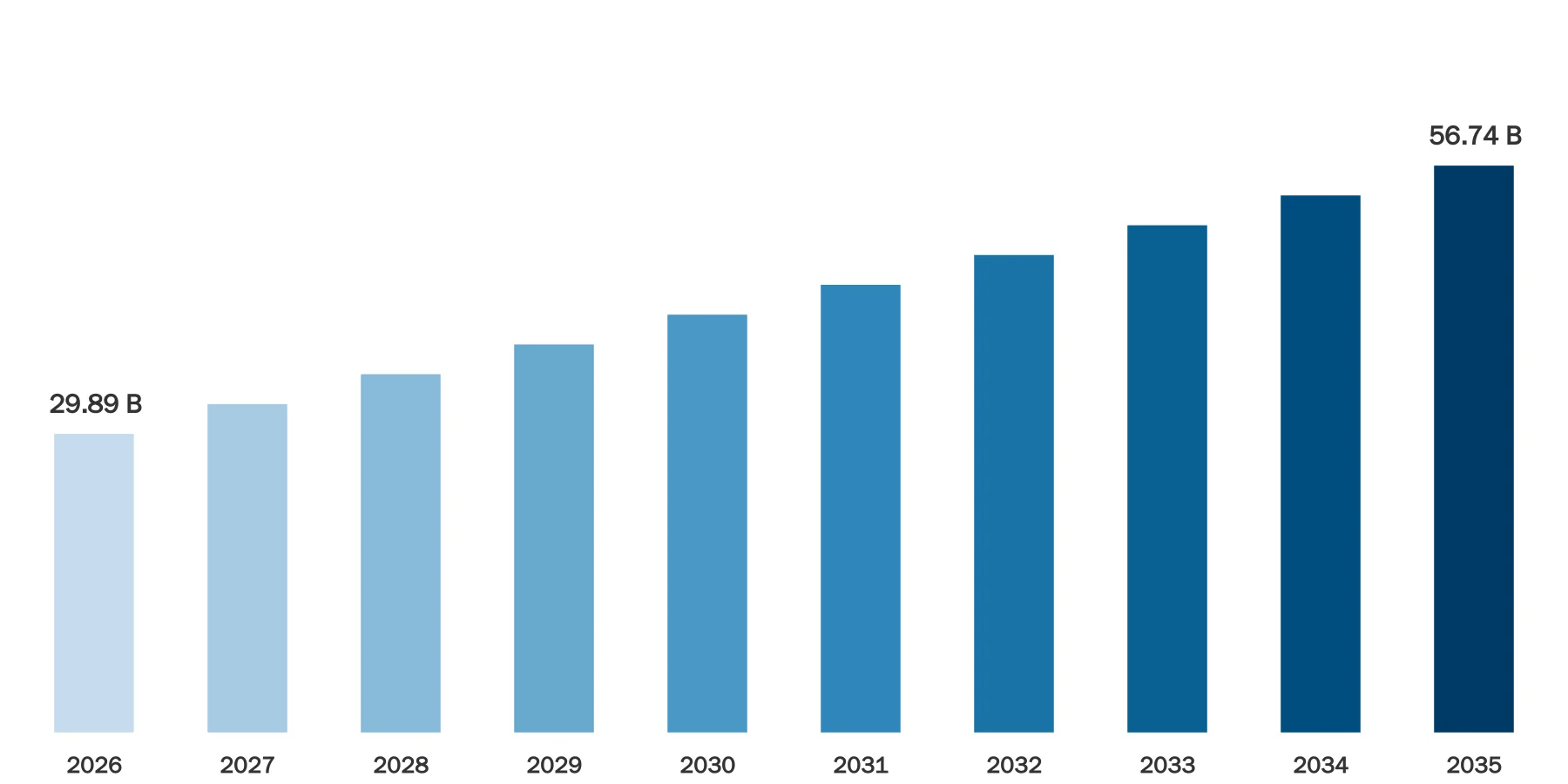
Source: Econ Market Research
Solvents are essential in various sectors like Paints and Coatings, pharmaceuticals, adhesives, and cleaning products. They facilitate processes such as mixing, dissolving, and dispersing materials. The market for solvents is influenced by factors like economic growth, environmental regulations, and technological advancements. In recent years, there has been a growing demand for eco-friendly solvents due to increasing environmental concerns. This shift has led to the development of bio-based and green solvents, which offer safer alternatives to traditional solvent chemicals. Additionally, the market is witnessing a trend towards solvent recycling and reuse to minimize waste and reduce environmental impact. However, challenges such as volatile raw material prices and regulatory restrictions on solvent emissions pose significant hurdles to market growth.
Solvents Dynamics
Economic growth and industrial activities play a crucial role, as solvents are integral to manufacturing processes across multiple sectors such as automotive, construction, and electronics. Fluctuations in economic conditions can affect the demand for solvents, with periods of growth driving higher consumption while economic downturns may lead to reduced demand. Additionally, regulatory policies regarding environmental standards and safety regulations have a significant impact on the market.
Stringent regulations aimed at reducing volatile organic compound (VOC) emissions and promoting sustainability drive the development and adoption of eco-friendly solvents. Technological advancements also influence market dynamics, as innovations in solvent formulations and production processes lead to improved performance, efficiency, and environmental friendliness. Moreover, changing consumer preferences towards greener and safer products drive the demand for bio-based and renewable solvents. Supply chain disruptions, geopolitical tensions, and raw material prices also affect market dynamics by influencing production costs and availability.
Solvents Drivers
Growing Industrial Activities
Global industrialization is growing, especially in emerging economies, and this is one of the main factors driving the solvents market. Solvents are essential to many production processes in the automotive, construction, electronics, and pharmaceutical industries. There will likely be a comparable increase in demand for solvents as these businesses grow. Additionally, the need for paints, coatings, adhesives, and other products dependent on solvents is increased by the fast urbanization and infrastructure development projects, which propels the market',s growth.
Regulatory Emphasis on Environmental Sustainability
The market for solvents is strongly driven by strict environmental rules that are intended to reduce harmful emissions and promote sustainable practices. Strict laws are being implemented by governments all over the world to restrict the use of hazardous air pollutants (HAPs) and volatile organic compounds (VOCs) found in conventional solvent formulations. Industry adoption of environmentally friendly solvents, such as water-based, green, and bio-based substitutes, is prompted by regulatory pressure. In addition to satisfying legal requirements, the move to greener solvents satisfies consumer desires for safer and more sustainable products, spurring innovation and market growth in this industry.
Solvents Restraints:
Volatile Raw Material Prices
The price swings of raw materials, especially those originating from petroleum-based feedstock, can have a significant impact on the solvents market. Solvent costs can fluctuate significantly in response to changes in the price of crude oil and supply disruptions brought on by natural disasters or geopolitical unrest. These variations affect production costs, profit margins, and investment decisions, posing difficulties for producers and end users. Furthermore, volatile raw material prices make it difficult to plan ahead and negotiate contracts, which limits market stability and growth.
Regulatory Constraints and Compliance Costs
The need for environmentally friendly solvents is fuelled by environmental legislation, but industry participants must also contend with the expenses of compliance and operating difficulties. To ensure compliance with safety rules and emission standards, meeting strict regulatory requirements frequently requires significant investments in R&,D, process modifications, and equipment upgrades.
Small and medium-sized businesses', (SMEs',) finances may be strained by these compliance expenditures, which may also prevent new competitors from entering the market. Further impeding market growth and innovation is the need to navigate complicated regulatory frameworks across multiple regions and countries, which increases administrative overhead and legal risks.
Solvents Opportunities:
Rising Demand for Bio-based and Green Solvents
Green and Bio-Based Solvents have an opportunity to succeed in the market due to consumers', growing awareness of and preference for sustainable and eco-friendly products. Bio-based solvents provide a sustainable substitute for petroleum-based solvents since they are made from renewable resources such waste materials, Biomass, and agricultural residues.
Similarly, green solvents are becoming more and more popular in a variety of industries due to their low toxicity, biodegradability, and minimal environmental effect. Manufacturers can take advantage of the growing demand for environmentally friendly solvents by investing in the research, development, and commercialization of bio-based and green solvent solutions, as sustainability becomes a crucial differentiator and selling feature for products.
Segment Overview
By Type
The solvents market encompasses various types of solvents, each serving distinct purposes across industries. Alcohols, including ethanol and isopropanol, offer versatility and are used in pharmaceuticals, cosmetics, and cleaning products. Hydrocarbons, derived from crude oil, such as mineral spirits, find applications in paints, coatings, and cleaning formulations. Ketones like acetone and MEK are valued for their fast evaporation and are commonly used in paints and adhesives.
Esters, such as ethyl acetate and butyl acetate, are known for their pleasant odour and are utilized in paints, coatings, and printing inks. Chlorinated solvents, like trichloroethylene, dissolve greases and oils but face regulatory scrutiny due to environmental concerns. Specialty solvents, including glycol ethers and terpenes, cater to niche markets with unique properties like high solvency or biodegradability.
By Application
Solvents play vital roles across industries, each with specific requirements. In paints and coatings, solvents act as carriers and aid in application and drying processes. Printing inks rely on solvents for dissolving colorants and controlling viscosity. Pharmaceuticals use solvents for extraction, formulation, and synthesis of active ingredients. Solvents are essential in cosmetics for dissolving ingredients and in adhesives for adjusting viscosity and aiding bonding processes. Additionally, solvents find diverse applications in cleaning, chemical synthesis, and specialty formulations, driving demand for tailored solvent solutions across various industries.
Solvents Overview by Region
In North America, stringent environmental regulations drive demand for eco-friendly solvents, leading to the development and adoption of bio-based and green solvent solutions. The region',s mature industrial sector, particularly in sectors like automotive, construction, and pharmaceuticals, sustains steady demand for solvents. Additionally, technological advancements and innovation contribute to market growth, with a focus on improving solvent performance and sustainability.
Europe, similarly, prioritizes environmental sustainability and regulatory compliance, leading to a shift towards eco-friendly solvents. Stringent regulations on volatile organic compound (VOC) emissions and hazardous air pollutants (HAPs) drive the adoption of bio-based, water-based, and low-VOC solvent alternatives across industries. Moreover, the region',s strong emphasis on research and development fosters innovation in solvent formulations and recycling technologies, further propelling market growth.
In Asia Pacific, rapid industrialization, urbanization, and infrastructure development fuel demand for solvents in sectors such as construction, automotive, and electronics. Emerging economies like China and India drive significant market growth, supported by robust manufacturing activities and increasing investments in infrastructure projects. However, regulatory compliance and environmental concerns pose challenges, necessitating the adoption of sustainable solvent solutions. Moreover, the region',s growing middle-class population and changing consumer preferences drive demand for cosmetics, pharmaceuticals, and other solvent-dependent products, further stimulating market expansion.
Solvents Market Competitive Landscape
Among the major players in the industry are Eastman Chemical Company, Dow Chemical Company, Exxon Mobil Corporation, BASF SE, and Shell Chemicals. To improve their market position and obtain a competitive edge, these businesses concentrate on strategic activities like collaborations, product innovations, and mergers and acquisitions.
The competitive landscape is heavily reliant on innovation, with businesses investing in R&,D to create innovative solvent formulas that satisfy changing customer demands and legal constraints. Furthermore, a greater focus on sustainability is propelling the creation and marketing of environmentally friendly solvents that come from renewable resources or have a smaller environmental effect. In order to reduce waste and improve resource efficiency and to strengthen their competitive position, businesses are also investing in solvent recycling and recovery technology.
Regional players and niche market participants also contribute to the competitive landscape, catering to specific market segments or geographic regions with specialized solvent solutions. These companies often differentiate themselves through product quality, technical expertise, and customer service. Additionally, partnerships and collaborations with end-users, distributors, and regulatory agencies enable companies to expand their market reach and address emerging market trends effectively.
Solvents Market Leading Companies:
INEOS
LyondellBasell Industries Holdings B.V.
Huntsman International LLC.
Shell Chemicals
Exxon Mobil Corporation
Solvay
BASF SE
Celanese Corporation
Dow
Eastman Chemical Company
Honeywell International Inc.
Solvents Recent Developments
Jan 2024, Syensqo has invested in Bioeutectics, a start-up specializing in the development of eco-friendly solvents. Through its venture capital fund, Syensqo aims to support the advancement of sustainable products and practices in the market.
Jan 2024, BYK Netherlands B.V. recently marked the commencement of construction for a cutting-edge factory in Deventer, the Netherlands. This new facility will specialize in producing solvent-based wax dispersions, replacing our current plant with state-of-the-art equipment. Our investment, amounting to tens of millions of euros, underscores our commitment to meeting both present and future customer needs, while adhering to evolving regulatory standards.
Solvents Report Segmentation
Solvents Market Report Scope & Segmentation
| Attributes | Details |
|---|---|
Market Size (Current) | US$ 29.89 Billion in 2026 |
Market Size (Forecast) | US$ 56.74 Billion in 2035 |
Growth Rate | CAGR of 7.38% from 2026 to 2035 |
Forecast Period | 2026 – 2035 |
Base Year | 2025 |
Historical Data Available | Yes |
Regional Scope | Global |
Segments Covered | By Source
By Type
By Application
|
Frequently Asked Questions
Common questions about this report
The study period covers historical insights and forecast projections for the period 2026-2035.
About the Author
Market research expert with years of industry experience

Related Reports
Explore more market insights from the same category