Scarves Market Overview
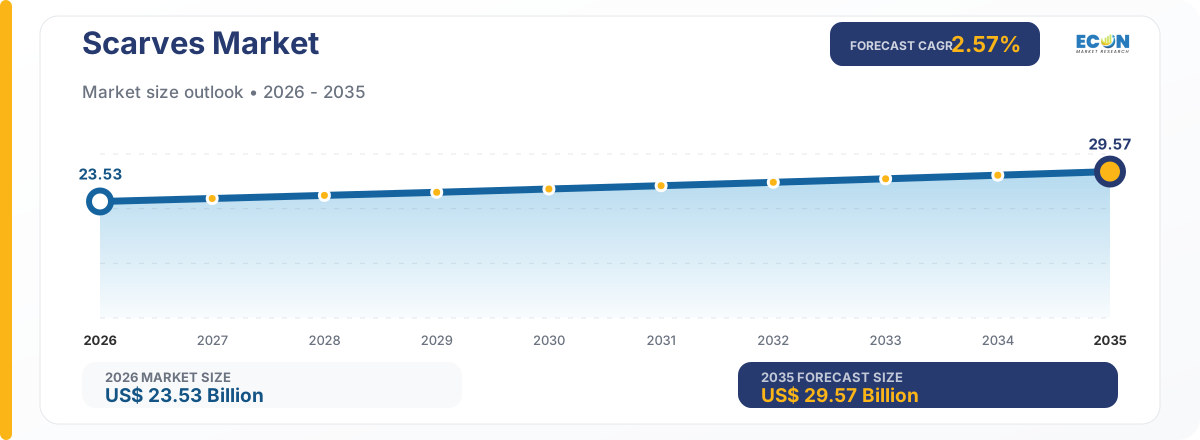
As per Econ Market Research analysis, the Global Scarves Market was valued at approximately US$ 23.53 Billion in 2026 and is predicted to reach US$ 29.57 Billion by 2035, expanding at a CAGR of 2.57% over the forecast duration. The base year is 2025.
Scarves are manufactured using several fabrics such as silk, cotton, wool, and other man-made fiber. Several types, sizes, and patterns of scarves are available in the market and are used for various purposes such as for safety from cold in winters, protection from deadly ultraviolet rays of the sun and also as a headband to get that stylish look. The scenario in the global market for scarves appears to attract more business as the years go by.
Scarves are not just a thing of utility, the product is witnessing a sharp rise in its popularity worldwide and is emerging as a most vital accessory in the apparel market. Retailers in the market are anticipated to come across new opportunities in the market that is likely to be materialized due to the various innovative designs that are invented by several market players along with the production of scarves using sustainable goods. The rise of online shopping will further prompt retailers to make their products available across the globe with the expansion of their clientele.
Dynamic Insights
One of the main propelling forces would be the ever-increasing consumer demand for fashionable accessories that scarves provide a vital taste-placating medium. The current fashion cycle requires different styles, patterns, and fabrics to be adopted by various types of scarves. Such cycles keep bringing new designs in existence every now and then. Growing awareness regarding sustainable and ethical fashion is ever urging brands to innovate with eco-friendly materials to appeal to increasingly eco-conscious shoppers.
The high costs of raw materials and stiff competition from both established and new brands can deter the growth of the market. Scarves have a seasonal effect on sales, where demand for scarves is highest during the colder months, thereby requiring brands to manage inventories effectively and develop marketing strategies that align with customer purchasing patterns. However, the emergence of e-commerce platforms has offered new opportunities for brands to connect with consumers and thus reach out to broader markets.
Drivers Insights
Rising Fashion Consciousness
Increasing consciousness and desire for fashion among consumers drive growth for many players in the global scarves market. Scarves have emerged as the most important accessories that people wear to complement different types of clothes as they wish to show off their style. The fashionists and social media influencers provide a substantial portion of trend-setting highlights, as they show how scarves can elevate a look. This had called for the variety of styles, colours, and fabrics to be introduced by various brands because of customers', preferences for novelty. An unceasing demand for a fresh design and trendy products has LED to increased product offerings and innovations, thus fuelling market growth.
Growing Popularity of Sustainable Fashion
In recent times, consumers have started taking notice of environmental issues and are inclined towards the notion of sustainable and ethically produced fashion items. Therefore, there exists an increasing demand for scarves made of recyclable and eco-friendly materials, such as organic cotton, recycled materials, and sustainable silk. Restoration of brand image and loyalty requires brands sensitive to the environment to be able to develop sustainable practices in manufacturing and sourcing. That practice is increasingly becoming a core differentiator in the market, which is directly correlating with sales growth and increase in market share for companies that conform with such values.
Restraints Insights
Fluctuating Raw Material Prices
The scarves market is often affected by the volatility of raw material prices, which can impact production costs and profit margins. For instance, prices of natural fibers like silk and wool can fluctuate due to changes in supply and demand, geopolitical factors, and climate conditions. When production costs rise, brands may either pass these costs onto consumers or absorb them, both of which can affect sales. This price sensitivity can lead to challenges in maintaining competitive pricing, potentially hindering market growth.
Seasonality of Demand
The demand for scarves is often seasonal, peaking during colder months or specific fashion seasons. This seasonality can create inventory management challenges for brands, as they must balance production and stock levels to avoid overproduction or stockouts. Furthermore, brands may experience fluctuations in revenue, making it difficult to sustain consistent growth throughout the year. Companies must develop strategic marketing and sales initiatives to manage seasonal trends effectively, which can add complexity to their operations.
Opportunities Insights
Expansion of E-commerce Channels
The rise of e-commerce presents a significant opportunity for the global scarves market. With more consumers preferring online shopping for convenience and variety, brands can reach a broader audience without the constraints of physical retail spaces. Developing robust online platforms, leveraging social media for marketing, and offering personalized shopping experiences can help brands enhance visibility and drive sales. Additionally, the growing trend of direct-to-consumer (DTC) models allows brands to build strong customer relationships and gather valuable data on consumer preferences, leading to more targeted marketing strategies.
Segment Analysis
By Material Type
The material type segment of the global scarves market encompasses various fabric options, including silk, satin, cotton, wool, and blends. Silk scarves are renowned for their luxurious feel and vibrant prints, making them popular for high-end fashion and formal occasions. Satin offers a similar sheen and softness but at a more accessible price point, appealing to a broader audience.
Cotton scarves, known for their breathability and versatility, are ideal for casual wear and are often favoured in warmer climates. Wool and wool blends provide warmth, making them preferred choices during colder seasons. The others category includes synthetic materials and blends, catering to diverse consumer preferences for durability, affordability, and functionality. This variety in materials allows consumers to choose scarves that meet their specific needs, whether for style, comfort, or practicality.
By End-User
The global scarves market is divided into three segments, namely the unisex, men',s, and women',s segments. Unisex scarves are designed to enchant people with various styles that can be worn by any gender. The universality in design brings about an increased acceptance towards gender-neutral designs that must focus on functionality and style.
Men wear scarves that are generally dull in colors and patterns, with a focus on long-lasting protection from weather changes and with warmth, this is a growing market that values fashion alongside practicality. Conversely, scarves for women show a wider range of fabric, color, and style to reflect the wider tastes in women',s fashion. This categorization reflects an understanding of the understated differences among user groups, thereby enabling some brands to position their products along the above-mentioned segment lines.
By Distribution Channel
Distribution such as specialized stores, online retailing, and others fall within the segments of the tapestry market. Products sold in specialty stores are typically presented to their customers in these outlets, they are usually characterized by exclusive designs paired with luxurious fabric to appeal to style-oriented individuals. These stores provide a personalized shopping environment with profession-friendly advice to help develop loyalty in the customers.
Online retailing, meanwhile, has gained remarkable momentum as it provides a major convenience for consumers. E-commerce platforms allow brands to showcase many varieties of scarves and provide an opportunity to compare prices and access a global audience. The ",others", category may include department stores, pop-up shops, or market stalls providing consumers with reasonable quality at affordable prices. This multi-channel distribution system allows brands great reach while coping well with changing consumer shopping behaviour, thereby maximizing sales opportunities in the global tapestry market.
Regional Analysis
The major markets are North America and Europe, both recognized for an acute sense of fashion and demand for luxury and designer scarves. Here, consumers wish for unique styles and high-quality materials, with silk and wool scarves being good sellers. The growth of sales credited with providing various forms of personal expression through fashion, the pivotal role that e-commerce plays in broadening the leaders of the market.
Asia- Pacific is witnessing phenomenal growth in the scarves market due to rising disposable incomes and changing patterns of living. Wearing scarves is part of a culture in some countries of the Asia Pacific, which translates onward into modern fashion trends in countries like China and India. A traditional and modern style dictates increased production and innovation within the market.
The Middle East and Africa provide specific opportunities, where scarves are typically worn with traditional attire and there is a great demand for lightweight and versatile scarves fit for any climate. Similarly, in Latin America, though smaller as compared to other regions, there is also growth, as many consumers are now also beginning to accept fashion accessories into their general wear.
Competitive Landscape
Major fashion houses, luxury brands, and Fast Fashion retailers significantly use strong brand equity and huge distributional networks in the market. For instance, Hermè,s, Gucci, and Burberry are famous companies for their conventional silk scarves that people take as status symbols with high-end consumers. Brands do innovative designs, premium materials, and very limited edition for maintaining exclusivity and attract fashion-conscious customers.
On the contrary, fast-fashion retailers such as Zara, H&,M, and ASOS have had much success as they offer reasonably priced trendy scarves appealing to the masses. However, the retailers', ease in adopting rapid fashion trends and consumer preferences has really taken them up a notch in a competitive landscape. The advent of e-retailers and e-commerce sites also includes Amazon and Etsy, which has changed the pattern of scarf shopping for consumers. This means there is stronger competition because more traditional retailers have to create an online platform and interact with the target customers using digital marketing tools.
List of Key Players:
Kering
Ralph Lauren Corporation
Burberry Group plc
H &, M Hennes &, Mauritz AB
LVMH Group
Dolce &, Gabbana S.r.l.
Etro S.p.A.
CHANEL Limited
PVH Corp.
Louis Vuitton Malletier SAS
Gucci S.p.A.
Recent Developments:
March 2024, Burberry has unveiled a new collection of scarves and trench coats in collaboration with Highgrove Gardens, the beloved private estate of His Majesty King Charles III and Queen Camilla. This collection represents the third partnership between Burberry and Highgrove, celebrating the dedicated efforts of King Charles III and The King&rsquo,s Foundation, the charity established by His Majesty that oversees Highgrove Gardens. The foundation also provides courses focused on traditional craft skills at the site.
Global Scarves Report Segmentation:
Scarves Market Report Scope & Segmentation
| Attributes | Details |
|---|---|
| Market Size (Current)Current market valuation | US$ 23.53 Billion in 2026 |
| Market Size (Forecast)Projected market valuation | US$ 29.57 Billion in 2035 |
| Growth RateCompound Annual Growth Rate | CAGR of 2.57% from 2026 to 2035 |
| Forecast PeriodAnalysis timeline | 2026 – 2035 |
| Base YearReference year for analysis | 2025 |
| Historical Data AvailablePast market data availability | Yes |
| Regional ScopeGeographical coverage | Global |
| Segments CoveredMarket segments analyzed | By Material
By Gender
By Distribution Channel
|
Frequently Asked Questions
Common questions about this report
The study period covers historical insights and forecast projections for the period 2026-2035.
About the Author
Market research expert with years of industry experience