Potato and Yam Derivatives Market Overview
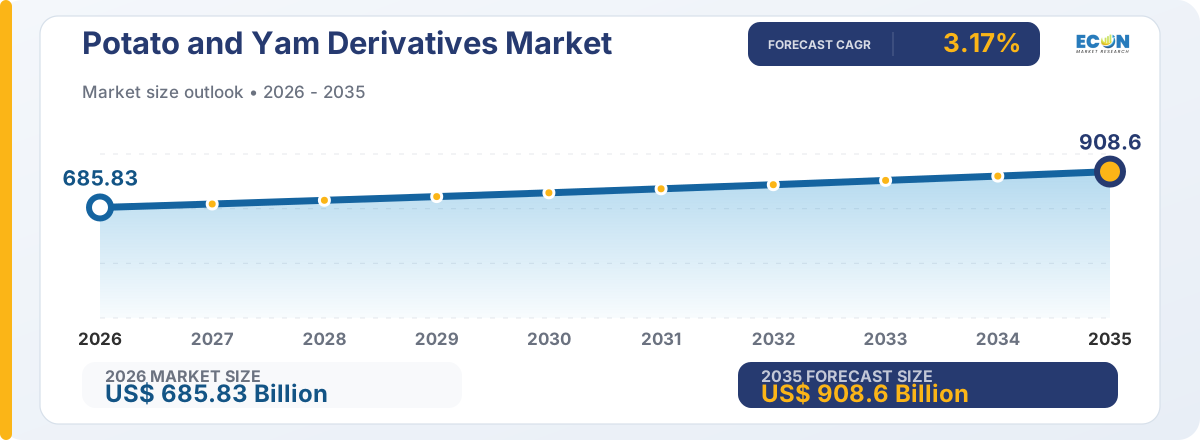
As per Econ Market Research analysis, Global Potato and Yam Derivatives Market size stood at US$ 685.83 Billion in 2026 and is projected to reach US$ 908.6 Billion by 2035, growing at a CAGR of 3.17% over the forecast period 2026–2035. 2025 is taken as the base year.
A diverse range of goods derived from potatoes and yams are included in the market for potato and yam derivatives, which is a vibrant subsegment of the worldwide agriculture and food business. Because they are widely farmed and eaten as staple crops, yams and potatoes are essential to ensuring the safety of the world',s food supply. The need for convenient and value-added food items has expanded, customer preferences have changed over time, and the adaptability of these crops in different culinary contexts has all contributed to the market expansion for potato and yam derivatives.
While yam derivatives include yam flour, yam chips, and other processed forms, potato derivatives include things like potato chips, fries, flakes, starch, and more. Population growth, urbanization, and the proliferation of fast-food chains are all factors that have an impact on this market and have contributed to the increased consumption of processed potato and yam products. Furthermore, the rise of the health-conscious consumer trend has sparked the creation of better derivatives such as baked chips and gluten-free yam flour. Furthermore, geographical preferences and production capacities have an impact on the market for potato and yam derivatives. Major players in this sector include North America, Europe, and Asia-Pacific. This market is anticipated to adapt and expand as customer expectations change and technology develops, providing a variety of cutting-edge, practical, and wholesome potato and yam-based products to consumers around the world.
Potato and Yam Derivatives Dynamics
The market for potato and yam derivatives is characterized by a complex interaction of variables that profoundly affect its development and tendencies. The market has been driven by shifting customer lifestyles and desires. The demand for processed potato and yam products like chips, fries, and flour has increased as people look for quick and easy meals. Additionally, as customers become more aware of nutritional issues, the health and wellness trend has resulted in a shift towards healthier derivatives like baked potato chips and gluten-free yam flour.
Urbanization and population growth around the world have been major factors in the market',s expansion since they have boosted the consumption of fast food and processed goods, which frequently contain vital ingredients derived from potatoes and yams. Market dynamics are also influenced by regional considerations. For instance, processed potato markets are well-established in North America and Europe, whereas Asia-Pacific is expanding quickly due to its vast population and shifting nutritional preferences.
Agricultural aspects of the market, such as crop yields, climatic conditions, and logistics of the supply chain, can also have an impact on the availability and cost of raw potatoes and yams. The sector is constantly changing as a result of advancements in packaging, processing technology, and marketing tactics. The Potato and Yam Derivatives Market is a dynamic and adaptable sector within the larger food industry due to changing customer tastes, urbanization, regional variances, and technological improvements.
Potato and Yam Derivatives Market Drivers
Increasing Health Consciousness and Demand for Natural Ingredients
As consumers become more aware of the direct link between diet and wellbeing, they are increasingly looking for healthier and more nutritious options, which is what is primarily driving this trend. The emphasis on nutritional transparency is one of this driver',s important components. More than ever, consumers are aware of the nutritional value of the foods they eat. They carefully read ingredient lists, seeking out pure, natural components and avoiding those that include artificial additions, preservatives, or excessive amounts of sugar or fat.
Food producers have been pushed to reformulate their products in response to the desire for transparency, adding natural ingredients that suit health-conscious tastes. Superfoods and functional foods also have a part to play. Foods that go beyond providing basic nourishment for health are becoming more and more popular with consumers. Ingredients like sweet potatoes, quinoa, and chia seeds have gained popularity due to their inherent health-promoting properties. Consequently, there is a surge in the development and marketing of products featuring these natural, nutrient-rich ingredients.
Expanding Global Population Leading to Increased Food Demand
The strain on agricultural systems to produce more food to suit the dietary needs of an ever-increasing population is increased by demographic expansion. Growing urbanization and economic levels, particularly in emerging nations, are correlated with rising population numbers and result in changes in food choices. As people',s wealth increases, so does their ability to purchase a more varied and frequently resource-intensive diet, which may include consuming more processed foods and animal-based proteins. Food demand is further increased by this change. More people rely on commercial food sources and distribution networks as a result of the fast movement from rural to urban regions, which increases the demand for effective food supply and production chains. Collectively, these factors underscore the urgent need for sustainable agricultural practices, technological innovations, and international cooperation.
Restraints:
Seasonal and Weather-Related Fluctuations
As seasonal crops, potatoes and yams are only grown and harvested at particular times of the year. Due to this periodicity, there may be times when the market is both oversupplied and undersupplied. There may be a surplus of raw materials during the busiest harvest times, which could result in lower pricing and have an impact on the profitability of growers and processors of potatoes and yams. In contrast, shortages during off-seasons may occur, leading to price rises and significant supply chain disruptions. Potato and yam harvests are highly dependent on the weather. Extreme weather conditions like frosts, droughts, or excessive rainfall can harm crops, lower yields, and affect the quality of produced tubers.
Supply Chain Disruptions
Delays in the transportation of potatoes, yams, and their derivatives can occur due to various factors, including congestion at ports, inadequate infrastructure, and transportation strikes. These bottlenecks can lead to increased lead times, reduced product availability, and higher transportation costs. The agriculture and food processing sectors often rely on seasonal labor for planting, harvesting, and processing activities. Labor shortages, whether due to immigration policies, seasonal labor fluctuations, or unforeseen events like pandemics, can disrupt production schedules and hinder the timely processing of potatoes and yams. Ensuring the smooth flow of products from farms to processing facilities and then to distribution centers and retailers is essential. Logistical challenges, such as inefficient routes, inadequate warehousing, and lack of cold storage facilities, can lead to spoilage, product wastage, and increased costs.
Opportunities:
Gluten-Free and Allergen-Free Products
An increasing number of consumers are looking for safe and allergen-free food options as a result of the rise in gluten sensitivity, celiac disease, and allergies to common foods like wheat, soy, dairy, and nuts. These customers are actively seeking out goods that satisfy their dietary requirements without sacrificing flavor or quality. Even if they don',t have allergies or sensitivities that have been officially identified, the health and wellness movement has persuaded more people to choose gluten-free and allergen-free diets as a lifestyle choice. These diets are seen by them as healthier alternatives, giving producers a chance to promote their goods as such. Innovation in ingredient sourcing and product development has been sparked by consumer demand for gluten- and allergen-free products. Manufacturers are exploring alternative flours, starches, and plant-based ingredients to create gluten-free and allergen-free versions of traditional foods, from bread and pasta to snacks and desserts.
Rising Popularity of Plant-based Diets
A plant-based diet has many advantages, including a lower consumption of saturated fat and cholesterol, more fiber, and a lower chance of developing some chronic diseases. These health benefits have increased demand for traditional animal-derived items made from plants, such as plant-based meats, dairy-free substitutes, and sources of protein without meat like tofu and lentils. More consumers are switching to plant-based diets, which emphasize plant-based meals while limiting or excluding animal products. This change is brought about by a greater understanding of the health advantages of lowering meat intake, worries about the effects of animal agriculture on the environment, and ethical considerations regarding animal welfare.
Segment Overview
By Source
Based on the source, the global potato and yam derivatives market is divided into potato, sweet potato, and yam. The potato category dominates the market with the largest revenue share of around 52% in 2022. Potatoes are a staple crop with a wide range of derivatives that include familiar products such as potato chips, French fries, mashed potatoes, and potato starch. The potato derivatives market is characterized by its versatility and widespread popularity in various culinary applications. Potatoes are valued for their taste, texture, and adaptability, making them a key ingredient in a diverse array of savory and snack foods.
Sweet potatoes have gained increasing popularity in recent years due to their perceived health benefits and unique flavor profile. Sweet potato derivatives encompass products like sweet potato fries, chips, pie fillings, and even gluten-free sweet potato flour. The market for sweet potato derivatives reflects the growing demand for healthier and more natural ingredients, as these tubers are rich in nutrients, including vitamins, fiber, and antioxidants. Yams are a starchy root vegetable widely consumed in various parts of the world, particularly in Africa, Asia, and the Caribbean. Yam derivatives consist of products like yam flour, yam chips, and yam-based dishes.
By Derivative
Based on the derivative, the global potato and yam derivatives market is categorized into whole, protein, starch, tapioca, flour, feed, and others. The starch category leads the global potato and yam derivatives market with the largest revenue share of around 34% in 2022. Starch derivatives play a crucial role in food processing and manufacturing. They are used as thickeners, stabilizers, and texturizing agents in a wide range of food products, including soups, sauces, bakery items, and more. Tapioca, derived from cassava roots (a related plant), is a distinct category within this market.
Tapioca pearls, flour, and other tapioca-based products are utilized in desserts, bubble tea, and various culinary applications. Protein derivatives from potatoes, sweet potatoes, and yams encompass products like meat alternatives and plant-based protein sources. These derivatives are used in the development of vegetarian and vegan products, catering to the growing demand for plant-based diets. Potato, sweet potato, and yam flour derivatives are versatile ingredients used in baking, as well as for thickening soups and gravies. These flours can be gluten-free and are a suitable option for individuals with dietary restrictions.
By Application
Based on application, the global potato and yam derivatives market is segmented into food, animal feed, fermented beverages, and others. The food segment dominates the potato and yam derivatives market. The food segment encompasses a wide array of derivatives from these tubers, including potato chips, fries, mashed potatoes, sweet potato pies, yam-based dishes, and more. These derivatives are popular for their taste, texture, and culinary versatility, serving as key ingredients in a broad range of savory and sweet dishes.
Potato, sweet potato, and yam derivatives can also be processed into animal feed, primarily for livestock. These derivatives provide a source of nutrition for animals and are often used in the agriculture and livestock industries to support healthy growth and production. Fermented beverages category includes derivatives used in the production of fermented beverages, such as alcoholic beverages or non-alcoholic drinks like sweet potato-based beverages. These derivatives may serve as ingredients or substrates in the fermentation process, contributing to the flavor, aroma, and nutritional profile of the final product.
Potato and Yam Derivatives Overview by Region
The global potato and yam derivatives market is categorized into North America, Europe, Asia-Pacific, and the Rest of the World. Europe emerged as the leading region, capturing approximately 41% of the market share in 2022. In a wide variety of dishes, Europe',s rich culinary heritage uses potatoes, sweet potatoes, and yams. These tubers are deeply ingrained in cultural significance across the continent, which sustains consistent demand. Examples include traditional French fries and Belgian waffles, as well as Spanish tortillas and Eastern European potato dumplings.
The extensive manufacture and consumption of potato- and sweet potato-based snacks, including chips and crisps, is a result of Europe',s significant position in the processed food sector. The market has grown as a result of consumer demand for quick and savory snacks and the region',s well-established snack food industry. Health-conscious consumers in Europe are looking for healthier options for classic foods and products. This has fueled the demand for healthier options, including gluten-free and organic potato and sweet potato derivatives, aligning with European consumers', preferences for quality and nutrition. Europe',s commitment to sustainable agriculture and responsible sourcing has encouraged the development of eco-friendly practices in potato and tuber cultivation and processing. This aligns with the region's emphasis on environmental responsibility and ethical sourcing, resonating with environmentally conscious consumers.
Competitive Landscape
In the global potato and yam derivatives market, a few major players exert significant market dominance and have established a strong regional presence. These leading companies remain committed to continuous research and development endeavors and actively engage in strategic growth initiatives, including product development, launches, joint ventures, and partnerships. By pursuing these strategies, these companies aim to strengthen their market position, expand their customer base, and capture a substantial share of the market.
Key Players
Pepees S.A.
AGRANA Beteiligungs-AG
Tate & Lyle PLC
Royal Avebe U.A.
Tereos Group
Ingredion Incorporated
Emsland Group
OLU Foods Pvt. Ltd.
Basic American Foods, Inc.
Roquette Frères
Keystone Potato Products, LLC
Rakusen’s Ltd.
KMC Kartoffelmelcentralen a.m.b.a.
Agristo N.V.
Lamb Weston Holdings, Inc.
Recent Developments
In February 2023, A.V. Thomas Produce Inc. and Yagi Bros. Produce, one of the first growers, packers, and shippers of sweet potatoes in California, agreed into a binding merger agreement. Its position as a grower-packer-shipper in California will be strengthened even more as a result of this merger with Yagi Bros. Along with the existing production and operations capabilities, farming land, and storage capacity, Yagi Bros. Produce',s experienced team, acreage, and proprietary varieties will offer new and existing clients superior product availability.
Potato and Yam Derivatives Market Report Scope & Segmentation
| Attributes | Details |
|---|---|
| Market Size (Current)Current market valuation | US$ 685.83 Billion in 2026 |
| Market Size (Forecast)Projected market valuation | US$ 908.6 Billion in 2035 |
| Growth RateCompound Annual Growth Rate | CAGR of 3.17% from 2026 to 2035 |
| Forecast PeriodAnalysis timeline | 2026 – 2035 |
| Base YearReference year for analysis | 2025 |
| Historical Data AvailablePast market data availability | Yes |
| Regional ScopeGeographical coverage | Global |
| Segments CoveredMarket segments analyzed | By Type
By Application
By Source
By Distribution Channel
|
Leading companies covered in this report
- Agrana Beteiligungs
- Tate and Lyle
- Avebe
- Tereos
- Ingredion
- Roquette
- Emsland Group
- Pepees S.A.
- Basic American Foods
Frequently Asked Questions
Common questions about this report
The study period covers historical insights and forecast projections for the period 2026-2035.
About the Author
Market research expert with years of industry experience

Dipali Bhingare serves as the Market Research Director at Econ Market Research. With a focus on translating complex global economic shifts into actionable business intelligence, she oversees the strategic direction of comprehensive market studies. Her work empowers organizations to navigate volatile industries through data-driven forecasting and deep-dive competitive analysis.