Plantain Chip Market Overview
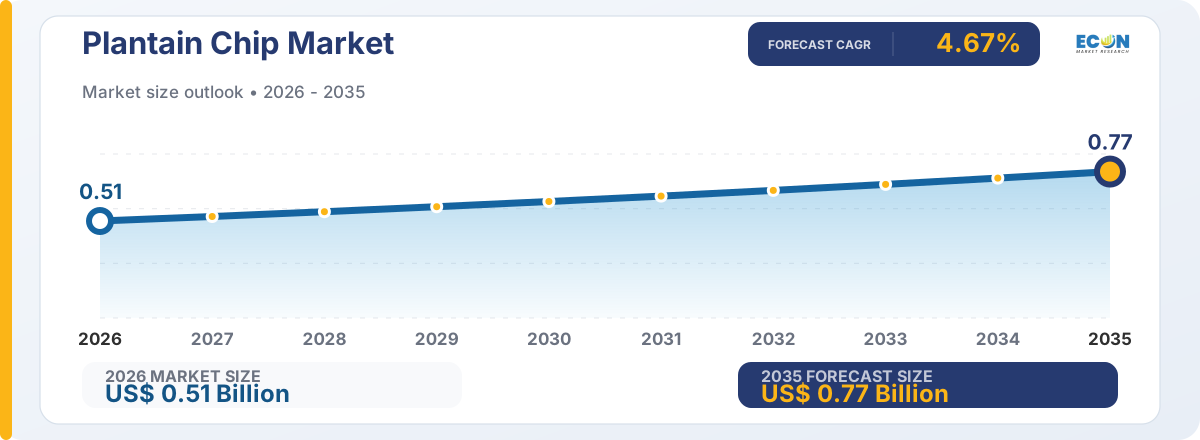
As per Econ Market Research analysis, the Global Plantain Chip Market valuation stood at US$ 0.51 Billion in 2026 and is expected to reach US$ 0.77 Billion by 2035, growing at a steady CAGR of 4.67% from 2026 to 2035. 2025 serves as the base year.
Plantain chips are made by slicing plantains thinly and frying them until they become crisp. They are a favourite snack because not only are they delicious, but they are also healthier than the potato chips, considering their nutritional content. They contain vitamins, Minerals, and fiber, making them an excellent choice for consumers who look for healthy snacks. The market for plantain chips has been growing steadily because of increasing consumer demand for healthier and more natural snack options.
This growth is driven by factors such as increased awareness of the health benefits of plantains, their versatility in flavor combinations, and the convenience of packaged snacks. More recently, plantain chips gained popularity in regions, particularly Africa, Latin America, and the Caribbean, where plantains have often been part of the staple food. In addition, an increasing number of consumers today embrace plant-based diets and gluten-free diets, which results in market growth. As the interest in a healthier snack alternative continues to grow, the plantain chip market will continue to expand in the next years.
Dynamic Insights
One of the main drivers is the desire for healthier snack options. Increasingly, the health-consciousness of consumers creates a demand for products that appear healthier than the more established snacks such as potato chips. The high concentration of vitamins, fiber, and nutrients in plantain chips makes it an attractive choice, hence a contributing factor to increased popularity. More importantly, the trend of plant-based, gluten-free, and low-fat diets is growing, expanding the market further because plantain chips fit into those diets.
Another important factor is the increasing demand for ethnic and exotic foods. Plantains are consumed in tropical and subtropical regions, mainly in Africa, Latin America, and the Caribbean, and their demand in global markets is increasing as more people look to taste different cuisines. The increase in retail channels, such as supermarkets, online, and specialty stores, has also increased access to plantain chips, which in turn has fueled consumer demand. However, the market also faces challenges such as fluctuations in prices because of the seasonal nature of plantains and competition from other snack products.
Drivers Insights
Health-Conscious Consumer Preferences:
With the growing awareness of health and wellness, consumers are increasingly seeking healthier snack options. Plantain chips, compared to traditional potato chips, are often perceived as a healthier alternative because they are rich in fiber, vitamins, and minerals. Additionally, plantain chips are naturally gluten-free, low in fat, and do not contain artificial additives, making them an attractive choice for consumers following plant-based or gluten-free diets. As health-conscious eating habits continue to rise globally, plantain chips are poised to capitalize on this demand, particularly in markets where consumers are actively reducing their intake of processed and unhealthy snacks.
Growing Popularity of Ethnic and Exotic Snacks:
As the world becomes more interconnected, there is increasing interest in diverse and ethnic foods. Plantain chips, which are popular in regions like Africa, Latin America, and the Caribbean, are being embraced by consumers worldwide looking for new and unique flavors. The growing trend of exploring international snacks and cuisines offers an opportunity for plantain chips to expand beyond traditional markets. As people seek more variety and authenticity in their snack choices, the demand for plantain chips is increasing, making it a driver for market growth.
Restraints Insights
Price Fluctuations and Supply Chain Challenges:
Plantains are highly sensitive to weather conditions and seasons, which makes them susceptible to price volatility. The fluctuation in the price of raw plantains can impact the cost of manufacturing plantain chips. In regions where plantains are not grown locally, the cost of importing them can further drive up the price. This makes the production of plantain chips more expensive, and in turn, these higher costs may be passed on to consumers, making the product less competitive compared to other cheaper snack options. This price volatility presents a significant challenge for manufacturers in maintaining consistent product pricing and profit margins.
Competition from Other Snack Products:
The plantain chip market faces stiff competition from other established snack products like potato chips, Tortilla chips, and snacks made from other fruits and vegetables. These alternatives are often more widely recognized and available across global markets, making it challenging for plantain chips to differentiate themselves. In addition, the relatively higher cost of plantain chips compared to traditional snacks can deter price-sensitive consumers. As a result, unless manufacturers can find ways to offer plantain chips at a competitive price without compromising on quality, this competition remains a significant restraint for market growth.
Opportunities Insights
Product Innovation and New Flavors:
The plantain chip market also holds significant potential in product innovation. Manufacturers can explore new flavors, textures, and packaging formats to attract a wider range of consumers. For instance, offering a variety of flavored plantain chips, such as spicy, tangy, or savory varieties, can increase consumer interest and loyalty. Additionally, innovation in packaging, such as eco-friendly and convenient single-serve options, can appeal to on-the-go consumers. These innovations can create differentiation in a competitive snack market, providing a growth opportunity for companies looking to cater to changing consumer preferences and tastes.
Segment Analysis
By Product Type:
Based on the product type, the market can be segmented as follows: the product types include traditional plantain chips, flavored plantain chips, organic plantain chips, sweetened plantain chips, and baked plantain chips. Traditional plantain chips is the classic one made from the sliced and fried plantains. This way of producing flavor contains spicy, cheese, BBQ for those in their search to make new varied flavours that match in consumers with regard to higher sales of flavoured plantain crisps, otherwise, a greater number prefer health-conscious consumers alongside saving the Earth along with purchasing purely organic-produced, non-genetic, nontoxic-chemistry, no-cad pesticides crops of organically grown plantain chips. Sweetened plantain chips, dusted with sugar or syrup, are a sweeter alternative for those who crave a different snack experience. Finally, baked plantain chips, baked instead of fried, appeal to consumers who want a lower-fat snack option while maintaining the crunchy texture and flavor of traditional chips.
By Distribution Channel:
The plantain chip market is divided into offline retail, online retail, and other distribution channels. Offline retail includes supermarkets, hypermarkets, and convenience stores, which remain the primary point of sale for plantain chips. These retail outlets allow consumers to physically browse and purchase chips, providing a traditional shopping experience.
Online retail, on the other hand, has seen substantial growth, particularly with the rise of e-commerce platforms and home delivery services. Online shopping provides convenience, easy comparison of brands and prices, and access to a wide variety of plantain chip products, including those not available in local stores. The shift towards online retail is driven by increasing digitalization and changing consumer shopping habits.
By End-User:
The end-users of plantain chips are categorized into individual consumers, the foodservice industry, and institutional consumers. Individual consumers are the most significant group in this category and are mainly based on household consumption, where they buy plantain chips for individual snacking requirements. This end-user is largely influenced by growing health-conscious and diverse snacking habits. The other important end-user is the foodservice industry, which comprises restaurants, hotels, and Fast Food chains.
These establishments often include plantain chips in their menus as side dishes, snacks, or part of larger meal offerings, responding to the demand for healthier or more exotic alternatives to traditional potato chips. Finally, institutional consumers, such as catering services, schools, and hospitals, make bulk purchases of plantain chips, often as part of meal plans or snack offerings in institutional settings.
Regional Analysis
Markets are established in the Latin American and Caribbean region. High local demand keeps the demand growing. Colombian, Venezuelan, and Dominican plantain consumers follow a long-established tradition of high plantain utilization, and snacks, such as plantain chips, complete a balanced diet and offer a nutritious choice. The strong cultural affinity for plantains in this region has led to a robust market for both traditional and flavored plantain chips. In addition to this, rising interest in healthy snacks among the Latin American population is furthering the growth in the market.
This snack item is mainly a staple crop, especially in places like Nigeria, Ghana, and Cameroon. Increased plantain chips availability is due to the shift of consumer preferences in their respective countries toward a healthier alternative instead of the traditionally consumed snacks products, which the region is undergoing due to higher health consciousness, and the fast-growing urban population is also contributing factors to the demand for this plantain chip market.
While not deeply rooted in the local cuisines of North America and Europe, demand has been on the rise as interest in ethnic and exotic snacks continues to grow. Consumers in these regions are becoming more adventurous in their snacking habits and attracted to plantain chips because of their unique taste and perceived health benefits. The availability of plantain chips in both traditional retail outlets and online stores is also increasing, which further supports the market.
Competitive Landscape
Some of the major players in the market are well-known snack companies that have entered the plantain chip segment to cash in on the growing demand for healthier snack alternatives. The companies often compete on factors such as product quality, flavor variety, pricing, and distribution reach. For instance, major snack food companies like PepsiCo and Mondelez International are broadening their portfolios into plantain chips, taking their existing distribution platforms and brand strengths to the store shelves of many mainstream retailers.
Beside these global champions, smaller regional and niche players make their entry into the game, focusing on aspects such as organic or gluten-free plantain chips, to health-conscious and eco-aware consumers. These firms mainly differentiate through innovation in the product, novel flavors, and higher quality. Regional players, in tropical and subtropical areas where plantains are grown abundantly, also compete by selling authentic products, which are locally sourced, drawing upon cultural affinity with the snack.
This, added with the rise in e-commerce, increased competition among brands, because they were not only competing in the physical shelf space but also in the online virtual shelf space, where smaller brands could reach a global market. The movement to selling through the internet forced companies to devise innovative packaging with reasonable price points.
List of Key Players
Arca Continental
CHIKA',S
Soldanza
Grace Foods
Chifles Chips
Ara Food Corporation
Olu Olu
BMAC Foods
Sunmo
Recent Developments
In June 2024, Upcycling pioneer Barnana PBC, recognized as the leading organic plantain chip brand in the natural channel, has announced the national retail debut of its first Upcycled Certified®, product &ndash, Organic Plantain Scoops made with the peel. These will be available in select Whole Foods Market locations nationwide. To celebrate this milestone, Barnana will showcase its new Organic Plantain Scoops at the 2023 Summer Fancy Food Show in the Upcycled Food Pavilion (Level 1, Booth #5123). This launch highlights Barnana',s ongoing commitment to combat food waste by sourcing upcycled plantains and reducing byproduct waste.
Global Plantain Chip Report Segmentation
Plantain Chip Market Report Scope & Segmentation
| Attributes | Details |
|---|---|
| Market Size (Current)Current market valuation | US$ 0.51 Billion in 2026 |
| Market Size (Forecast)Projected market valuation | US$ 0.77 Billion in 2035 |
| Growth RateCompound Annual Growth Rate | CAGR of 4.67% from 2026 to 2035 |
| Forecast PeriodAnalysis timeline | 2026 – 2035 |
| Base YearReference year for analysis | 2025 |
| Historical Data AvailablePast market data availability | Yes |
| Regional ScopeGeographical coverage | Global |
| Segments CoveredMarket segments analyzed | By Product Form
By Flavor
By Distribution Channel
|
Leading companies covered in this report
- Goya Foods
- Inka Crops
- Turbana
- Samai
- San Nicasio
- Platanos
- Artisan Tropic
Frequently Asked Questions
Common questions about this report
The study period covers historical insights and forecast projections for the period 2026-2035.
About the Author
Market research expert with years of industry experience