

Plant-Based Egg Market
Plant-Based Egg Market Size, Share, Trends, Growth, and Industry Analysis, By Product Type (Full Egg, White Egg, Egg Yolk), By Form (Liquid, Powder), By Source (Legume, Algal Flour, Soy, Chia Seeds), By Distribution Channel (Retail, Foodservice), Regional Analysis and Forecast Period 2026-2035
Market Overview
As per Econ Market Research analysis, the Global Plant-Based Egg Market was valued at US$ 0.18 Billion in 2026 and is expected to reach US$ 0.31 Billion by 2035, registering a CAGR of 6.3% during the forecast period 2026–2035. The base year considered is 2025.
Plant-Based Egg Market Size 2025-2035 (USD Billion)

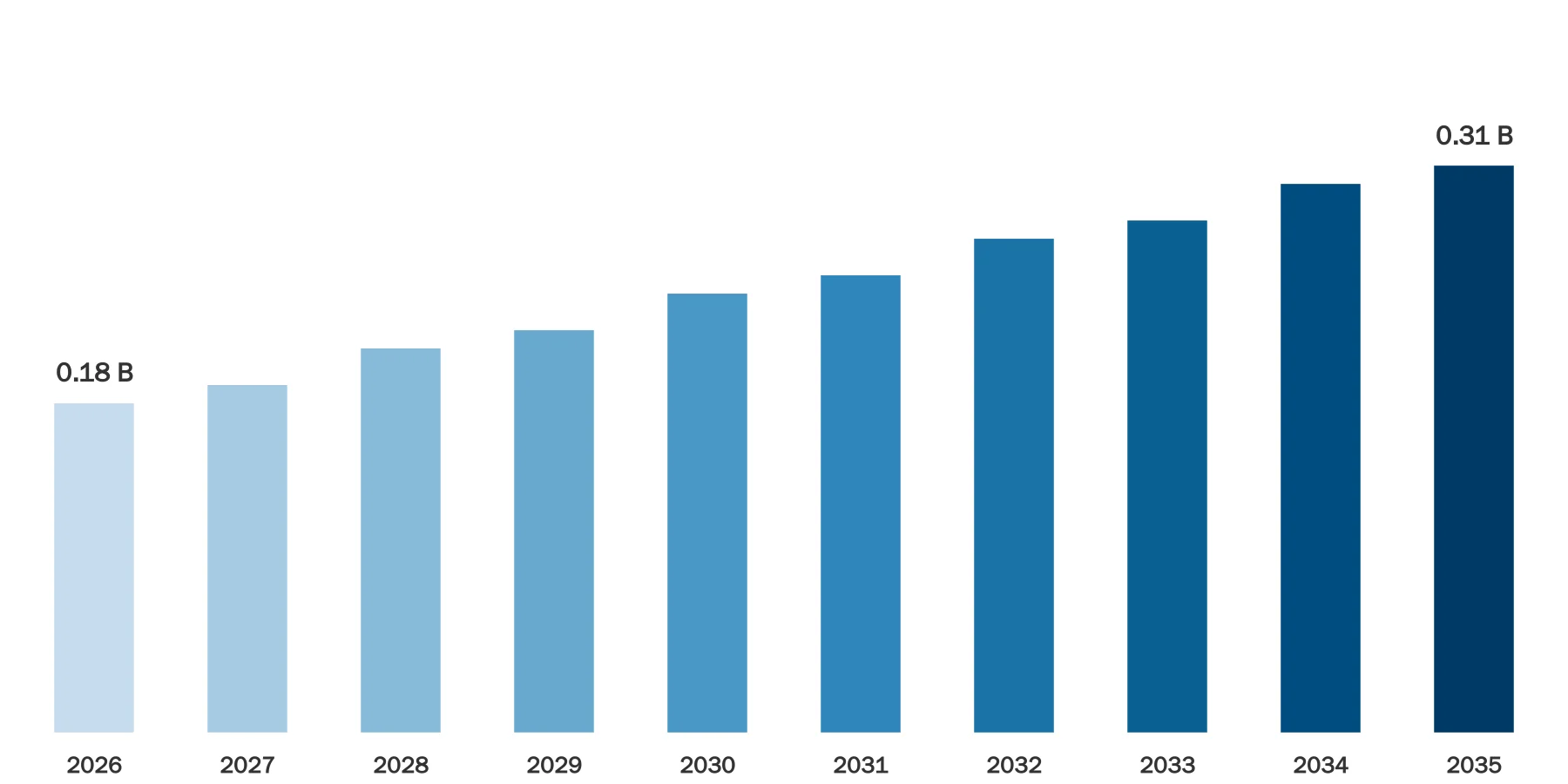
Source: Econ Market Research
Plant-based eggs, also known as egg alternatives or egg replacers, are derived from various sources such as legumes, grains, and seeds, offering a cruelty-free and sustainable alternative to traditional eggs. The market is driven by a surge in veganism and vegetarianism, coupled with concerns over animal welfare and the environmental impact of conventional egg production. Key market players are investing in research and development to enhance the taste, texture, and nutritional profile of plant-based eggs, aiming to cater to the evolving preferences of consumers.
Moreover, collaborations and partnerships between food manufacturers and plant-based egg producers are fostering innovation and expanding market reach. Despite facing challenges such as price competitiveness and regulatory constraints, the plant-based egg market is poised for robust growth as consumers increasingly seek ethical and eco-friendly food choices. With the rising demand for plant-based alternatives in the food industry, the market for plant-based eggs is projected to witness substantial expansion in the coming years, offering lucrative opportunities for industry participants.
Plant-Based Egg Dynamics
Consumer preferences are shifting towards plant-based diets, driven by concerns over health, animal welfare, and environmental sustainability. This growing trend towards veganism and vegetarianism is propelling demand for plant-based egg alternatives, creating a favourable market landscape. Moreover, advancements in food technology and product innovation are enhancing the taste, texture, and nutritional profile of plant-based eggs, further fuelling market expansion.
Regulatory limitations governing the labelling and composition of plant-based products, as well as pricing competitiveness against conventional eggs, are some of the challenges the market faces. The supply chain vulnerabilities that affect the plant-based egg industry also include variations in the availability and cost of raw materials. Notwithstanding these obstacles, market penetration and innovation are being fuelled by strategic alliances and collaborations between food producers and plant-based egg producers. Additionally, it is anticipated that raising funding for R&,D projects targeted at enhancing product scalability and quality will lessen these difficulties and open up new growth prospects for industry players.
Plant-Based Egg Drivers
Increasing Health and Environmental Awareness
Consumers', growing concerns about sustainability and health are pushing them towards plant-based diets, which include plant-based egg substitutes. Growing knowledge of the negative effects conventional egg production has on the environment and the health hazards of eating animal products has LED to consumers looking for healthier and more environmentally friendly options.
Health-conscious consumers find plant-based eggs appealing as they provide a lower saturated fat content and cholesterol-free option. Additionally, many people and organisations', sustainability goals are aligned with the environmental benefits of plant-based eggs, such as decreased land use and greenhouse gas emissions. It is anticipated that this trend will keep increasing demand for plant-based egg products around the world.
Product Innovation and Technological Advancements
Significant improvements in the taste, texture, and nutritional profile of plant-based egg substitutes have been made possible by advances in food technology and research. In an effort to increase consumer acceptance and satisfaction, manufacturers are spending money on research and development to produce goods that closely resemble the characteristics of traditional eggs.
Advancements in the sourcing of ingredients, processing methods, and formulation have made it possible to produce plant-based eggs with enhanced functionalities, like superior binding and emulsifying qualities for a range of culinary uses. These developments not only meet the increasing demand for plant-based substitutes, but they also broaden the market by drawing in customers who might not have been willing to give up traditional eggs because of taste or texture concerns.
Restraints:
Price Competitiveness
When comparing plant-based egg products to conventional eggs, price competition is frequently a challenge. Higher retail prices for plant-based eggs may be the result of production costs related to locating and processing plant-based ingredients as well as expenditures made in research and development for new product innovation. Price-conscious shoppers may be turned off by this price difference, especially in areas where traditional eggs are more reasonably priced. Although there are long-term financial savings linked to better health and environmental benefits, the initial higher costs of plant-based eggs could prevent widespread adoption and restrict market growth in some industries.
Regulatory Constraints
The plant-based egg industry is subject to regulatory constraints governing labeling, marketing, and composition standards. Regulatory agencies may impose restrictions on terminologies like ",egg,", ",egg substitute,", or ",egg alternative", for plant-based products, creating challenges for product positioning and consumer understanding. Additionally, regulations regarding ingredient labeling, allergen declaration, and nutritional claims vary across regions, requiring compliance efforts from manufacturers to ensure market access and consumer safety. These regulatory complexities can increase compliance costs and pose barriers to entry for new entrants, limiting market growth potential and innovation.
Opportunities:
Expansion in Retail and Foodservice Channels
There is a significant opportunity for plant-based egg products to expand their presence in retail and foodservice channels. Increasing consumer demand for plant-based options in grocery stores, restaurants, and foodservice establishments presents an opportunity for manufacturers to enhance distribution networks and secure placement in mainstream retail outlets and restaurant menus. Collaborations with retailers and foodservice providers to develop and promote plant-based egg offerings can drive market penetration and consumer adoption, tapping into a broader customer base seeking sustainable and ethical food choices.
Segment Overview
By Type
The segmentation by type encompasses three key categories: Full Egg, White Egg, and Egg Yolk. Full Egg refers to plant-based alternatives that replicate the composition of a whole egg, including both the egg white and yolk components. White Egg focuses specifically on egg white substitutes, catering to consumers seeking lower cholesterol and fat content. Egg Yolk alternatives target those looking for rich, creamy textures and flavors characteristic of egg yolks. These distinctions allow manufacturers to tailor their product offerings to meet specific consumer preferences and culinary needs, providing versatility and choice within the plant-based egg market.
By Form
The form segmentation categorizes plant-based egg products based on their physical state, including Powder, Liquid, and Others. Powdered alternatives offer convenience and extended shelf life, making them suitable for baking and cooking applications. Liquid forms mimic the consistency of traditional eggs and are ideal for direct use in recipes such as scrambled eggs or omelettes. The ",Others", category may include innovative forms such as freeze-dried or frozen options, providing additional options for consumers seeking variety and convenience in their plant-based egg purchases.
By Base Ingredient
Plant-based egg products can be derived from a variety of base ingredients, including Algal Flour, Wheat Flour, Soy Flour, Chia Seeds, Garbanzo Beans, Starch, Mung Beans, Pea, and Others. Each base ingredient offers unique properties in terms of texture, flavor, and nutritional profile, allowing manufacturers to create diverse product formulations to cater to different dietary preferences and functional requirements. This segmentation enables consumers to choose products based on factors such as allergen considerations, taste preferences, and nutritional benefits, enhancing the overall appeal and accessibility of plant-based egg alternatives.
By Function
The function segmentation categorizes plant-based egg products based on their intended use, including Partial Egg Replacement, Full Egg Replacement, Egg Wash Substitute, and Others. Partial egg replacements are formulated to replace a portion of conventional eggs in recipes while maintaining desired product characteristics. Full egg replacements offer complete substitutes for traditional eggs, suitable for consumers seeking a completely plant-based option. Egg wash substitutes provide alternatives for glazing and sealing baked goods, offering versatility in culinary applications. This segmentation addresses different culinary needs and usage occasions, providing options for consumers across various cooking and baking scenarios.
By Application
Plant-based egg products find application across various culinary settings, including Breakfast, Bakery, Desserts, Convenience Foods, and Others. In breakfast applications, plant-based eggs can be used to prepare dishes such as scrambled eggs, omelettes, and breakfast sandwiches, offering a nutritious and cruelty-free alternative to traditional egg-based breakfast items. In bakery applications, these products serve as key ingredients in recipes for cakes, muffins, cookies, and other baked goods, providing structure, moisture, and binding properties.
Plant-based egg alternatives also feature prominently in dessert recipes, contributing to the richness and texture of items such as custards, puddings, and ice creams. Furthermore, plant-based eggs are utilized in convenience foods such as ready-to-eat meals, pre-packaged snacks, and frozen entrees, catering to the growing demand for convenient, plant-based meal solutions. This segmentation reflects the versatility and adaptability of plant-based egg products across a wide range of culinary applications, meeting the diverse needs and preferences of consumers in different meal categories.
By Category
Plant-based egg products are categorized based on their production methods, including Conventional and Organic options. Conventional plant-based eggs are produced using standard agricultural practices and inputs, while organic alternatives are made from ingredients grown and processed without synthetic pesticides, fertilizers, or genetically modified organisms (GMOs). Organic plant-based eggs appeal to consumers seeking products that align with their values of environmental sustainability and health consciousness, offering assurance of superior quality and purity. This segmentation allows consumers to make informed choices based on their preferences for conventional or organic production methods, supporting transparency and accountability within the plant-based egg market.
By Nature
The segmentation by nature distinguishes between plant-based egg products derived from genetically modified organisms (GMO) and those labelled as Non-GMO. Non-GMO options are made from ingredients sourced from crops that have not been genetically engineered, catering to consumers concerned about potential health and environmental risks associated with GMOs. This segmentation provides transparency and choice for consumers seeking products aligned with their preferences for non-genetically modified ingredients, fostering trust and confidence in the plant-based egg market.
By Packaging Type
Plant-based egg products are packaged in various formats, including Bottles, Pouches, Tetra Packs, and Others. Bottles offer convenience and ease of use for liquid products, providing resealable options for consumers to dispense and store their plant-based egg alternatives. Pouches offer portability and portion control, ideal for on-the-go consumption and smaller households.
Tetra Packs provide shelf-stable packaging solutions, extending the shelf life of plant-based egg products and reducing food waste. Other packaging types may include innovative formats such as single-serve cups or eco-friendly packaging materials, catering to consumer preferences for sustainability and convenience. This segmentation addresses different packaging requirements and preferences, enhancing the accessibility and appeal of plant-based egg products to a diverse consumer base.
By Distribution Channel
Plant-based egg products are distributed through various channels, including Store-Based Retailers and Non-Store-Based Retailers (Online). Store-based retailers encompass brick-and-mortar outlets such as supermarkets, grocery stores, specialty food stores, and convenience stores, where consumers can physically browse and purchase plant-based egg products.
Non-store-based retailers include online platforms such as e-commerce websites, mobile apps, and direct-to-consumer subscription services, offering convenient access to a wide range of plant-based egg options for consumers to purchase from the comfort of their homes. This segmentation reflects the evolving retail landscape and the importance of omnichannel distribution strategies in reaching and engaging consumers across different shopping preferences and lifestyles.
By End-Use
Plant-based egg products serve various end-use sectors, including the Food Processing Industry, Food Service Providers, and Retail/Household consumers. The food processing industry incorporates plant-based egg ingredients into manufactured food products such as baked goods, snacks, ready-to-eat meals, and processed foods, adding nutritional value, texture, and flavor. Food service providers, including restaurants, cafes, catering companies, and institutional kitchens, utilize plant-based egg alternatives in their culinary creations to meet the growing demand for vegan and vegetarian menu options.
Retail and household consumers purchase plant-based egg products for home cooking, baking, and meal preparation, incorporating them into their daily diets as part of a healthy and sustainable lifestyle. This segmentation underscores the diverse applications and consumption patterns of plant-based egg products across different sectors of the food industry, driving market demand and innovation to meet evolving consumer needs.
Plant-Based Egg Overview by Region
In North America, particularly in the United States and Canada, the plant-based egg market is experiencing robust growth fuelled by a rising trend towards veganism, health consciousness, and concerns over animal welfare. The region boasts a mature and well-established market infrastructure with a plethora of plant-based food start-ups, innovative product offerings, and widespread availability of plant-based egg alternatives in mainstream retail outlets and foodservice establishments. Europe follows a similar trajectory, with countries like the United Kingdom, Germany, and France witnessing a surge in demand for plant-based egg products driven by environmental sustainability initiatives, government support for plant-based diets, and a growing vegan and flexitarian consumer base.
In Asia Pacific, markets such as Australia, Japan, and China are witnessing rapid adoption of plant-based egg alternatives, fuelled by increasing urbanization, westernization of diets, and rising disposable incomes. Moreover, emerging economies like India are embracing plant-based diets as a means to address health concerns and reduce dependence on animal-derived foods, driving market expansion in the region. Latin America and the Middle East &, Africa regions are also witnessing growing interest in plant-based egg products, albeit at a slower pace, as consumers become more receptive to plant-based diets and international food trends.
Plant-Based Egg Market Competitive Landscape
Major companies such as Beyond Meat, Eat JUST, and Follow Your Heart dominate the market with a diverse range of plant-based egg products, leveraging their brand recognition, distribution networks, and R&,D capabilities to drive innovation and market expansion. These industry leaders focus on product differentiation, quality assurance, and sustainability initiatives to maintain their competitive edge and meet the evolving preferences of consumers. Additionally, partnerships with food manufacturers, retailers, and foodservice providers enhance their market reach and visibility.
Alongside these key players, a multitude of smaller companies and start-ups are entering the plant-based egg market, offering niche product offerings, novel formulations, and regional specialties. These emerging players often leverage agile business models, innovative marketing strategies, and niche market positioning to carve out a foothold in the competitive landscape. Moreover, collaborations, acquisitions, and strategic alliances are prevalent within the industry as companies seek to strengthen their market position, expand their product portfolios, and capitalize on emerging opportunities in the plant-based egg market.
Plant-Based Egg Market Leading Companies:
Eat Just, Inc.
Zero Egg
EVO Foods
AcreMade (by PURIS)
Simply Eggless
Nabati Foods Inc.
PlantMade
Perfeggt
Float Foods (OnlyEg)
The EVERY Company
Plant-Based Egg Recent Developments
Aug 2023, Zikooin Company (UNLIMEAT), a prominent player in Korea',s alternative meat sector, has partnered with JUST Egg, the leading U.S.-based company in plant-based egg products, to launch plant-based egg offerings. The collaboration involves a Brand Licensing agreement, with the introduction of new products featuring JUST Egg',s popular folded format.
Sept 2023, Eat Just, an alternative protein company, has secured additional funding to expedite the utilization of science and technology in creating healthier and more sustainable food formulations. This investment will bolster the company',s efforts to enhance and refine the quality and financial viability of its products.
June 2023, Plantible Foods, a startup operating a 140-acre lemna farm in Texas and specializing in extracting a highly functional protein from rapidly growing aquatic plants, has introduced its inaugural product: Rubi Whisk, a plant-based egg substitute purportedly capable of surpassing eggs in numerous applications.
Oct 2023, Umami United, known for its plant-based egg products, has successfully concluded a pre-Series A funding round, securing a substantial ¥,240 million ($1.64 million) investment. With this capital infusion, the company aims to focus on creating a vegan egg white substitute while also strategizing for market expansion into the United States and Europe.
Plant-Based Egg Report Segmentation
Plant-Based Egg Market Report Scope & Segmentation
| Attributes | Details |
|---|---|
Market Size (Current) | US$ 0.18 Billion in 2026 |
Market Size (Forecast) | US$ 0.31 Billion in 2035 |
Growth Rate | CAGR of 6.3% from 2026 to 2035 |
Forecast Period | 2026 – 2035 |
Base Year | 2025 |
Historical Data Available | Yes |
Regional Scope | Global |
Segments Covered | By Product Type
By Form
By Source
By Distribution Channel
|
Frequently Asked Questions
Common questions about this report
The study period covers historical insights and forecast projections for the period 2026-2035.
About the Author
Market research expert with years of industry experience

Dipali Bhingare serves as the Market Research Director at Econ Market Research. With a focus on translating complex global economic shifts into actionable business intelligence, she oversees the strategic direction of comprehensive market studies. Her work empowers organizations to navigate volatile industries through data-driven forecasting and deep-dive competitive analysis.
Related Reports
Explore more market insights from the same category