Pipeline Pigging Market Overview
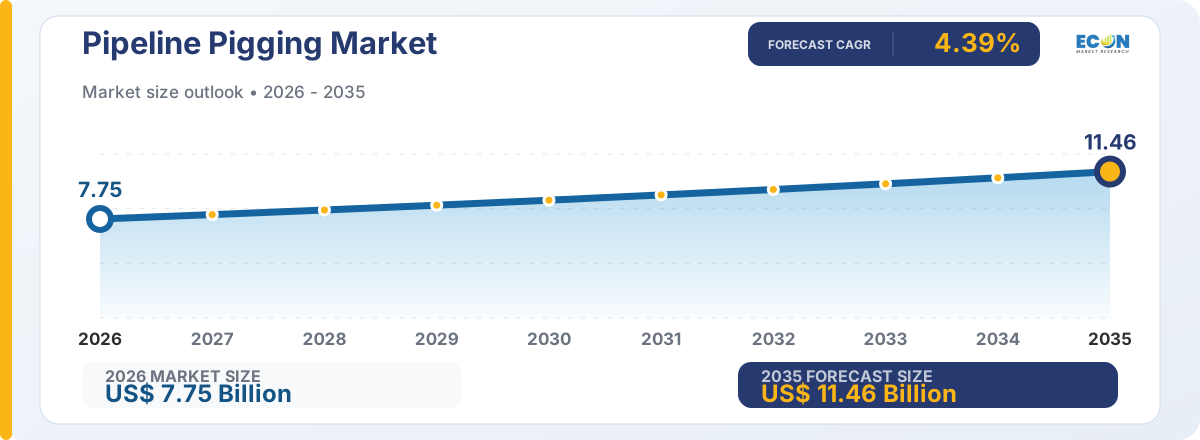
As per Econ Market Research analysis, the Global Pipeline Pigging Market was estimated at US$ 7.75 Billion in 2026 and is forecast to attain US$ 11.46 Billion by 2035, expanding at a CAGR of 4.39% between 2026 and 2035. The base year for the study is 2025.
Pipeline pigging involves the utilization of smart devices attached to the pig, allowing it to traverse through the pipeline and effectively detect corrosion, abnormalities, and other potential issues on the inner walls of the conduit system. This data-driven process goes beyond mere inspection, as it enables advanced cleaning and maintenance operations based on the collected data. By leveraging the valuable information obtained during the pigging process, operators can make well-informed decisions regarding the pipeline',s integrity and plan appropriate maintenance activities. This integration of technology and data analysis ensures optimal performance, safety, and longevity of the pipeline system, making pipeline pigging a crucial component of the industry.
Market Dynamics
The pipeline pigging services market is driven by several factors. Increasing demand for pipeline inspection and maintenance services to ensure the safety and integrity of pipelines acts as a significant driver. Additionally, technological advancements in intelligent pigging technologies contribute to accurate and detailed inspections, boosting market growth. However, challenges such as the risk of pipeline damage during pigging operations and potential environmental concerns related to contaminant release hinder market expansion. Nevertheless, opportunities lie in government regulations mandating regular pipeline inspections and the development of more efficient pigging technologies. The market exhibits a competitive landscape with companies striving to provide innovative and reliable pigging solutions to meet industry demands.
Market Drivers
The pipeline pigging market is experiencing substantial growth driven by several key factors. There is an increasing demand for pipeline inspection and cleaning services, as ensuring the safety and integrity of pipelines has become a top priority for industries. In addition, the adoption of intelligent pigging technologies is on the rise, enabling more accurate and detailed inspections, which aids in the timely identification and resolution of potential issues. Further, the growing demand for oil and gas plays a significant role in driving the market, as pipelines are crucial for transporting these valuable resources, necessitating regular pigging for maintenance and inspection. As the global energy landscape evolves, the pipeline pigging market is poised to witness further expansion and innovation.
Restraints
The pipeline pigging market faces certain restraints that warrant attention to ensure safe and efficient operations. One of the main concerns is the risk of pipeline damage during pigging operations. The turbulence caused by pigs can lead to erosion and potential harm if not appropriately managed or if pigs are poorly designed or operated. Moreover, environmental concerns arise as pigging can potentially release contaminants into the environment. Pigs can carry substances like oil and grease, which, if not properly disposed of, can pose environmental hazards. To mitigate these restraints, adopting stringent safety protocols and proper disposal practices is essential for sustainable pipeline pigging operations.
Opportunities
The pipeline pigging market is poised to seize significant opportunities driven by government regulations mandating regular pipeline inspection and cleaning. Compliance with these regulations will fuel demand for pigging services, as pipeline operators seek efficient and reliable solutions. Moreover, technological advancements present lucrative prospects for the market, with the development of innovative pigging technologies offering more effective and accurate inspection capabilities. As the industry embraces these advancements, the demand for advanced pigging services is expected to surge, creating ample opportunities for companies to expand their offerings and cater to the evolving needs of the pipeline infrastructure sector.
Segment Overview
By Service Type
The pipeline pigging services market can be segmented by service type into Intelligent Pigging and Normal Pigging. Intelligent Pigging involves the use of advanced technologies, such as sensors and data analysis, to inspect and collect valuable data during pipeline inspection. It enables the identification of defects, corrosion, and other abnormalities, providing crucial insights for maintenance and integrity assessments. On the other hand, Normal Pigging involves the use of traditional pigs for cleaning and removing debris from pipelines. While both segments play vital roles in pipeline maintenance, Intelligent Pigging is expected to witness significant growth in the upcoming years due to its ability to provide more accurate and detailed inspection data, enhancing overall pipeline safety and efficiency.
By Application Type
The pipeline pigging services market is segmented by application type, including metal loss/corrosion detection, internal cleaning, crack & leakage detection, geometry measurement & bend detection, and others. Metal Loss/Corrosion Detection involves using pigging tools to identify and measure the extent of metal corrosion or loss within the pipeline. Internal Cleaning uses pigs equipped with cleaning devices to remove debris and build-up from the pipeline's inner walls.
Crack & Leakage Detection focuses on detecting cracks or leaks in the pipeline structure. Geometry Measurement & Bend Detection utilizes pigs to measure pipeline dimensions and identify bends or irregularities. The "Others" category includes specialized pigging applications for specific pipeline needs. Among these segments, Metal Loss/Corrosion Detection and Internal Cleaning are expected to witness significant growth due to the rising emphasis on pipeline safety and maintenance.
By End Use Type
The pipeline pigging services market can be segmented by end-use type, including Oil and Gas. In the Oil segment, pigging services are widely used to inspect and clean pipelines used for the transportation of crude oil, refined petroleum products, and other oil-related substances. The main purpose is to ensure the smooth flow of oil, prevent corrosion, and detect any potential leaks or damages that could lead to environmental hazards or disruptions in supply. In the gas segment, pigging services are employed for pipelines that transport natural gas and other gas-related products.
The primary objective is to maintain pipeline integrity, identify internal issues like metal loss or cracks, and enhance the overall efficiency and safety of gas transportation systems. Both end-use segments significantly contribute to maintaining the reliability and functionality of their respective pipeline networks, crucial for the energy industry's smooth operation and sustainability.
Overview by Region
During the forecast period, North America is projected to lead as the largest market for pipeline pigging services. This dominance is attributed to several factors driving the demand in the region. The shale revolution has significantly impacted the oil and gas industry, leading to the construction of new pipeline networks to facilitate the transportation of shale oil and gas reserves. Additionally, the region's growing focus on exploring untapped shale oil and gas reserves has further fuelled the demand for efficient pipeline pigging services to ensure the integrity and maintenance of the extensive pipeline infrastructure in North America.
The Asia-Pacific region is anticipated to present lucrative growth opportunities in the pipeline pigging services market during the forecast period. The growing demand for energy, driven by rapid industrialization and urbanization in countries like China, India, and Southeast Asian nations, is fuelling the need for robust pipeline infrastructure. Additionally, ongoing efforts to improve energy security and expand oil and gas exploration activities in the region are expected to further boost the demand for efficient pipeline pigging services. Moreover, increasing investments in renewable energy projects, including pipeline networks for transporting renewable resources, are contributing to the favourable market outlook in the Asia-Pacific region.
Competitive Landscape
The pipeline pigging market is characterized by intense competition among key players, and this competitive landscape is expected to persist in the coming years. Established companies and new entrants alike vie for market share by offering innovative and technologically advanced pigging solutions. Strategic collaborations, partnerships, and acquisitions are common tactics used by industry players to expand their product portfolios and enhance their capabilities. Additionally, continuous research and development efforts are focused on developing more efficient and accurate pigging technologies to meet the evolving demands of pipeline inspection and maintenance, intensifying the competition in the market.
Key Players
Halliburton Company
Baker Hughes Company
Applus+
T.D. Williamson, Inc.
ROSEN Group
NDT Global GmbH & Co. KG
Altus Intervention
LIN SCAN Advanced Pipelines & Tanks Services
CIRCOR International, Inc.
Dacon Inspection Services Co., Ltd.
IKM Testing AS
Inline Services, LLC
SGS S.A.
Bureau Veritas S.A.
Recent Developments
In July 2022, T T.D. Williamson, Inc. and SCF Partners unveiled their investment collaboration aimed at seizing emerging market prospects, solidifying TDW',s position as a robust, forward-looking frontrunner in pigging products and services.
In September 2021, DACON introduced a cutting-edge 3-inch ultrasonic pipeline inspection device, meticulously tailored to industry specifications and terminology.
Pipeline Pigging Market Report Scope & Segmentation
| Attributes | Details |
|---|---|
| Market Size (Current)Current market valuation | US$ 7.75 Billion in 2026 |
| Market Size (Forecast)Projected market valuation | US$ 11.46 Billion in 2035 |
| Growth RateCompound Annual Growth Rate | CAGR of 4.39% from 2026 to 2035 |
| Forecast PeriodAnalysis timeline | 2026 – 2035 |
| Base YearReference year for analysis | 2025 |
| Historical Data AvailablePast market data availability | Yes |
| Regional ScopeGeographical coverage | Global |
| Segments CoveredMarket segments analyzed | By Product
By Application
By End-User
|
Leading companies covered in this report
- T.D. Williamson
- ROSEN Group
- Baker Hughes
- PII Pipeline Solutions
- Girard Industries
- Apache Corporation
Frequently Asked Questions
Common questions about this report
The study period covers historical insights and forecast projections for the period 2026-2035.
About the Author
Market research expert with years of industry experience

Dipali Bhingare serves as the Market Research Director at Econ Market Research. With a focus on translating complex global economic shifts into actionable business intelligence, she oversees the strategic direction of comprehensive market studies. Her work empowers organizations to navigate volatile industries through data-driven forecasting and deep-dive competitive analysis.