

Organic Food and Beverages Market
Organic Food and Beverages Market Size, Share, Trends, Growth, and Industry Analysis, By Product Type (Organic Fruits and Vegetables, Organic Meat, Poultry and Dairy, Organic Processed Foods, Organic Beverages, Others), By Distribution Channel (Supermarkets/Hypermarkets, Specialty Stores, Online Retail, Convenience Stores), Regional Analysis and Forecast Period 2026-2035
Organic Food and Beverages Market Overview
As per Econ Market Research analysis, the Global Organic Food and Beverages Market accounted for US$ 343.29 Billion in 2026 and is expected to surpass US$ 1110 Billion by 2035, witnessing a CAGR of 13.8% throughout 2026–2035. The analysis is based on 2025 as the base year.
Organic Food and Beverages Market Size 2025-2035 (USD Billion)

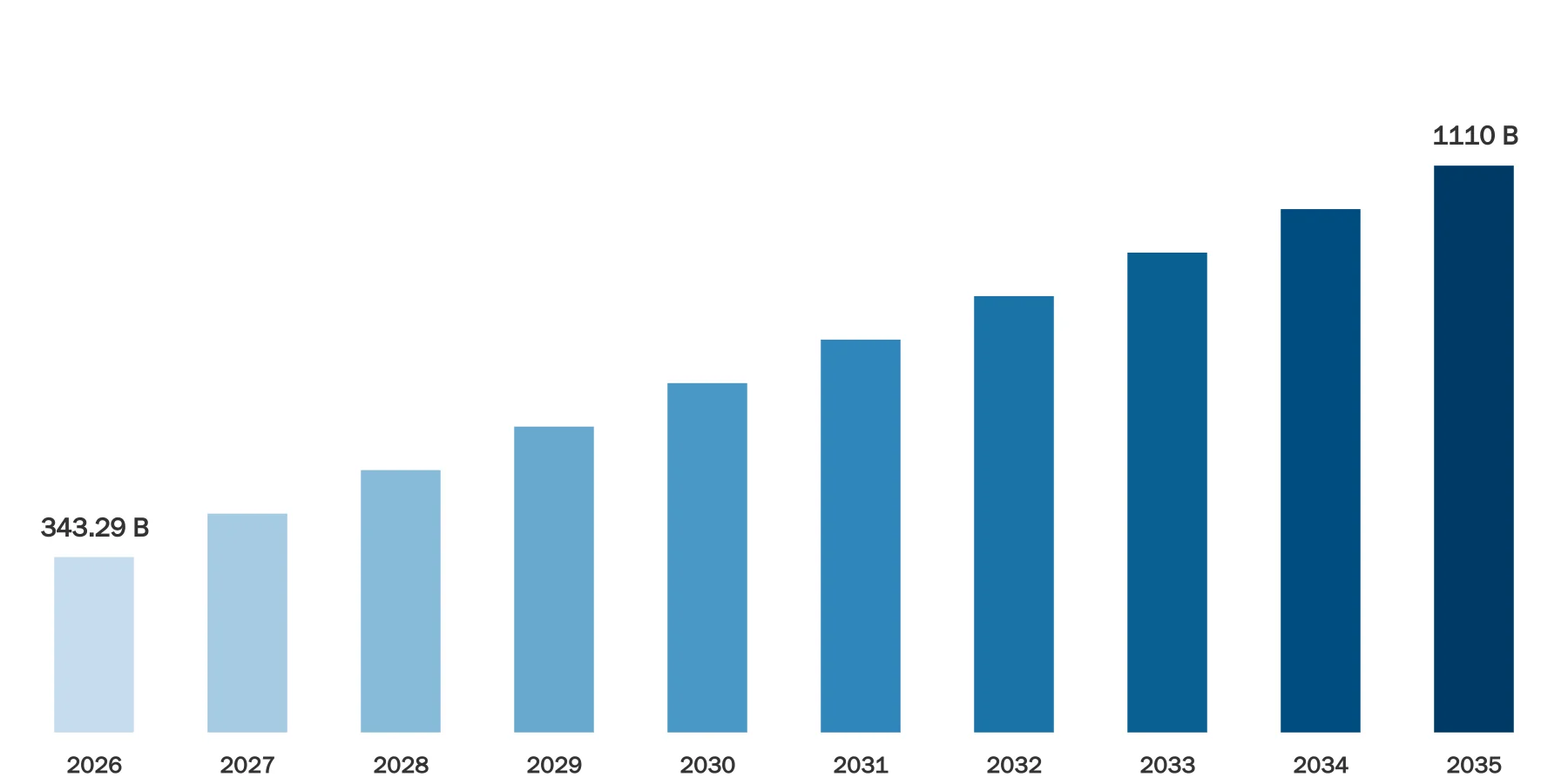
Source: Econ Market Research
The Global Organic Food and Beverages market encompasses products cultivated and processed without the use of synthetic pesticides, fertilizers, genetically modified organisms (GMOs), or artificial additives. Organic farming practices prioritize sustainability, biodiversity, and soil health. The market',s growth is fuelled by rising consumer awareness regarding health and environmental concerns, coupled with a preference for natural and wholesome food options. The market encompasses a wide range of products, including fruits, vegetables, grains, dairy products, meat, poultry, beverages, and snacks, all adhering to strict organic standards and certifications. In recent years, the market has witnessed substantial expansion, driven by increasing demand in both developed and emerging economies.
Consumers are increasingly drawn to organic offerings due to perceived health benefits, environmental sustainability, and support for ethical farming practices. Moreover, regulatory support and initiatives promoting organic agriculture further propel market growth. Despite facing challenges such as higher production costs and limited availability of organic ingredients, the market continues to thrive, with key players investing in research and development, strategic partnerships, and innovative marketing initiatives to capitalize on growing consumer interest and drive further expansion.
Organic Food and Beverages Dynamics
Consumer demand for organic products continues to surge, fuelled by increasing health consciousness, environmental concerns, and a desire for transparent and sustainable food systems. This demand is further amplified by growing disposable incomes, urbanization, and access to information, which empower consumers to make informed choices about their food purchases. Additionally, shifting dietary preferences towards natural, non-GMO, and chemical-free options bolster the market',s growth trajectory.
Regulatory support and certification standards play a crucial role in shaping market dynamics, with governments worldwide implementing policies to promote organic farming practices, ensure product integrity, and safeguard consumer interests. As regulatory frameworks evolve and become more stringent, compliance requirements and certification processes influence market participants', strategies and investments. Furthermore, technological innovations in agriculture, processing, and distribution enhance efficiency, quality, and scalability within the organic food and beverages sector, enabling producers to meet growing demand and address supply chain challenges.
Amidst intensifying competition, market players focus on product differentiation, branding, and diversification to capture market share and sustain profitability. Collaborations, mergers, and acquisitions also reshape the competitive landscape, facilitating market consolidation and enabling companies to leverage synergies and expand their geographic reach.
Organic Food and Beverages Drivers
Increasing Health Consciousness
One major factor propelling the market is rising consumer awareness of the health advantages of eating and drinking organic food and beverages. Concerns about pesticide residues, genetically modified organisms (GMOs), and artificial additives are driving consumers to seek out more natural and healthful alternatives to conventional products. Demand for organic options is driven by the desire for nutrient-dense, chemical-free diets and the increasing prevalence of lifestyle-related diseases. Customers are prioritising health and well-being and are willing to pay higher prices for certified organic products, which is propelling the global market growth.
Regulatory Support and Certification Standards
Government initiatives and regulatory frameworks promoting organic farming practices and ensuring product integrity serve as key drivers for the market. Regulatory support enhances consumer confidence in organic products by establishing clear standards for production, labeling, and certification. Organic Food Certification and Standards-market/\"">Organic Food Certification schemes, such as USDA Organic, EU Organic, and others, provide credibility and transparency, enabling consumers to make informed purchasing decisions. As governments worldwide implement policies to incentivize organic agriculture and enforce compliance with organic standards, market players benefit from increased consumer trust, market access, and competitive advantage.
Restraints:
The higher production costs linked to organic farming practices are one of the main obstacles facing the market for organic food and beverages. When compared to conventional farming methods, organic cultivation results in higher production costs due to the need for substantial investments in labour, organic inputs, and sustainable agricultural techniques. For some consumers, particularly in emerging markets, these higher costs are often reflected in higher retail prices for organic products, thereby restricting their affordability and accessibility. Because of this, price sensitivity continues to be a major obstacle to the wider adoption of organic products, especially among consumers who are sensitive to price.
Limited Supply Chain Infrastructure
Market expansion is hampered by inadequate supply chain infrastructure, especially in areas with undeveloped distribution and logistics systems. Issues like inadequate Cold Storage facilities, ineffective transportation networks, and disjointed retail distribution networks impede the effective flow of organic goods from the farm to the consumer. Bottlenecks in the supply chain can lead to product spoilage, deterioration in quality, and increased expenses for distribution, which can affect the accessibility and cost-effectiveness of organic products for customers. To close these infrastructure gaps and guarantee the dependable and economical distribution of organic food and beverages, significant investments in transportation, storage facilities, and last-mile delivery services are needed.
Opportunities:
Expanding Retail Channels and Distribution Networks
The proliferation of retail channels and distribution networks presents significant opportunities for market expansion. The increasing availability of organic products in supermarkets, specialty stores, e-commerce platforms, and direct-to-consumer channels enhances consumer access and visibility. Market players can capitalize on these diverse retail channels to reach a broader customer base, educate consumers about organic benefits, and stimulate demand through targeted marketing and promotional activities. By leveraging omnichannel strategies and strategic partnerships with retailers, producers can strengthen their market presence, drive sales, and foster brand loyalty in competitive market environments.
Segment Overview
By Product Type
In terms of product types, organic food encompasses a wide range of categories, including fruits and vegetables, meat, fish and poultry, dairy products, frozen and processed food, and other specialty items. Fruits and vegetables are among the most popular organic food categories, prized for their freshness, flavor, and nutritional benefits. Organic meat, fish, and poultry appeal to health-conscious consumers seeking responsibly sourced protein options free from antibiotics and hormones. Dairy products such as milk, cheese, and yogurt are also in high demand, driven by concerns over synthetic additives and animal welfare standards.
Additionally, organic frozen and processed food items offer convenience without compromising on quality or purity. Other organic specialties, such as grains, snacks, and condiments, cater to niche dietary preferences and culinary trends, contributing to the market',s diversity and innovation. On the beverage front, organic offerings include non-dairy beverages, coffee and tea, beer and wine, and other specialty drinks. Non-dairy alternatives like almond milk, soy milk, and coconut water cater to lactose-intolerant and vegan consumers seeking plant-based options with natural flavors and nutritional benefits.
Organic coffee and tea appeal to discerning consumers who value sustainable sourcing practices, superior taste profiles, and artisanal brewing methods. Similarly, organic beer and wine reflect a growing appreciation for craft beverages made from organic ingredients, free from synthetic pesticides and preservatives. Other organic beverages, such as herbal infusions, kombucha, and functional drinks, address evolving consumer preferences for health, wellness, and indulgence.
By Distribution Channel
In terms of distribution channels, organic products are available through convenience stores, specialty stores, supermarkets, and online platforms, offering consumers multiple avenues to access organic offerings conveniently. Convenience stores cater to on-the-go shoppers seeking quick and accessible organic options for snacking and refreshment. Specialty stores curate a premium selection of organic products, providing shoppers with unique and artisanal offerings, personalized service, and expert guidance.
Supermarkets offer a one-stop shopping experience, featuring a comprehensive assortment of organic goods across various categories, catering to mainstream consumers', needs and preferences. Online channels provide convenience, choice, and accessibility, enabling consumers to browse, purchase, and receive organic products from the comfort of their homes, driving e-commerce growth within the organic food and beverages market.
Organic Food and Beverages Overview by Region
In North America, the market experiences robust growth driven by increasing consumer awareness of health and sustainability issues, coupled with a well-established organic certification system and strong demand for organic products across multiple categories. The region',s affluent consumer base, coupled with favourable government policies supporting organic agriculture and retailing, further bolster market expansion.
Europe remains a key market for organic food and beverages, with countries like Germany, France, and the United Kingdom leading in consumption and production. The region benefits from stringent organic standards, widespread consumer acceptance of organic products, and a growing preference for locally sourced and ethically produced foods. Asia-Pacific emerges as a rapidly growing market fuelled by rising disposable incomes, urbanization, and changing dietary habits. Countries such as China, India, and Japan witness increasing demand for organic offerings, driven by concerns over food safety, environmental sustainability, and lifestyle-related diseases.
Market growth in Latin America and the Middle East &, Africa regions is propelled by expanding organic farming practices, government initiatives promoting organic agriculture, and growing export opportunities. Despite challenges related to infrastructure, logistics, and market fragmentation, these regions exhibit untapped potential for organic food and beverages, supported by evolving consumer trends and a burgeoning health and wellness culture.
Organic Food and Beverages Market Competitive Landscape
Key players such as Whole Foods Market, Organic Valley, Hain Celestial Group, and Nature',s Path Foods dominate the market with diverse product portfolios, strong brand recognition, and extensive distribution networks. These companies leverage their reputations for quality, authenticity, and sustainability to maintain competitive advantages and drive innovation in organic product development and marketing strategies.
Additionally, strategic alliances, acquisitions, and partnerships play a significant role in shaping the competitive landscape, enabling companies to expand market reach, access new distribution channels, and capitalize on synergies. As consumer preferences evolve and market dynamics continue to evolve, agility, differentiation, and responsiveness to emerging trends become critical success factors for companies seeking to thrive in the fiercely competitive organic food and beverages market.
Organic Food and Beverages Market Leading Companies:
Conagra Brands, Inc.
General Mills, Inc.
Amy&rsquo,s Kitchen, Inc.
The Hain Celestial Group, Inc.
Danone S.A.
Whole Foods Market
United Natural Foods, Inc. (UNFI)
Albertsons Companies, Inc.
Organic Food and Beverages Recent Developments
Aug 2023, GoodPop expanded its product range with the introduction of Mini Cans, its inaugural beverage line. Crafted solely from real fruit juice and Sparkling Water, the new collection is free from added sugars, sweeteners, or artificial flavors.
Global Organic Food and Beverages Report Segmentation
Organic Food and Beverages Market Report Scope & Segmentation
| Attributes | Details |
|---|---|
Market Size (Current) | US$ 343.29 Billion in 2026 |
Market Size (Forecast) | US$ 1110 Billion in 2035 |
Growth Rate | CAGR of 13.8% from 2026 to 2035 |
Forecast Period | 2026 – 2035 |
Base Year | 2025 |
Historical Data Available | Yes |
Regional Scope | Global |
Segments Covered | By Product Type
By Distribution Channel
|
Frequently Asked Questions
Common questions about this report
The study period covers historical insights and forecast projections for the period 2026-2035.
About the Author
Market research expert with years of industry experience

Dipali Bhingare serves as the Market Research Director at Econ Market Research. With a focus on translating complex global economic shifts into actionable business intelligence, she oversees the strategic direction of comprehensive market studies. Her work empowers organizations to navigate volatile industries through data-driven forecasting and deep-dive competitive analysis.
Related Reports
Explore more market insights from the same category