

Online Music Education Market
Online Music Education Market Size, Share, Trends, Growth, and Industry Analysis, By Instrument (Piano, Guitar, Violin, Others), By Type (Music History, Musicology, Theory), By Session (Solo, Group), Regional Analysis and Forecast Period 2026-2035
Online Music Education Market Overview
As per Econ Market Research analysis, the Global Online Music Education Market accounted for US$ 23.53 Billion in 2026 and is expected to surpass US$ 101.39 Billion by 2035, witnessing a CAGR of 17.63% throughout 2026–2035. The analysis is based on 2025 as the base year.
Online Music Education Market Size 2025-2035 (USD Billion)

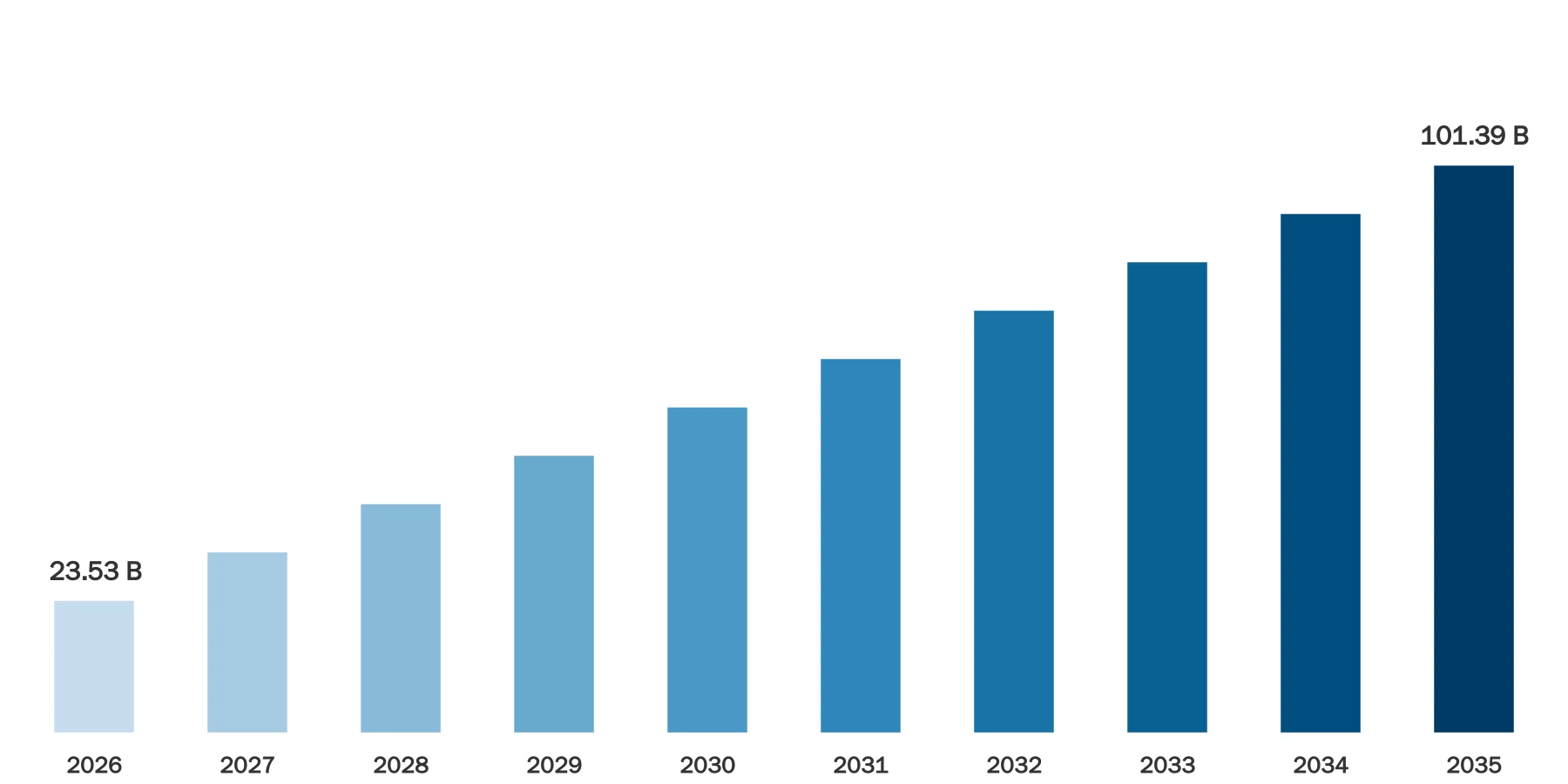
Source: Econ Market Research
In today's digital age, the Global Online Music Education market is a bustling hub of learning where music enthusiasts of all ages and backgrounds can embark on a journey of musical discovery from the comfort of their own homes. This innovative platform offers a diverse range of courses and tutorials, catering to individuals eager to learn anything from the basics of music theory to mastering intricate instrument techniques. In a world where passion for music knows no borders, online music education emerges as a transformative force.
It bridges geographical divides, connecting aspiring musicians with expert mentors from far and wide. This fosters a global community of learners, empowering them to explore their musical abilities and nurture their artistic dreams. With its flexibility and personalized approach, online music education breaks down traditional barriers, allowing learners to unlock their musical potential at their own pace and on their own terms. The global online music education market empowers individuals to pursue their passion for music, enriching their lives with the joy and fulfilment of artistic expression.
Online Music Education Dynamics
The Global Online Music Education market is experiencing a surge in demand as more people recognize the value and convenience of learning music online. This growth is driven by several key factors, including the increasing accessibility of high-quality educational resources, the rising popularity of digital learning platforms, and the growing demand for flexible learning options.
As traditional barriers to music education, such as cost, location, and scheduling conflicts, are overcome through online platforms, individuals of all ages and backgrounds are embracing the opportunity to pursue their passion for music. Moreover, the COVID-19 pandemic has accelerated the adoption of online learning across all industries, including music education, as people seek safe and convenient ways to continue their education from home. Additionally, advancements in technology, such as improved video streaming capabilities and interactive learning tools, are enhancing the online learning experience and further fuelling market growth.
Online Music Education Drivers
Accessibility and Convenience
The popularity of Global Online Music Education is largely due to its unmatched convenience and ease of access. Unlike traditional music lessons that often require students to travel to classes and stick to strict schedules, online music education provides the flexibility to learn at one',s own pace and from any location with an internet connection. This makes it accessible to individuals with busy schedules or those residing in remote areas, allowing them to pursue their musical aspirations without disrupting their other commitments. Additionally, the availability of a wide range of courses and tutorials caters to diverse learning needs and preferences, further enhancing the appeal of online music education.
Technological Advancements
Technology',s rapid progress has had a major impact on how music is taught and learned online. This has LED to the Global Online Music Education market growing more and more. New technologies, such as high-quality video streaming, interactive learning platforms, and virtual reality simulations, have changed how music is taught online. These improvements enhance the learning experience for students, making it easier for them to grasp difficult musical ideas and techniques.
Furthermore, the integration of Artificial Intelligence and machine learning algorithms enables personalized learning experiences tailored to individual skill levels and learning styles. As technology continues to evolve, the potential for further improvements in online music education platforms is virtually limitless, promising even greater benefits for learners and educators alike.
Restraints:
Growing Quality Concerns
Online music education offers many benefits, but some people still worry about the quality of the teaching and how well they',ll learn. Unlike in-person classes where students can interact directly with teachers, online classes might not offer the same level of personal attention and feedback. Plus, there are so many online courses out there, and not all of them are made equal. It can be hard to tell which ones are worth your time and money. So, some people are holding back from embracing online music education because they',re not sure if they',ll get the best possible learning experience.
Digital Divide across the world
One challenge in the global online music education market is the ",digital divide.", This refers to the differences in access to technology and internet services across different groups of people. Even though online music education can reach students around the world, not everyone has the same opportunities to use the necessary technologies and infrastructure.
Factors like money, where someone lives, and how much education they have can make it hard for people from disadvantaged communities to join online music programs. Addressing the digital divide requires concerted efforts to improve internet access and provide affordable technology solutions to underserved populations, ensuring that online music education remains accessible to all.
Opportunities:
Rising demand for Personalized Learning
With the growing popularity of online music education, we have a remarkable chance to make learning more engaging and effective. This is because online platforms can now use artificial intelligence (AI) and machine learning to figure out how each student learns best. They can then give each student personalized lessons, advice, and suggested ways to learn.
By focusing on each student',s special needs and goals, we can make learning more interesting, help students remember more, and make them happier with their learning journey overall. Online music education providers that prioritize personalized learning are well-positioned to differentiate themselves in the market and attract learners seeking customized educational experiences that meet their specific needs and interests.
Segment Overview
By Tutoring Type
The tutoring type segment encompasses structured tutoring and on-demand tutoring. Structured tutoring follows a predetermined curriculum with scheduled lessons and assignments, providing a comprehensive and systematic approach to learning music. On the other hand, on-demand tutoring offers flexibility, allowing learners to access resources and assistance as needed, catering to individual learning styles and pace.
By Course Type
Course types in online music education include language courses, STEM courses, and others. Language courses focus on learning music theory and terminology, enhancing communication and comprehension skills within the musical context. STEM courses incorporate technology and engineering principles into music education, exploring the intersection of science and art. Other courses may cover various musical genres, instruments, or specialized topics to meet the diverse interests of learners.
By Duration
Courses in the online music education market vary in duration, offering both short-term and long-term options. Short-term courses provide quick immersion into specific musical concepts or techniques, ideal for learners seeking immediate results or focused skill development. Long-term courses offer comprehensive instruction over an extended period, allowing learners to master complex musical skills and concepts gradually, fostering deeper understanding and proficiency.
By Tutoring Style
Tutoring styles include test preparation service, subject tutoring service, remediation, maintenance, support, and enrichment. Test preparation services help learners prepare for music exams, auditions, or competitions, providing targeted instruction and practice materials to improve performance outcomes. Subject tutoring services offer personalized assistance and guidance in specific musical subjects or topics, addressing individual learning needs and challenges.
Remediation focuses on addressing gaps in knowledge or skills, helping learners overcome obstacles and progress in their musical journey. Maintenance and support services provide ongoing assistance and resources to sustain learning momentum and address any issues or concerns that arise. Enrichment programs offer opportunities for advanced study and exploration, encouraging learners to delve deeper into their musical interests and aspirations.
By End-User
End-users of online music education include K-12 students, higher education learners, and others. K-12 students benefit from age-appropriate music instruction tailored to their developmental level, fostering creativity, discipline, and cognitive skills. Higher education learners pursue advanced studies in music theory, performance, or composition, preparing for careers in the music industry or academia. Other end-users may include adult learners, hobbyists, or professionals seeking to expand their musical knowledge and skills for personal or professional development.
Online Music Education Overview by Region
In North America, a technologically advanced and education-focused culture fosters a strong demand for online music education, driven by the convenience and flexibility it offers to learners of all ages. The region boasts a diverse array of online music education providers, ranging from established institutions to innovative start-ups, catering to the unique preferences and learning styles of North American learners. Meanwhile, Europe embraces online music education as a means to preserve and promote its rich cultural heritage, with a strong emphasis on classical music training and exploration of traditional musical genres.
In Asia-Pacific, rapid economic development and increasing internet penetration fuel the growth of the online music education market, particularly in countries like China and India, where a burgeoning middle class seeks to access high-quality music education from reputable international providers. Latin America and the Middle East also show promising growth potential, as rising disposable incomes and a growing appreciation for arts and culture drive demand for online music education across these regions.
Online Music Education Market Competitive Landscape
Established institutions such as Berklee Online and Juilliard School leverage their prestigious reputations and extensive resources to offer high-quality music education programs tailored to online learners. Meanwhile, innovative start-ups like Udemy and Coursera disrupt the traditional education model with user-friendly platforms and a vast selection of music courses spanning genres, instruments, and skill levels.
Specialized platforms such as Skillshare and MasterClass cater to niche audiences with celebrity instructors and immersive learning experiences, while tech giants like Google and Apple enter the fray with their own online music education initiatives, capitalizing on their vast user base and technological prowess. Regional players also carve out their niches, catering to the unique needs and preferences of learners in specific geographical areas.
Online Music Education Market Leading Companies:
Berklee Online
The Juilliard School
Lessonface, Inc.
Musika Lessons, Inc.
MusicGurus Ltd.
Skoove GmbH
Yousician Ltd.
Tonara Ltd.
ArtistWorks
Fender Play
IMusic-School
VIP Peilian Education Technology Co., Ltd.
Point Blank Music School Ltd.
Online Music Education Report Segmentation
Online Music Education Market Report Scope & Segmentation
| Attributes | Details |
|---|---|
Market Size (Current) | US$ 23.53 Billion in 2026 |
Market Size (Forecast) | US$ 101.39 Billion in 2035 |
Growth Rate | CAGR of 17.63% from 2026 to 2035 |
Forecast Period | 2026 – 2035 |
Base Year | 2025 |
Historical Data Available | Yes |
Regional Scope | Global |
Segments Covered | By Instrument
By Type
By Session
|
Frequently Asked Questions
Common questions about this report
The study period covers historical insights and forecast projections for the period 2026-2035.
About the Author
Market research expert with years of industry experience

Dipali Bhingare serves as the Market Research Director at Econ Market Research. With a focus on translating complex global economic shifts into actionable business intelligence, she oversees the strategic direction of comprehensive market studies. Her work empowers organizations to navigate volatile industries through data-driven forecasting and deep-dive competitive analysis.
Related Reports
Explore more market insights from the same category