
Next Generation Sequencing (NGS) Market Size, Share, Trends, Growth, and Industry Analysis, By Product & Service (Consumables, Services, and Instruments), Application (Pharmaceuticals Microbiology, Drug & Biomarker Discovery, Diagnostics, Precision Medicine, Agricultural & Animal Research, Food Pathogen Screening, and Others), Technology (Sequencing by Synthesis (SBS), Sequencing by Ligation (SBL), and Others), End User (Pharmaceutical & Biotechnology Companies, Academic & Research Institutes, Hospitals & Clinics, Clinical Laboratories, Contract Research Organizations (CROS), and Others), Distribution Channel (Direct Tender, Retail Sales, and Others), Regional Analysis and Forecast 2032.
Global Next Generation Sequencing (NGS) Market size was USD 12.93 billion in 2023 and the market is projected to touch USD 35.36 billion by 2032, at a CAGR of 11.83% during the forecast period.
NGS allows scientists to decipher genetic information rapidly and at a larger scale, revolutionizing fields such as healthcare, agriculture, and biotechnology. In recent years, the market has witnessed exponential growth due to the decreasing costs of sequencing, expanding applications in personalized medicine, and the rising demand for efficient diagnostics and drug development tools.
Sequencing technology vendors, bioinformatics businesses, and research institutes are key industry players who collaborate to invent and improve NGS platforms. Despite constraints such as data analysis complexities and regulatory hurdles, the NGS market is expected to grow further, fuelled by ongoing technological improvements and expanding usage across a wide range of industries around the world. As demand for genetic insights grows, the NGS industry is likely to play a crucial role in influencing the future of healthcare and scientific research.
Next Generation Sequencing (NGS) Report Scope and Segmentation
| Report Attribute | Details |
| Estimated Market Value (2023) | USD 12.93 billion |
| Projected Market Value (2032) | USD 35.36 billion |
| Base Year | 2023 |
| Forecast Years | 2024 &ndash, 2032 |
| Scope of the Report | Historical and Forecast Trends, Industry Drivers and Constraints, Historical and Forecast Market Analysis by Segment- Based on By Product &, Service, By Application, By Technology, By End-Use, By Distribution Channel, &, Region. |
| Segments Covered | By Product &, Service, By Application, By Technology, By End-Use, By Distribution Channel, &, By Region. |
| Forecast Units | Value (USD Million or Billion), and Volume (Units) |
| Quantitative Units | Revenue in USD million/billion and CAGR from 2024 to 2032. |
| Regions Covered | North America, Europe, Asia Pacific, Latin America, and Middle East &, Africa. |
| Countries Covered | U.S., Canada, Mexico, U.K., Germany, France, Italy, Spain, China, India, Japan, South Korea, Brazil, Argentina, GCC Countries, and South Africa, among others. |
| Report Coverage | Market growth drivers, restraints, opportunities, Porter&rsquo,s five forces analysis, PEST analysis, value chain analysis, regulatory landscape, market attractiveness analysis by segments and region, company market share analysis. |
| Delivery Format | Delivered as an attached PDF and Excel through email, according to the purchase option. |
Next Generation Sequencing (NGS) Dynamics
Technological advancements play a pivotal role, driving innovation and enabling the development of faster, more accurate, and cost-effective sequencing platforms. As sequencing technologies continue to improve, the cost per genome decreases, making NGS more accessible to a broader range of users. Additionally, the expanding applications of NGS across various sectors such as healthcare, agriculture, and environmental research contribute to market growth. In healthcare, NGS is increasingly used for personalized medicine, enabling tailored treatment plans based on an individual',s genetic makeup. Moreover, the rising demand for precision medicine and companion diagnostics further fuels the adoption of NGS technologies.
Market dynamics are also influenced by regulatory issues and reimbursement regulations. Regulatory agencies are crucial to ensure the safety, efficacy, and quality of NGS technologies and applications. Changes in legislation can have an impact on market dynamics by affecting product development schedules, market entrance tactics, and compliance requirements for NGS firms. Furthermore, reimbursement rules influence the adoption of NGS in clinical settings, because reimbursement coverage for NGS-based tests affects their pricing and accessibility to patients.
Next Generation Sequencing (NGS) Drivers
- Technological Advancements
Continuous advancements in NGS technologies are a significant driver for market growth. Innovations such as improved sequencing chemistry, enhanced data analysis algorithms, and the development of high-throughput platforms contribute to faster, more accurate, and cost-effective sequencing. These technological advancements not only expand the capabilities of NGS but also lower the barriers to entry, making sequencing more accessible to researchers, clinicians, and other end-users. As a result, the adoption of NGS is expected to continue to rise across various industries, driving market expansion.
- Expanding Applications
Another important factor driving market expansion is the growing number of NGS applications. Originally used for genome sequencing, NGS is now applied in a variety of sectors, including oncology, infectious disease research, agriculture, forensics, and environmental science. The versatility of NGS allows researchers and practitioners to evaluate DNA, RNA, and epigenetic alterations, providing insights into complicated biological processes and disease mechanisms. The increased understanding of the utility of genomic information in personalized medicine, drug development, and precision agriculture is likely to boost demand for NGS technologies, further accelerating market expansion.
Next Generation Sequencing (NGS) ,Restraints:
- Data Analysis Complexity
One of the primary restraints for the NGS market is the complexity of data analysis. While NGS generates vast amounts of sequencing data, analyzing and interpreting this data require sophisticated bioinformatics tools and expertise. The complexity of data analysis poses challenges for users, particularly those without specialized bioinformatics training, and can lead to delays and errors in data interpretation. Addressing this restraint requires ongoing efforts to develop user-friendly bioinformatics solutions, streamline data analysis workflows, and provide training and support to end-users.
- Regulatory Hurdles
Regulatory hurdles present another significant restraint for the NGS market. Regulatory requirements vary across regions and applications, posing challenges for NGS companies seeking regulatory approval for their products and services. Additionally, the evolving regulatory landscape and uncertainties surrounding regulations for NGS-based diagnostics and clinical applications can impede market growth by delaying product launches and increasing compliance costs. To address this restraint, NGS companies need to stay abreast of regulatory developments, engage with regulatory agencies early in the product development process, and invest in robust quality management systems to ensure compliance with regulatory requirements.
Next Generation Sequencing (NGS) ,Opportunities:
- Precision Medicine
The growing emphasis on precision medicine presents a significant opportunity for the NGS market. NGS technologies enable comprehensive genomic profiling of individuals, facilitating the identification of genetic variants associated with diseases and treatment responses. With advances in NGS, there is an opportunity to expand the use of genomic information in clinical decision-making, allowing for personalized treatment strategies tailored to individual patients', genetic profiles. The integration of NGS into clinical practice for precision medicine applications has the potential to drive market growth and improve patient outcomes.
Segment Overview
- By Product &, Service
The Next Generation Sequencing (NGS) market can be segmented by product and service into consumables, services, and instruments. Consumables, such as reagents, kits, and other materials, are essential for the sequencing process and represent a significant portion of the market due to their recurrent nature. Services include bioinformatics analysis, data interpretation, and technical support, which are crucial for managing and understanding the vast amounts of data generated by NGS. Instruments include the sequencing machines and platforms that perform the actual sequencing tasks. Each of these segments plays a vital role in the NGS workflow, from sample preparation and sequencing to data analysis and interpretation, contributing to the overall growth and functionality of the market.
- By Application
NGS technology finds diverse applications across various fields. In pharmaceuticals microbiology, it aids in understanding microbial genomes and their interactions, which is critical for developing new drugs and antibiotics. Drug and biomarker discovery benefit from NGS by identifying genetic markers associated with diseases, facilitating targeted therapy development.
Diagnostics use NGS for early detection and accurate diagnosis of genetic disorders and cancers. Precision medicine leverages NGS to tailor treatments based on individual genetic profiles, enhancing therapeutic efficacy. In agricultural and animal research, NGS helps improve crop yields and animal health through genetic insights. Food pathogen screening uses NGS for detecting and identifying contaminants in the food supply chain, ensuring food safety. The ",others", category includes diverse applications like environmental monitoring and forensic analysis, showcasing the versatility and wide-ranging impact of NGS.
- By Technology
NGS technologies are primarily segmented into sequencing by synthesis (SBS), sequencing by ligation (SBL), and others. SBS is the most widely used technology, known for its high accuracy, scalability, and ability to generate large volumes of data quickly. SBL offers unique advantages in certain applications, particularly where high specificity is required. Other technologies in this segment include nanopore sequencing and single-molecule real-time (SMRT) sequencing, which provide distinct benefits like long-read capabilities and real-time data output. These diverse technologies cater to various needs in research and clinical settings, driving innovation and broadening the scope of NGS applications.
- By End User
The end users of NGS technology include pharmaceutical and biotechnology companies, academic and research institutes, hospitals and clinics, clinical laboratories, and contract research organizations (CROs). Pharmaceutical and biotechnology companies use NGS for drug discovery, development, and personalized medicine initiatives. Academic and research institutes employ NGS for basic and translational research, contributing to scientific knowledge and innovation.
Hospitals and clinics utilize NGS for diagnostic purposes and to guide treatment decisions in clinical settings. Clinical laboratories perform routine genetic testing and screenings using NGS technologies. CROs offer outsourced research services, including NGS, to support various R&,D projects. Each of these end-user segments drives the demand for NGS through their unique applications and needs, collectively enhancing the market',s growth and diversification.
- By Distribution Channel
The distribution channels for NGS products and services include direct tender, retail sales, and others. Direct tender involves bulk purchasing agreements typically made by large institutions such as hospitals, research centers, and gove ment bodies, ensuring a steady supply of NGS consumables, instruments, and services. Retail sales cater to individual buyers and smaller organizations through various sales platforms, including e-commerce and specialty distributors.
The ",others", category includes diverse distribution methods such as partnerships, collaborations, and bundled service offerings. These distribution channels ensure that NGS technologies reach a wide range of users, from large-scale institutional buyers to individual researchers and clinicians, facilitating broad market penetration and accessibility.
Next Generation Sequencing (NGS) Overview by Region
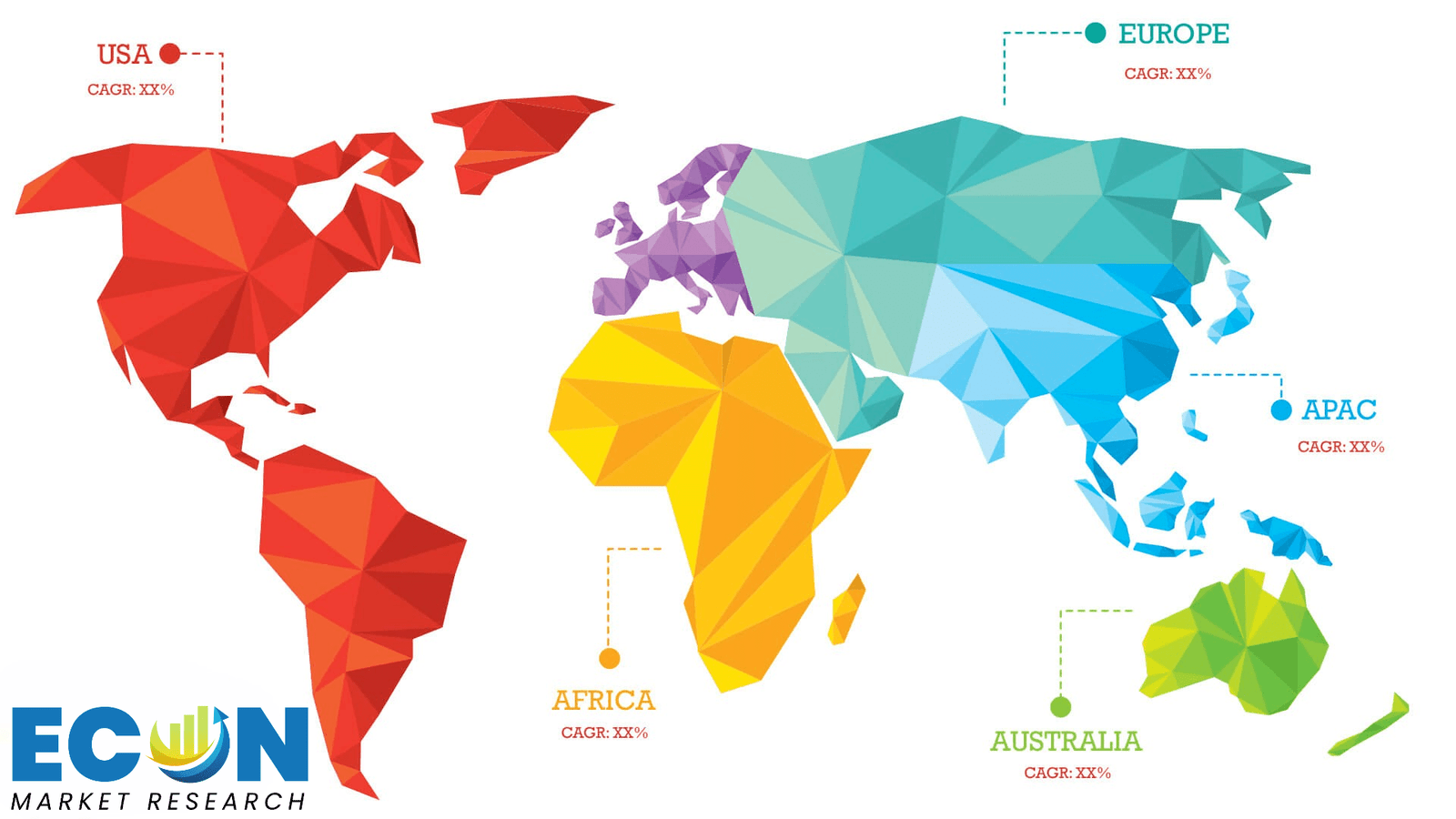
North America holds the largest share of the market, primarily due to its robust healthcare system, extensive research funding, and presence of leading NGS technology providers. The United States, in particular, is at the forefront, with numerous research institutions, academic centers, and biotech companies driving innovation and application in clinical and research settings. Gove ment initiatives, such as the Precision Medicine Initiative, further bolster the adoption and integration of NGS technologies.
Europe represents another major market for NGS, characterized by strong research activities and supportive regulatory frameworks. Countries like the UK, Germany, and France lead in genomic research and personalized medicine initiatives. The European Union&rsquo,s emphasis on precision medicine and substantial funding for genomic projects contribute to the region',s growth. Additionally, collaborations between academic institutions and industry players enhance the development and deployment of NGS technologies.
The Asia-Pacific region is experiencing rapid growth in the NGS market, fuelled by increasing investments in healthcare infrastructure and biotechnology research. China, Japan, and India are key contributors, with rising demand for advanced diagnostic tools and personalized medicine. Gove ment policies promoting biotech research and development, along with expanding healthcare access, drive the market. The region also benefits from a growing number of biotech startups and partnerships with global NGS companies.
Next Generation Sequencing (NGS) Market Competitive Landscape
Leading companies such as Illumina, Thermo Fisher Scientific, and BGI Group dominate the market, offering comprehensive NGS platforms, consumables, and services. Illumina, for instance, is renowned for its robust portfolio of sequencing technologies and extensive global reach, making it a dominant force in the industry. Thermo Fisher Scientific provides a wide range of NGS solutions, from instruments and reagents to software, catering to various research and clinical needs. BGI Group, based in China, leverages its strong genomic research background and expansive sequencing services to compete effectively on a global scale.
In addition to these major players, the market includes numerous smaller companies and start-ups that contribute to the dynamic competitive environment. Companies like Pacific Biosciences, Oxford Nanopore Technologies, and 10x Genomics focus on niche segments of the NGS market, such as long-read sequencing, portable sequencing devices, and single-cell sequencing technologies, respectively. These companies drive innovation and introduce new capabilities that enhance the overall utility and application of NGS technologies.
Strategic partnerships and collaborations are common in the NGS market, as companies seek to expand their technological capabilities and market reach. Collaborations between technology providers and pharmaceutical companies, research institutions, and clinical laboratories help integrate NGS into broader applications such as drug development, diagnostics, and precision medicine. Additionally, mergers and acquisitions are prevalent, with larger companies acquiring innovative start-ups to bolster their product portfolios and maintain competitive advantage.
Next Generation Sequencing (NGS) ,Key Players:
- BGI
- Eurofins Scientific
- Beckman Coulter
- Thermo Fisher Scientific
- Revvity
- Agilent Technologies
- QIAGEN
- Charles River Laboratories
- Macrogen
- Oxford Nanopore Technologies
- Merck KGaA
- New England Biolabs
- Illumina
- Promega Corporation
- Hamilton Company
- Takara Bio
- LGC Biosearch Technologies
- Bio-Rad Laboratories
- PacBio
- DNASTAR
Next Generation Sequencing (NGS) Recent Developments
- Aug 2023, Almac Diagnostic Services, a part of the Almac Group, has announced an investment to enhance its Next Generation Sequencing (NGS) capabilities for BioPharma partners. This follows the acquisition and installation of the first Illumina NovaSeq X Plus instrument in Northe Ireland and across the entire island of Ireland. With this investment in Illumina',s newest and most advanced instrument, Almac&rsquo,s NGS portfolio is significantly enhanced. Their DNA Sequencing Service offerings now include Whole Genome Sequencing, Whole Exome Sequencing, and various RNA Sequencing Service options for Biomarker Discovery projects.
- May 2023, Pfizer and Thermo Fisher Scientific Inc. (NYSE: TMO) have announced a collaboration to expand access to next-generation sequencing (NGS)-based testing for lung and breast cancer patients in over 30 countries across Latin America, Africa, the Middle East, and Asia, where advanced genomic testing has been limited or unavailable. By providing local NGS testing, the initiative aims to deliver faster gene analysis, enabling healthcare providers to choose the most appropriate therapy for each patient.
Next Generation Sequencing (NGS) Report Segmentation
| ATTRIBUTE | , , , , ,DETAILS |
| By Product &, Service |
|
| By Application |
|
| By Technology |
|
| By End User |
|
| By Distribution Channel |
|
| By Geography |
|
| Customization Scope |
|
| Pricing |
|
,
No FAQs available.
Report Details
- Published Date:May 19, 2024
- Format:PDF
- Language:English
- Delivery:Instant
Download Sample
Get a free sample report to preview the content and quality.