

Meditation Market
Meditation Market Size, Share, Trends, Growth, and Industry Analysis, By Product Type (Apps, Websites, Online Courses, Programs andamp; Workshops), By Meditation Type (Mindfulness Meditation, Breath Awareness, Progressive Relaxation, Spiritual/Transcendental), By End-User (Home Settings, Meditation Centers, Corporates), Regional Analysis and Forecast Period 2026-2035
Meditation Market Overview
As per Econ Market Research analysis, Global Meditation Market size stood at US$ 1.19 Billion in 2026 and is projected to reach US$ 2.48 Billion by 2035, growing at a CAGR of 8.6% over the forecast period 2026–2035. 2025 is taken as the base year.
Meditation Market Size 2025-2035 (USD Billion)

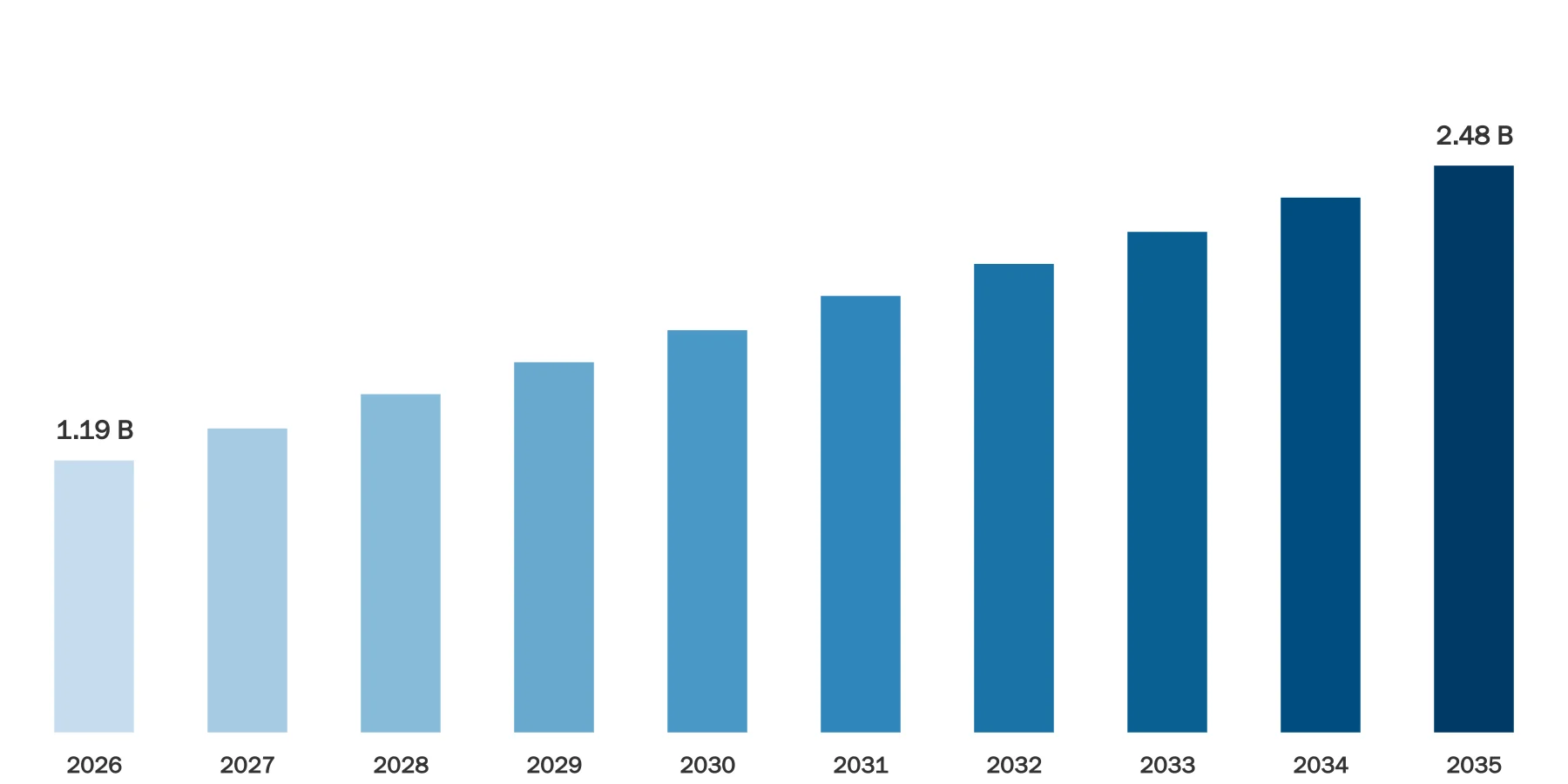
Source: Econ Market Research
Meditation, often defined as a practice of focusing one',s mind and achieving a heightened state of awareness, has gained significant popularity in recent years due to its perceived benefits for stress reduction, improved concentration, and overall health. The market comprises various offerings, including mobile apps, guided meditation sessions, meditation retreats, and wellness programs tailored to individuals, businesses, and healthcare institutions.
With growing awareness about the importance of Mental Health and wellness, the meditation market is witnessing robust growth, driven by factors such as increasing stress levels, lifestyle changes, and a growing acceptance of alternative therapies. Additionally, advancements in technology have enabled the development of innovative meditation tools and platforms, further expanding the market',s reach and accessibility.
Meditation Dynamics
The dynamics of the global meditation market are shaped by a multitude of factors influencing both supply and demand. On the demand side, increasing awareness about the importance of mental health and well-being, coupled with rising stress levels in modern lifestyles, drives the adoption of meditation practices and related products. Moreover, the growing acceptance of alternative therapies and mindfulness techniques among diverse demographic groups further fuels market growth. Additionally, demographic trends such as the aging population seeking holistic health solutions and millennials prioritizing self-care contribute to the expanding consumer base for meditation offerings.
On the supply side, the market is characterized by a diverse range of providers, including app developers, wellness centers, individual instructors, and corporate wellness programs. Technological advancements play a significant role in shaping market dynamics, with the proliferation of mobile apps and online platforms making meditation more accessible to a global audience. Furthermore, collaborations between traditional healthcare providers and meditation practitioners are increasingly common, facilitating the integration of meditation into mainstream healthcare services. Regulatory factors also influence market dynamics, with policymakers recognizing the potential benefits of meditation for public health and well-being, leading to supportive policies and initiatives.
Meditation Drivers
Increasing Awareness and Acceptance
One of the primary drivers of the global meditation market is the rising awareness and acceptance of meditation as a powerful tool for mental well-being. As individuals become more conscious of the importance of mental health, they are increasingly seeking out mindfulness practices like meditation to alleviate stress, anxiety, and other mental health issues.
Moreover, the growing acceptance of meditation across various demographics, including corporate professionals, students, and seniors, expands the market',s potential consumer base. This trend is fueled by a wealth of scientific research supporting the efficacy of meditation in improving emotional regulation, cognitive function, and overall quality of life. As a result, the market experiences heightened demand for meditation apps, classes, retreats, and other related products and services.
Technological Advancements
Technological innovations play a pivotal role in driving the growth of the meditation market, making mindfulness practices more accessible and convenient for users worldwide. The proliferation of smartphones and internet connectivity has facilitated the development of meditation apps, which offer guided meditation sessions, mindfulness exercises, and tracking features. These apps provide users with flexibility in practicing meditation anytime, anywhere, catering to busy lifestyles and varying preferences.
Furthermore, advancements in wearable technology enable users to monitor their physiological responses during meditation sessions, enhancing the overall experience and effectiveness. Additionally, virtual reality (VR) technology is emerging as a promising tool for immersive meditation experiences, offering users a deeper sense of presence and relaxation. As technology continues to evolve, the meditation market is poised to benefit from innovative solutions that enhance engagement, personalization, and effectiveness, driving further adoption and market growth.
Meditation Restraints:
Cultural and Religious Barriers
Despite the growing acceptability of meditation in many parts of the world, cultural and religious restrictions may stymie market expansion in certain regions. Meditation may be associated with specific religious practices or traditions in some countries, causing some portions of the population to be resistant or skeptical. Furthermore, misconceptions regarding meditation',s spiritual or philosophical dimensions may discourage people from trying mindfulness activities. Addressing these cultural and religious hurdles involves education, awareness campaigns, and sensitivity to varied cultural ideas and practices. This may offer challenges for market expansion in culturally diverse countries.
Limited Accessibility and Affordability
Accessibility and affordability concerns can limit the uptake of meditation practices and products, especially in marginalized places or low-income individuals. While meditation applications and online platforms are convenient and flexible, they may demand subscription fees or access to digital gadgets and sufficient internet connectivity, which excludes people with low financial resources or technological literacy.
Furthermore, in-person meditation sessions, retreats, or wellness programs may be too expensive for some people, compounding inequities in access to mental health services. Addressing these accessibility and price difficulties demands innovative solutions, such as sponsored programs, community-based efforts, or partnerships with public health organizations, to enable equitable access to meditation services for all socioeconomic groups.
Meditation Opportunities:
Integration with Healthcare Services
The integration of meditation into mainstream healthcare services presents a significant opportunity for market growth, driven by the recognition of meditation',s potential benefits for preventive and therapeutic purposes. Healthcare providers, including hospitals, clinics, and mental health professionals, are increasingly incorporating meditation into treatment plans for various health conditions, such as anxiety disorders, depression, chronic pain, and hypertension. This integration not only expands the market',s reach but also enhances the credibility and acceptance of meditation as a legitimate therapeutic intervention among healthcare professionals and patients. Collaborations between meditation providers and healthcare organizations, along with reimbursement mechanisms for meditation-related services, can further catalyse market growth by tapping into the vast healthcare market and addressing unmet patient needs for holistic mental health care.
Segment Overview
By Product
The meditation market offers a diverse range of products catering to different preferences and needs. Apps and websites provide convenient access to guided meditation sessions, mindfulness exercises, and tracking features, appealing to tech-savvy users seeking flexibility and portability. Books and online courses offer in-depth knowledge and guidance on meditation techniques, suitable for individuals preferring self-paced learning and exploration.
Yoga centers and meditation programs provide immersive experiences and personalized instruction, attracting individuals seeking guided practice in a communal setting. Workshops offer intensive training and practical skills development, appealing to those seeking immersive and interactive learning experiences. Each product category caters to distinct user preferences and lifestyles, contributing to the overall accessibility and popularity of meditation practices.
By Indication
Meditation serves as a versatile tool for addressing a wide range of mental and physical health conditions. It offers therapeutic benefits for mental conditions such as stress, anxiety, depression, and insomnia, providing individuals with coping mechanisms and emotional regulation skills. Additionally, meditation practices contribute to physical well-being by reducing inflammation, lowering blood pressure, and enhancing immune function, making it beneficial for conditions such as chronic pain, cardiovascular diseases, and autoimmune disorders. The diverse therapeutic applications of meditation underscore its holistic approach to promoting overall health and wellness, addressing both mental and physical aspects of well-being.
By Type
Meditation techniques can be categorized into various types, each with its unique focus and approach. Open monitoring meditation involves non-reactive observation of thoughts, sensations, and emotions, promoting mindfulness and self-awareness. Focused attention meditation entails directing attention to a specific object, such as the breath or a mantra, fostering concentration and cognitive control. Self-transcending meditation techniques, such as transcendental meditation, involve accessing deeper states of consciousness beyond the self, promoting relaxation and spiritual growth. Each meditation type offers distinct benefits and practices, catering to different preferences and objectives for personal growth and inner exploration.
By Age Group
Meditation practices are suitable for individuals of all ages, from children to adults, offering benefits tailored to specific developmental stages and life experiences. Children can benefit from meditation practices that promote emotional regulation, attentional control, and social skills development, enhancing their resilience and well-being. Adults often turn to meditation for stress relief, self-care, and personal growth, seeking tools to navigate life',s challenges and cultivate inner peace. Regardless of age, meditation offers a versatile and accessible approach to promoting mental and emotional health across the lifespan, empowering individuals to lead fulfilling and balanced lives.
By Usage
Meditation can be practiced individually or in group settings, each offering unique benefits and experiences. Individual practice allows for personalized sessions tailored to individual needs and preferences, offering flexibility and autonomy in meditation routines. Group meditation fosters a sense of community, support, and shared intention, enhancing motivation, accountability, and collective energy during practice sessions. Whether practiced alone or in groups, meditation offers opportunities for self-reflection, growth, and connection, enriching the overall meditation experience and promoting holistic well-being.
By Information Use
Individuals seeking information and guidance on meditation practices can access resources through various channels, including the internet and traditional media sources. The internet offers a wealth of information through websites, forums, social media, and meditation apps, providing instant access to guided practices, articles, videos, and community support. Traditional media sources such as books, newspapers, and articles also offer in-depth insights into meditation techniques, history, and research findings, catering to individuals preferring offline sources and in-depth exploration. Whether through digital platforms or traditional media, accessing reliable and informative content is essential for individuals embarking on their meditation journey, fostering understanding, inspiration, and engagement with mindfulness practices.
By Meditation Type
The diverse landscape of meditation practices encompasses various techniques, each offering unique approaches to cultivating mindfulness, relaxation, and inner peace. Progressive relaxation/body scan meditation involves systematically tensing and relaxing muscle groups, promoting physical relaxation and stress relief. Mindfulness meditation encourages non-judgmental awareness of present-moment experiences, fostering acceptance and equanimity amidst life',s challenges.
Breath awareness meditation focuses on observing the breath as a focal point, enhancing concentration, and calming the mind. Spiritual meditation, such as transcendental meditation, involves accessing deeper states of consciousness and spiritual connection, fostering inner harmony and transcendence. With a myriad of meditation types available, individuals can explore and find practices that resonate with their preferences, goals, and spiritual beliefs, enriching their meditation journey and overall well-being.
By End-Use
Meditation practices can be integrated into various settings, including home environments, meditation centers, and corporate, educational, and healthcare institutions. Home settings offer privacy, comfort, and convenience for individual meditation practice, allowing individuals to create personalized meditation spaces and routines tailored to their preferences and schedules.
Meditation centers provide dedicated spaces for group practice, workshops, and retreats, fostering community, support, and immersive experiences for practitioners of all levels. Furthermore, corporate, educational, and healthcare settings are increasingly incorporating meditation into wellness programs, employee benefits, and therapeutic interventions, promoting mental health, productivity, and holistic well-being across diverse populations. By catering to different end-uses, meditation practices contribute to creating supportive environments that nurture personal growth, connection, and resilience.
Meditation Overview by Region
In North America, the market is characterized by a high level of awareness and adoption of meditation practices, driven by a strong wellness culture, technological innovation, and a growing emphasis on mental health. The region boasts a robust ecosystem of meditation apps, wellness centers, and corporate wellness programs, catering to diverse demographic groups seeking stress relief, personal growth, and spiritual fulfillment.
Europe follows a similar trajectory, with countries like the United Kingdom, Germany, and Scandinavia witnessing a surge in meditation-related activities and offerings, fueled by increasing mindfulness awareness and a desire for work-life balance. In Asia-Pacific, meditation holds deep cultural and spiritual significance, with traditional practices such as yoga, Zen, and mindfulness meditation deeply ingrained in local traditions and philosophies.
Countries like India, Japan, and China are experiencing a revival of interest in meditation, driven by urbanization, rising stress levels, and a growing middle class seeking holistic wellness solutions. Latin America and the Middle East and Africa regions are also witnessing emerging trends in meditation adoption, propelled by globalization, urbanization, and a growing wellness industry. While the market is still nascent in these regions, increasing awareness and accessibility to meditation practices through digital platforms and wellness initiatives are driving market growth.
Meditation Market Competitive Landscape
Key players in the market include technology companies developing meditation apps and online platforms, such as Headspace, Calm, and Insight Timer, which leverage digital innovation to deliver guided meditation sessions, mindfulness exercises, and personalized content to users worldwide. Traditional wellness centers and yoga studios also play a significant role, providing in-person meditation classes, retreats, and workshops for individuals seeking immersive and communal experiences.
Moreover, educational institutions, healthcare providers, and corporate wellness programs are increasingly integrating meditation into their offerings to promote mental health, stress reduction, and employee well-being. As competition intensifies, players are focusing on differentiation through content quality, user experience, and specialized offerings tailored to specific demographics and use cases.
Partnerships, acquisitions, and strategic alliances are also prevalent strategies among players aiming to expand their market presence and capitalize on emerging opportunities in the evolving meditation landscape. Additionally, regional players and niche providers contribute to market diversity, offering unique perspectives, practices, and approaches to meditation that resonate with local cultures and preferences.
Meditation Key Players:
Smiling Mind
Inner Explorer Inc.
Committee for Children
Stop, Breathe &, Think PBC
Simple Habit, Inc.
Calm
Headspace Inc.
Inscape
Insight Network Inc.
WAKING UP, LLC
MEDITOPIA
Aura Health
Sanity &, Self
Meditation Recent Developments
March 2023, Mitgo is broadening its investment scope by unveiling a financial backing initiative for Practico, the Mobile Application focused on mindfulness, meditation, and enhancing sleep quality.
Nov 2022, Headspace Health introduced an innovative solution in November 2022 by combining Ginger',s premier coaching, therapy, and psychiatry services with Headspace',s meditation and mindfulness programs. This unified platform offers employees centralized, top-notch mental health support, streamlining administrative tasks for employers.
Meditation Report Segmentation
Meditation Market Report Scope & Segmentation
| Attributes | Details |
|---|---|
Market Size (Current) | US$ 1.19 Billion in 2026 |
Market Size (Forecast) | US$ 2.48 Billion in 2035 |
Growth Rate | CAGR of 8.6% from 2026 to 2035 |
Forecast Period | 2026 – 2035 |
Base Year | 2025 |
Historical Data Available | Yes |
Regional Scope | Global |
Segments Covered | By Product Type
By Meditation Type
By End-User
|
Frequently Asked Questions
Common questions about this report
The study period covers historical insights and forecast projections for the period 2026-2035.
About the Author
Market research expert with years of industry experience

Dipali Bhingare serves as the Market Research Director at Econ Market Research. With a focus on translating complex global economic shifts into actionable business intelligence, she oversees the strategic direction of comprehensive market studies. Her work empowers organizations to navigate volatile industries through data-driven forecasting and deep-dive competitive analysis.
Related Reports
Explore more market insights from the same category