Luxury Furniture Market Overview
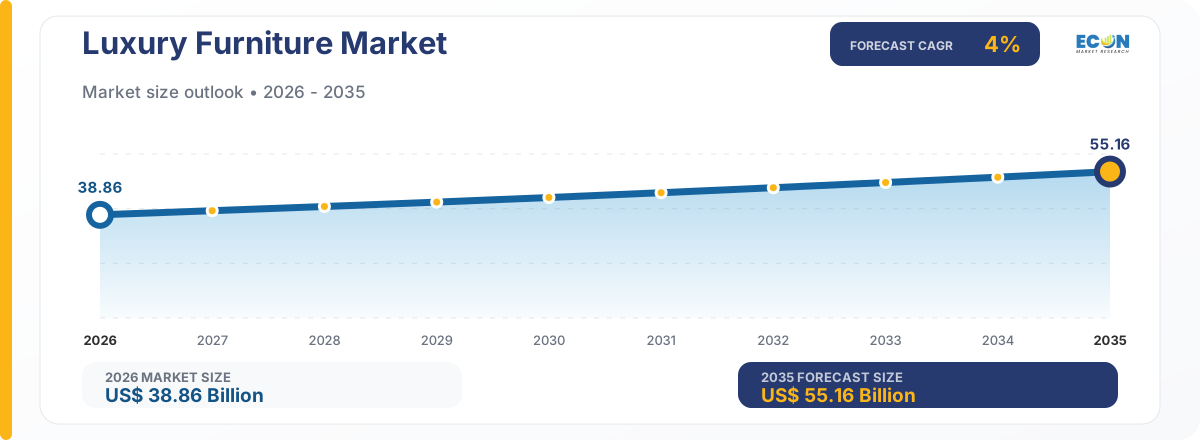
As per Econ Market Research analysis, the Global Luxury Furniture Market generated revenue of US$ 38.86 Billion in 2026 and is forecast to achieve US$ 55.16 Billion by 2035, at a CAGR of 4% during the study period 2026–2035. The base year considered is 2025.
Luxury furniture is an item that is not only comfortable and functional but also indicates style, craftsmanship, and exclusivity. Luxury furniture presents a distinct design and the finest materials and attention to detail, which these high-end consumers desire so as to make their home unique. It is emerging as a promising growth area for luxury furniture, primarily due to increasing disposable incomes, lifestyles, and demand for personalization in home dé,cor. Consumers have become very particular in terms of furniture that suits their lifestyle and status and thereby are vouching for bespoke and custom-made pieces. Increasing and glamourizing social media and home improvement programs have further hastened the awareness about luxury brands and trends. Geographically, the North America and Europe markets are of continuing very high importance, while the growing share in Asia-Pacific is rapidly accelerating due to urbanization and growth in the middle class.
Dynamic Insights
The major driver is rising consumer disposable income. More consumers in emerging markets have a desire for quality and sophisticated furniture that can symbolize their status and quality living environment. The current trends in personalization and customization are also gaining momentum because of a quest for unique pieces that reflect consumers', tastes and lifestyle needs. It is a trend that has prompted luxury furniture brands to offer bespoke services and limited-edition collection.
On the supply side, manufacturers opt for sustainable and green materials because consumers increasingly demand products made from them. Brand differentiation by innovative designs and high-quality craftsmanship becomes necessary in an increasingly competitive market. However, volatile raw material costs and associated supply chain interruptions risk disrupting production time and pricing. Besides, luxury furniture is marketed and sold through various online shopping and e-commerce ways, giving brands a chance to touch the base of a bigger audience. At the same time, this is tricky when brand exclusivity becomes an issue.
Drivers Insights
Increasing Disposable Income
As global economies are in a growth spree especially in Asian-Pacific and Latin American regions, disposable income is growing. This also gives consumers the opportunity to spend money on good-quality and luxurious furniture, thereby decorating their living space. Affluent consumers always demand products that reflect their affluence and refinement. Thus, demand for luxurious furniture increases. Advancing further, social media and home dé,cor trends help spend on style and uniqueness, thus propelling the demand in the market. Due to a large population focusing on aesthetics and comfort in their homes, luxury furniture brands can cash in this trend by introducing exclusive collections of products specifically for discerning customers.
Demand for Customization and Personalization
Increased demand for luxurious furniture with the growing trend towards personal living space has made customers demanding in furnishing their homes. Consumers demand items that reflect individual tastes and meet lifestyle requirements, compelling manufacturers to introduce bespoke pieces for them. Personalization can take the form of choosing specific materials and finishes or even designing new pieces just to fit the customer',s requirement. Those companies which will provide such customizations will gain more market shares. It will lead to unique furniture in the market that consumers would like, building loyalty and leadership in customer satisfaction and sales and growth of luxury furniture.
Restraints Insights
High Cost of Luxury Furniture
One of the major constraints in the high luxury furniture market is that a high price is always associated with good products. Although rich consumers can afford the product, the market is very limited because there are only a few potential customers of luxury furniture. The high price may restrain middle-income consumers who could be willing to invest in luxury furniture. In an economic downturn or uncertainty, consumers are even pickier when it comes to purchase decisions, they would spend more on essential products rather than on indulgent ones, which creates uncertain shifts of demand. Brands need to find the quality versus affordability equilibrium, offering exclusivity but to a much wider variety of people.
Supply Chain Disruptions
The luxury furniture market is vulnerable to supply chain disruptions, which can arise from various factors such as natural disasters, political instability, and global pandemics. These disruptions can lead to delays in production and delivery, affecting inventory levels and customer satisfaction. Additionally, fluctuations in raw material costs can impact profitability, as luxury furniture relies on high-quality materials that can be expensive. Brands need to develop resilient supply chain strategies to mitigate these risks, such as diversifying suppliers or investing in local production. Failure to address supply chain challenges can result in lost sales opportunities and diminished brand reputation.
Opportunities Insights
Sustainability and Eco-Friendly Products
The luxury furniture market is witnessing an increasing consumer&rsquo,s demand for sustainability and environment-friendly production. As more and more people make themselves aware of the environmental issues, they will increasingly seek furniture produced using sustainable sources and eco-responsible production means. Brands that speak of sustainability, thereby attracting environmentally sensitive consumers and differentiating them in the market, is also possible. There is an opportunity in coming up with creative, eco-sensitive designs for this demographic. More importantly, this transition to sustainability could affect brand loyalty through consumer responses to brands that act on the values the consumers hold.
Segment Analysis
By Product
The product lines for the luxury furniture market contain many categories, such as lighting, bedroom furniture, cabinets, tables, chairs and sofas, accessories, and more specialty items. Lighting products, like chandeliers and designer lamps, fulfill purposes that transcend simple functionality, they are decorative items that adorn a room',s space.
Bedroom furniture includes luxury beds, nightstands, and dressers that provide comfort as well as aesthetic appeal. Cabinets and tables provide utility and finesse to the living rooms, but chairs and sofas offer comfort and sophistication in seating configurations to relax and socialize. Accessories like rugs, artwork, and decorative elements can complete the luxurious mood and make the usage of space a personal expression for the consumer.
By Raw Material
In terms of raw materials, the luxury furniture market is primarily segmented into wood, metal, plastic, and other materials. Wood is the most traditional and favoured material in luxury furniture, appreciated for its warmth, durability, and natural beauty. High-quality hardwoods like oak, walnut, and mahogany are commonly used, often showcased in finely crafted pieces that emphasize artisanal skills. Metal, such as stainless steel and wrought iron, is increasingly incorporated into luxury designs, providing a modern touch and structural integrity. Plastic, while less common in high-end furniture, is used creatively in contemporary designs and can offer versatility and ease of maintenance.
By Distribution Channel
The distribution channel of the luxury furniture market comprises various channels to reach out to the consumers-home centers, flagship stores, specialty stores, online venues, and others. Home centers offer a one-stop shopping experience, so customers can find products from a wide variety of brands and styles. Flagship stores are brand ambassadors offering curated experiences, where all the range offerings of a brand is available in one location, but in a much more opulent setting.
Specialty stores are good for niche markets, offering advice related to experts and just the inventory necessary for the consumer need. Online distribution channels have picked up a good pace lately, and consumers are even shopping from the comfort of their homes, with an approach that allows access to a wider range of luxury products. This digital revolution brings with it the ease of accessibility for brands over a global scale even as the same flexibilities are afforded while purchasing.
By End User
The segmentation of the luxury furniture market is typically divided into broad categories: residential and commercial. Residential consumers form a large portion of the luxury furniture market as individuals and families increase their living space investment with quality luxury furniture additions to that all-important personal touch which portrays their taste and personalization. The segment includes young professionals and prosperous families who are seeking quality and designs for their furniture in their homes.
The business segment of this market includes hotels, restaurants, and corporate offices requiring luxurious furniture for the elegant and useful presentation of space. These service enterprises value durability with great aesthetics since these furniture pieces contribute to brand image and the experience the customer enjoys while visiting them. Interplay between the residential and commercial end users fuels innovation, creating diverse product offerings, since manufacturers are desirous of catering to either market with specific demands or preferences of one segment over the other.
Regional Analysis
North America and Europe are the largest markets because of higher disposable income, increasing concern for aesthetics of homes, and growing demand towards luxury home decor. To that end, North America, especially the United States, has a high penetration of quality stylish furniture, with significant demand for custom and bespoke pieces. European countries, meanwhile, contribute toward expanding this market, mainly due to its heft in terms of rich craftsmanship and design heritage, and there will be increased demand by consumers for sustainable and eco-friendly materials.
The Asia-Pacific luxury furniture market is growing at an extremely rapid pace, which is the direct result of increasing urbanization rates, growing affluence, and lifestyle preferences. Countries like China and India are about to see their growth curve in the premium furniture market, considering an expanded middle class keen to add fabulous pieces in houses. Growing influence of Western design trends and online shopping platforms are other reasons for this growth. Latin America and the Middle East are further areas of promise for market growth, as a swelling number of affluent people and increased demand for luxury goods can be expected. Brands entering the emerging markets realize the potential of these regions and adjust strategies to fit local tastes and preferences.
Competitive Landscape
Leading players in the market include Herman Miller, Knoll, Roche Bobois, and Restoration Hardware, all of whom are dependent on their heritage of powerful brand and quality craftsmanship. They concentrate a lot on innovation, offering individualistic designs as well as customized solutions with time as the tastes of affluent customers evolve. They have good distribution networks spanning its flagship stores, specialty retailers, and online channels, which they use to efficiently tap into various customer bases. Emerging players and local artisans are playing a very important role in market dynamics, especially in the Asia-Pacific and Latin America regions. These emerging players are focusing on sustainability based on eco-friendly material utilization, in tandem with the rising demand of environmentally aware consumers.
They offer bespoke services and present local craftsmanship, appealing to these customers who look for unique, culture-inspired items. For instance, e-commerce has levelled the field to allow smaller brands to compete with the big corporations based on direct-to-consumer sales and online personalized shopping experiences. Companies need to innovate, engage with customers, and make the business sustainable with the competitive advantage in the market. Designer influences and investments in new technologies will also be created to enhance products and customers', experiences for relevance in an increasingly dynamic landscape for luxury furniture.
List of Key Players:
Grayson Luxury
Kimball International Inc.
Knoll
Duresta
Lola Furniture
Nella Vetrina
Molteni Group
Muebles Pico
Cassina Spa
Brown Jordan International
JL&,IC Furniture Co. Ltd
Restoration Hardware
Global Luxury Furniture Report Segmentation
Luxury Furniture Market Report Scope & Segmentation
| Attributes | Details |
|---|---|
| Market Size (Current)Current market valuation | US$ 38.86 Billion in 2026 |
| Market Size (Forecast)Projected market valuation | US$ 55.16 Billion in 2035 |
| Growth RateCompound Annual Growth Rate | CAGR of 4% from 2026 to 2035 |
| Forecast PeriodAnalysis timeline | 2026 – 2035 |
| Base YearReference year for analysis | 2025 |
| Historical Data AvailablePast market data availability | Yes |
| Regional ScopeGeographical coverage | Global |
| Segments CoveredMarket segments analyzed | By Product
By Material
By Distribution Channel
|
Frequently Asked Questions
Common questions about this report
The study period covers historical insights and forecast projections for the period 2026-2035.
About the Author
Market research expert with years of industry experience