

Liquid Flavor Enhancers Market
Liquid Flavor Enhancers Market Size, Share, Trends, Growth, and Industry Analysis, By Product Type (Acidulants, Glutamates, Hydrolyzed Vegetable Proteins), By Application (Beverages, Dairy Products, Bakery and Confectionery, Meat Products), Regional Analysis and Forecast Period 2026-2035
Liquid Flavor Enhancers Market Overview
As per Econ Market Research analysis, the Global Liquid Flavor Enhancers Market was valued at US$ 4.45 Billion in 2026 and is expected to reach US$ 10.92 Billion by 2035, registering a CAGR of 11.6% during the forecast period 2026–2035. The base year considered is 2025.
Liquid Flavor Enhancers Market Size 2025-2035 (USD Billion)

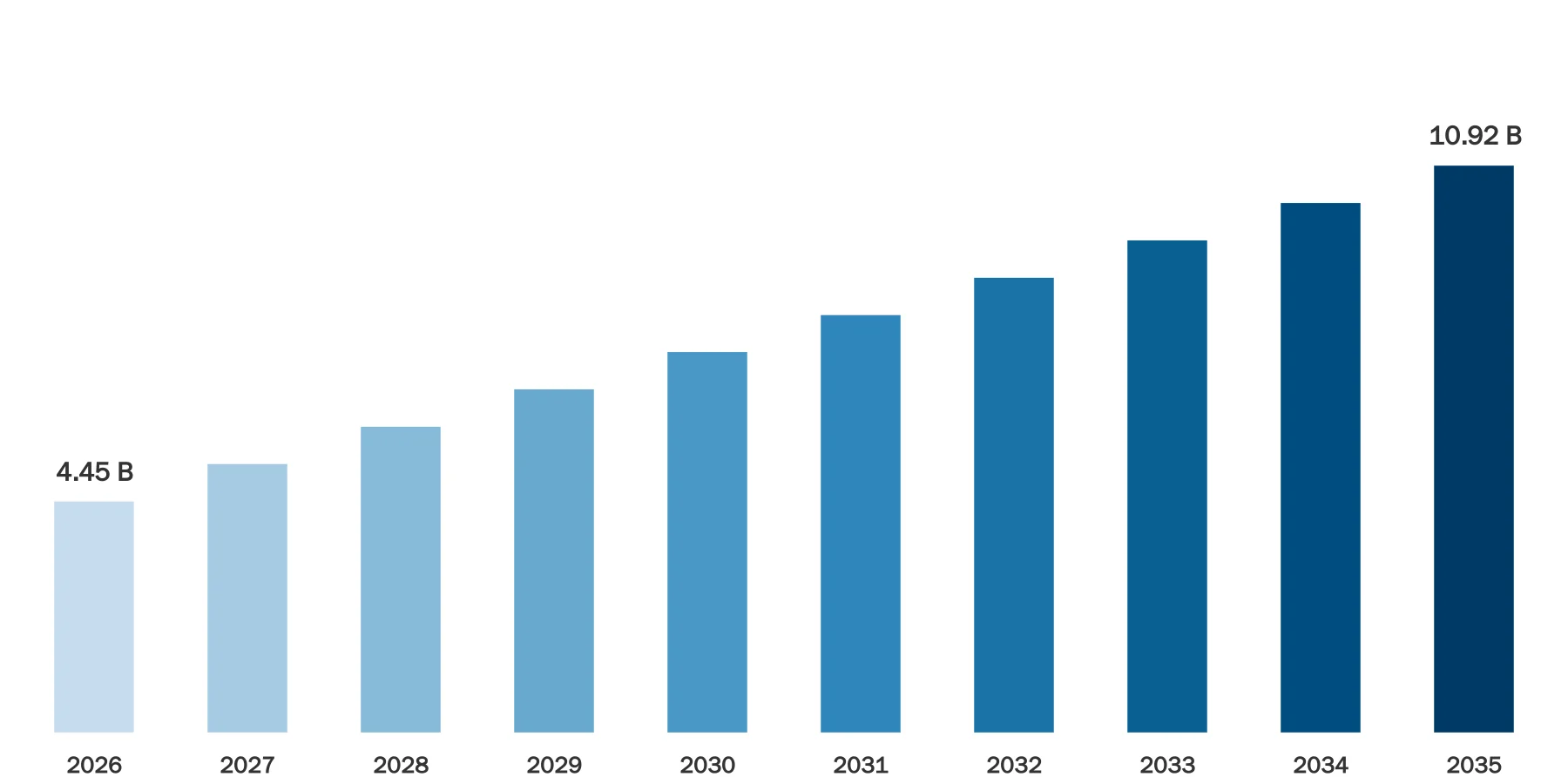
Source: Econ Market Research
The global Liquid Flavor Enhancers Market is expanding rapidly due to increasing consumption of flavored beverages, convenience foods, and customized hydration products. More than 3.2 billion liquid flavor enhancer units are produced annually for beverage concentrates, flavored water additives, dairy applications, and ready-to-drink formulations. Beverage applications account for nearly 30% of total flavor enhancer demand, while liquid and gel formats represent approximately 45% of total flavor usage in beverages. Natural ingredient adoption exceeded 44% of flavor-related product launches in 2025, supported by rising clean-label demand. More than 55% of new food and beverage launches globally now contain natural flavor declarations, especially in bakery, dairy, and hydration products.
The USA Liquid Flavor Enhancers Market remains highly developed due to strong demand for sugar-free beverages, fitness hydration products, and flavored water concentrates. The United States accounts for over 68% of North American liquid flavor enhancer consumption, supported by more than 16,000 beverage manufacturing facilities operating nationwide. Approximately 57% of U.S. consumers regularly purchase flavored hydration products, while nearly 49% prefer low-calorie beverage enhancers. Functional beverages containing electrolytes, vitamins, and botanical extracts increased shelf penetration by 21% during 2025. More than 61% of flavored beverage launches in the U.S. included natural or plant-derived flavor systems, particularly citrus, berry, and tropical fruit profiles. Clean-label beverage products represented nearly 52% of retail launches across supermarkets and convenience channels.
The European Liquid Flavor Enhancers Market is driven by strict ingredient regulations, growing demand for botanical flavors, and increasing consumption of low-sugar beverages. Germany, France, Italy, and the United Kingdom collectively account for more than 63% of European liquid flavor enhancer consumption. Around 58% of European consumers actively seek products containing natural flavor extracts, while synthetic additive avoidance increased by 27% between 2023 and 2025. Beverage manufacturers across Europe introduced more than 1,800 flavored hydration SKUs during 2025 alone. Fruit-derived flavor concentrates account for approximately 46% of regional liquid flavor usage, while botanical and herbal flavor systems contribute nearly 19%. Sugar-reduction initiatives across the European Union influenced over 48% of beverage reformulations during 2024 and 2025.
Liquid Flavor Enhancers Market Latest Trends
The Liquid Flavor Enhancers Market is witnessing significant transformation due to consumer preference for personalization, health-focused beverages, and exotic flavor combinations. More than 55% of beverage launches globally in 2025 included clean-label flavor systems, while natural flavor usage increased by over 18% in sports hydration and flavored water products. Functional beverages containing adaptogens, vitamins, probiotics, and electrolyte blends accounted for nearly 34% of all newly introduced flavored drink products. Sweet-spicy combinations such as mango chili, citrus ginger, and berry jalapeño expanded by 22% across premium beverage categories.
Liquid concentrate packaging formats below 100 ml represented approximately 41% of total retail sales volume because portability remains a major consumer preference. Online retail sales of liquid flavor enhancers increased by 29% during 2025, supported by subscription-based beverage customization services. More than 47% of millennials prefer customizable beverage systems compared to standard ready-to-drink products. Beverage brands launched over 900 new flavor enhancer products featuring botanical extracts, herbal infusions, or zero-sugar formulations during 2025.
Artificial Intelligence-assisted flavor formulation reduced flavor development cycles by nearly 30% among major manufacturers. Citrus-based liquid enhancers account for almost 26% of new launches globally, followed by berry flavors at 18% and tropical fruit variants at 14%. Sustainable sourcing initiatives also increased, with nearly 38% of manufacturers shifting toward traceable Fruit Concentrate supply chains. Functional hydration products containing magnesium, zinc, or caffeine represented around 24% of innovation activity across North America and Europe.
Liquid Flavor Enhancers Market Dynamics
The Liquid Flavor Enhancers Market is influenced by evolving beverage consumption patterns, rising demand for low-calorie products, and expanding applications in bakery, dairy, and functional beverages. Approximately 62% of urban consumers globally prefer flavored hydration products over plain bottled water. More than 44% of food manufacturers now incorporate liquid flavor systems into customized formulations because of higher blending efficiency and flavor intensity. Growth in online grocery platforms increased liquid flavor enhancer accessibility across over 70 countries during 2025. Clean-label demand, reduced sugar intake, and premium beverage innovation remain primary factors shaping the Liquid Flavor Enhancers Market Analysis and Liquid Flavor Enhancers Industry Report.
DRIVER
Increasing Demand for Functional and Low-Calorie Beverages
The primary driver in the Liquid Flavor Enhancers Market is the growing consumption of low-calorie, sugar-free, and functional beverages. Nearly 59% of global consumers actively monitor sugar intake, while approximately 43% seek hydration products containing vitamins, electrolytes, or plant extracts. Functional beverages represented more than 31% of beverage innovation projects in 2025. Liquid flavor enhancers are increasingly used in sports drinks, flavored waters, protein beverages, and wellness formulations because they improve taste without adding high sugar content. More than 2,500 low-calorie beverage SKUs launched globally during 2025 utilized liquid flavor enhancer systems. Beverage companies also reported that flavor customization improves repeat purchase rates by nearly 18%, particularly among consumers aged 18 to 39 years. Portable flavor concentrates below 50 ml account for almost 36% of convenience-store beverage additive sales.
RESTRAINT
Regulatory Restrictions on Synthetic Ingredients
Regulatory scrutiny surrounding artificial additives and synthetic flavor compounds remains a major restraint for the Liquid Flavor Enhancers Market. More than 40 countries revised food additive standards between 2023 and 2025, creating compliance complexity for multinational manufacturers. Approximately 37% of European consumers avoid products containing artificial sweeteners or synthetic flavor chemicals. Reformulating beverages to comply with clean-label regulations increased manufacturing complexity by nearly 24% for beverage producers. Certain artificial color and flavor compounds face restrictions in at least 18 international markets, limiting formulation flexibility. Natural flavor extraction also increases raw material variability because fruit harvest fluctuations affect consistency and availability. Shelf-life limitations remain another concern, as natural liquid flavors often maintain stability for only 6 to 12 months without specialized preservation technologies.
OPPORTUNITY
Expansion of Personalized Beverage Systems
Personalized beverage systems represent a major opportunity within the Liquid Flavor Enhancers Market Forecast. Approximately 47% of consumers between ages 20 and 40 prefer customizable hydration experiences. Smart beverage dispensers, concentrated flavor pods, and portable enhancer bottles increased retail visibility by 28% during 2025. Subscription-based flavored hydration services expanded across North America and Asia-Pacific, reaching over 9 million active users globally. More than 35% of gym-focused beverage brands introduced customizable liquid flavor enhancer products containing caffeine, collagen, amino acids, or electrolytes. Coffee and tea enhancer applications also increased by nearly 16% due to consumer experimentation with premium flavor combinations such as vanilla caramel, hazelnut mocha, and botanical citrus infusions. E-commerce penetration enables smaller brands to launch niche flavor profiles targeting vegan, keto, and fitness-oriented consumers.
CHALLENGES
Volatility in Natural Ingredient Supply Chains
Supply chain instability for natural fruits, herbs, and botanical extracts remains a major challenge in the Liquid Flavor Enhancers Market Outlook. Extreme weather conditions affected citrus yields by nearly 14% across major producing countries during 2024 and 2025. Vanilla bean prices fluctuated by over 22% because of climate-related production disruptions. More than 48% of flavor manufacturers reported sourcing delays for natural extracts, especially tropical fruit concentrates and herbal ingredients. Transportation costs for temperature-sensitive liquid flavor compounds increased by approximately 17% during 2025. Maintaining flavor consistency across multiple production batches remains technically difficult because natural extracts vary in intensity and aroma composition. Manufacturers also face rising packaging sustainability requirements, with nearly 39% of retail buyers demanding recyclable or reusable liquid packaging solutions.
SWOT Analysis
Strengths
Liquid flavor enhancers provide flavor intensity levels up to 4 times higher than powdered alternatives in beverage applications.
More than 55% of new beverage launches include natural or clean-label flavor systems.
Portable packaging under 100 ml contributes nearly 41% of convenience-channel sales.
Beverage applications account for approximately 30% of total liquid flavor enhancer consumption globally.
Online beverage customization subscriptions surpassed 9 million active users during 2025.
Weaknesses
Natural flavor systems typically maintain shelf stability for only 6 to 12 months.
Production costs for botanical extracts remain 20% to 35% higher than synthetic alternatives.
Nearly 37% of consumers avoid artificial sweeteners, limiting formulation flexibility.
Raw material shortages impacted over 48% of flavor manufacturers during 2025.
Cold-chain transportation requirements increased logistics expenses by approximately 17%.
Opportunities
Functional beverages contribute over 31% of beverage innovation activity globally.
Asia-Pacific accounts for more than 36% of global flavor industry demand.
Smart beverage dispensers and personalization platforms expanded by 28% during 2025.
Plant-based beverage launches increased by nearly 24% across Europe and North America.
Botanical flavor combinations grew by approximately 19% in premium hydration products.
Threats
Regulatory restrictions on synthetic additives expanded across more than 40 countries.
Climate disruptions reduced citrus production volumes by around 14%.
Sugar-reduction legislation impacted over 48% of beverage reformulations.
Counterfeit flavor concentrates increased in online retail channels by approximately 11%.
Packaging sustainability compliance costs rose by nearly 16% for beverage manufacturers.
Segmentation Analysis
The Liquid Flavor Enhancers Market segmentation includes flavor type, application, and distribution channel. Beverage applications dominate with approximately 32% share because flavored hydration products continue expanding globally. Bakery and dessert applications contribute around 21% of usage due to rising demand for concentrated fillings and frosting systems. Supermarkets and hypermarkets remain the leading distribution channel with nearly 38% share, while online retail contributes approximately 19%. Sweet and dessert flavors account for the largest category because of strong usage in beverages, confectionery, dairy, and bakery products. Savory and umami flavors are gaining traction in snacks, sauces, and ready-to-eat foods.
By Flavor Type
Sweet and dessert flavor enhancers dominate the Liquid Flavor Enhancers Market Share with nearly 64% volume contribution globally. Vanilla, caramel, berry, citrus, chocolate, and tropical fruit profiles represent the highest-demand categories across beverages and dairy products. Fruit-derived concentrates alone account for around 46% of flavor system consumption in Europe. Beverage brands introduced more than 1,200 fruit-based liquid enhancer products during 2025. Sweet flavor systems remain highly popular in flavored waters, sports drinks, yogurt products, and dessert syrups because nearly 58% of consumers prefer sweetened hydration experiences.
Savory and umami flavor enhancers represent approximately 36% of the market and are expanding rapidly in soups, sauces, instant noodles, and savory snacks. Umami concentrates containing mushroom extracts, soy derivatives, and fermented vegetable compounds increased by 18% during 2025. Asian markets account for nearly 49% of savory liquid flavor consumption because instant meal products remain highly popular. Meat-alternative applications also increased by 14%, especially among plant-based food manufacturers seeking stronger taste profiles.
By Application
Beverages lead the Liquid Flavor Enhancers Market Size with approximately 32% market share. Cold beverages account for nearly 74% of beverage-related liquid flavor usage because flavored water, energy drinks, and sports beverages continue expanding globally. Hot beverages such as flavored coffee and tea contribute around 26% of beverage application demand. More than 900 beverage enhancer products launched globally during 2025 featured low-calorie formulations and botanical extracts.
Bakery and desserts account for nearly 21% of total market consumption. Cakes, pastries, and confectionery applications increasingly use concentrated liquid flavors because of superior blending and moisture retention. Dairy products contribute approximately 18% of market demand, with ice cream representing nearly 57% of dairy-related flavor usage. Yogurt and cultured products expanded by 13% because consumers increasingly prefer probiotic-enhanced flavored dairy products. Savory snacks contribute around 15% share, especially in Asia-Pacific where spicy and umami flavor systems gained more than 17% popularity between 2023 and 2025.
By Distribution Channel
Supermarkets and hypermarkets dominate the Liquid Flavor Enhancers Market with approximately 38% distribution share because consumers prefer broad flavor selections and bundled beverage products. Convenience stores contribute nearly 23% due to impulse purchases of portable flavor enhancers below 50 ml. Urban consumers account for nearly 61% of convenience-store liquid enhancer purchases.
Online retail represents approximately 19% of total distribution and expanded by 29% during 2025. Subscription beverage systems and direct-to-consumer platforms significantly increased online penetration. Specialty stores account for nearly 11% share because premium organic and botanical flavor products are increasingly sold through health-focused retail outlets. Food service channels contribute around 9%, driven by café chains, smoothie bars, and restaurant beverage customization programs. More than 4,000 restaurant outlets globally introduced customizable flavored beverage menus during 2025.
Regional Analysis
North America maintains strong market leadership due to functional beverage demand and advanced retail penetration.
Europe emphasizes clean-label formulations and sugar-reduction compliance.
Asia-Pacific dominates manufacturing volumes and savory flavor innovation.
Middle East & Africa experience rising demand for flavored hydration and premium beverage imports.
North America
North America accounts for approximately 34% of the global Liquid Flavor Enhancers Market Share. The United States contributes more than 68% of regional consumption because of high demand for flavored hydration products and sports beverages. Nearly 57% of North American consumers regularly purchase flavored water additives or liquid beverage concentrates. Functional beverages containing vitamins, caffeine, or electrolytes expanded by approximately 24% during 2025. More than 61% of beverage launches across the region included natural flavor declarations.
Canada contributes around 14% of regional demand, while Mexico represents nearly 18%. Convenience stores account for approximately 29% of liquid flavor enhancer distribution across North America. Berry, citrus, and tropical fruit flavors collectively represent more than 52% of regional product launches. Plant-based beverage applications increased by nearly 21% between 2023 and 2025. Retail demand for zero-sugar enhancer products also expanded because nearly 49% of consumers prefer low-calorie hydration solutions. Sports nutrition beverage enhancers remain particularly strong among consumers aged 18 to 35 years.
Europe
Europe represents approximately 27% of the Liquid Flavor Enhancers Market Size. Germany, France, the United Kingdom, and Italy account for more than 63% of European demand. Clean-label product penetration exceeds 58% across beverage categories due to strict ingredient regulations. More than 48% of beverage reformulations during 2024 and 2025 focused on sugar reduction and artificial additive removal.
Fruit-derived flavor systems contribute nearly 46% of regional liquid flavor consumption, while herbal and botanical concentrates account for approximately 19%. Germany leads in flavored dairy innovation, with yogurt and cultured beverage launches increasing by 16% during 2025. The United Kingdom witnessed a 22% increase in flavored hydration product sales across online channels. France remains highly focused on premium botanical beverage enhancers using lavender, mint, and citrus infusions. European manufacturers also prioritize recyclable packaging, with nearly 39% of new liquid flavor enhancer products using sustainable materials. Specialty organic retail stores contribute around 13% of distribution activity across the region.
Asia-Pacific
Asia-Pacific dominates the broader flavor industry with nearly 36.8% share and remains the fastest-growing region for liquid flavor enhancers. China, India, Japan, and South Korea collectively account for approximately 71% of regional demand. Urbanization and rising packaged beverage consumption significantly support the Liquid Flavor Enhancers Market Growth across Asia-Pacific. More than 2 billion ready-to-drink beverage units containing liquid flavor systems were consumed across the region during 2025.
Savory and umami flavor systems hold nearly 49% share within Asian food applications because instant noodles, sauces, and ready meals remain highly popular. India recorded approximately 60% market share for liquid flavor forms in the domestic flavor industry during 2025. Natural flavor ingredients contribute around 51% of ingredient demand in India due to clean-label preference. Japan remains highly innovative in tea and coffee enhancer categories, while South Korea expanded functional hydration launches by nearly 18%. Online retail contributes approximately 24% of liquid flavor enhancer sales across Asia-Pacific due to high smartphone penetration and digital grocery adoption.
Middle East & Africa
The Middle East & Africa region accounts for approximately 9% of the global Liquid Flavor Enhancers Market Outlook. Gulf countries contribute nearly 46% of regional demand because premium beverage imports and flavored hydration products continue expanding rapidly. Bottled beverage consumption increased by approximately 17% across the Gulf Cooperation Council countries during 2025.
South Africa remains a leading regional market due to strong retail distribution and increasing flavored dairy product demand. Fruit-based flavor enhancers account for around 43% of regional consumption, particularly mango, citrus, and berry variants. Convenience stores contribute nearly 26% of regional sales, while supermarkets and hypermarkets represent approximately 37%. Functional beverages containing vitamins and electrolytes expanded by 19% because of rising health awareness among younger consumers. Import dependence remains relatively high, with more than 52% of liquid flavor concentrates sourced internationally. Premium café chains across the Middle East also increased flavored coffee enhancer usage by nearly 14% during 2025.

Competitive Landscape
The Liquid Flavor Enhancers Market is highly competitive with multinational flavor companies focusing on clean-label innovation, natural extracts, and beverage customization technologies. More than 65% of leading manufacturers increased investment in botanical flavor extraction technologies between 2023 and 2025. Product portfolios now include electrolyte concentrates, sugar-free beverage enhancers, coffee flavor drops, and functional hydration systems.
Approximately 55% of major product launches during 2025 emphasized natural ingredients or reduced sugar formulations. Artificial intelligence-assisted flavor development reduced product testing cycles by nearly 30% among leading companies. Strategic acquisitions and regional manufacturing expansion remain key competitive strategies. More than 18 new production facilities for liquid flavor systems were established globally between 2023 and 2025.
Companies are also focusing on sustainability initiatives. Nearly 39% of manufacturers adopted recyclable packaging for liquid flavor concentrates. Botanical sourcing partnerships increased by approximately 22% because companies seek stable ingredient supply chains. Flavor personalization technologies and smart beverage dispenser integrations also emerged as major competitive differentiators. Beverage-focused collaborations with sports nutrition brands, café chains, and ready-to-drink manufacturers continue driving innovation across the Liquid Flavor Enhancers Industry Analysis.
List of Top Liquid Flavor Enhancers Companies
Kerry Group
Givaudan
International Flavors & Fragrances
Symrise
Sensient Technologies
Tate & Lyle
McCormick & Company
ADM
Firmenich
Döhler
Leading Companies by Market Share
Givaudan and International Flavors & Fragrances remain the leading companies by market share in the global Liquid Flavor Enhancers Market. Together, these companies account for approximately 28% of the global flavor solutions sector through extensive beverage, dairy, bakery, and nutrition portfolios. Givaudan operates across more than 170 locations globally and manages thousands of flavor formulations annually. International Flavors & Fragrances maintains operations in over 65 countries and supports more than 22,000 product formulations for food and beverage applications. Both companies significantly expanded natural ingredient and biotechnology-based flavor development capabilities during 2023–2025.
Market Investment Outlook
The Liquid Flavor Enhancers Market Opportunities continue expanding due to rising investments in natural flavor extraction, beverage personalization, and functional hydration technologies. More than 65% of major manufacturers increased capital allocation toward clean-label ingredient development between 2023 and 2025. Investments in botanical extraction facilities increased by approximately 21% globally because demand for natural citrus, berry, herb, and spice concentrates continues rising.
Asia-Pacific remains the leading investment destination due to expanding beverage manufacturing capacity and strong urban consumption growth. More than 18 new liquid flavor production facilities were announced globally during 2025. Automation technologies reduced production waste by nearly 14% in advanced flavor manufacturing plants. Venture funding for personalized beverage systems and smart drink dispensers increased by approximately 26% during 2025.
Online retail investments also remain strong. Subscription beverage enhancement platforms expanded consumer reach across over 70 countries. Functional beverage partnerships involving vitamins, electrolytes, adaptogens, and probiotics increased by 24% among beverage manufacturers. Sustainable Packaging technologies received increased funding because nearly 39% of consumers now prefer recyclable beverage additive containers. Companies are also investing in biotechnology-derived flavors to improve consistency and reduce agricultural dependency. Research into fermentation-based flavor production expanded by approximately 17% during 2025.
New Product Development
New product development within the Liquid Flavor Enhancers Market focuses heavily on natural ingredients, sugar reduction, and functional beverage integration. More than 900 liquid flavor enhancer products launched globally during 2025 across hydration, coffee, tea, dairy, and sports nutrition categories. Approximately 55% of these launches emphasized clean-label claims or botanical ingredients.
Functional hydration products containing magnesium, zinc, collagen, caffeine, or probiotics represented nearly 24% of innovation activity. Citrus-ginger, berry-mint, mango-chili, and cucumber-lime emerged among the fastest-growing flavor combinations globally. Beverage companies increasingly introduced concentrated flavor systems requiring only 2–5 ml per serving, improving portability and reducing packaging waste.
Artificial intelligence-assisted formulation technologies reduced flavor development cycles by approximately 30%. Fermentation-derived natural flavors gained popularity because they provide consistent taste profiles while reducing dependence on climate-sensitive crops. Plant-based dairy flavor enhancers expanded by nearly 19% due to rising vegan product demand.
Packaging innovation also accelerated. Refillable liquid enhancer containers increased by approximately 16% during 2025. Child-resistant cap systems and precision droplet dispensers became common in premium product categories. Smart beverage dispensers compatible with app-controlled flavor customization systems gained strong traction in North America and Asia-Pacific markets.
Recent Developments
In 2025, multiple global beverage manufacturers introduced over 900 new liquid flavor enhancer products focused on botanical extracts, low-calorie formulations, and electrolyte blends.
During 2024, natural flavor declarations appeared in more than 55% of global beverage launches, reflecting rising clean-label demand and reduced synthetic additive usage.
In 2025, artificial intelligence-assisted flavor formulation technologies reduced product development timelines by approximately 30% among leading flavor companies.
Between 2023 and 2025, more than 18 new liquid flavor production facilities were established globally to support beverage customization and functional hydration demand.
In 2025, recyclable packaging adoption for liquid flavor enhancer products increased by nearly 39%, driven by sustainability regulations and retailer requirements.
Report Coverage of Liquid Flavor Enhancers Market
The Liquid Flavor Enhancers Market Research Report provides extensive analysis of flavor type, application, distribution channel, competitive landscape, and regional demand patterns. The report evaluates sweet, dessert, savory, and umami flavor systems across beverages, dairy products, bakery applications, and savory snacks. It includes analysis of more than 70 countries and tracks product innovation trends, ingredient preferences, and packaging developments between 2023 and 2025.
The report examines consumer demand for low-calorie beverages, clean-label ingredients, and personalized hydration systems. Approximately 55% of analyzed beverage launches contain natural flavor systems, while functional beverage applications represent over 31% of innovation activity globally. The study also evaluates supply chain trends, including fluctuations in citrus, vanilla, and botanical ingredient sourcing.
Regional coverage includes North America, Europe, Asia-Pacific, and Middle East & Africa with detailed market share analysis and consumption trends. Distribution channel analysis covers supermarkets, convenience stores, online retail, specialty stores, and food service applications. Competitive profiling includes leading manufacturers focusing on natural extraction technologies, biotechnology-based flavors, and smart beverage customization systems. The report also tracks packaging innovations, sustainability initiatives, and regulatory developments influencing the Liquid Flavor Enhancers Market Trends and Liquid Flavor Enhancers Industry Report.
Liquid Flavor Enhancers Market Report Scope & Segmentation
| Attributes | Details |
|---|---|
Market Size (Current) | US$ 4.45 Billion in 2026 |
Market Size (Forecast) | US$ 10.92 Billion in 2035 |
Growth Rate | CAGR of 11.6% from 2026 to 2035 |
Forecast Period | 2026 – 2035 |
Base Year | 2025 |
Historical Data Available | Yes |
Regional Scope | Global |
Segments Covered | By Product Type
By Application
|
Frequently Asked Questions
Common questions about this report
The study period covers historical insights and forecast projections for the period 2026-2035.
About the Author
Market research expert with years of industry experience

Related Reports
Explore more market insights from the same category