

Kombucha Market
Kombucha Market Size, Share, Trends, Growth, and Industry Analysis, By Type (Original, Flavored), By Distribution Channel (Supermarkets/Hypermarkets, Health Stores, Online Retail), By Packaging (Glass Bottles, Cans), Regional Analysis and Forecast Period 2026-2035
Kombucha Market Overview
As per Econ Market Research analysis, the Global Kombucha Market size amounted to US$ 4.15 Billion in 2026 and is anticipated to grow to US$ 15.41 Billion by 2035, recording a CAGR of 16.3% during 2026–2035. The base year taken for analysis is 2025.
Kombucha Market Size 2025-2035 (USD Billion)

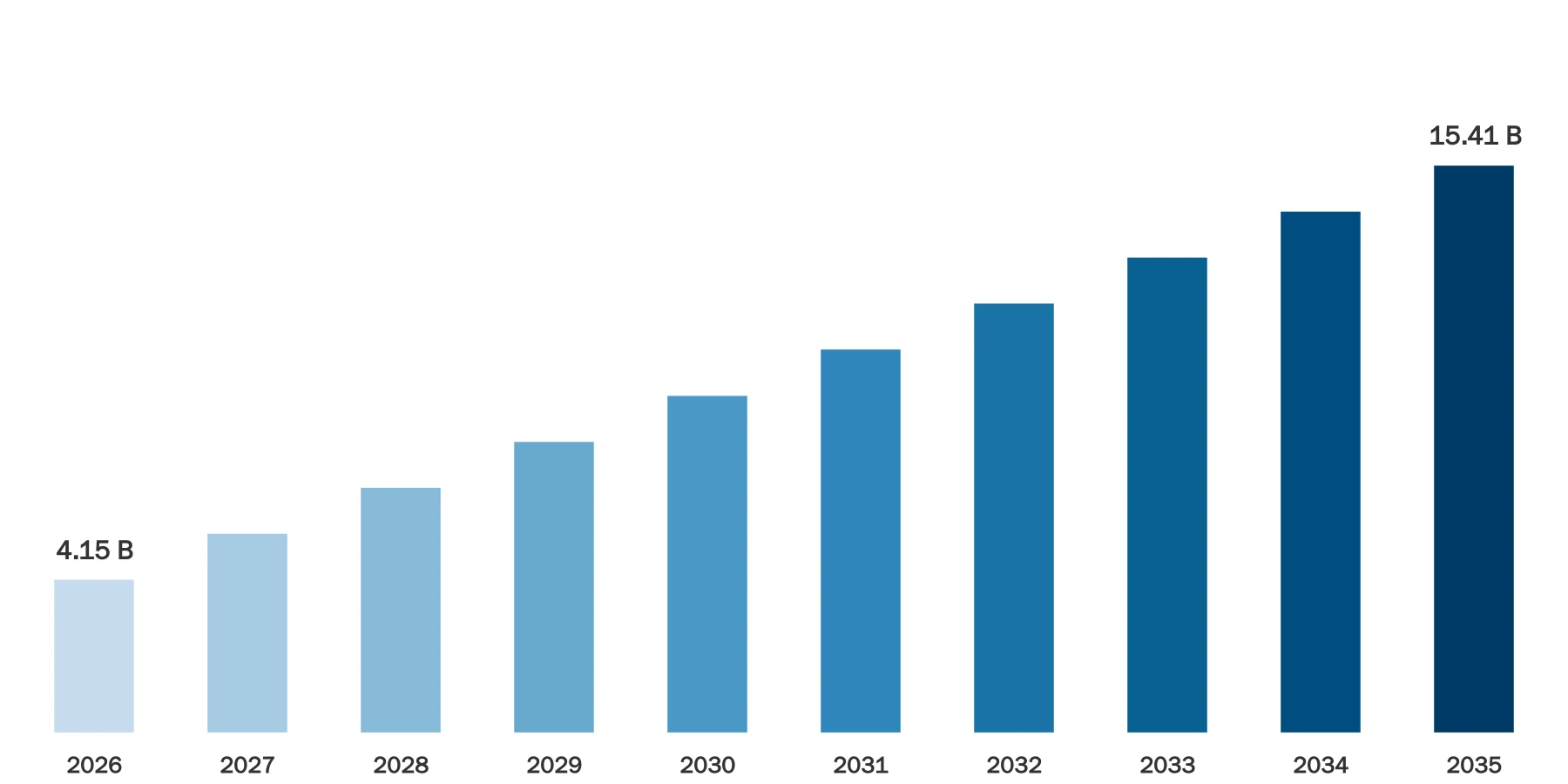
Source: Econ Market Research
Kombucha is a fizzy, fermented tea beverage that is gaining popularity due to its perceived health benefits and unique taste. It is made by fermenting sweetened tea with a symbiotic culture of bacteria and yeast (SCOBY). The market is characterized by a surge in demand driven by health-conscious consumers seeking natural and probiotic-rich beverages. Growing knowledge of gut health, greater disposable incomes, and a shift toward healthier beverage options are all key elements fuelling the kombucha market',s rise.
The market is also benefiting from the rising popularity of wellness and holistic health approaches. Manufacturers are offering new tastes and formulations to accommodate to a wide range of consumer preferences, accelerating market growth. Geographically, North America dominates the global kombucha market, owing to a high adoption rate of health-conscious lifestyles and a large presence of kombucha brands. However, Asia Pacific is emerging as a profitable market due to the beverage',s historical roots in nations such as China and Japan, combined with rising health consciousness among consumers.
Kombucha Dynamics
Consumer awareness of kombucha',s health advantages, such as enhanced digestion and immunological support, continues to grow, driving demand for the beverage. Furthermore, the trend toward healthier lifestyles and nutritional choices has resulted in a shift away from typical sugary beverages and towards natural, probiotic-rich alternatives such as kombucha. Furthermore, the industry is driven by shifting customer preferences, with a growing need for novel flavors and formulas.
Manufacturers respond to this trend by offering a broad array of kombucha flavors, including exotic fruits, herbs, and spices, to cater to various tastes. Furthermore, the distribution landscape plays a significant role in shaping market dynamics. Kombucha is increasingly available in a variety of retail channels, including supermarkets, Health Food stores, and online platforms, enhancing accessibility and driving sales growth. Additionally, strategic partnerships between kombucha brands and retailers are facilitating market expansion by increasing product visibility and reach.
Kombucha Drivers
Increasing Health Consciousness
As people become more health conscious, there is a greater demand for natural and functional beverages such as kombucha. Kombucha',s reputation as a probiotic-rich drink with possible digestive and immunological health advantages is consistent with this trend. Furthermore, increased worries about gut health and a desire for products with few artificial additives drive demand for kombucha. This driver is important because it not only draws existing health-conscious consumers, but also converts those looking for healthier alternatives to standard sugary drinks. As a result, kombucha makers can capitalize on this trend by stressing their beverages', health benefits through tailored marketing campaigns and educational programs.
Expansion of Distribution Channels
The increasing availability of kombucha in various retail channels contributes to market growth. Kombucha is no longer limited to health food stores but is now widely available in supermarkets, convenience stores, and online platforms. This expansion of distribution channels enhances accessibility to a broader consumer base, driving sales volume.
Additionally, partnerships with cafes, restaurants, and gyms further widen the reach of kombucha products, presenting new avenues for growth. This driver is crucial as it not only increases visibility but also introduces kombucha to consumers who may not have encountered it otherwise. Consequently, kombucha brands can leverage these distribution networks to penetrate new markets and increase market share.
Kombucha Restraints:
Regulatory Complexities
The kombucha industry has compliance challenges such as labeling standards, alcohol content control, and fermentation techniques. Regulations governing the classification and labeling of kombucha vary by region, posing compliance challenges for manufacturers operating globally. Furthermore, concerns about alcohol levels in kombucha may result in stronger laws, thus limiting market growth. This constraint is crucial because it adds operational difficulties and compliance costs for kombucha manufacturers, thereby inhibiting market expansion.
Quality Control Challenges
The inherent diversity of the fermentation process makes it difficult to maintain consistency and quality in kombucha production. Temperature, fermentation period, and microbial activity can all have an effect on kombucha',s flavor, texture, and probiotic content. To ensure product uniformity across batches, extensive quality control methods must be used, as well as investments in monitoring and testing equipment.
Furthermore, the possibility of contamination during fermentation raises food safety concerns, demanding stringent quality assurance measures. This constraint is significant because it emphasizes the significance of investing in quality control infrastructure and adhering to strict production standards to mitigate risks and protect brand reputation.
Kombucha Opportunities:
Innovation in Flavors and Formulations
The growing consumer demand for variety and novelty presents opportunities for kombucha manufacturers to innovate in flavors and formulations. Experimentation with unique ingredients, such as exotic fruits, herbs, and botanicals, allows brands to differentiate their products and cater to evolving consumer preferences. Moreover, the introduction of functional additives, such as adaptogens or vitamins, can enhance the perceived health benefits of kombucha, appealing to health-conscious consumers seeking additional wellness benefits. This opportunity is significant as it allows kombucha brands to stay competitive in a crowded market by offering differentiated products that resonate with target consumers', preferences.
Segment Overview
By Type
The segmentation by type encompasses two main categories: traditional and flavored kombucha. Traditional kombucha follows the classic recipe, typically consisting of fermented black or green tea with sugar and SCOBY. This type appeals to purists and those seeking the authentic kombucha experience. On the other hand, flavored kombucha includes variations infused with fruits, herbs, spices, and other natural flavourings. These flavored options cater to diverse consumer preferences, offering a wide array of taste experiences beyond the traditional kombucha profile.
By Flavor
Within the flavored kombucha segment, two popular flavor categories are berry and citrus. Berry-flavored kombucha incorporates a range of berries such as strawberries, raspberries, blueberries, and blackberries, providing a sweet and tangy flavor profile. Citrus-flavored kombucha features citrus fruits like lemon, lime, orange, and grapefruit, offering a refreshing and zesty taste experience. These flavor options appeal to different taste preferences, allowing consumers to choose kombucha flavors that align with their palate preferences and dietary choices.
By Distribution Channel
The distribution channel segmentation comprises offline and online channels. Offline channels include brick-and-mortar retail outlets such as supermarkets, specialty stores, health food stores, and cafes where kombucha is sold physically. These offline channels offer convenience and immediate access to kombucha products for consumers. On the other hand, online channels refer to e-commerce platforms where kombucha is purchased digitally and delivered to consumers', doorsteps. Online distribution provides flexibility, convenience, and access to a broader range of kombucha brands and flavors, particularly for consumers in remote regions or with limited access to physical stores.
Kombucha Overview by Region
North America dominates the market, owing to high consumer awareness, strong health and wellness trends, and a large number of kombucha brands. The region benefits from a developed market environment with well-established distribution networks and a diverse flavor offering. Furthermore, the United States dominates the North American market, accounting for a large portion of kombucha consumption and production.
The kombucha industry in Europe is steadily expanding, driven by rising health consciousness, increased demand for natural and organic beverages, and expanded distribution channels. Countries such as the United Kingdom, Germany, and France are developing as significant markets within this region, driven by increased consumer interest in probiotic-rich drinks and functional beverages. Meanwhile, Asia Pacific presents lucrative opportunities for market players, particularly in countries like China, Japan, and Australia, where kombucha has historical roots and is gaining popularity due to its perceived health benefits.
The region',s large population, changing dietary habits, and growing disposable incomes contribute to market expansion. Moreover, Latin America and the Middle East and Africa regions are witnessing nascent growth in the kombucha market, driven by increasing urbanization, changing consumer lifestyles, and growing awareness of health and wellness. However, these regions also face challenges related to regulatory frameworks, distribution infrastructure, and consumer education.
Kombucha Market Competitive Landscape
Leading companies such as GT',s Living Foods, KeVita, and Health-Ade dominate the market with their extensive product portfolios, strong brand recognition, and widespread distribution networks. These key players continually innovate to introduce new flavors, formulations, and packaging formats, catering to evolving consumer preferences and driving market growth. Additionally, collaborations with retailers, as well as marketing and advertising investments, help to consolidate their market positions.
Along with major companies, other smaller and regional businesses are joining the market, offering specialist products and flavors to specific consumer niches. To stand out in a competitive landscape, these rising brands frequently emphasize their commitment to quality, sustainability, and authenticity. Furthermore, technological developments and investments in R&,D promote product innovation and differentiation, increasing competition. As the industry evolves, mergers, acquisitions, and collaborations are projected to transform the competitive landscape, with companies aiming to increase their market presence and improve their competitive advantages.
Kombucha Market Leading Companies:
Real Kombucha
Brothers and Sisters
GT&rsquo,s Living Food
VIGO KOMBUCHA
Kø,benhavn Kombucha
Equinox Kombucha
Remedy Drinks
Læ,sk
BB Kombucha
GO Kombucha
MOMO KOMBUCHA
Lo Bros
Kombucha Recent Developments
Sept 2023, iHeartMedia has teamed up with Health-Ade, a kombucha beverage brand, marking a significant partnership. Through this collaboration, Health-Ade aims to leverage iHeartMedia',s extensive multi-platform network to broaden its reach to diverse audiences. With over a quarter billion monthly listeners across various platforms including broadcast radio, podcasts, Digital Content, and live events, iHeartMedia offers a vast opportunity for Health-Ade to introduce its kombucha products to new consumers nationwide.
Kombucha Report Segmentation
Kombucha Market Report Scope & Segmentation
| Attributes | Details |
|---|---|
Market Size (Current) | US$ 4.15 Billion in 2026 |
Market Size (Forecast) | US$ 15.41 Billion in 2035 |
Growth Rate | CAGR of 16.3% from 2026 to 2035 |
Forecast Period | 2026 – 2035 |
Base Year | 2025 |
Historical Data Available | Yes |
Regional Scope | Global |
Segments Covered | By Type
By Distribution Channel
By Packaging
|
Frequently Asked Questions
Common questions about this report
The study period covers historical insights and forecast projections for the period 2026-2035.
About the Author
Market research expert with years of industry experience

Dipali Bhingare serves as the Market Research Director at Econ Market Research. With a focus on translating complex global economic shifts into actionable business intelligence, she oversees the strategic direction of comprehensive market studies. Her work empowers organizations to navigate volatile industries through data-driven forecasting and deep-dive competitive analysis.
Related Reports
Explore more market insights from the same category