

In-Car Infotainment Market
In-Car Infotainment Market Size, Share, Trends, Growth, and Industry Analysis, By Component (Hardware, Software), By Installation Type (OE Fitted, Aftermarket), By Vehicle Type (Passenger Cars, Commercial Vehicles), Regional Analysis and Forecast Period 2026-2035
Market Overview
As per Econ Market Research analysis, the Global In-Car Infotainment Market was valued at approximately US$ 34.46 Billion in 2026 and is predicted to reach US$ 76.29 Billion by 2035, expanding at a CAGR of 9.24% over the forecast duration. The base year is 2025.
In-Car Infotainment Market Size 2025-2035 (USD Billion)

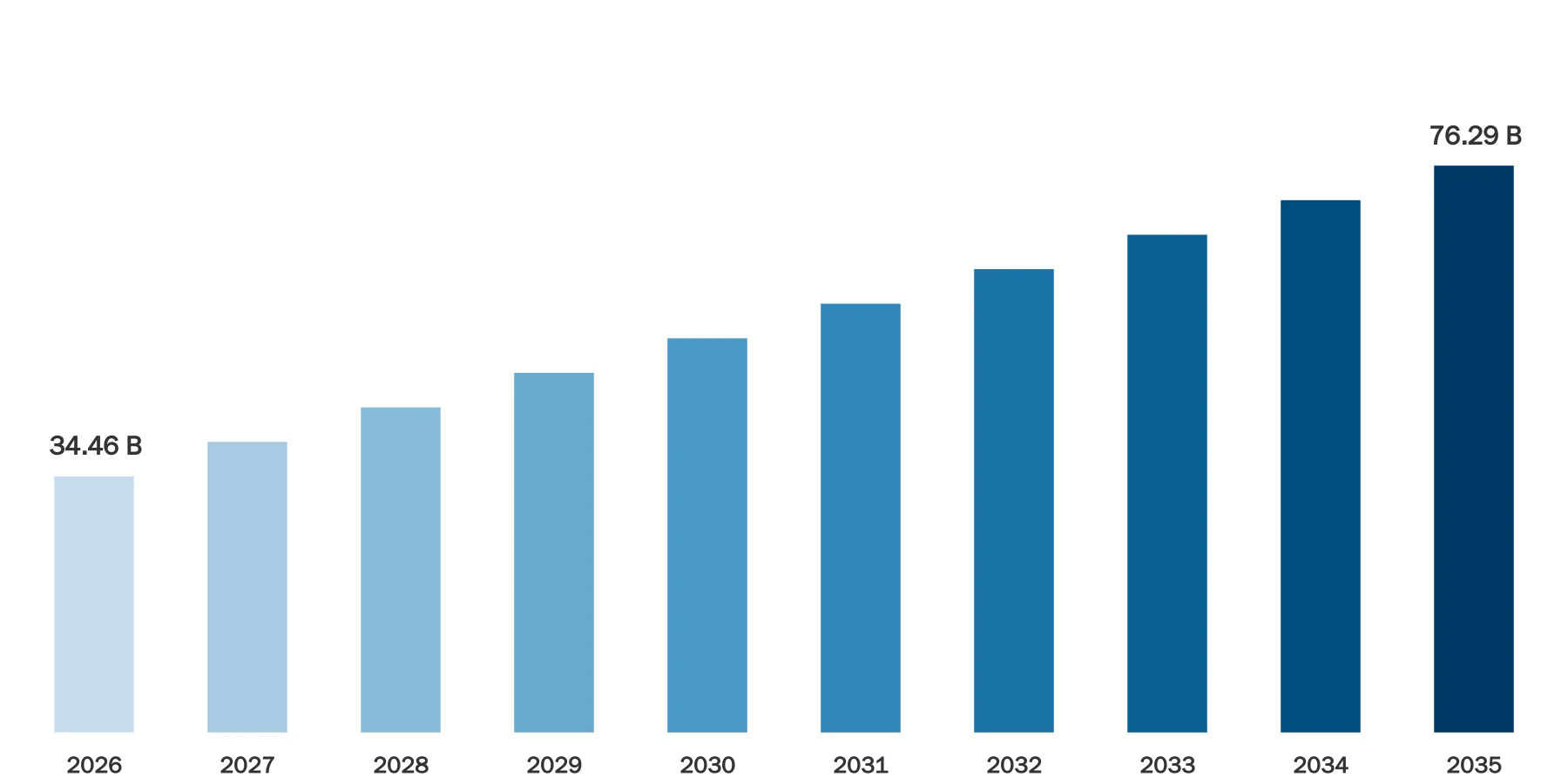
Source: Econ Market Research
The Global In-Car Infotainment Market refers to the integrated systems within automobiles that provide entertainment, information, and connectivity services to passengers and drivers. This multifaceted technology encompasses various features such as audio/video playback, navigation, internet connectivity, smartphone integration, and vehicle diagnostics. With the rapid advancement of technology and consumer demand for enhanced driving experiences, the in-car infotainment market has witnessed substantial growth in recent years.
Key drivers of this expansion include the proliferation of connected cars, rising consumer expectations for seamless digital experiences, and the integration of advanced technologies like Artificial Intelligence and augmented reality into automotive entertainment systems. Additionally, regulatory mandates promoting driver safety and the emergence of Autonomous Vehicles have further propelled the adoption of in-car infotainment solutions. As a result, the global market for in-car infotainment is poised for continued growth, with industry players focusing on innovation, partnerships, and strategic acquisitions to stay competitive in this dynamic landscape.
In-Car Infotainment Dynamics
Technological advancements play a pivotal role, with continuous innovations in connectivity, user interface design, and integration of artificial intelligence reshaping the landscape. Consumers increasingly demand seamless and intuitive in-car experiences, driving manufacturers to invest in cutting-edge solutions that blend entertainment, communication, and navigation functionalities. Moreover, the rise of autonomous and electric vehicles is reshaping the market dynamics, as these vehicles require sophisticated in-car infotainment systems to support their advanced capabilities and cater to evolving consumer preferences.
Additionally, regulatory mandates focused on improving road safety and reducing driver distractions are influencing product development and driving the adoption of hands-free interfaces and voice recognition technologies. Furthermore, partnerships and collaborations across the automotive and technology sectors are facilitating the development of integrated solutions that offer enhanced connectivity and personalized experiences to drivers and passengers. Amidst these dynamics, market players must navigate challenges such as data privacy concerns, cybersecurity threats, and interoperability issues to capitalize on emerging opportunities and stay competitive in the rapidly evolving in-car infotainment landscape.
In-Car Infotainment Drivers
Consumer Demand for Enhanced Connectivity:
The increasing number of people owning smartphones and the increasing pervasiveness of digital technology in daily life has led to consumers expecting seamless connectivity in their cars. This force forces automakers to keep coming up with new ideas and implementing cutting-edge in-car infotainment systems that include features like smartphone integration, Bluetooth connectivity, and Wi-Fi hotspots. The market is expanding as a result of consumer demand for in-car infotainment systems that make it simple to access multimedia content, navigation services, and communication platforms while driving.
Advancements in Autonomous Driving Technology:
The need for advanced in-car infotainment systems that can support autonomous and semi-autonomous driving functions is being driven by the quick development of autonomous driving technology. There will be a greater need for in-car infotainment systems that provide interactive displays, augmented reality experiences, and cutting-edge entertainment features as passengers look for entertainment and productivity options during their travels in increasingly autonomous vehicles. This factor encourages technology companies and automakers to spend money creating cutting-edge in-car infotainment systems that meet the changing needs of passengers in self-driving cars, which in turn spurs market expansion.
Restraints:
Data Privacy and Security Concerns
Concerns regarding data privacy and security vulnerabilities are brought up by the in-car infotainment systems', growing connectedness. Cars are increasingly vulnerable to cyberattacks and data breaches as a result of their increased connectivity to the internet and external networks. In order to address these issues, strong cybersecurity measures and adherence to strict data protection laws are needed. This could make creating and implementing in-car infotainment systems more complicated and expensive, which would limit the market',s potential growth.
Compatibility and Interoperability Issues
In-car infotainment systems frequently face compatibility and interoperability issues due to the diverse ecosystem of automakers, software developers, and technology suppliers. There may be instances where disparate hardware platforms, operating systems, and software interfaces do not work well together, leading to fragmented user experiences and limited functionality. It will take industry-wide cooperation, standardisation initiatives, and investments in open-source platforms to overcome these compatibility and interoperability problems. These actions could hinder the development and uptake of new in-car infotainment technologies and limit market expansion.
Opportunities:
Integration of Artificial Intelligence (AI) and Machine Learning:
Enhancing the capabilities and functionalities of in-car infotainment systems is made possible by the integration of AI and machine learning technologies. Voice assistants with AI capabilities, predictive analytics, and customised recommendations can provide drivers and passengers with more customised and intuitive experiences, facilitating effortless engagement with the car',s entertainment, navigation, and communication amenities. Automotive manufacturers and technology companies can take advantage of growth opportunities in the market by utilising AI and machine learning to differentiate their in-car infotainment offerings, drive user engagement, and capitalise on new revenue streams.
Segment Overview
By Product
By product, the market includes audio units, display units, head-up displays, navigation units, and communication units. Audio units provide sound output for entertainment purposes, while display units offer visual interfaces for accessing multimedia content and vehicle information. Head-up displays project critical information onto the windshield, enhancing driver safety and convenience. Navigation units facilitate route planning and guidance, while communication units enable wireless connectivity and hands-free communication within the vehicle.
By Component
In terms of components, the market consists of hardware and software components. Hardware components include physical devices such as processors, screens, speakers, and connectivity modules that form the backbone of in-car infotainment systems. Software components encompass operating systems, applications, and firmware that enable the functionality and user interface of in-car infotainment systems, including navigation software, media players, and voice recognition systems.
By Installation Type
Installation type includes original equipment manufacturer (OEM) installations and aftermarket installations. OEM installations are integrated into vehicles during the manufacturing process and typically offer seamless compatibility and integration with other vehicle systems. Aftermarket installations involve retrofitting or upgrading existing vehicles with aftermarket in-car infotainment systems, providing flexibility and customization options for consumers.
By Application
The application segment encompasses passenger cars and commercial vehicles. Passenger cars include various vehicle types such as sedans, SUVs, and hatchbacks, catering to individual consumers and families. Commercial vehicles include trucks, buses, and vans used for transportation, logistics, and fleet management purposes. In-car infotainment systems in passenger cars focus on enhancing the driving experience and passenger comfort, while those in commercial vehicles may prioritize productivity, connectivity, and safety features tailored to professional drivers and fleet operators.
In-Car Infotainment Overview by Region
North America represents one of the leading markets for in-car infotainment, driven by a strong automotive industry, high consumer demand for advanced technology, and a tech-savvy population. The region is characterized by a robust ecosystem of automotive manufacturers, technology companies, and content providers collaborating to deliver innovative in-car infotainment solutions tailored to the preferences of North American consumers. Europe is another prominent market, known for its stringent safety and emissions regulations, which have spurred the adoption of in-car infotainment systems with advanced driver assistance features and connectivity functionalities.
Additionally, the growing popularity of electric vehicles in Europe is driving demand for in-car infotainment solutions that support electric vehicle charging, energy management, and navigation capabilities. Asia-Pacific emerges as a key growth region, fuelled by rising disposable incomes, increasing urbanization, and expanding automotive markets in countries such as China, Japan, South Korea, and India.
The region is witnessing significant investments in connected car technology, smart mobility solutions, and digital infrastructure, driving the adoption of in-car infotainment systems that offer localized content, language support, and navigation services tailored to diverse consumer preferences. Furthermore, government initiatives promoting vehicle electrification, emission reduction, and road safety are shaping the regulatory landscape and influencing the development and adoption of in-car infotainment technologies in the Asia-Pacific region. Other regions such as Latin America, the Middle East, and Africa present opportunities for market expansion, driven by factors such as improving economic conditions, urbanization trends, and increasing automotive sales.
In-Car Infotainment Market Competitive Landscape
Established automotive OEMs such as BMW, Audi, and Mercedes-Benz leverage their brand reputation, manufacturing capabilities, and extensive dealer networks to offer integrated in-car infotainment systems as standard or optional features across their vehicle line-up. Technology giants like Google, Apple, and Microsoft play a significant role in shaping the market through their operating systems, software platforms, and integration with smartphones, offering seamless connectivity, app ecosystems, and voice assistant functionalities within vehicles.
The Tier-1 automotive suppliers such as Harman, Bosch, and Continental provide hardware and software solutions for in-car infotainment systems, leveraging their expertise in Automotive Electronics, connectivity, and user interface design. Content and service providers such as Spotify, Pandora, and SiriusXM offer streaming music, navigation, and entertainment services tailored to the in-car environment, enhancing the value proposition of in-car infotainment systems for consumers.
Additionally, emerging players and startups specializing in areas such as augmented reality, artificial intelligence, and cloud-based services contribute to innovation and disruption in the market, driving the development of next-generation in-car infotainment solutions. Partnerships, acquisitions, and collaborations are common strategies employed by companies to expand their product portfolios, enhance their technological capabilities, and gain competitive advantage in the rapidly evolving in-car infotainment landscape.
In-Car Infotainment Market Leading Companies:
Harman International (U.S.)
Panasonic Corporation (Japan)
Alps Alpine Co., Ltd. (Japan)
Robert Bosch GmbH (Germany)
Continental AG (Germany)
Visteon Corporation (U.S.)
Aptiv PLC (U.S.)
Pioneer Corporation (Japan)
Mitsubishi Electric Corporation (Japan)
Garmin Ltd. (U.S.)
In-Car Infotainment Recent Developments
June 2023, Hyundai Motor Group (HMG) and Vodafone Business have announced a multi-year extension of their current strategic partnership. This extension aims to deliver enhanced in-car connected streaming and infotainment services to customers across over 40 countries in Europe.
Global In-Car Infotainment Report Segmentation
In-Car Infotainment Market Report Scope & Segmentation
| Attributes | Details |
|---|---|
Market Size (Current) | US$ 34.46 Billion in 2026 |
Market Size (Forecast) | US$ 76.29 Billion in 2035 |
Growth Rate | CAGR of 9.24% from 2026 to 2035 |
Forecast Period | 2026 – 2035 |
Base Year | 2025 |
Historical Data Available | Yes |
Regional Scope | Global |
Segments Covered | By Component
By Installation Type
By Vehicle Type
|
Frequently Asked Questions
Common questions about this report
The study period covers historical insights and forecast projections for the period 2026-2035.
About the Author
Market research expert with years of industry experience

Dipali Bhingare serves as the Market Research Director at Econ Market Research. With a focus on translating complex global economic shifts into actionable business intelligence, she oversees the strategic direction of comprehensive market studies. Her work empowers organizations to navigate volatile industries through data-driven forecasting and deep-dive competitive analysis.
Related Reports
Explore more market insights from the same category